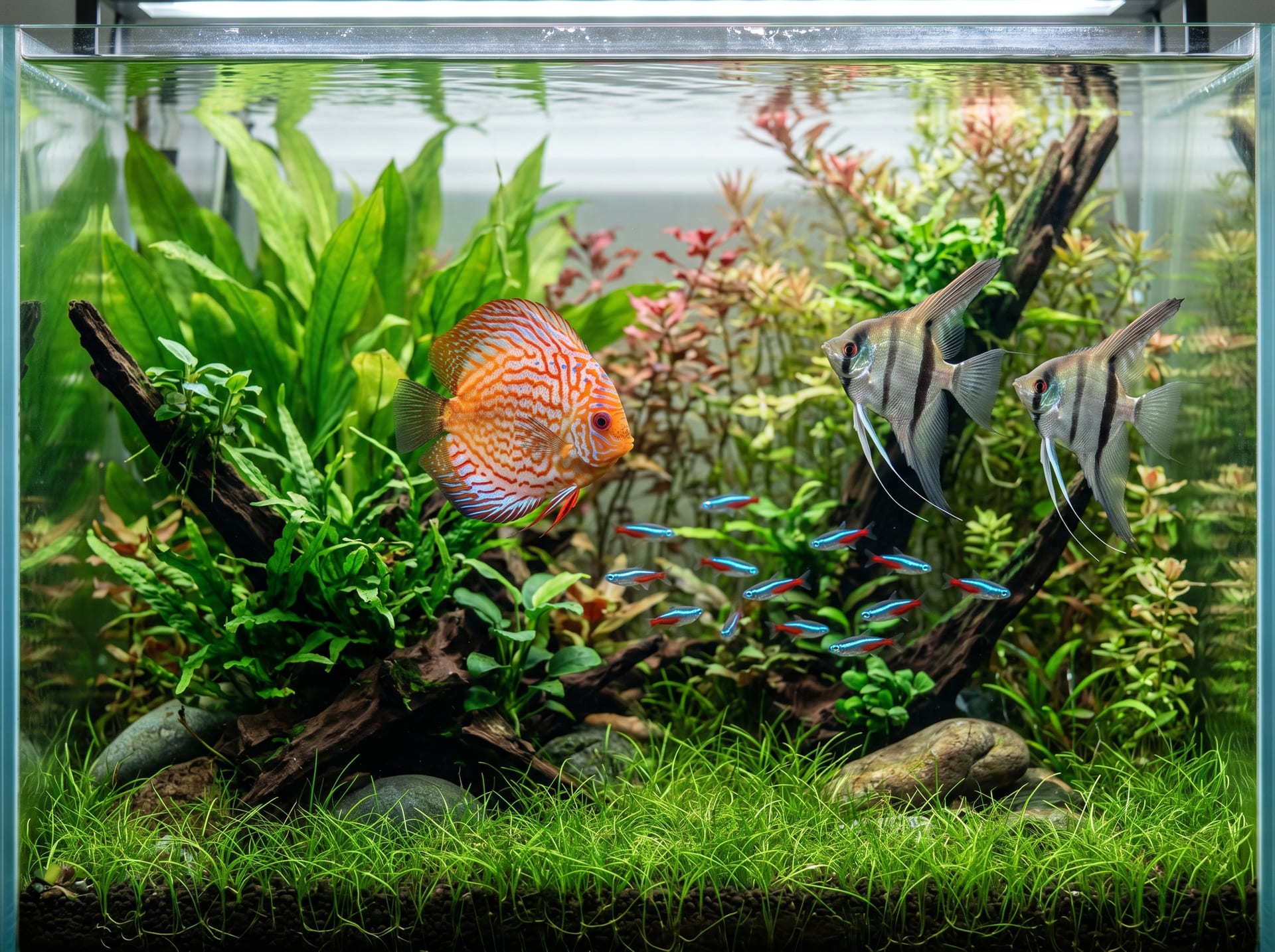
其他熱帶魚
「其他熱帶魚」包含了除流行種以外的多種個性鮮明的熱帶魚,每種都具有獨特的生態特徵和美學價值。由於不同種類對水質、水溫和飼養空間的要求差異很大,在飼養前應充分了解目標魚的特性。與多樣化、富有魅力的熱帶魚相遇,將進一步拓展水族館的樂趣。
成交手續費 0%!2026年9月30日前註冊,前 2 筆成交免佣金!
繁殖者 招募中!
在 BreederDirect 上架,直接銷售給全國各地的客戶!
承諾的6項透明度保證
熱帶魚商品中,繁殖者會明確標示下列資訊。確保水質適性、性質、建議水槽尺寸的透明度。
- 產地標示
- 實物照片
- 水質標示
- 含建議水槽
- 性質標示
- 血統標示
查看全部27個品種
熱帶魚分類正在招募認證繁殖者
繁殖者正在陸續註冊,即將上架。設定上架通知,不錯過新商品。
「接收上架通知」需免費註冊會員即可設定。當有符合您儲存條件的新商品上架時,我們會以郵件和站內通知提醒您。
已註冊的繁殖者(搶先看)
關於其他熱帶魚
「其他熱帶魚」是指不屬於孔雀魚或霓虹燈魚等定番種的多種多樣熱帶魚的統稱。它們的原產地遍佈世界——包括亞馬遜河的黑水區、東南亞湍急的溪流和非洲的大型湖泊等。外觀形態同樣多樣,從細長如箭的體型到鰭優雅展開的種類,再到體表被堅硬鱗片覆蓋如鎧甲一般的種類,各有各的特點。性格上,既有溫和適合混養的種類,也有強烈領地意識需要單獨飼養的種類。飼育的妙趣在於,在自己的水族館中培養全球知名度尚不高的珍稀物種所帶來的滿足感;深入研究越多,越能發現這個世界的奧妙。根據不同種類研究各異的水質、飼料和景觀佈置,並在飼育過程中不斷探索,即使是經驗豐富的水族愛好者也會獲得新的發現。
迎接其他熱帶魚前需要了解的7件事
1不同種類需要不同的飼養環境
熱帶魚的水溫、pH值和硬度需求因種類而異。購入前建議提前了解相關魚種的原產地和生態習性,掌握所需的水質條件。若在同一魚缸中混養多個品種,選擇水質條件相近的種類是基本原則。
2確認魚缸大小
小型魚種即使群養也需要充足的水量,大型魚類更是如此。應事先確認成魚的體型大小,並準備好能長期飼養的魚缸。飼養過度密集會導致水質惡化和魚隻壓力增加。
3檢查混養的相容性
熱帶魚中有領地意識強的種類,也有容易攻擊其他魚的種類。進行混養時,選擇性情、體型和食性接近的種類可以減少衝突。食肉性強的種類應避免與小型魚混養。
4過濾與換水的基本
熱帶魚的健康維持需要適當的過濾系統和定期換水。一般來說,每週進行一次,交換水槽容積的1/4~1/3是標準做法。同時需要定期維護過濾濾芯,保持水質穩定。
5初期費用與維護費
需要投資購置魚缸、加熱器、過濾濾芯、照明等初期設備。電費、飼料費和耗材(如濾芯更換材)的維護費用也會每月產生。珍稀種類或大型種類可能需要更高的成本,因此應提前估算好預算。
6隔離與治療
迎接新魚時,為防止疾病傳染給現有的魚,建議在單獨的水箱中隔離1~2週。在此期間觀察是否有異常,如果沒有問題就將其移到主水箱中。隔離對於珍稀品種和進口魚尤其重要。
7飼料種類與餵食方法
熱帶魚的食性因品種而異,需要根據情況靈活使用人工飼料、冷凍餌料和活餌等。過度餵食是水質惡化的主要原因,因此建議每天1~2次,餵食量以2~3分鐘內吃完為目標。要及時清除剩餘的食物。
其他熱帶魚的常見問題
- Q.初學者也能飼養珍稀的熱帶魚嗎?
- A.有些品種確實適合初學者飼養,但許多珍稀品種需要做好水質管理和餌料工作。我們建議先選擇飼育信息豐富的品種,在熟悉基本的水箱管理後再挑戰珍稀品種。
- Q.可以在同一個魚缸中混養多個物種嗎?
- A.是否能混養很大程度上取決於品種的組合。如果品種在對水質的偏好、性格和活動層次相近,就容易共存,但事先了解各品種的習性是必不可少的。請參考店鋪職員或專業書籍來確認相容性。
- Q.適當的水槽大小應該是多少?
- A.所需的水槽尺寸取決於目標魚的成魚體型和飼養數量。一般而言,小型種(5cm以下)需要30〜60cm水槽,中型種需要60〜90cm,大型種需要90cm以上。過度擁擠的飼養會導致水質惡化和魚類壓力,因此選擇寬敞的尺寸很重要。
- Q.魚生病了應該怎麼處理?
- A.如果發現異常,首先將患病的魚轉移到另一個隔離水槽中,以防止對其他魚的感染。觀察症狀(白點、魚鰭充血、遊泳異常等),並在諮詢熱帶魚專業店或獸醫後使用適當的藥物。早期發現和早期治療是恢復的關鍵。
- Q.可以享受繁殖的樂趣嗎?
- A.雖然有些種類相對容易繁殖,但繁殖條件(水溫、水質、產卵場所、幼魚飼料)因種類而異。若以繁殖為目標,務必事先透過專業書籍或值得信賴的網站研究相應種類的繁殖方法。