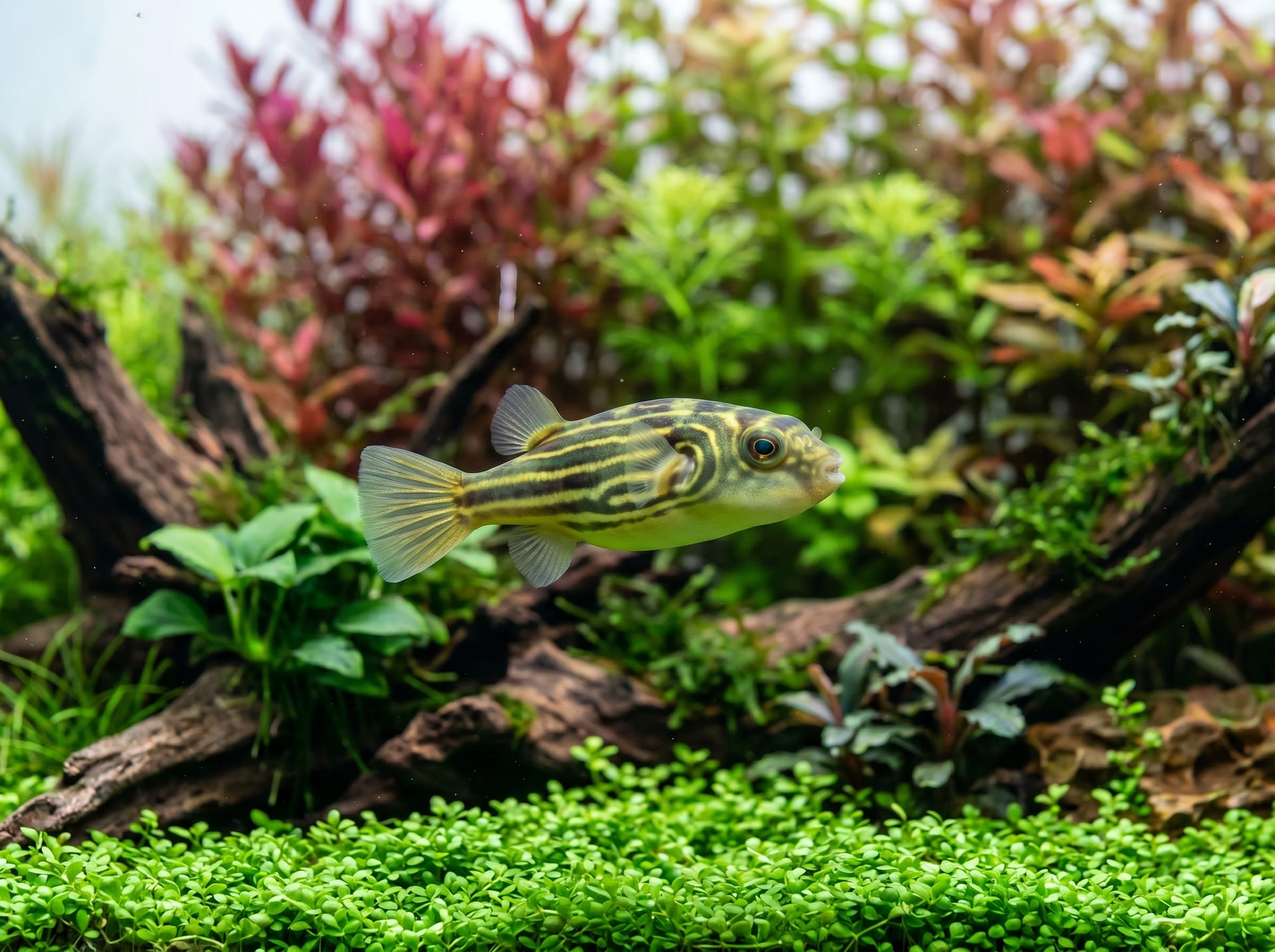
Freshwater puffers are unique fish adapted to freshwater or brackish environments, and their round, chubby bodies and expressive eyes make them a favorite among aquarium enthusiasts. They are notably intelligent, often recognizing their owners and approaching the glass at feeding time. However, their sharp beaks and territorial nature require careful consideration before adding them to a tank.
前 3 筆銷售免佣金!於 2026 年 7 月 31 日前註冊成為繁殖者,前 3 筆銷售免收佣金!
繁殖者 招募中!
在 BreederDirect 上架,直接銷售給全國各地的客戶!
熱帶魚商品中,繁殖者會明確標示下列資訊。確保水質適性、性質、建議水槽尺寸的透明度。
繁殖者正在陸續註冊,即將上架。設定上架通知,不錯過新商品。
「接收上架通知」需免費註冊會員即可設定。當有符合您儲存條件的新商品上架時,我們會以郵件和站內通知提醒您。
想上架熱帶魚嗎?
註冊成為繁殖者,即可與買家直接聯繫。
價格區間
地區
屬性
Freshwater puffers are a diverse group within the family Tetraodontidae that have adapted to rivers, lakes, and brackish environments rather than the ocean. They are found across Southeast Asia, Africa, and South America, with popular species including the dwarf puffer (Carinotetraodon travancoricus), figure-eight puffer, and South American puffer. Body size ranges from just a few centimeters to over 30 cm depending on the species, but all share the family's signature round body and expressive face. Like their marine cousins, they can inflate their bodies when threatened, and some species carry toxins in their skin. In temperament, they are highly curious and territorial — full of personality even when kept alone. What truly sets them apart for aquarists is their remarkable ability to recognize their keeper and respond with visible enthusiasm, a level of interactivity rarely seen in fish. Once experienced, their charm is difficult to forget.
1Tankmates Are Risky
Freshwater puffers are territorial and will often nip the fins or bodies of other fish with their sharp beaks. Single-species or solo setups are generally recommended, and any attempts at cohabitation require careful observation of individual compatibility.
2Beak Trimming Needed
The beak of a freshwater puffer grows continuously throughout its life. Providing hard foods such as snails or small crustaceans regularly helps wear it down naturally. Overgrown beaks can prevent the fish from eating, so diet management is an important part of care.
3Water Quality Matters
Water requirements vary by species — some puffers thrive in pure freshwater while others, like the green spotted puffer, need brackish conditions. Always confirm the specific needs of your chosen species before setting up the tank to avoid health issues.
4Live or Frozen Foods Best
Freshwater puffers are often reluctant to eat dry or pellet foods, and most do best on live or frozen foods such as bloodworms, daphnia, or snails. While some individuals can be trained to accept prepared foods, this requires patience and is not always successful.
5Right Tank Size Counts
Small species like the Amano puffer can be kept in tanks of 20–30 liters, but medium to large species need 60 liters or more. Providing open swimming space along with driftwood or rocks for shelter helps reduce stress and supports natural behavior.
6Personality Varies Widely
Even within the same species, individual puffers can vary greatly in aggression and willingness to interact with humans. Observing the specific fish at the shop — checking that it is active and eating — is one of the best ways to choose a healthy, long-term companion.
7Know the Setup Costs
Initial setup costs including a tank, filter, heater, and water testing kit typically range from around 10,000 to 30,000 yen even for small species. Brackish water species also require marine salt mix, so factor in ongoing supply costs when planning your budget.