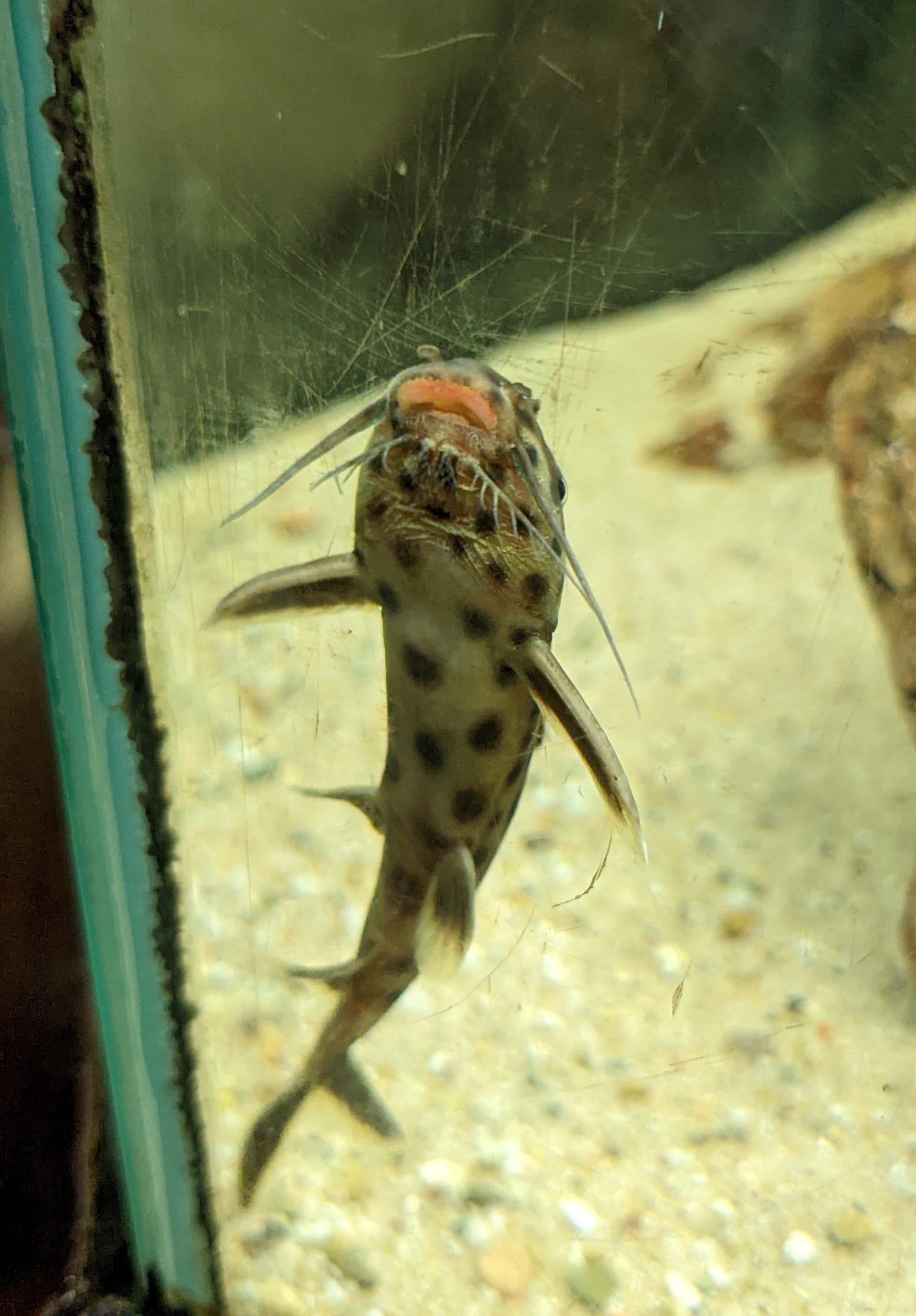
 © FakirNL / CC BY-SA 4.0
黑點多星鼠魚
Synodontis petricola is a small catfish that naturally gathers in groups among the rocky shores of Lake Tanganyika. Its pale body scattered with black spots, paired with fins edged in white and black, gives it a striking, clean-cut look. Unafraid and active during the day, it swims readily in open water and shows more natural schooling behavior when kept in a group. Because it thrives in hard, alkaline water, it pairs well with African rift lake cichlids. Considered a fish for intermediate keepers, it's a great next step once you're comfortable managing water chemistry.
View 黑點多星鼠魚 encyclopedia →成交手續費 0%!2026年9月30日前註冊,前 2 筆成交免佣金!
繁殖者 招募中!
在 BreederDirect 上架,直接銷售給全國各地的客戶!
承諾的6項透明度保證
熱帶魚商品中,繁殖者會明確標示下列資訊。確保水質適性、性質、建議水槽尺寸的透明度。
- 產地標示
- 實物照片
- 水質標示
- 含建議水槽
- 性質標示
- 血統標示
查看全部301個品種
熱帶魚分類正在招募認證繁殖者
繁殖者正在陸續註冊,即將上架。設定上架通知,不錯過新商品。
「接收上架通知」需免費註冊會員即可設定。當有符合您儲存條件的新商品上架時,我們會以郵件和站內通知提醒您。
已註冊的繁殖者(搶先看)
關於黑點多星鼠魚
Synodontis petricola is a small Lake Tanganyika catfish known for its black spots and edged fins. An intermediate-level species suited to group keeping — here's what to know before bringing one home.
迎接黑點多星鼠魚前需要了解的7件事
1Keep in a group for stability
This species tends to settle in and behave more naturally when kept in a group of four or more, rather than alone. Plan for a tank large enough to comfortably house the whole group.
2Prefers hard, alkaline water
Mirroring its native Lake Tanganyika, this fish does best in hard, alkaline water. Using water conditioners or substrate suited to rift lake setups helps recreate a stable, comfortable environment.
3Provide rocky hiding spots
In the wild it lives among rocky terrain, so stacking rocks or driftwood to create hiding spots in the tank helps it feel secure. Leave enough gaps in the layout for the fish to move through comfortably.
4Plan tank size for adult growth
Adults grow to roughly 10-13 cm. Even if you're starting with juveniles, it's worth choosing a tank and filtration setup sized for their eventual adult length and group numbers.
5More active around dusk and night
While relatively bold and visible during the day, as a catfish it tends to become more active around dusk and after dark. Feeding during these more active periods can help reduce leftover food.
6Choose tankmates carefully
Given its preference for hard, alkaline water, it pairs well with tankmates from the same environment, such as Tanganyikan cichlids. Combining it with fish that need different water conditions adds extra management complexity.
7Prepare water conditions in advance
Making major water changes right before bringing the fish home can cause unnecessary stress. It's best to adjust hardness and pH toward the target range in advance and wait until the tank is stable before introducing it.
黑點多星鼠魚的常見問題
- Q.Can beginners keep this fish?
- A.This species is generally considered suited to intermediate keepers. Since it requires maintaining hard, alkaline water and space for group keeping, it's best attempted once you're comfortable with basic water chemistry management.
- Q.How large does it grow?
- A.Adults reach roughly 10-13 cm in length. It's important to choose a tank based on this eventual adult size, not just the fish's size when you bring it home.
- Q.Is it okay to keep just one?
- A.Keeping a single fish is possible, but it tends to display calmer, more natural behavior when kept in a group of four or more. If your tank has the space, group keeping is worth considering.
- Q.Can it be kept with other fish?
- A.Because it prefers hard, alkaline water, it's well suited to tankmates with similar needs, such as Tanganyikan cichlids. It's best to avoid pairing it with fish that require very different water conditions.
- Q.Is this species subject to any regulations?
- A.Synodontis petricola is not subject to CITES. There's no special procedure to consider on that front when bringing one home.
適合飼養黑點多星鼠魚的實用工具
在圖鑑中詳細了解黑點多星鼠魚
查看黑點多星鼠魚的圖鑑條目 →
收錄飼養難度、壽命、體長、食性等基礎資料。