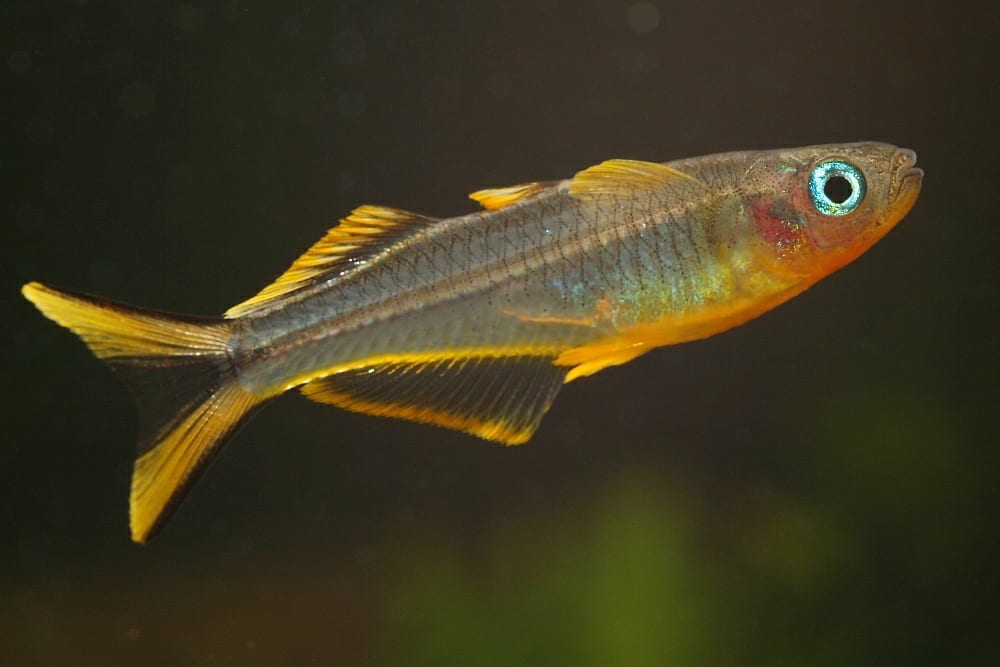
 © Dirk Godlinski / CC BY-SA 3.0
叉尾藍眼
The Forktail Blue-eye (Popondetta Furcata) is a small rainbowfish found only in a limited range of waters in eastern Papua New Guinea. It's easily recognized by the yellow-edged dorsal and anal fins and the deeply forked tail that gives the species its common name. Males grow to about 5cm at their largest, and during the breeding season they perform an eye-catching display, spreading their fins wide to compete with rival males — a behavior that makes the species especially popular among aquarists. Because this fish calls for intermediate-level fishkeeping experience, it's best to have a solid handle on water quality management and tankmate selection before bringing one home.
View 叉尾藍眼 encyclopedia →成交手續費 0%!2026年9月30日前註冊,前 2 筆成交免佣金!
繁殖者 招募中!
在 BreederDirect 上架,直接銷售給全國各地的客戶!
承諾的6項透明度保證
熱帶魚商品中,繁殖者會明確標示下列資訊。確保水質適性、性質、建議水槽尺寸的透明度。
- 產地標示
- 實物照片
- 水質標示
- 含建議水槽
- 性質標示
- 血統標示
查看全部301個品種
熱帶魚分類正在招募認證繁殖者
繁殖者正在陸續註冊,即將上架。設定上架通知,不錯過新商品。
「接收上架通知」需免費註冊會員即可設定。當有符合您儲存條件的新商品上架時,我們會以郵件和站內通知提醒您。
已註冊的繁殖者(搶先看)
關於叉尾藍眼
A small blue-eye rainbowfish from eastern Papua New Guinea, the Forktail Blue-eye features yellow-edged fins and a forked tail. Males reach up to 5cm at most, and care level is intermediate.
迎接叉尾藍眼前需要了解的7件事
1Intermediate-Level Care
This species is sensitive to sudden shifts in water quality, so keeping pH and temperature stable takes some basic fishkeeping skill. If you're new to tropical fish, it may help to gain experience with hardier species first.
2Fine for Small Tanks
Adults reach only about 5cm (males) at most, so a shoal can thrive even in limited space. Because smaller volumes of water fluctuate more easily, make sure your filtration has enough capacity to keep parameters stable.
3Males Display to Rivals
During the breeding season, males spread their fins wide to show off to rival males — a behavior that's part of the species' appeal. It rarely escalates into serious aggression, but adding hiding spots helps fish settle in comfortably.
4Yellow-Edged Fins
The yellow trim on the dorsal and anal fins, along with the forked tail, are the easiest features for telling this species apart. How the colors catch the light can vary, so thoughtful lighting can bring out their best appearance.
5Choose Calm Tankmates
Being small and peaceful, this fish can get stressed by boisterous or larger tankmates. Pair it with similarly sized, calm species and provide plants or decor for cover.
6Cycle the Tank First
Start your filter running and let water parameters stabilize before bringing fish home. Take your time acclimating new arrivals to avoid sudden changes in water conditions.
7A Range-Restricted Species
This fish is known to occur only in a limited range of waters in eastern Papua New Guinea. Keeping that natural habitat in mind can guide you toward a calmer, more settled tank environment.
叉尾藍眼的常見問題
- Q.How difficult is it to keep the Forktail Blue-eye?
- A.It's considered suited to intermediate keepers. Because it's sensitive to water quality changes, some prior experience with tropical fish helps things go smoothly.
- Q.How big do adults get?
- A.Males reach up to about 5cm at their largest. Males and females can show some difference in body size.
- Q.Can it be kept with other fish?
- A.Being small and peaceful, it does well with similarly sized, calm tankmates. Avoid pairing it with boisterous or much larger fish.
- Q.Why do males spread their fins at each other?
- A.It's a natural display seen during the breeding season, where males spread their fins wide to show themselves off to rivals. This behavior is actually part of what makes the species appealing to keep.
- Q.Is this species regulated under CITES?
- A.No, the Forktail Blue-eye is not subject to CITES.
適合飼養叉尾藍眼的實用工具
在圖鑑中詳細了解叉尾藍眼
查看叉尾藍眼的圖鑑條目 →
收錄飼養難度、壽命、體長、食性等基礎資料。