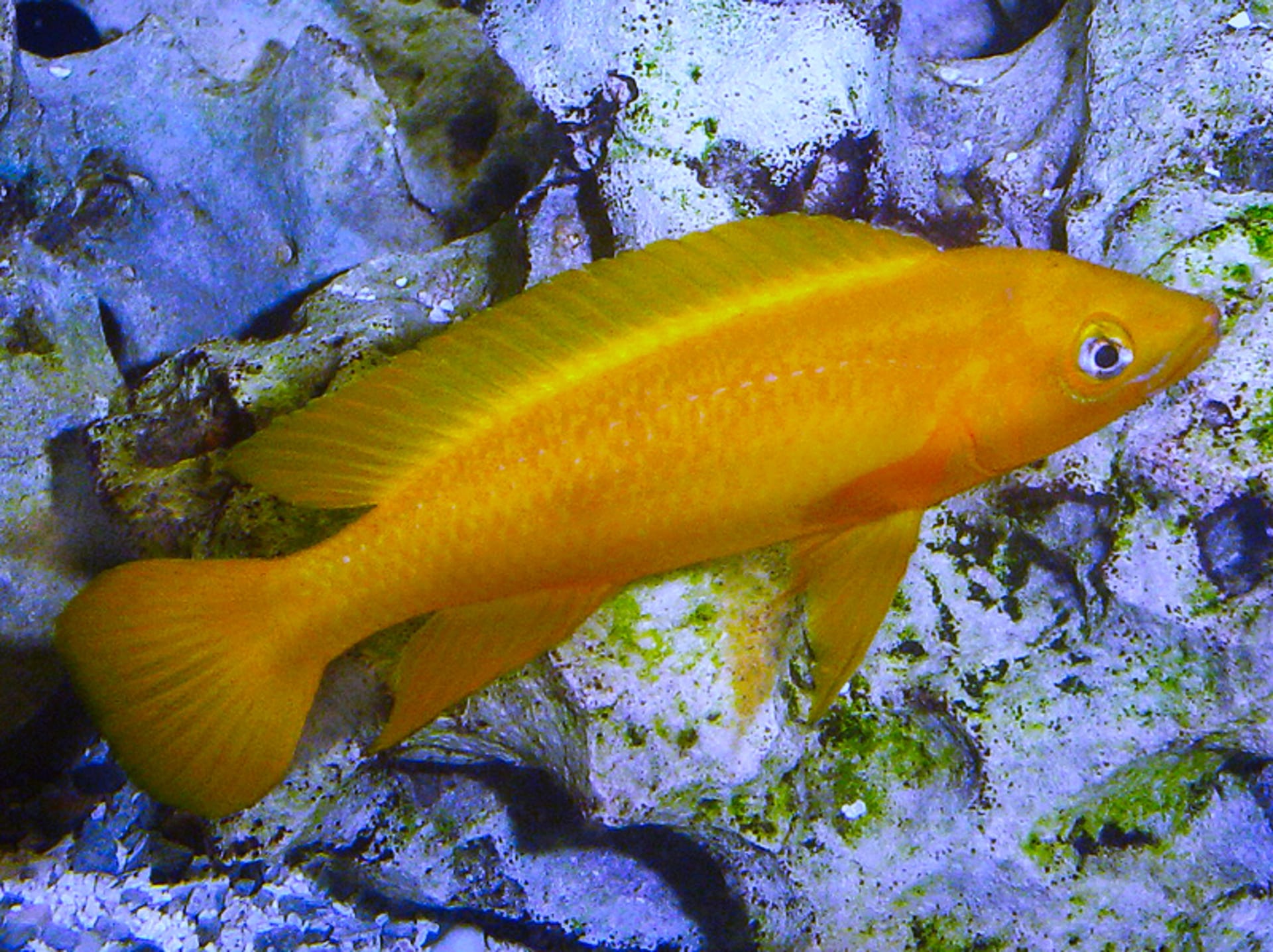
 © HblairH / CC BY-SA 4.0
檸檬慈鯛
Neolamprologus leleupi, commonly known as the Lemon Cichlid, is a small cichlid native to Lake Tanganyika in Africa. Its vivid yellow-to-orange body gives the species its common name and makes it a standout in any tank. In the wild, it shelters among rocky crevices and caves, staking out a favorite hideout as its territory. It is a substrate-spawning cichlid that pairs up and cooperatively guards its eggs and fry, so keepers can witness real parenting behavior. Reaching only about 10 cm as an adult, a single pair can be comfortably housed even in a relatively modest aquarium. It is generally considered suitable for intermediate keepers, since territorial behavior and water quality need some attention.
View 檸檬慈鯛 encyclopedia →成交手續費 0%!2026年9月30日前註冊,前 2 筆成交免佣金!
繁殖者 招募中!
在 BreederDirect 上架,直接銷售給全國各地的客戶!
承諾的6項透明度保證
熱帶魚商品中,繁殖者會明確標示下列資訊。確保水質適性、性質、建議水槽尺寸的透明度。
- 產地標示
- 實物照片
- 水質標示
- 含建議水槽
- 性質標示
- 血統標示
查看全部301個品種
熱帶魚分類正在招募認證繁殖者
繁殖者正在陸續註冊,即將上架。設定上架通知,不錯過新商品。
「接收上架通知」需免費註冊會員即可設定。當有符合您儲存條件的新商品上架時,我們會以郵件和站內通知提醒您。
已註冊的繁殖者(搶先看)
關於檸檬慈鯛
Discover the Lemon Cichlid (Neolamprologus leleupi), a small Lake Tanganyika cichlid with vivid yellow-orange coloring, rock-dwelling habits, and devoted pair parenting, a good pick for intermediate aquarists.
迎接檸檬慈鯛前需要了解的7件事
1Rockwork Hideouts
Lemon Cichlids naturally shelter in rocky crevices and caves. Stack rocks in the tank to create cave-like hiding spots so they can settle in comfortably. Make sure any rockwork is stable and won't collapse.
2Strongly Territorial
They fiercely defend a favorite rocky hideout as their territory and can be aggressive toward similarly shaped or same-species fish. Choose tankmates carefully, or consider keeping them alone, to avoid conflict.
3Pairs Raise Young Together
As substrate spawners, a bonded pair will lay eggs in a rocky crevice and cooperatively guard the eggs and fry. If you're hoping to breed them, watch for compatible pairing before committing to a breeding setup.
4Choose Tankmates Carefully
Because of their territorial nature, timid or very small fish are best avoided as tankmates. Other Lake Tanganyika cichlids of similar size and temperament tend to make for a calmer, more stable tank.
5Color Deepens With Age
Juveniles often show paler coloring, but the yellow-to-orange hue becomes richer and more vivid as the fish matures. The exact depth of color can vary by individual and environment, which is part of the fun.
6Stays Compact
Adults reach only about 10 cm, keeping them a manageable size. A single pair can be comfortably housed in a relatively modest tank, letting you enjoy a rockwork-focused aquascape.
7Best for Intermediate Keepers
This species is generally considered suitable for intermediate aquarists, since managing territory and water quality takes some experience. Keepers who have kept other cichlids will likely find it manageable.
檸檬慈鯛的常見問題
- Q.Can it be kept with other tropical fish?
- A.Because it's quite territorial, timid or very small fish aren't ideal tankmates. Choosing other Lake Tanganyika cichlids of similar size and temperament tends to make for a calmer community tank.
- Q.How can I tell males from females?
- A.There's no obvious external difference between sexes, and juveniles are especially hard to distinguish. Once a pair forms, differences in size and behavior often make it easier to tell them apart.
- Q.Is this fish suitable for beginners?
- A.It's generally rated for intermediate keepers, so prior experience with other cichlids is helpful. With attention to territory and water quality, an experienced beginner can still take it on.
- Q.Do I need to keep a pair to breed them?
- A.Keeping a pair is the standard approach for breeding, though a single fish can be kept on its own. Once paired, they'll spawn in a rocky crevice and cooperatively guard the eggs and fry.
- Q.What should I feed them?
- A.A base diet of flake or pellet food combined with frozen or freeze-dried brine shrimp works well. As an omnivore, this species readily accepts a wide variety of foods.
適合飼養檸檬慈鯛的實用工具
在圖鑑中詳細了解檸檬慈鯛
查看檸檬慈鯛的圖鑑條目 →
收錄飼養難度、壽命、體長、食性等基礎資料。