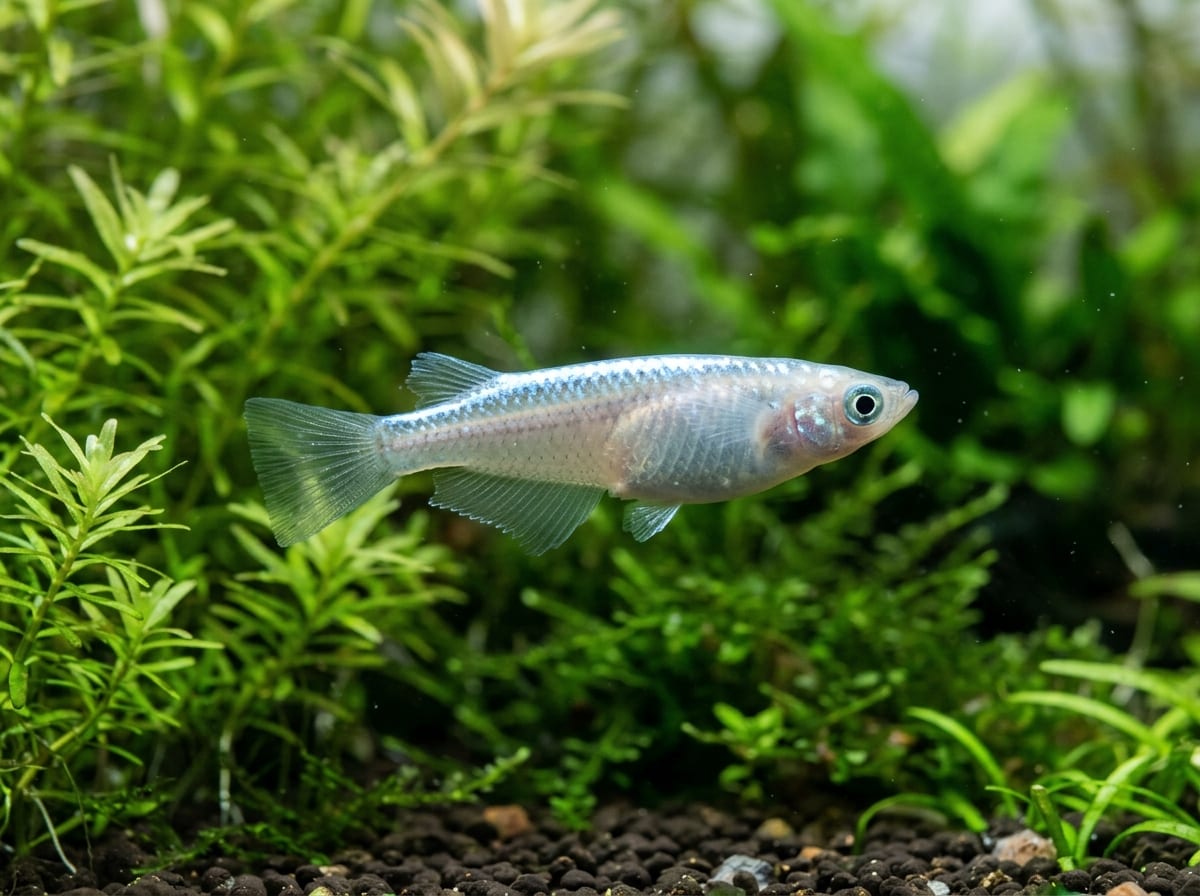
Miyuki
Characterized by a metallic sheen along the back. Graded from weak to full-body (Tetsukamen) based on light coverage.
View Miyuki encyclopedia →- Price Range
- ¥4,000〜¥4,000
0% commission on your first sales!Register by September 30, 2026 and your first 2 sales are commission-free!
Breeder Wanted!
List on BreederDirect and sell directly to customers nationwide!
9 Transparency Commitments from Br-Choku
(1 listings verified)Each Medaka listing includes the following from Breeder. Full transparency on color variations (Yokihi/Miyuki/Lame) and lineage guaranteed.
- Variety Name
- Lineage
- Actual Photos
- Color Classification
- Body Type
- Scale Type
- Size
- Origin
- Age/Generation
Browse all 20 breeds
Color
Scale Type
![[Free Shipping] Miyuki Medaka (Strong Light to Full Body) S to M Size, Set of 50 - Medaka direct from breeder | 亀田養魚 Breeder](https://img.br-choku.com/listings/012cea4e-b57f-498f-acd4-7fe309d7e03d/fa9474f4-f95f-4009-aa3b-f89fd0fedf92_thumb.webp)
Miyuki key facts
- Care level
- Beginner-friendly
- Lifespan
- 2-3 years
- Size
- 3-4cm
- Temperature
- 5〜30℃(適温20〜28℃)
- Diet
- Prepared food, daphnia, brine shrimp
- Container
- Dark containers enhance the metallic sheen
- Selection
- Breeding high-coverage pairs improves offspring quality
- Breeding
- Easy like Youkihi. Fry selection is key for quality
- Notes
- Metallic coverage changes with growth; early grading is unreliable
About Miyuki
Miyuki is one of the most iconic varieties of improved medaka, believed to have been developed in the early 2010s by Yoshiteru Aoki, a specialist in selectively bred medaka from Aichi Prefecture. The name "Miyuki" comes from his son's name, and the variety rapidly became a sensation for its extraordinary beauty. Its defining feature is the "body external light" — a lustrous iridescence produced by reflective iridophore cells running along the dorsal surface, shimmering in silver-white to blue-white hues that shift with the angle of light. Fish are graded by the extent of this light coverage, from partial to strong, super, and finally full-body (Tetsukamen), where the entire body from head to tail glows brilliantly. Full-body specimens are the most prized and command premium prices. In temperament, Miyuki are gentle and sociable, swimming comfortably in groups and mixing well with other varieties. Care requirements are similar to standard medaka, though dark containers and appropriate lighting can dramatically enhance the display of the body light. As a landmark variety that helped spark Japan's improved medaka boom, Miyuki remains beloved by beginners and serious collectors alike.
Miyuki price range
Lowest
¥4,000
Average
¥4,000
Highest
¥4,000
Based on 1 current listings
Find Miyuki by prefecture
Popular colors of Miyuki
Featured breeders for Miyuki
See all Miyuki breeders (2) →
7 things to know before welcoming a Miyuki
1Check the Light Grade
The body outer light is graded as weak, strong, or full body (Tetsu Kabuto), with full body being the rarest and most valuable. When purchasing, confirm the extent of the shine through photos or video. The light coverage may expand as the fish matures but rarely shrinks.
2Water Quality and Clarity
Clear water significantly enhances the visibility of Miyuki's iridescent sheen. Raising them in transparent (clear water) conditions is preferred over green water for best appreciation of their light. Regular water changes help keep ammonia and nitrite levels low.
3Container Color Affects Appearance
Dark or black containers create high contrast that makes Miyuki's metallic sheen stand out dramatically. White or clear containers can cause the iridescence to blend in and appear less vivid. For display purposes, a black container is the recommended choice.
4Sunlight and Light Development
Moderate sunlight is thought to support the development of body outer light, making outdoor keeping potentially beneficial for light extension. However, intense summer sun can rapidly raise water temperature, so use shade covers or netting to maintain a comfortable range of approximately 16–28°C.
5Peaceful Temperament and Tank Mates
Miyuki has a calm temperament and does well with other similarly sized medaka. However, mixing with other varieties risks crossbreeding, which can dilute the body outer light trait in offspring. If maintaining the variety's traits is a priority, single-variety keeping is recommended.
6Breeding and Genetics Basics
Pairing Miyuki together tends to produce offspring with body outer light, but the grade of shine will vary. Even full-body parents do not guarantee full-body offspring. The iridescence typically becomes visible in fry around one to two months after hatching.
7Purchase Cost and Price Range
Prices vary considerably by light grade. Weak-light specimens are relatively affordable, while full-body (Tetsu Kabuto) individuals can range from several hundred to several thousand yen or more. First-time buyers should confirm the grade and overall condition with the seller and choose a grade that fits their budget.
Frequently asked questions about Miyuki
- Q.At what age does Miyuki's body light appear?
- A.Body light begins to develop gradually during the juvenile stage and is generally assessable by around 2–3 months of age. The extent of light expression can be influenced by growing conditions such as light exposure, water temperature, and nutrition.
- Q.Can full-body Miyuki be bred true?
- A.Crossing two full-body individuals does not guarantee all offspring will be full-body; lower-grade fish commonly appear as well. By consistently selecting and breeding the highest-grade individuals across multiple generations, breeders can gradually increase the proportion of full-body offspring.
- Q.Can Miyuki be kept with other medaka varieties?
- A.Miyuki are peaceful and generally compatible with other improved medaka varieties in a community setup. However, if you intend to breed and maintain the variety's characteristics, keeping them separate from other varieties is recommended to prevent hybridization.
- Q.Is there any advantage to choosing lower-grade Miyuki?
- A.Lower-grade Miyuki are more affordable than full-body specimens and are just as enjoyable to keep. They also serve as a practical starting point for hobbyists who want to work toward producing higher-grade offspring through selective breeding.
- Q.Does keeping Miyuki require any special equipment?
- A.Miyuki can be kept with the same basic equipment used for any medaka: a container, aeration or a gentle filter, and appropriate food. A black container enhances the visual impact of the body light but is not strictly necessary. They can be kept both indoors and outdoors.
Useful tools for Miyuki care
Learn more about Miyuki in the encyclopedia
View Miyuki encyclopedia entry →
Care difficulty, lifespan, size and diet — all basics covered.
Miyuki related articles
Popular Medaka Bloodline Ranking 2026 | Features and Breeding Difficulty of 6 Strains from #1 Miyuki to Explanation
Explaining 6 popular medaka bloodline strains in 2026. From the #1 Miyuki (幹之) with body-light inheritance, #2 Yohkihi, and #3 Orochi characteristics to breeding difficulty, selection criteria, and noteworthy scale pattern varieties explained by experts.
Medaka Breed Guide | Popular Varieties, Characteristics, and Selection Tips
Discover popular medaka varieties. Learn about the characteristics, price ranges, and breeding lineages of Yohkihi, Miyuki, Tri-color, and Lame medaka.
[2026 Edition] 15 Best Medaka Varieties for Beginners | How to Choose and Care Tips
For beginners starting medaka keeping, we've carefully selected 15 easy-to-raise varieties. Complete guide from classic varieties like Youkihi and Miyuki to trending varieties.
[Complete Comparison] Yōkihi Medaka vs Miyuki Medaka | Differences in Breeding Difficulty, Cost, and Characteristics
Complete comparison of Yōkihi and Miyuki: color, body type, ease of breeding, and price range. Which is recommended for beginners?
Medaka Breed Comparison Guide|Differences Between Youkaihi, Miyuki, and Sanshoku and How to Choose
Comprehensive comparison of popular medaka breeds by body color, body shape, and price range. This guide explains the characteristics, difficulty level, and selection tips for each breed including Youkaihi, Miyuki, Sanshoku, Lame, and Daruma varieties.
Medaka Breed Catalog | Features and Selection Guide for Youkihi, Miyu, and Sanshoku
A guide to popular medaka breeds organized by body color and body type. Explaining the features, care tips, and price ranges of Youkihi, Miyu (Miyuki), Sanshoku, Lame varieties, Daruma, and more.
More in this category
Can't find the one you're looking for?
Post your wishes for free and breeders with matching animals will contact you with introductions.