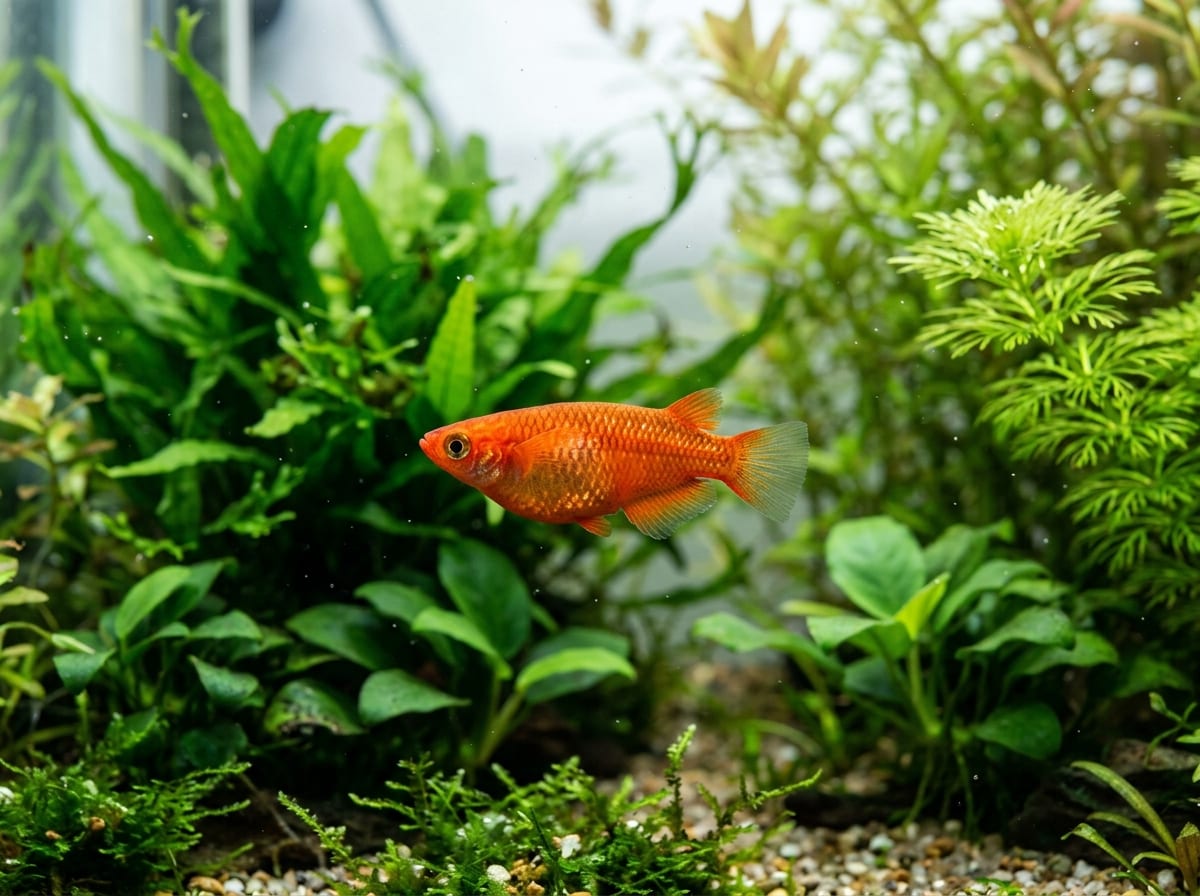
Daruma (Short Body)
Short-bodied round medaka resembling a daruma doll. Rolling swimming motion is adorable. Requires warm water keeping.
View Daruma (Short Body) encyclopedia →- Price Range
- ¥4,000〜¥4,000
0% commission on your first sales!Register by September 30, 2026 and your first 2 sales are commission-free!
Breeder Wanted!
List on BreederDirect and sell directly to customers nationwide!
9 Transparency Commitments from Br-Choku
Each Medaka listing includes the following from Breeder. Full transparency on color variations (Yokihi/Miyuki/Lame) and lineage guaranteed.
- Variety Name
- Lineage
- Actual Photos
- Color Classification
- Body Type
- Scale Type
- Size
- Origin
- Age/Generation
Browse all 20 breeds
Color
Scale Type
No listings match your filters
Adjust your filters, or get notified when new listings arrive.
Getting alerts is free with a member account. When new listings match your saved search, we'll notify you by email and in-app.
Browse other categories
Verified breeders (preview)

Daruma (Short Body) key facts
- Care level
- Intermediate
- Lifespan
- 1-2 years
- Size
- 2-3cm
- Temperature
- 25〜30℃
- Diet
- Medaka pellets
- Water Temperature & Quality
- Keep the water at 25-30°C. If it is not held above 25°C, fish tend to revert toward a normal body shape (half-daruma).
- Flow & Placement
- A poor swimmer that tires in strong current, so use a sponge filter or similar to keep the flow gentle.
- Breeding & Egg-laying
- Breeding also needs warm water, ideally around 28°C. Fertilization rates are low, so manage pairs individually and choose healthy parents for daruma x daruma.
- Tank Mates & Compatibility
- Because it swims poorly and tires easily, avoid mixing with normal body types and keep daruma together.
- Notes
- Spine curvature common — culling important
About Daruma (Short Body)
Daruma medaka originated in Japan around the mid-20th century as a naturally occurring mutation in which several vertebrae fuse together, producing a body nearly half the length of a standard medaka and an almost perfectly round silhouette when viewed from the side. The name "Daruma" comes from the rotund, legless Daruma dolls of Japanese folk tradition, and the variety has been beloved by hobbyists across Japan for decades. Because the round body type is crossed with many color lines — black, white, Yōkihi red, and more — there is a wide range of visual varieties to choose from. The fish's unique rolling, tumbling swim style is unlike anything else in the medaka world and has a quietly hypnotic quality. The two non-negotiable requirements for keeping Daruma are warm water and gentle flow; meet those conditions and the variety is accessible even for beginners. Despite their tiny size, Daruma command attention in any aquarium and have gained a following as living decorative accents that bring a distinctly Japanese aesthetic to the home.
Featured breeders for Daruma (Short Body)
See all Daruma (Short Body) breeders (2) →7 things to know before welcoming a Daruma (Short Body)
1Warmth Is Essential
Daruma medaka thrives and maintains its characteristic body shape at water temperatures of 28–32°C. Lower temperatures increase the risk of swim bladder issues, so a reliable aquarium heater is essential. During winter, keep the temperature above 25°C to avoid health problems.
2Watch for Swim Bladder Issues
Due to its shortened body, Daruma medaka is prone to swim bladder disorder, which causes the fish to float upside down. Overfeeding and sudden temperature changes are common triggers. Avoid giving too much food, minimize temperature fluctuations, and if symptoms appear, try fasting the fish and gradually raising the water temperature.
3Suitable for Small Tanks
At just 2–3 cm when fully grown, Daruma medaka can be kept in tanks as small as 5–10 liters. However, smaller volumes make water quality and temperature harder to maintain, so a 20-liter or larger tank is more stable. As a general guideline, allow 1–2 liters of water per fish to prevent overcrowding.
4Breeding Takes Extra Care
Due to their body shape, Daruma medaka sometimes have difficulty mating successfully, resulting in lower spawning rates than standard medaka. For breeding, pairing a full Daruma with a semi-Daruma (slightly longer body) tends to improve success rates. Provide a spawning mop or plant, and move eggs to a separate container to protect them from being eaten.
5Peaceful Community Fish
Daruma medaka has a gentle temperament and coexists well with other medaka varieties and small, peaceful fish. However, because it swims slowly and struggles to compete for food, keeping it with more active species can lead to malnourishment. Ideally, house it with other Daruma medaka or similarly slow-swimming varieties.
6Feed Small Amounts Often
Feed Daruma medaka 2–3 times a day in small amounts they can consume within 2–3 minutes. Overfeeding at once risks digestive problems and swim bladder disorder. Use small-pellet medaka food or finely crushed flakes that are easy for their small mouths to eat.
7Short Lifespan of 1–2 Years
The average lifespan of Daruma medaka is about 1–2 years, which is somewhat shorter than standard medaka due to the physical stress of their body shape. Consistent water temperature, clean water, and a low-stress environment are the key factors in helping them live out their full lifespan. Keep this in mind when deciding to bring one home.
Frequently asked questions about Daruma (Short Body)
- Q.Can beginners keep Daruma medaka?
- A.Yes, beginners can keep them successfully as long as water temperature is managed properly. Set up a heater to maintain 28–32°C and ensure the flow is gentle. They are sensitive to water quality, so get into the habit of regular partial water changes.
- Q.Can they be kept with standard medaka?
- A.Mixing is possible but requires attention due to differences in size and swimming ability. Monitor whether Daruma are getting enough food, and consider separating them if competition is intense. Semi-Daruma body types tend to be the most compatible tank mates.
- Q.How should water temperature be managed in winter?
- A.For indoor tanks, set a thermostat-controlled aquarium heater to 28–30°C and check the thermometer daily to avoid sudden temperature swings. Outdoor overwintering is not suitable for Daruma medaka.
- Q.If two Daruma breed, will all offspring be Daruma?
- A.Not necessarily. Even pairing two Daruma together frequently produces semi-Daruma or standard body fry. The genetics behind the Daruma body shape are complex, and improving the percentage of round offspring requires repeated selective breeding.
- Q.Does the round body shape cause any health issues?
- A.The compact shape can put pressure on internal organs, making digestive problems and swim bladder issues more likely than in standard medaka. Feeding easily digestible food in appropriate amounts and keeping water temperature stable helps reduce these risks. Daily observation is the best way to catch problems early.
Useful tools for Daruma (Short Body) care
Learn more about Daruma (Short Body) in the encyclopedia
View Daruma (Short Body) encyclopedia entry →
Care difficulty, lifespan, size and diet — all basics covered.
Daruma (Short Body) related articles
Medaka Breed Comparison Guide|Differences Between Youkaihi, Miyuki, and Sanshoku and How to Choose
Comprehensive comparison of popular medaka breeds by body color, body shape, and price range. This guide explains the characteristics, difficulty level, and selection tips for each breed including Youkaihi, Miyuki, Sanshoku, Lame, and Daruma varieties.
Medaka Breed Catalog | Features and Selection Guide for Youkihi, Miyu, and Sanshoku
A guide to popular medaka breeds organized by body color and body type. Explaining the features, care tips, and price ranges of Youkihi, Miyu (Miyuki), Sanshoku, Lame varieties, Daruma, and more.
More in this category
Can't find the one you're looking for?
Post your wishes for free and breeders with matching animals will contact you with introductions.