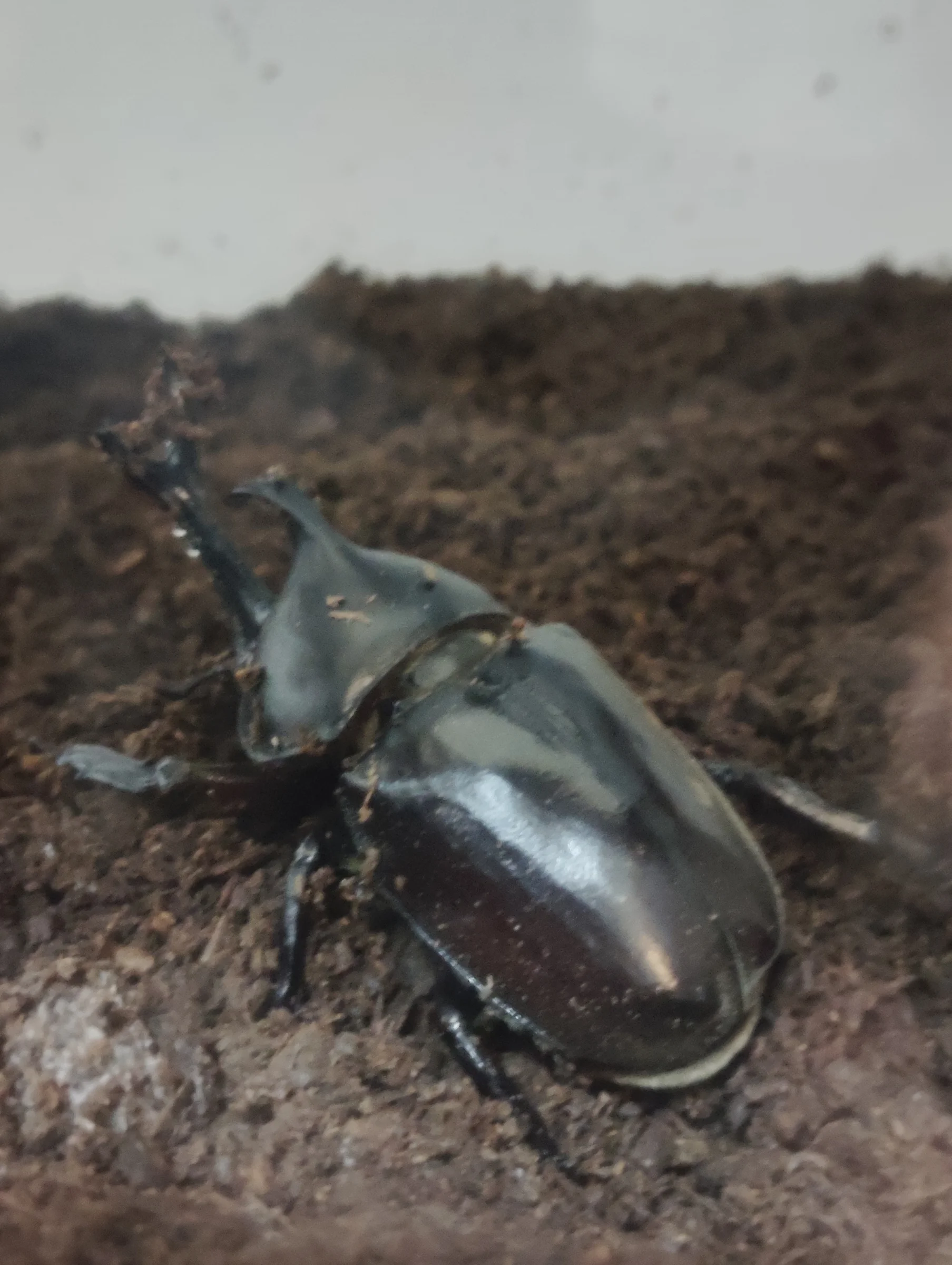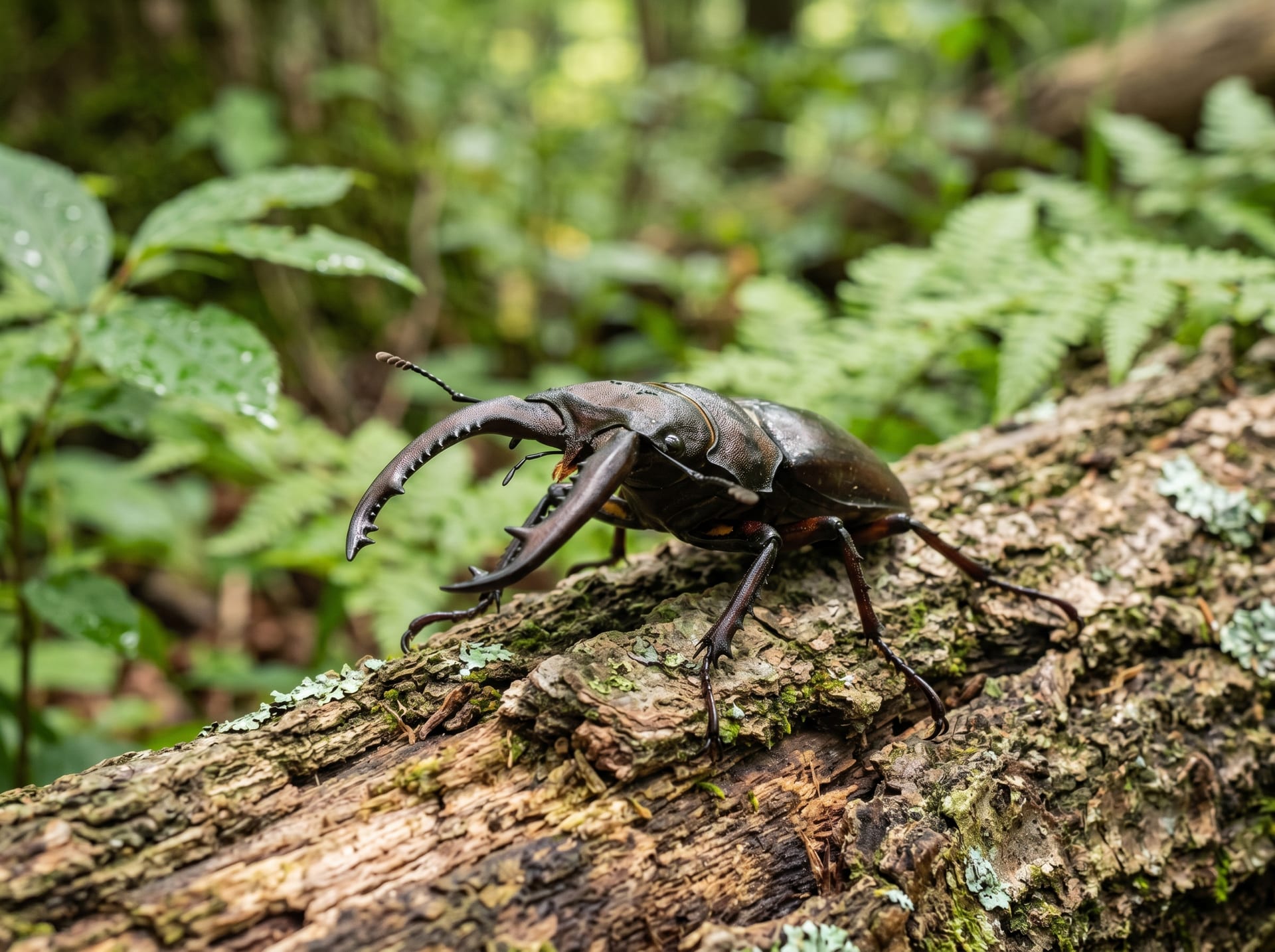
Nokogiri Stag Beetle
The Saw Stag Beetle (Prosopocoilus inclinatus) is one of Japan's most iconic stag beetles, recognized by its dramatically curved, serrated mandibles that vary in shape from individual to individual. Hardy and relatively easy to care for, it's an excellent choice for both beginners and experienced keepers who enjoy the variety each specimen offers.
View Nokogiri Stag Beetle encyclopedia →0% commission on your first sales!Register by September 30, 2026 and your first 2 sales are commission-free!
Breeder Wanted!
List on BreederDirect and sell directly to customers nationwide!
6 Transparency Standards You Can Trust
When listing Insects, Breeders disclose the following. We guarantee transparency on growth stage and breeding unit.
- Life Stage Clarity
- Generation Info
- Real Photos
- Breeding Unit
- Country of Origin
- Body Length (mm)
Browse all 26 breeds
No listings match your filters
Adjust your filters, or get notified when new listings arrive.
Getting alerts is free with a member account. When new listings match your saved search, we'll notify you by email and in-app.
Browse other categories
Verified breeders (preview)
Nokogiri Stag Beetle key facts
- Care level
- Beginner-friendly
- Lifespan
- Adult 2-3 months
- Size
- Up to 70mm
- Temperature
- 20〜28℃
- Diet
- Beetle jelly
- Notes
- Short adult lifespan — active only in summer
- Temperature & Humidity
- Keep at 20-28°C. Found throughout Japan, it can be kept at summer room temperature as long as extreme heat is avoided.
- Housing
- Keep in a container with a deep layer of soft fermented substrate. It is very easy to keep, and beginners can manage it without trouble.
- Diet & Feeding
- Beetle jelly is the staple. In the wild it gathers at oak sap, so keep jelly available at all times.
- Breeding & Egg-laying
- It lays in substrate and breeds easily. Larvae take 1-2 years, and adults that emerge in autumn overwinter in the pupal chamber, so do not dig them out.
About Nokogiri Stag Beetle
The Saw Stag Beetle (Prosopocoilus inclinatus) is one of Japan's most widely distributed and beloved stag beetles, found from Hokkaido to Yakushima. Its defining feature is the male's serrated, saw-like mandibles, which change dramatically in shape depending on body size — large specimens develop sweeping, curved "water buffalo" jaws, while smaller individuals have straighter, short-toothed mandibles. This remarkable variation within a single species makes each beetle individual and is a major draw for collectors. In the wild, adults are nocturnal and gather at the sap of oak trees on summer nights, a scene deeply embedded in Japanese childhood memories. As a captive animal, Saw Stag Beetles are reasonably hardy, tolerant of typical Japanese summer temperatures, and forgiving of minor husbandry imperfections — making them an ideal entry point into stag beetle keeping. Breeding is achievable with patience, as larvae require one to two years to mature in fermented substrate or mycelium. For anyone drawn to Japan's rich insect culture, this species offers both accessibility and endless fascination.
Featured breeders for Nokogiri Stag Beetle
See all Nokogiri Stag Beetle breeders (1) →7 things to know before welcoming a Nokogiri Stag Beetle
1Mandible Shape Varies Greatly
Male Saw Stag Beetles develop dramatically different mandible shapes depending on their size — large individuals display deeply curved "water buffalo" type jaws, while smaller ones have straighter, shorter teeth. This individual variation makes each beetle unique and adds to the collector appeal.
2Larval Stage Takes 1–2 Years
Larvae typically take one to two years to develop before emerging as adults, so breeding requires patience and long-term planning. They are commonly raised in fermented substrate (matting) or fungal mycelium bottles, both of which work well for this species.
3Adults Have a Short Lifespan
Adult Saw Stag Beetles are active for roughly three to six months after emerging, which is shorter than some other Japanese stag beetle species. They cannot overwinter as adults, so managing emergence timing is key if you want to enjoy them as long as possible.
4Substrate Choice Is Key for Breeding
Females prefer to lay eggs in well-fermented substrate packed firmly into the container, often near pieces of soft rotting wood. A dedicated egg-laying setup with quality oviposition mat is essential; females can lay roughly 20 to 50 eggs per clutch, though this varies by individual.
5Temperature Affects Activity Period
While Saw Stag Beetles tolerate warmth well, prolonged exposure above 30°C can wear them down. Aim to keep adults at 20–28°C, placing their enclosure in a well-ventilated spot away from direct sunlight during summer months.
6Mixed Housing Requires Caution
After mating, males can sometimes injure females if housed together for extended periods. Once mating is confirmed, separating the pair or providing a spacious enclosure with multiple hiding spots helps reduce the risk of harm.
7Initial Costs Are Reasonably Low
A basic adult setup — enclosure, substrate, beetle jelly, and grip material — can be assembled for a few thousand yen. As a native Japanese species, adult pairs are generally affordable compared to exotic imports, though prices vary by size and quality. Budget for ongoing substrate costs if raising larvae.
Frequently asked questions about Nokogiri Stag Beetle
- Q.How long do adult Saw Stag Beetles live?
- A.Adults are typically active for around three to six months after emerging. Unlike some stag beetle species, Saw Stag Beetles cannot survive through winter, so individuals that become active in summer usually reach the end of their lifespan by autumn or early winter.
- Q.Should I use mycelium bottles or fermented substrate for larvae?
- A.Both methods work well, but fermented substrate (mat) is the more established and beginner-friendly option for this species. Mycelium bottles can produce larger specimens but require matching the right fungal strain; starting with quality fermented mat is recommended for those new to larval rearing.
- Q.Is it safe to keep males and females together?
- A.Short-term cohabitation for mating purposes is generally fine, but long-term housing together carries a risk of the male injuring the female. Once mating is observed, it is advisable to separate them promptly or keep them in a spacious enclosure with plenty of hiding places.
- Q.What are the advantages of buying from a breeder over catching wild beetles?
- A.Breeder-raised beetles come with known emergence dates and lineage records, and are typically in good condition from the start, making them easier to keep long-term. Purchasing also avoids the legal and ecological considerations that can come with wild collection in certain areas or seasons.
- Q.What setup do I need to get my female to lay eggs?
- A.Prepare a container with well-fermented oviposition substrate packed firmly to a depth of at least 15 cm. Adding a soft oak log buried in the mat further encourages egg-laying. Keep the temperature around 25°C and place the enclosure in a dark, quiet location to help stimulate breeding behavior.
Useful tools for Nokogiri Stag Beetle care
Learn more about Nokogiri Stag Beetle in the encyclopedia
View Nokogiri Stag Beetle encyclopedia entry →
Care difficulty, lifespan, size and diet — all basics covered.
More in this category
Can't find the one you're looking for?
Post your wishes for free and breeders with matching animals will contact you with introductions.