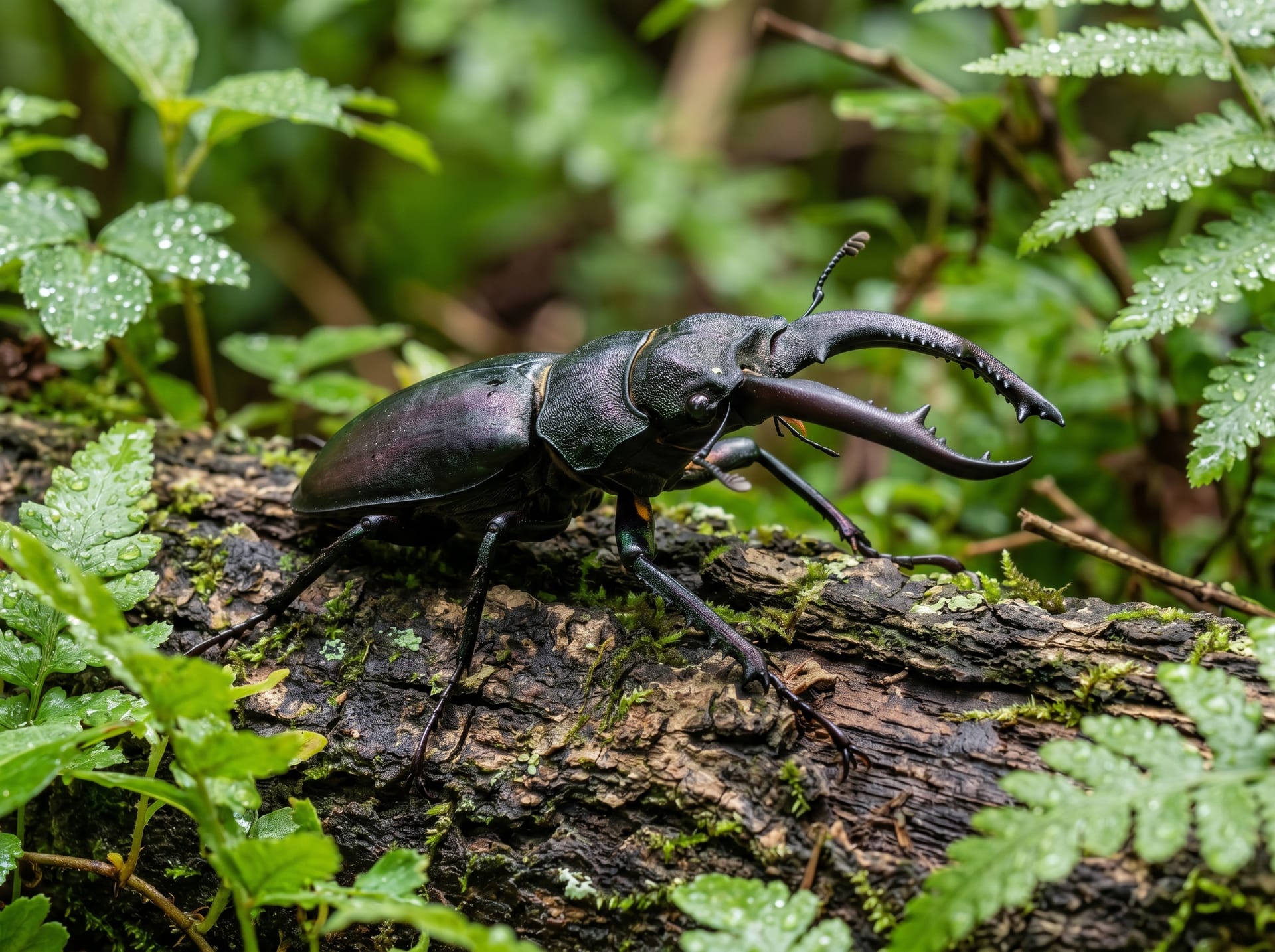
Mandibularis Stag Beetle
The largest Hexarthrius stag beetle in Southeast Asia. Attractive for its powerful mandibles and fierce temperament.
View Mandibularis Stag Beetle encyclopedia →0% commission on your first sales!Register by September 30, 2026 and your first 2 sales are commission-free!
Breeder Wanted!
List on BreederDirect and sell directly to customers nationwide!
6 Transparency Standards You Can Trust
When listing Insects, Breeders disclose the following. We guarantee transparency on growth stage and breeding unit.
- Life Stage Clarity
- Generation Info
- Real Photos
- Breeding Unit
- Country of Origin
- Body Length (mm)
Browse all 26 breeds
No listings match your filters
Adjust your filters, or get notified when new listings arrive.
Getting alerts is free with a member account. When new listings match your saved search, we'll notify you by email and in-app.
Browse other categories
Verified breeders (preview)
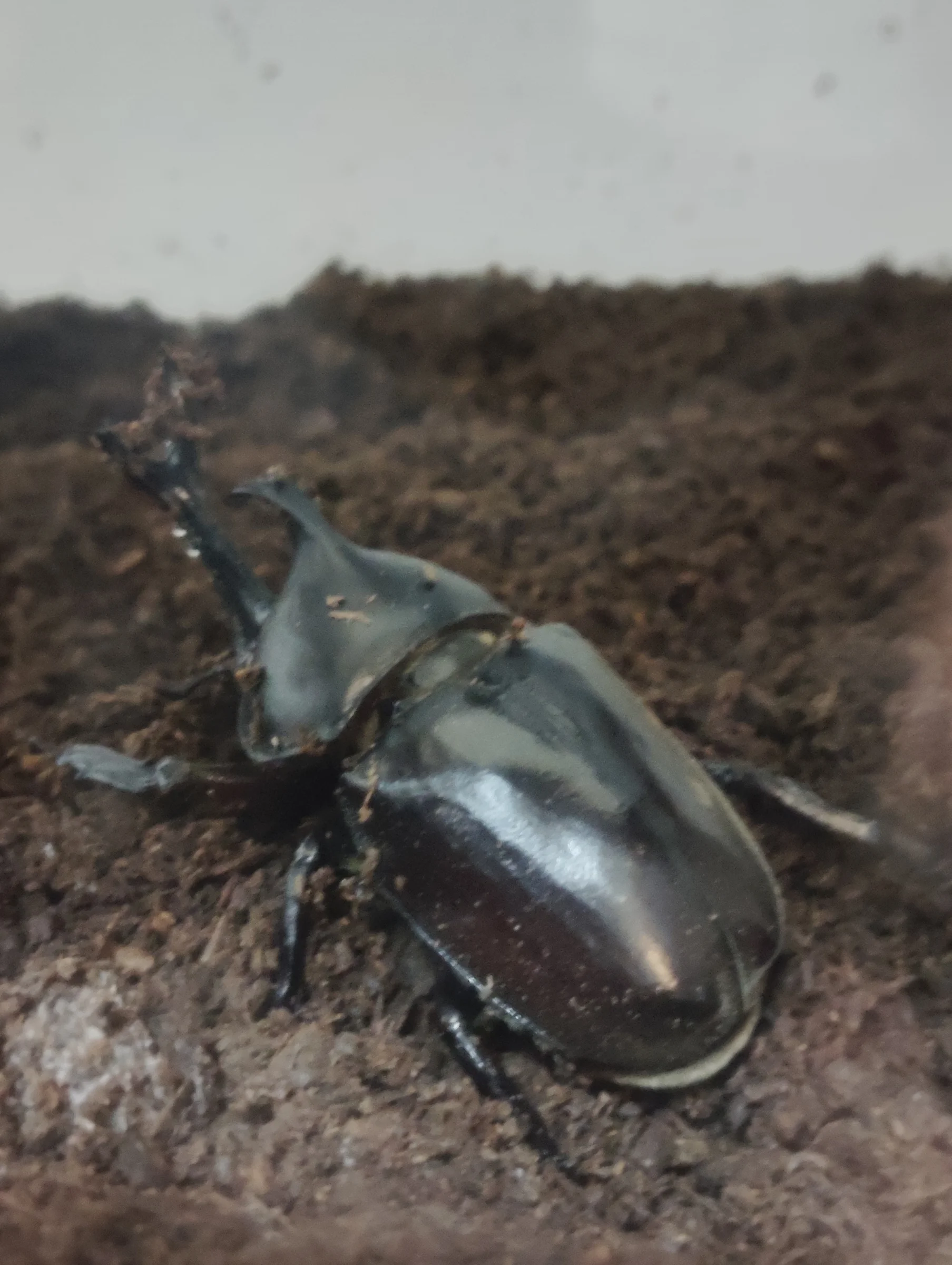
Mandibularis Stag Beetle key facts
- Care level
- Advanced
- Lifespan
- Adult 3-8 months
- Size
- 60-110mm
- Diet
- Insect jelly
- Compatibility
- 気性が荒いためペアリングは短時間で
- Breeding
- 産卵は柔らかい材を使用
- Temperature
- 温度は22〜26℃が適温
- Growth
- 幼虫は菌糸ビンで大型化
- Growth
- 成虫の寿命は短めなので注意
About Mandibularis Stag Beetle
The Mandibularis Stag Beetle (Hexarthrius mandibularis) is one of the largest members of the Hexarthrius genus, native to the tropical forests of Indonesia, Malaysia, and surrounding Southeast Asian regions. Its most striking feature is the dramatically forked, bifurcated mandibles from which it takes its common name, with males reaching a total length of 60 to 110mm. The body is a deep, lustrous black, and the imposing physique combined with powerfully curved jaws creates a truly commanding presence. In the wild, it relies on decaying wood and tree sap for sustenance and exhibits a bold, aggressive temperament. In captivity, stable temperatures of 20–25°C and consistent humidity are essential for its wellbeing. Though adult lifespan is relatively short, the beetle's unmatched presence and raw power make it a highly sought-after species among serious collectors and enthusiasts worldwide.
7 things to know before welcoming a Mandibularis Stag Beetle
1Use a Spacious Enclosure
Due to their large size reaching up to 110mm, a medium-to-large enclosure (60cm or more recommended) is essential. Cramped conditions increase stress and can shorten their lifespan. Add climbing wood in corners to make full use of the space.
2Handle with Caution
This species is highly aggressive with extremely powerful mandibles that can cause injury. Always use thick gloves or handling tongs when interacting with them. Males must be kept separately as they will fight aggressively and can seriously injure each other.
3Maintain Around 25°C
Native to Southeast Asia, this beetle thrives at 23–27°C. Temperatures exceeding 30°C can rapidly deplete their energy and significantly shorten their lifespan. Use cooling fans or air conditioning to manage room temperature during summer months.
4Feed High-Protein Jelly
Adult beetles feed on insect jelly, with high-protein varieties being most suitable. As a large species, they consume significant amounts, so replace with fresh jelly every 2–3 days. Avoid fruit-based options as they spoil quickly and can attract mold.
5Short Adult Lifespan
Adult lifespan is relatively short at 3–8 months, and post-emergence care significantly impacts longevity. After hatching, it can take 2–3 months before they begin feeding (post-teneral stage). Avoid pairing or stressful handling until feeding is confirmed.
6Substrate Matters for Breeding
For breeding, fill the enclosure with well-fermented substrate at least 15cm deep. Adding egg-laying logs alongside the substrate increases success rates as this species can lay in both. Careful temperature and humidity management is essential throughout.
7Expect Higher Costs
Mandibularis beetles are less commonly available and tend to be priced higher than many other stag beetle species. Ongoing costs for large enclosures, fermented substrate, and high-protein jelly should be factored in. Ensure you can provide a stable long-term environment before purchasing.
Frequently asked questions about Mandibularis Stag Beetle
- Q.Is this species suitable for beginners?
- A.Due to its aggressive temperament and powerful mandibles, this species is better suited to keepers with prior stag beetle experience. With the right setup and knowledge it can be kept successfully, but direct handling requires caution and should not be taken lightly.
- Q.Can I breed this species at home?
- A.Breeding is possible but requires supervised pairing due to the risk of the male injuring the female. Egg-laying requires properly fermented substrate or suitable oviposition logs, and the process is generally recommended for intermediate to advanced keepers.
- Q.How long does an adult live?
- A.Adult lifespan is generally 3 to 8 months. Maintaining appropriate temperature, humidity, and diet quality can help the beetle stay healthy throughout its natural lifespan.
- Q.Can multiple beetles be kept together?
- A.Keeping multiple beetles together is not recommended as it leads to fighting and injury. Males in particular will engage in fierce combat that can result in broken mandibles or death. Always follow a one-beetle-per-enclosure rule.
- Q.What are the typical costs involved?
- A.Initial setup costs including enclosure, substrate, and jelly typically range from 5,000 to 15,000 yen. The price of the beetle itself varies widely by size and origin, ranging from a few thousand to tens of thousands of yen. Ongoing monthly costs are modest, primarily consisting of fresh jelly.
Useful tools for Mandibularis Stag Beetle care
Learn more about Mandibularis Stag Beetle in the encyclopedia
View Mandibularis Stag Beetle encyclopedia entry →
Care difficulty, lifespan, size and diet — all basics covered.
Mandibularis Stag Beetle related articles
See more Mandibularis Stag Beetle articles →More in this category
Can't find the one you're looking for?
Post your wishes for free and breeders with matching animals will contact you with introductions.