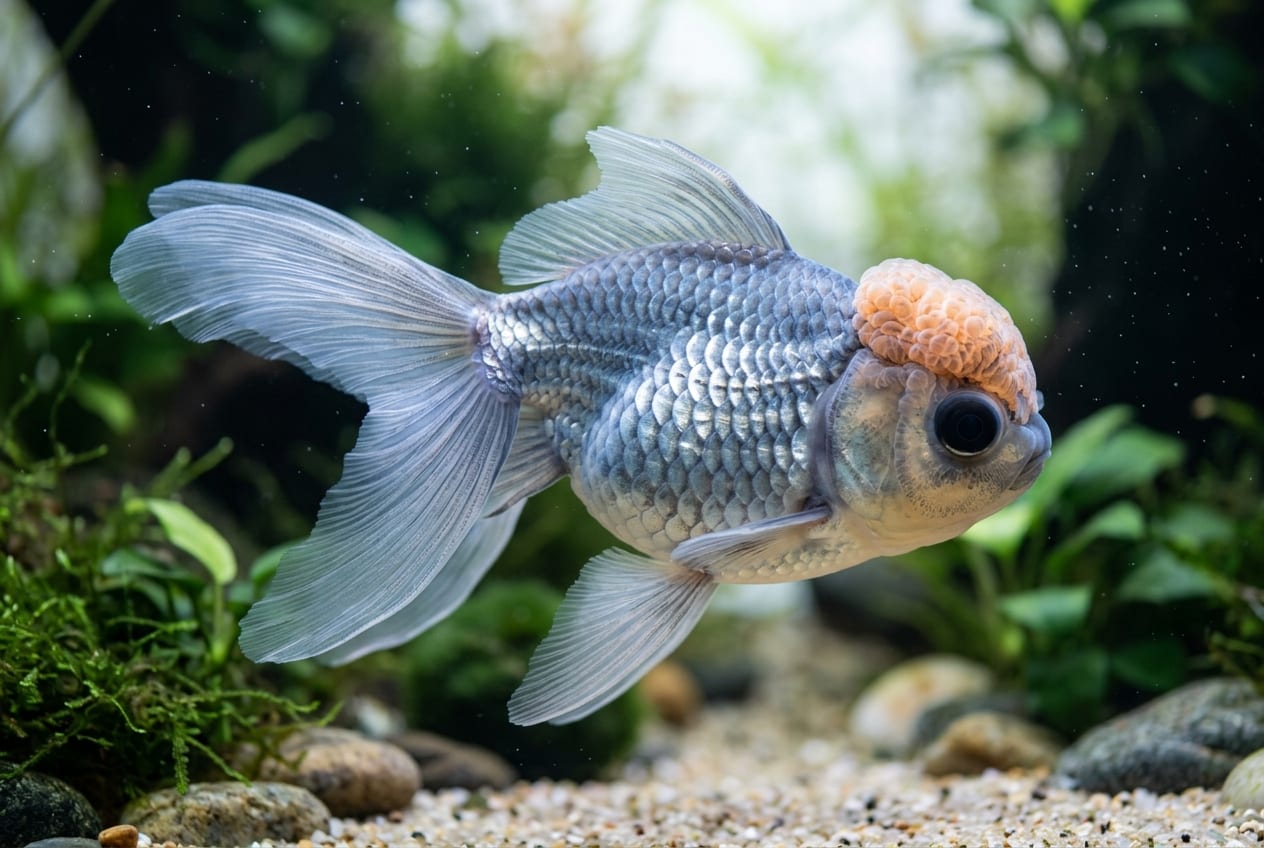
Horyu
Horyu is a Japanese goldfish variety built around four traits at once: a blue-tinted body, softly shining pearl scales, telescope eyes, and a substantial head growth called a wen. An amateur breeder spent three decades refining the bloodline before it was finally shown to the public in 1994. Because keeping all four traits balanced and stable is so demanding, Horyu has a reputation as one of the harder goldfish varieties to produce well. Its cool, blue-toned body paired with a heavy, dignified head gives it a look unlike any other goldfish, but that same complexity means it calls for an experienced keeper.
View Horyu encyclopedia →0% commission on your first sales!Register by September 30, 2026 and your first 2 sales are commission-free!
Breeder Wanted!
List on BreederDirect and sell directly to customers nationwide!
6 Transparency Commitments from Br-Choku
All Goldfish listings from Breeder include the following details. We guarantee transparency in lineage (Yamato/Yatomi/Edo) and competition awards.
- Lineage
- Real Photos
- Breeder Lineage
- Award History
- Competition History
- Age Stated
Browse all 100 breeds
Care Difficulty
No listings match your filters
Adjust your filters, or get notified when new listings arrive.
Getting alerts is free with a member account. When new listings match your saved search, we'll notify you by email and in-app.
Browse other categories
Verified breeders (preview)
Horyu key facts
- Care level
- Advanced
- Lifespan
- 5-6 years
- Temperature
- 15〜28℃
- Diet
- Prepared foods, frozen bloodworms
- Lighting
- Provide enough light for the raised pearl scales to read from above and from the side. The blue body colour shifts with the angle of light, so diffuse lighting suits it.
- Housing
- Use a simple layout without sharp edges and keep the flow gentle so the pearl scales and protruding eyes are not damaged. It is sensitive to cold, so watch that winter temperatures do not fall too far.
- Tank Mates
- It does not swim strongly; pair it with other pearlscale types or slow breeds such as the bubble eye and celestial eye. Wakin types will take the food first.
- Notes
- Thickened pearl scales regrow poorly and damaged eyes do not recover. The variety is difficult to produce, circulation is limited, and the line is maintained by the enthusiasts' association.
About Horyu
Horyu is a Japanese goldfish combining a blue-tinted body, pearl scales, telescope eyes, and a head wen. Bred over thirty years by an amateur enthusiast and unveiled in 1994, it's an advanced-level variety.
7 things to know before welcoming a Horyu
1An advanced variety, hard to produce
Horyu requires all four of its defining traits to stay in balance, and it's considered an advanced-level fish to keep. Even keepers with goldfish experience should watch its condition more closely than usual, and it's not the best first choice for someone brand new to the hobby.
2Watch out for bumps to the eyes
Horyu's prominent telescope eyes can easily be bumped or scraped on tank decor and hard edges. Keeping the layout simple and avoiding sharp-edged obstacles helps protect this delicate feature.
3Caring for the head wen
The wen covering Horyu's head is one of its signature features, but it's also a spot where debris can collect. Water quality has a direct effect on its condition, so regular water changes and careful monitoring matter.
4A calm nature, but consider tankmates
Because of its telescope eyes and wen, Horyu has limited vision and swims less nimbly than slender goldfish varieties. Pairing it with fast, agile fish raises the risk of missed meals and collisions, so it's best kept with other calm, similarly bodied goldfish.
5A lifespan of around five to six years
Horyu typically lives around five to six years. Since that's a real long-term commitment, it's worth confirming beforehand that you can keep up with the daily care and tank maintenance it needs.
6Avoid sudden shifts in water conditions
Horyu is considered a somewhat delicate variety, and sudden changes in water temperature or chemistry can easily cause stress or health problems. Take extra care with acclimation when introducing it to a new tank, and avoid abrupt changes during everyday maintenance.
7Prepare the setup before bringing one home
Before bringing a Horyu home, it's worth setting up a tank layout without sharp edges that could injure its eyes or wen, along with filtration that can maintain stable water quality. Consulting with an experienced keeper while you prepare can help things go smoothly.
Frequently asked questions about Horyu
- Q.Can beginners keep a Horyu?
- A.Horyu is considered an advanced-level variety. Keeping it healthy while maintaining all four of its traits takes real experience, so first-time goldfish keepers are generally better off starting with a different variety.
- Q.How long does a Horyu typically live?
- A.Horyu typically lives around five to six years, though this can vary somewhat depending on the individual fish and its care. It's worth planning for the long term when deciding to keep one.
- Q.Can Horyu be kept with other goldfish?
- A.Because its telescope eyes and wen limit its vision and swimming agility, pairing Horyu with fast-moving varieties raises the risk of collisions and lost meals. It's safer to keep it with other calm goldfish of a similar body type.
- Q.Where does the name and history of Horyu come from?
- A.Horyu is a Japanese goldfish variety combining a blue-tinted body, pearl scales, telescope eyes, and a head wen. An amateur breeder spent thirty years developing it, and it was first shown publicly at a competition in 1994, making it a relatively recent variety.
- Q.What should I watch out for most when keeping a Horyu?
- A.The two biggest priorities are a tank layout that won't injure its eyes or wen, and avoiding sudden changes in water quality or temperature. Regular water changes, careful acclimation, and watching for day-to-day changes in condition all help.
Useful tools for Horyu care
Learn more about Horyu in the encyclopedia
View Horyu encyclopedia entry →
Care difficulty, lifespan, size and diet — all basics covered.
More in this category
Can't find the one you're looking for?
Post your wishes for free and breeders with matching animals will contact you with introductions.