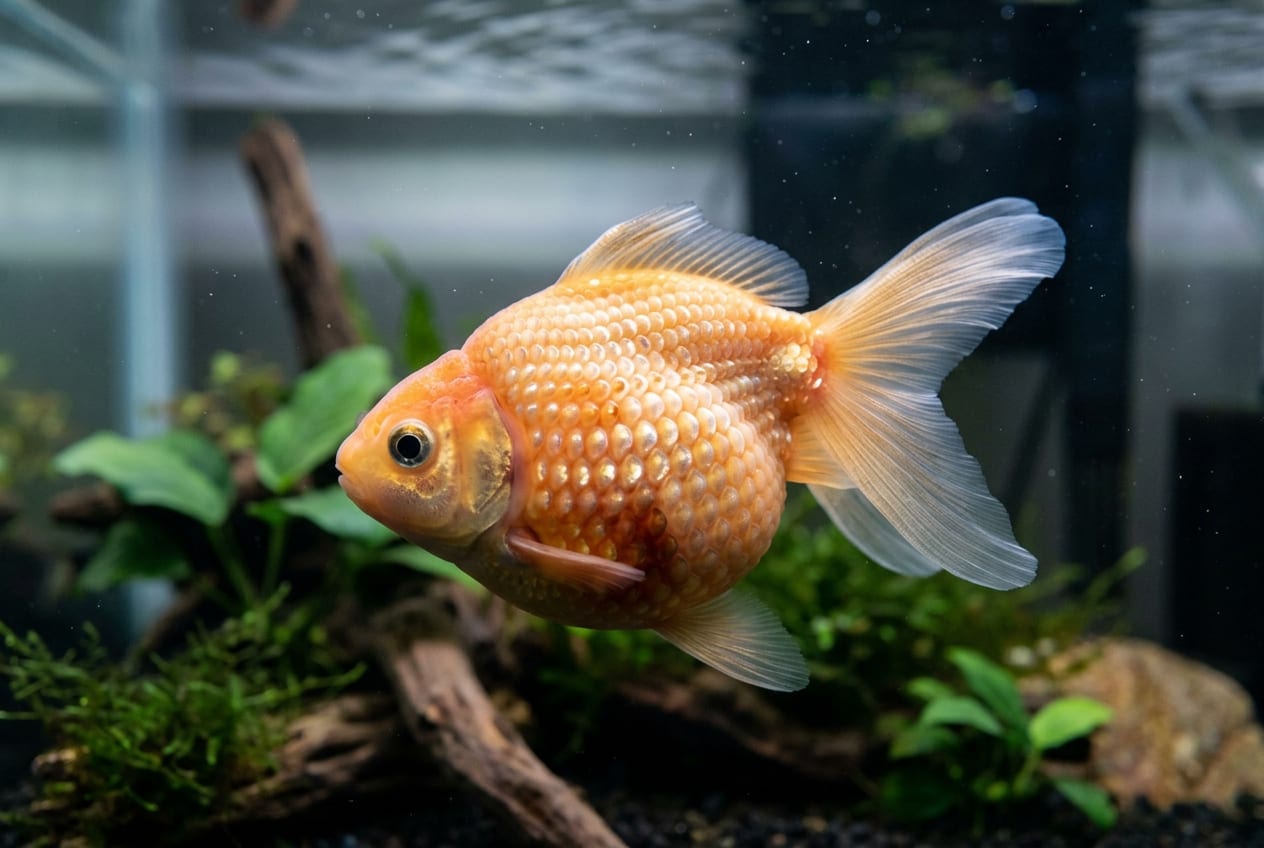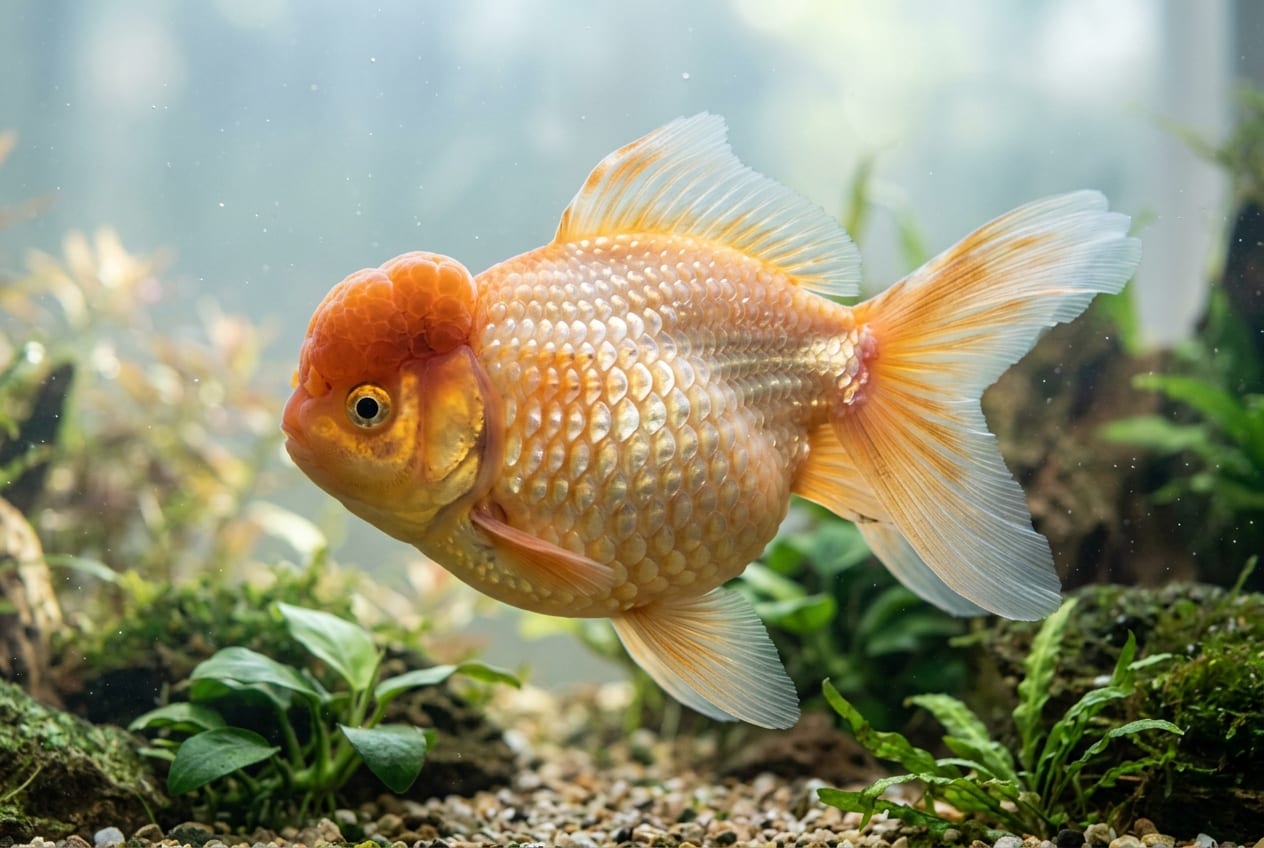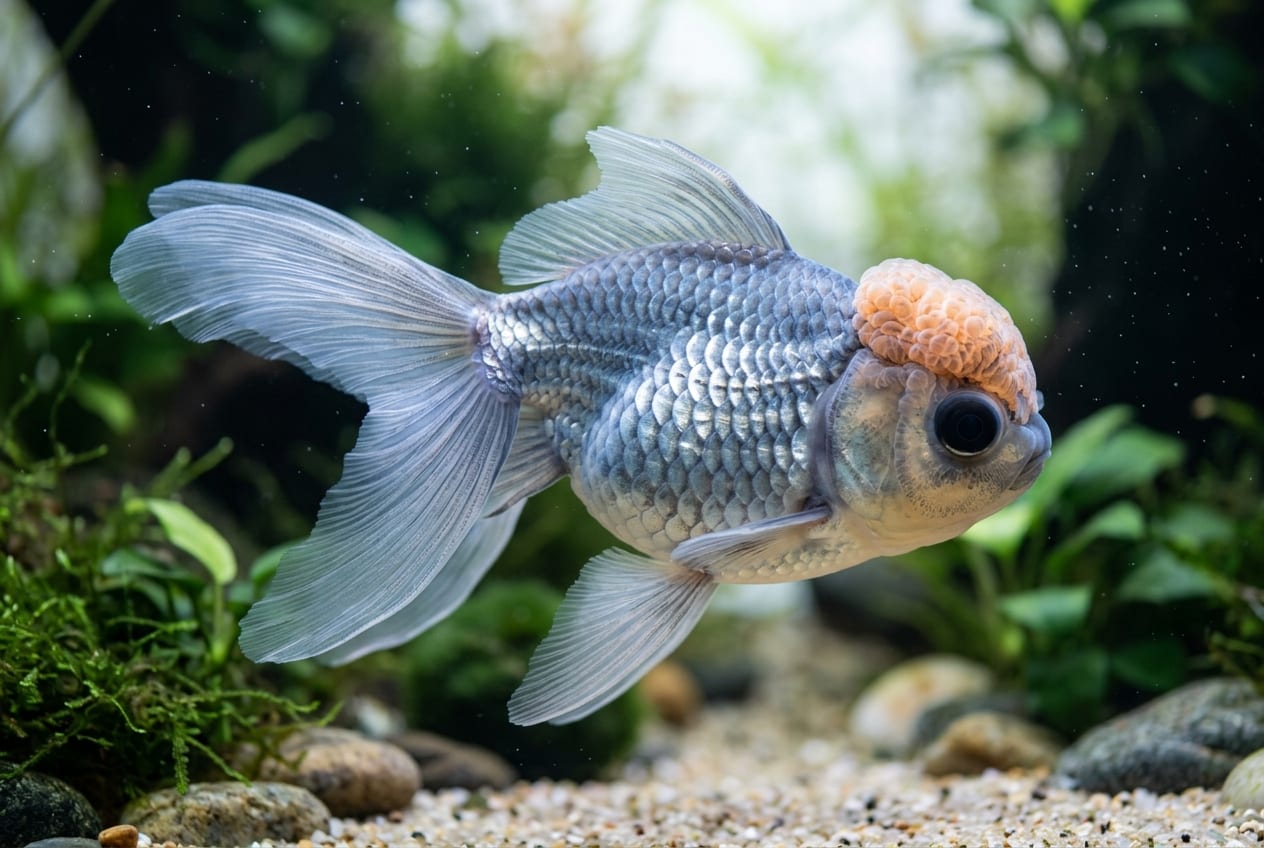
AI-generated image
Horyu
AdvancedCarassius auratus
A Japanese variety combining four traits: a blue-cast body, pearl scales, telescope eyes and head growth. An amateur breeder spent three decades fixing it, and it was first shown publicly at a 1994 competition.
Difficulty
Advanced
Temperature
15〜28℃
Lifespan
5-6 years
Diet
Prepared foods, frozen bloodworms
About
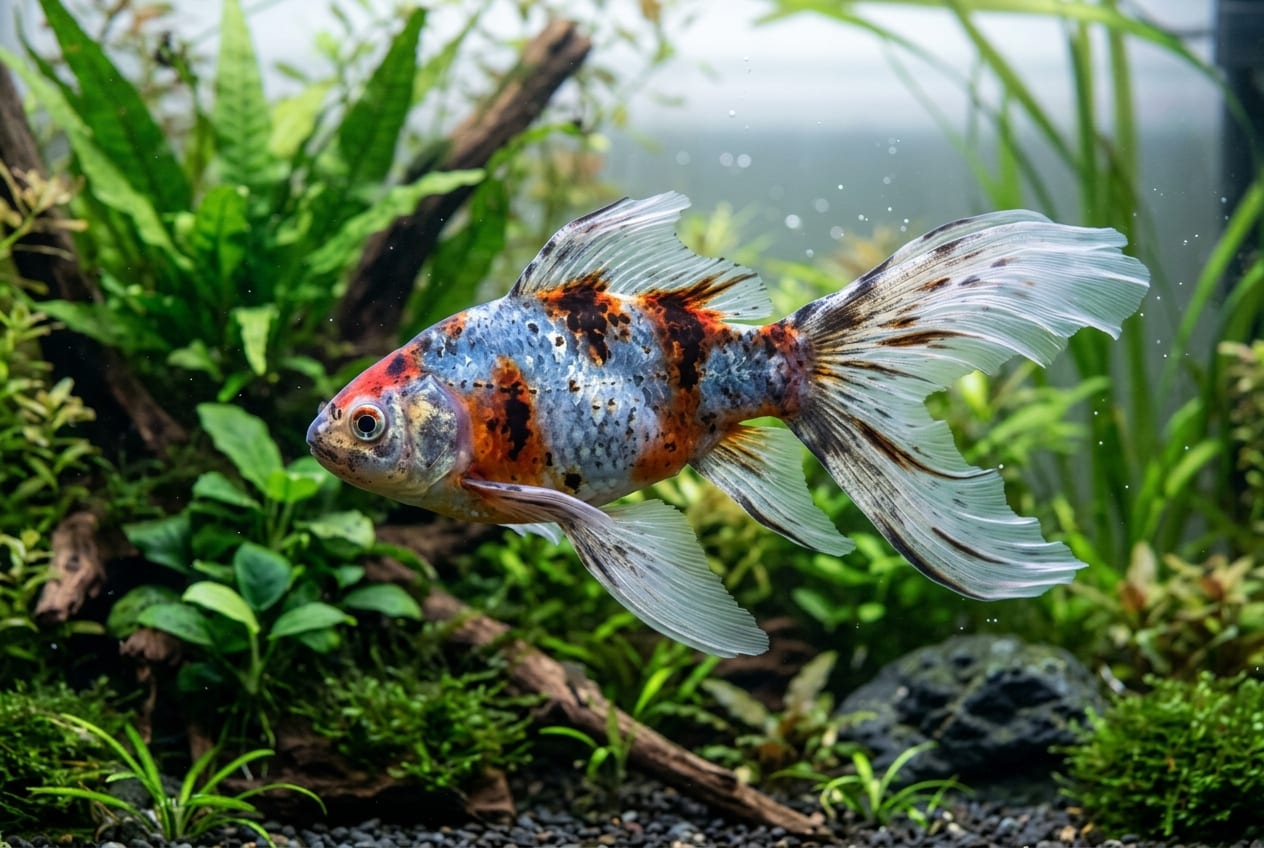
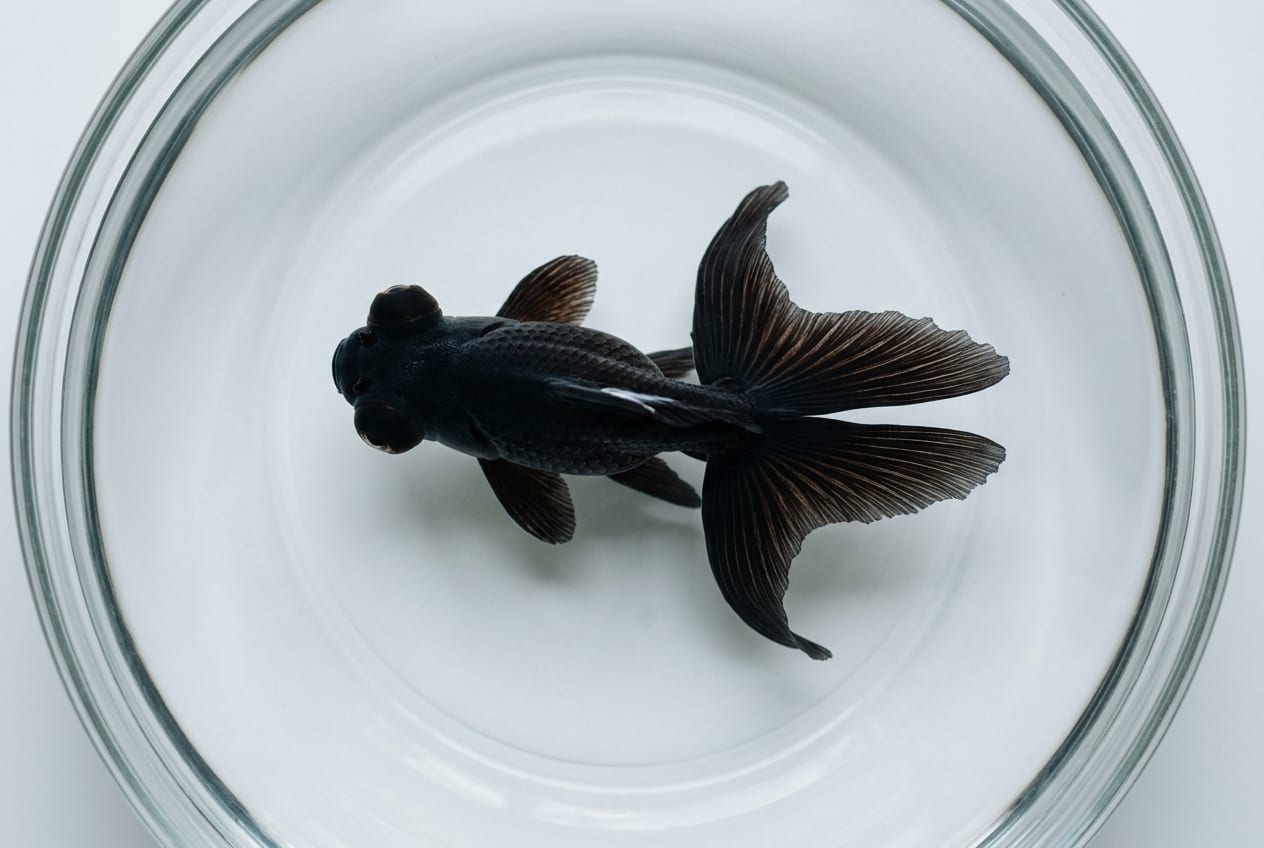
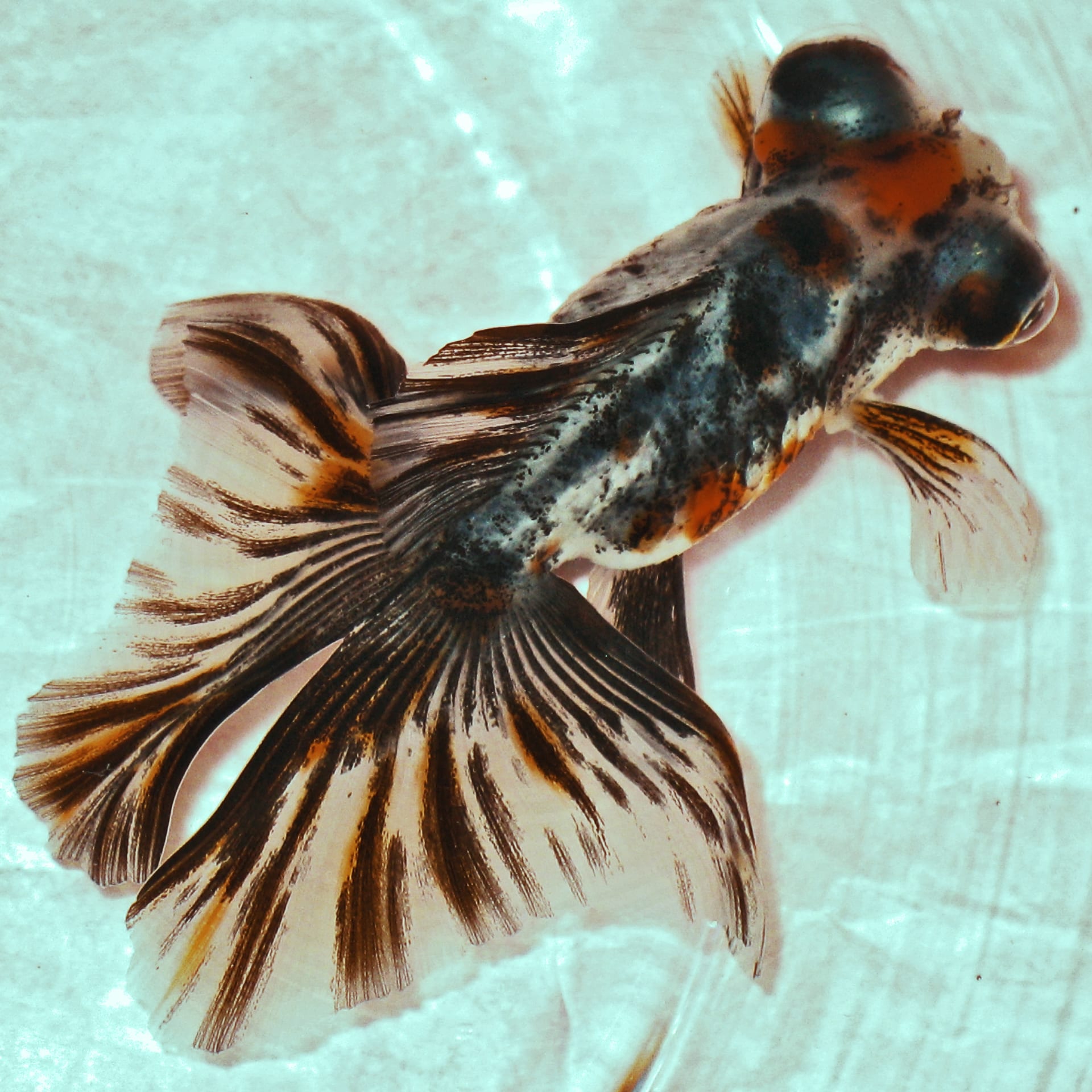
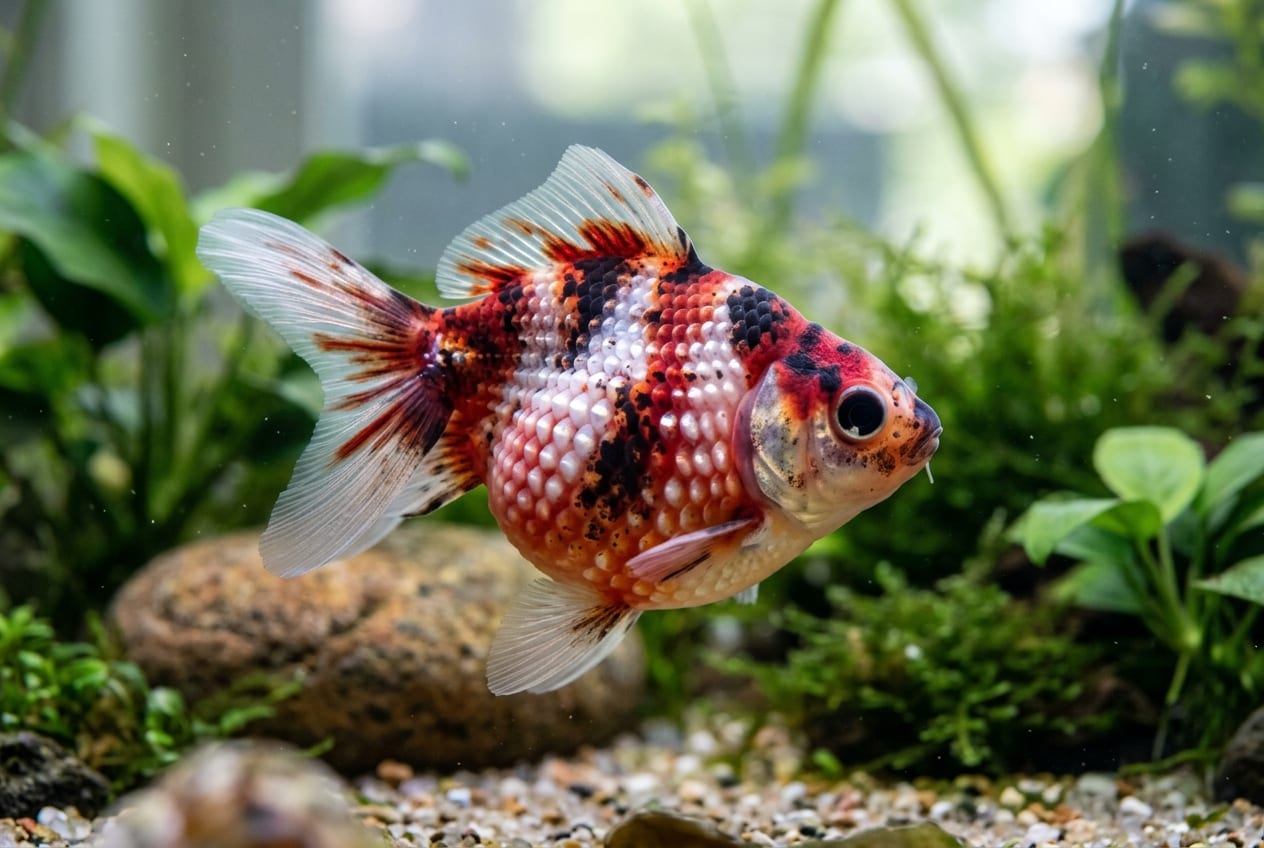
The horyu is a Japanese variety that gathers four traits in one fish: a blue-cast body, pearl scales, telescope eyes and head growth. It was created by Mr Sakaki, honorary chairman of the Horyu Aikoukai, who from 1968 worked from the ranryu seiga-chotogyo, a black-blue telescope-eyed oranda with head growth, crossing in a red-and-white crown pearl. It was first entered in competition at the inaugural Japan Number One Goldfish Show in 1994. The name joins Ako in Hyogo Prefecture, the breeder's home city, and the ear of rice, with the dragon of the ryugan telescope. The pairing of blue body colour with pearl scales is scarcely seen even in China. The association defines colour classes such as koryu, ranryu, saranryu, kokubyakuryu and hagoromoryu, and groups derived lines as kawari-ryu.
Source: Wikipedia (CC BY-SA 4.0)
Lifespan of the Horyu
The Horyu lives 5-6 years.
Temperature & humidity for the Horyu
The ideal temperature for the Horyu is 15〜28℃.
Basic Info
Origin
Japan; named after the breeder's home city in Hyogo Prefecture
Lifespan
5-6 years
Temperature
15〜28℃
Diet
Care Specifications
- pH
- 6–8
- Hardness (GH)
- 5–19 dGH
- Water Temp.
- 15–28℃
PeacefulGroupBreeding: Very hard
Sources: FishBase (Carassius auratus) / Keihan Nishikigoi Center: goldfish water management / Horyu Aikoukai: About the Horyu
Morphs (Varieties)
Goldfish varieties arose from fixed mutations and selective breeding, and body form, tail form, scale type, colour and head growth are all carried forward by selection over generations. Inheritance is therefore shown as line-bred throughout rather than split into dominant and recessive.
Line-bredEstablished by selective line breeding.
Blue (seibun) body colourPearl scaleTelescope eyeHead growth (wen)
Sources: Horyu Aikoukai: About the Horyu
A curated selection of notable morphs. Inheritance modes are a breeding-planning guide; actual appearance varies with combos.
References & Sources
Edited & verified by: BreederDirect editorial team
The taxonomic, regulatory, and husbandry data on this page are compiled and verified against the authoritative primary sources below.
Taxonomy & Authority
Accepted name: Carassius auratus (Linnaeus, 1758)
Breeder: 榊氏(穂竜愛好会名誉会長) (1994)
Parentage: 藍竜晴我鳥頭魚(黒青色のオランダ出目獅子頭)× 紅白高頭パール
Authority databases: FishBase · GBIF · Horyu Aikoukai: About the Horyu
Nomenclature follows global taxonomic authority databases.
Regulations & Conservation Status
Not CITES-listed
Sources: CITES Appendices (species not listed) / FishBase (Carassius auratus)
Regulations may change. Always verify the latest information with the relevant authorities.
Horyu Listings
Loading latest listingsFind listings for this species