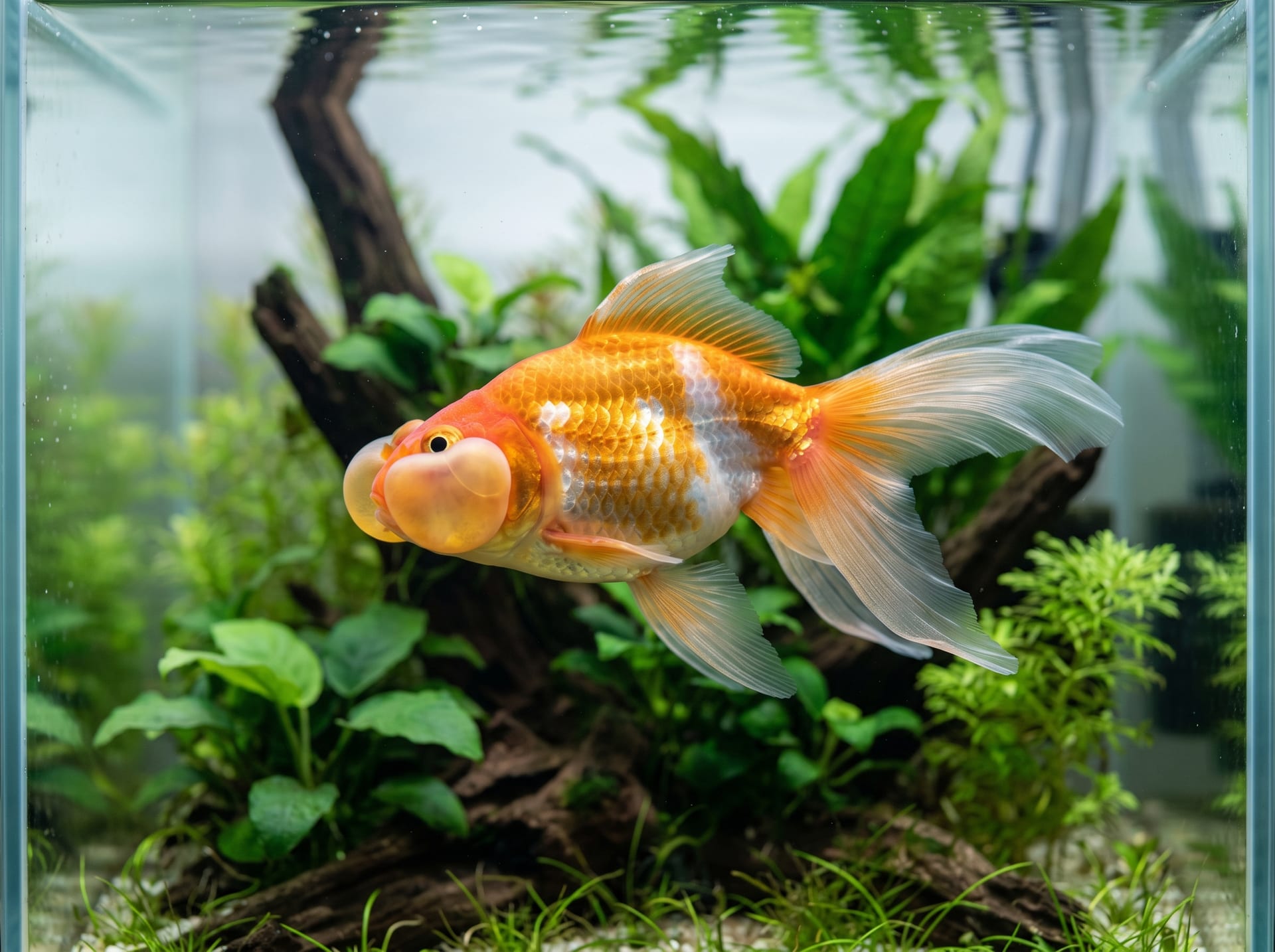
Bubble Eye
Distinctive goldfish with large fluid-filled sacs under eyes. Chinese-bred variety. Very delicate for experienced keepers.
View Bubble Eye encyclopedia →0% commission on your first sales!Register by September 30, 2026 and your first 2 sales are commission-free!
Breeder Wanted!
List on BreederDirect and sell directly to customers nationwide!
6 Transparency Commitments from Br-Choku
All Goldfish listings from Breeder include the following details. We guarantee transparency in lineage (Yamato/Yatomi/Edo) and competition awards.
- Lineage
- Real Photos
- Breeder Lineage
- Award History
- Competition History
- Age Stated
Browse all 61 breeds
Care Difficulty
No listings match your filters
Adjust your filters, or get notified when new listings arrive.
Getting alerts is free with a member account. When new listings match your saved search, we'll notify you by email and in-app.
Browse other categories
Verified breeders (preview)
Bubble Eye key facts
- Care level
- Advanced
- Lifespan
- 5-10 years
- Size
- 10-15cm
- Diet
- Goldfish pellets (sinking type)
- Tank
- Simple layout without obstacles
- Housing
- Keep only with its own kind, no other varieties, and with almost no water flow. Use fine, rounded gravel or a bare-bottom tank.
- Water Temperature & Quality
- A slightly warm 20-26°C is recommended; avoid sudden temperature swings. Keep the water clean and match temperatures when changing water.
- Diet & Feeding
- To avoid damaging the sacs, feed carefully with tweezers or give a suitable amount of sinking food. Remove leftovers as they foul the water.
- Filter
- Sponge filter to prevent suction
- Notes
- Sacs regrow if popped but never reach original size
About Bubble Eye
The Bubble Eye goldfish has been selectively bred in China since at least the Qing Dynasty, making it one of the most historically distinctive varieties in the hobby. Its defining feature is the pair of large, fluid-filled sacs beneath each eye, containing lymphatic fluid that grows more pronounced as the fish matures. Combined with its rounded, dorsalfin-less body, this gives the Bubble Eye a uniquely ethereal, drifting quality in the water. In terms of temperament, Bubble Eyes are calm and can become accustomed to their keeper over time, though their downward-limited field of vision sometimes makes locating food a challenge. The greatest reward of keeping this variety lies in successfully maintaining its extraordinary appearance over the long term. Because these fish are genuinely delicate, the satisfaction of raising a healthy, thriving Bubble Eye in a well-managed aquarium is deeply fulfilling for dedicated fishkeepers.
7 things to know before welcoming a Bubble Eye
1Sacs Are Fragile
The fluid sacs are covered by thin membranes that rupture easily against sharp décor or exposed intake tubes. Keep the tank free of pointed objects, rocks with jagged edges, and unguarded filter inlets. A torn sac can heal on its own, but the risk of secondary infection rises significantly.
2Choose a Gentle Filter
Strong currents exhaust Bubble Eyes and increase the chance of sac damage. Use a sponge filter or an external filter with a throttled flow rate to keep water movement gentle. Always fit intake strainers with a fine sponge cover so the delicate sacs cannot be drawn in.
3Very Limited Vision
The oversized sacs obstruct the fish's field of view, making Bubble Eyes one of the poorest-sighted goldfish varieties. When housed with faster swimmers, they often lose out at feeding time. Keep them alone or with equally slow-moving breeds such as other Bubble Eyes or Ranchu.
4Use Sinking Pellets
Surface feeding causes Bubble Eyes to gulp air, raising the risk of swim bladder issues. Feed a sinking goldfish pellet as the staple diet and avoid flake or floating foods. Offer two to three small meals per day, remove uneaten food within five minutes, and keep portion sizes modest.
5Stable Water Is Essential
Aim for a stable water temperature of 18–24°C; sudden shifts stress the fish and suppress immunity. Perform partial water changes of 20–30% about once a week to keep ammonia and nitrite at zero and nitrate low. Poor water quality is a leading cause of sac inflammation and infection, so test regularly with a reliable kit.
6Provide Ample Space
Adults reach 10–15 cm, so plan for at least 40–60 litres per fish. Cramped conditions accelerate water quality decline and limit swimming space, causing chronic stress. If using substrate, choose fine, smooth sand with no sharp edges that could snag the sacs.
7Cost Expectations
Bubble Eyes are a specialty breed, and prices per fish can range from a few thousand to tens of thousands of yen depending on quality and lineage. Beyond the initial setup—tank, filter, heater, and sponge covers—budget for ongoing costs such as food, water-testing supplies, and electricity. Setting aside a small reserve for veterinary or treatment expenses is also advisable.
Frequently asked questions about Bubble Eye
- Q.What should I do if a bubble sac tears?
- A.Minor tears often heal on their own when water quality is kept clean. A 0.3–0.5% salt bath is a commonly used supportive measure to reduce infection risk. For deeper wounds or persistent clouding and bleeding, consulting a veterinarian experienced with fish is advisable.
- Q.Can beginners keep Bubble Eye goldfish?
- A.Bubble Eyes are generally recommended for keepers who already have some experience managing goldfish tanks. Starting with a hardier variety to learn water quality maintenance before transitioning to Bubble Eyes is the best approach for the fish's wellbeing. With the right setup in place, day-to-day care is manageable rather than extremely difficult.
- Q.Can they be kept in a standard aquarium?
- A.Standard goldfish aquariums work fine, but interior decoration requires careful consideration. Remove any sharp-edged driftwood, rocks, or spiked plants, and always fit a sponge cover over filter intakes. A minimalist aquascape is genuinely the safest choice for Bubble Eyes.
- Q.How long do Bubble Eye goldfish live?
- A.With proper care, Bubble Eyes can live for 5 to 10 years. Stable water quality, appropriate feeding, and a low-stress environment directly influence longevity. As with goldfish in general, attentive care often produces individuals that live well within or beyond this range.
- Q.Is bubble sac size inherited?
- A.Yes, bubble sac size and shape are strongly influenced by genetics, with offspring typically inheriting the traits of the parent fish. However, water temperature, nutrition, and overall husbandry also affect how the sacs develop. Checking photos or lineage of the parent fish when purchasing can help you anticipate how your fish will look at maturity.
Useful tools for Bubble Eye care
Learn more about Bubble Eye in the encyclopedia
View Bubble Eye encyclopedia entry →
Care difficulty, lifespan, size and diet — all basics covered.
Bubble Eye related articles
See more Bubble Eye articles →More in this category
Can't find the one you're looking for?
Post your wishes for free and breeders with matching animals will contact you with introductions.