Source: Wikimedia Commons
Steppe Lemming
IntermediateLagurus lagurus
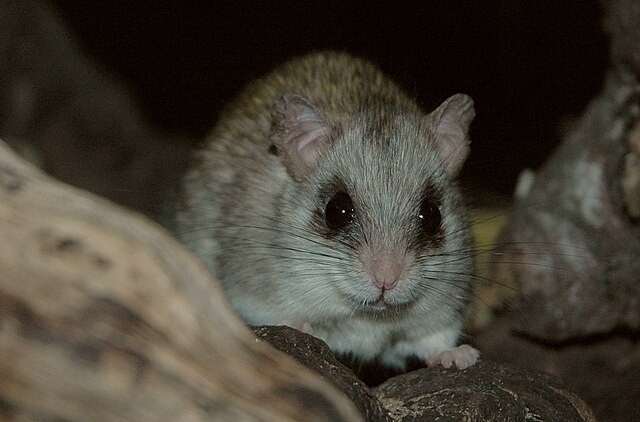
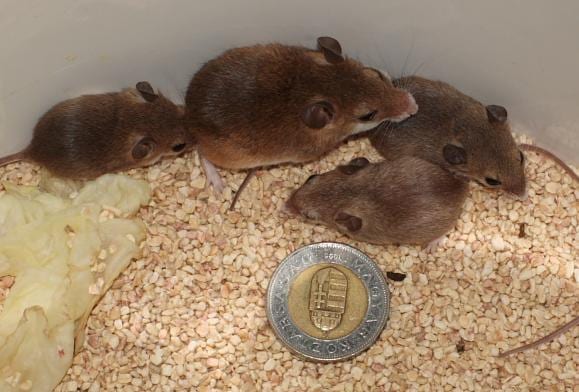
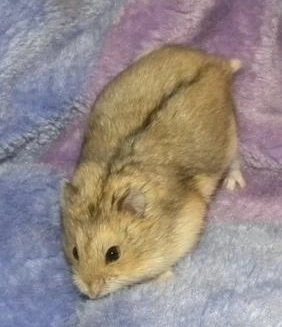
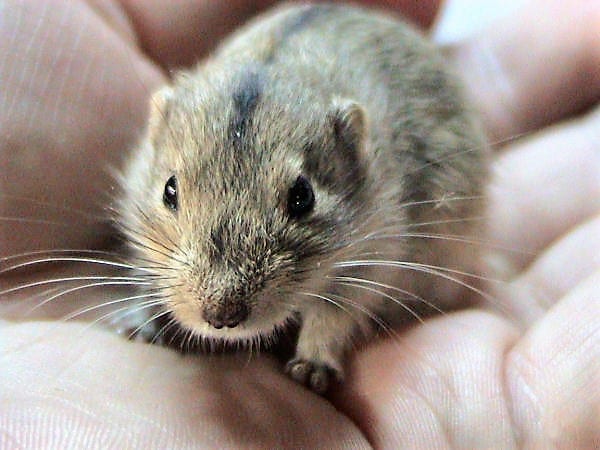
A small grey-brown vole with a distinct black dorsal stripe. About 8-12 cm and 30 g, it lives in colonies and should not be kept alone; it is sugar-sensitive and needs sugar-free food and hay.
Difficulty
Intermediate
Temperature
18〜26℃
Lifespan
2-3 years (in captivity)
Size
8-12cm, 22-35g
Humidity
40〜60%
Diet
Grass hay, leafy greens, sugar-free rodent food
About
The steppe lemming is a small vole of the family Cricetidae (subfamily Arvicolinae) described by Pallas in 1773, ranging over steppe, forest-steppe and semi-desert from Ukraine through the Urals, Kazakhstan and Siberia to western Mongolia and north-west China. The grey-brown coat carries a black stripe down the back, and the animal is plump with small ears and eyes. In the wild it digs burrows and lives in colonies, being most active at dusk and dawn. It feeds on shoots, leaves and seeds and breeds prolifically: sexually mature at six weeks, with up to six litters a year of five or six young. Most wild animals live under a year, but captive animals live over two years, with a record of 3.8 years. It is the most common pet vole in Europe, ideally kept in groups of three to eight with no more than one male per two or three females. Its sugar metabolism is poor, and foods containing sugar, molasses or dried fruit can make it ill or kill it. In Japan it is stocked continuously by small-animal specialists and large pet shops.
Source: Wikipedia (CC BY-SA 4.0)
Lifespan of the Steppe Lemming
The Steppe Lemming lives 2-3 years (in captivity).
Size of the Steppe Lemming
The Steppe Lemming grows to 8-12cm, 22-35g.
It measures 8-12 cm with a tail of only 1-2 cm and weighs about 22-35 g depending on season.
Basic Info
Origin
Ukraine to Kazakhstan, Siberia, western Mongolia and north-west China
Lifespan
2-3 years (in captivity)
Care Specifications
Group
Sources: Wikipedia (Steppe lemming) / Animal Diversity Web
References & Sources
Edited & verified by: BreederDirect editorial team
The taxonomic, regulatory, and husbandry data on this page are compiled and verified against the authoritative primary sources below.
Taxonomy & Authority
Accepted name: Lagurus lagurus (Pallas, 1773)
Authority databases: GBIF
Nomenclature follows global taxonomic authority databases.
Regulations & Conservation Status
Not CITES-listedIUCN LC · Least Concern
Domestic law: 感染症法に基づく動物の輸入届出制度の対象(げっ歯目)。
Sources: CITES Appendices (species not listed) / IUCN Red List / MHLW Animal Import Notification System
Regulations may change. Always verify the latest information with the relevant authorities.
Steppe Lemming Listings
Loading latest listingsFind listings for this species