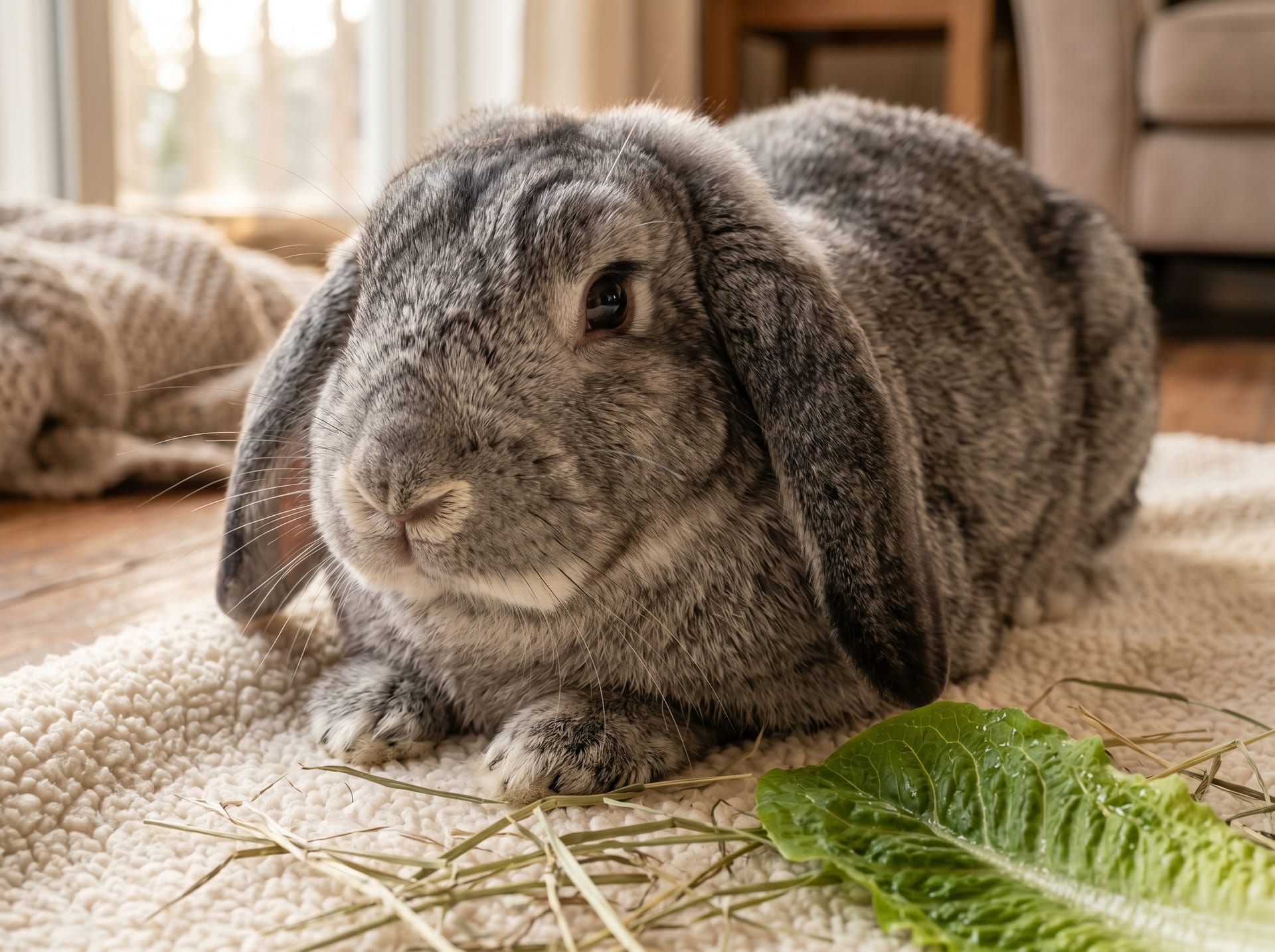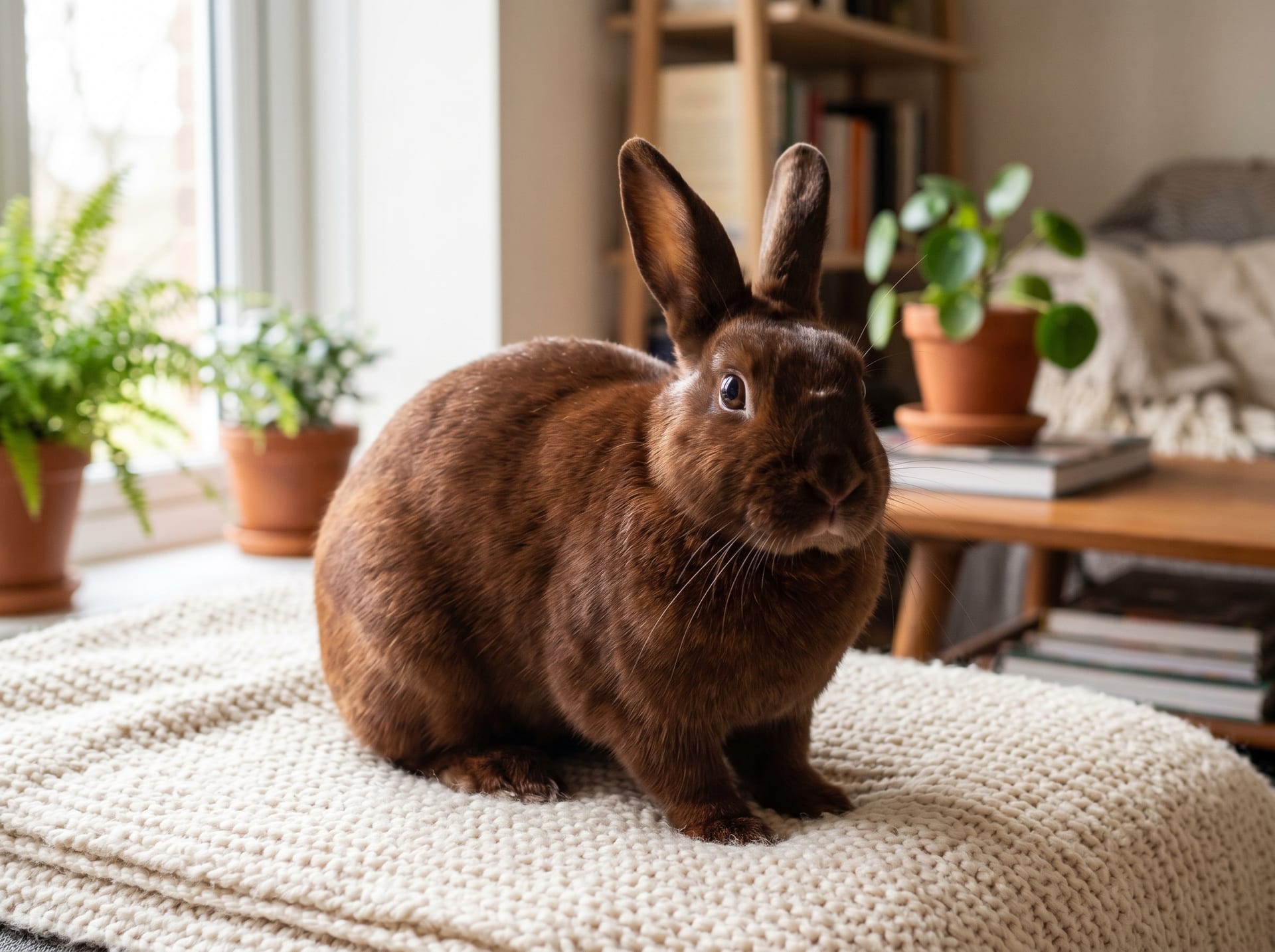
AI-generated image
Satin Rabbit
IntermediateOryctolagus cuniculus
Known for its uniquely lustrous coat with a satin-like sheen due to a special hair shaft structure. Gentle temperament, popular for showing.
Difficulty
Intermediate
Temperature
18〜26℃
Lifespan
5-8 years
Size
40-50cm / 3.5-5kg
Humidity
40〜60%
Diet
Timothy hay, rabbit pellets, vegetables
About
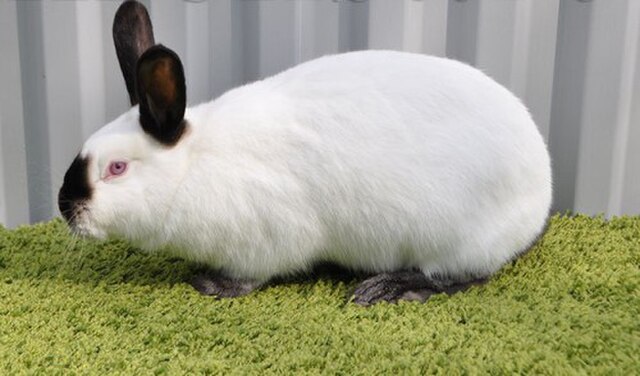
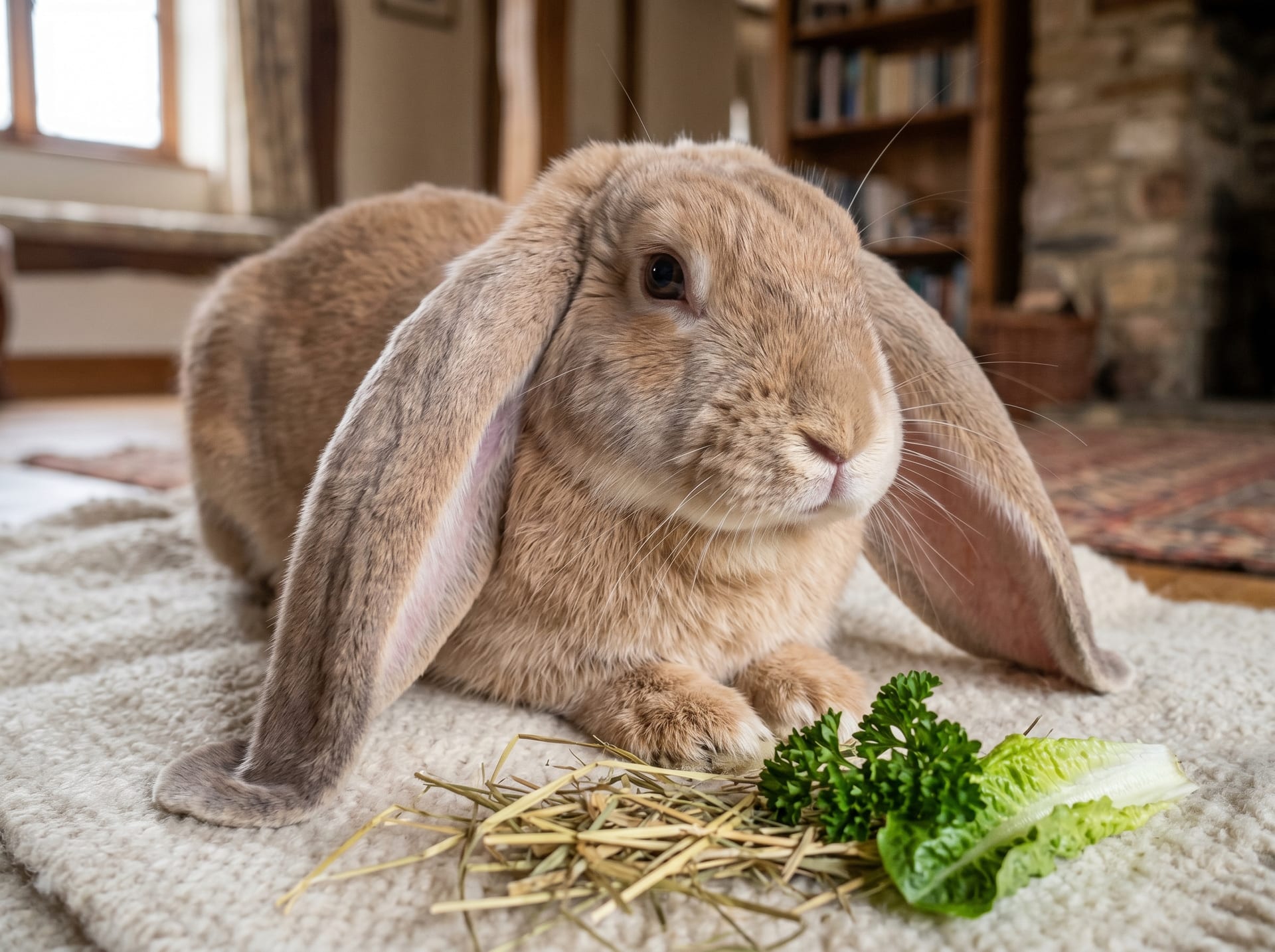
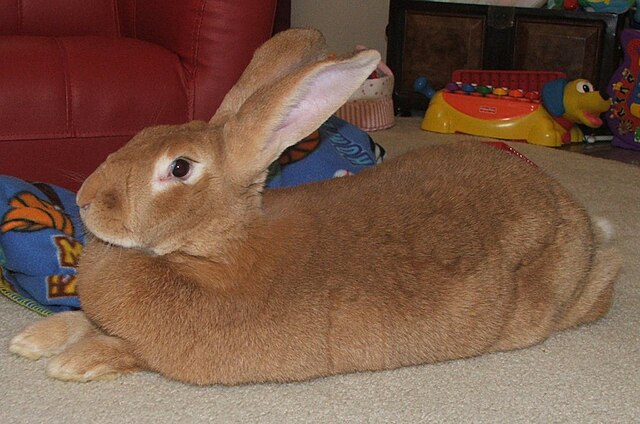
The Satin rabbit is a medium-to-large breed developed in the United States in the 1930s following the discovery of a spontaneous mutation—the satin gene—that alters the structure of the hair shaft. Adults measure 40–50 cm and weigh 3.5–5 kg. The satin gene causes the hair cortex to become translucent and hollow, producing an extraordinary sheen that reflects light with a deep, lustrous, satin-like quality unlike any other rabbit breed. This distinctive coat sheen is the breed's primary appeal, and it appears across numerous color varieties. Coat maintenance involves brushing 2–3 times per week; moisture and wet environments should be avoided as they diminish the characteristic gloss. Their temperament is generally gentle and trainable. Housing should be appropriately sized (minimum 70 cm width) for their medium-to-large frame. Diet consists of unlimited timothy hay, pellets, and fresh vegetables. Common health concerns include malocclusion, GI stasis, and sore hocks. Lifespan is 5–8 years.
Basic Info
Origin
United States
Lifespan
5-8 years
Size
40-50cm / 3.5-5kg
Temperature
18〜26℃
Humidity
40〜60%
Diet
Timothy hay, rabbit pellets, vegetables
Care Guide
Coat Care
Care Specifications
Pair
Sources: RWAF Rabbit companionship
Morphs (Varieties)
ARBA 公認 Satin のカラー variety。satin 被毛(透明感ある毛幹)は劣性形質。
Other
BlackBlueChinchillaChocolateCopperHimalayanOtterRedSiameseWhiteBroken
Sources: ARBA Recognized Breeds and Varieties
A curated selection of notable morphs. Inheritance modes are a breeding-planning guide; actual appearance varies with combos.
References & Sources
Edited & verified by: br-choku editorial team
The taxonomic, regulatory, and husbandry data on this page are compiled and verified against the authoritative primary sources below.
Taxonomy & Authority
Accepted name: Oryctolagus cuniculus (Linnaeus, 1758)
Authority databases: GBIF
Nomenclature follows global taxonomic authority databases.
Regulations & Conservation Status
Not CITES-listed
Sources: CITES Appendices / 環境省 特定外来生物一覧
Regulations may change. Always verify the latest information with the relevant authorities.
Satin Rabbit Listings
Loading latest listingsFind listings for this species