Rabbit Breed Selection Guide | Comparing Netherland Dwarf, Holland Lop, and Rex
Comparing the characteristics, temperament, and care difficulty of popular rabbit breeds. From the Netherland Dwarf ideal for beginners, to the calm Holland Lop, and the large Flemish Giant, we provide a detailed introduction to the differences among breeds.
Key Takeaways
Comparing the characteristics, temperament, and care difficulty of popular rabbit breeds. From the Netherland Dwarf ideal for beginners, to the calm Holland Lop, and the large Flemish Giant, we provide a detailed introduction to the differences among breeds.
Related Species
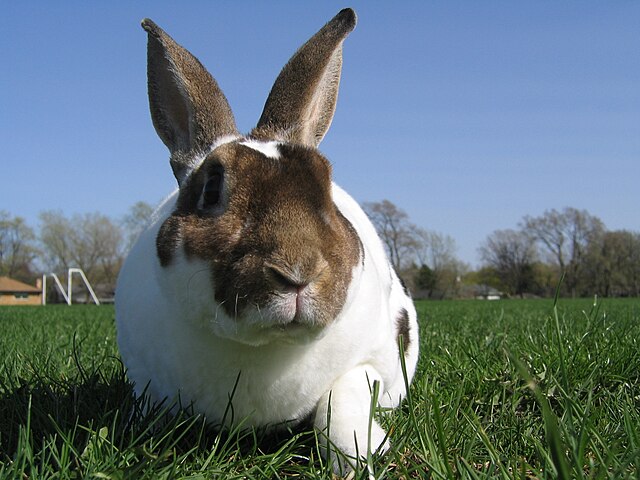
Rabbit Breed Selection: Think About "Temperament," "Size," and "Care Requirements"
Over 50 rabbit breeds exist worldwide, ranging from miniature sizes weighing less than 1kg to large breeds weighing over 8kg, with remarkably different appearances, sizes, and temperaments. Choosing a rabbit based solely on cuteness can often lead to a mismatch with your lifestyle. Since you'll be caring for a rabbit for 8–12 years, it's important to thoroughly understand the characteristics of each breed before making a purchase.
The main criteria for selecting a breed are four: "body size," "ear shape," "coat length and grooming requirements," and "temperament tendencies." Additionally, your living space, family composition, and prior rabbit experience are important factors to consider.
Netherland Dwarf: World's Smallest and Most Popular
Weight: 0.9–1.2kg Ear shape: Short, erect small ears Coat length: Short
The Netherland Dwarf, known as one of the world's smallest rabbit breeds, is characterized by a round face and short ears, and enjoys high popularity in Japan for its plush, teddy-bear-like charm.
Most Netherland Dwarfs are curious and energetic, playful and active. However, they can be somewhat nervous and are prone to stress from environmental changes until they become accustomed to their surroundings. They tend to be better suited to calm adult owners rather than children.
A concern specific to dwarf body types is the risk of "malocclusion." Due to their short jaws, their teeth don't align properly and continue to grow, which can cause loss of appetite and oral injuries. Prevent this by regularly checking their teeth and providing plenty of fiber-rich hay.
Holland Lop: The Healing Power of Floppy Ears
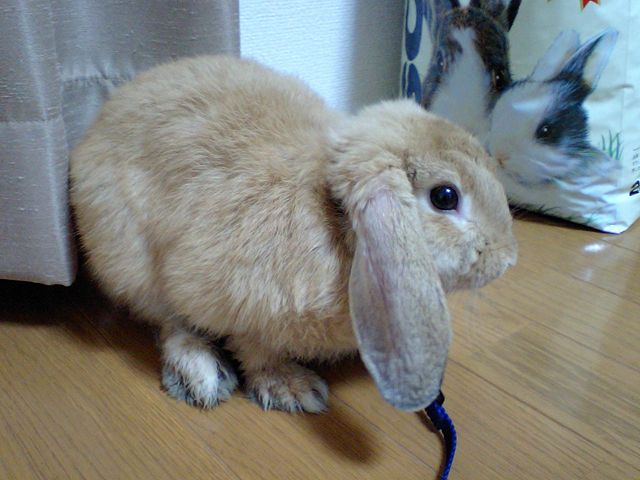
Weight: 0.9–2.0kg Ear shape: Drooping small ears (lop ears) Coat length: Short to medium
The Holland Lop, with its soft floppy ears and round body, is beloved by many enthusiasts for its cuteness. They are generally calm and friendly, and many enjoy being held. They easily adapt to families, making them recommended for first-time rabbit owners and households with children.
However, due to their floppy ear structure, moisture can accumulate inside the ears and lead to ear infections. It's important to check their ears once or twice a week for dark earwax or odor. Additionally, lop-eared breeds share the same malocclusion risk as Netherland Dwarfs, so diet centered on hay is important.
Rex: Mid-Sized Breed with Velvet-Like Coat
Weight: 3.5–4.5kg Ear shape: Erect medium-sized ears Coat length: Ultra-short (approximately 1.3cm)
The greatest appeal of the Rex is its coat. The smooth, ultra-short hair—compared to velvet or fine suede—captivates people the moment they touch it. Because the hair is short and sheds minimally, grooming requires far less effort than other breeds, making them suitable for those concerned about allergies.
Their temperament is calm, with a solid presence while remaining friendly. They require a larger cage and exercise space, but you'll enjoy holding their substantial weight. They're ideal for those who want to minimize coat care while slowly raising a medium-sized rabbit.
Flemish Giant: Dog-Like Large Rabbit
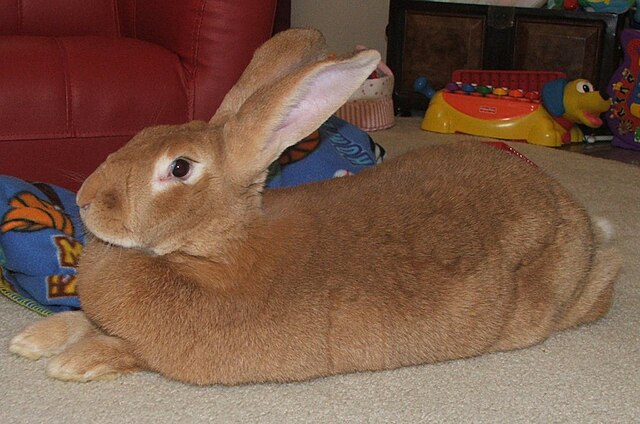
Weight: 5–8kg or more Ear shape: Long, wide erect ears Coat length: Short to medium
The Flemish Giant, known as the world's largest rabbit breed, can reach body lengths of 70–80cm. They're so calm and obedient they're described as having a "dog-like personality," memorizing their names, responding to calls, and enjoying relaxing beside their owners.
Raising them requires ample living space and a large cage, and you should be prepared for food and veterinary costs double or more than small breeds. In return, the Flemish Giant's overwhelming presence and deep bond make it worthwhile. This is a breed for intermediate to advanced owners with prior experience.
Personality Differences Between Males and Females, and Neutering/Spaying
In addition to breed, personality and health risks vary by sex.
Males have a strong territorial instinct and may display urine spraying (marking) or aggressive behavior when mature. Neutering significantly reduces these behavioral problems and tends to result in a calmer, more sociable personality.
Females may experience aggression due to pseudo-pregnancy or hormonal influences. Furthermore, unspayed does have an extremely high risk of developing uterine adenocarcinoma after age 5, and spaying is recommended for long-term health maintenance.
Summary: See the Rabbit in Person at a Breeder Before Deciding
Rabbit breed selection should consider not only appearance preference but also size, temperament, care requirements, living space, and family composition comprehensively.
| Breed | Size | Temperament | Care Requirements | Best For |
|---|---|---|---|---|
| Netherland Dwarf | Ultra-small | Active, curious | Teeth checks needed | Solo living, adults |
| Holland Lop | Small to medium | Calm, friendly | Ear care needed | Beginners, families |
| Rex | Medium | Calm, gentle | Minimal | Those who dislike grooming |
| Flemish Giant | Large | Obedient, dog-like | Space and cost intensive | Experienced owners, spacious homes |
By getting your rabbit from a breeder rather than a pet shop, you can check the parents' personalities and upbringing, with greater transparency in health status. We strongly recommend interacting with the individual rabbit in person and assessing its reaction and familiarity with people before making your decision.