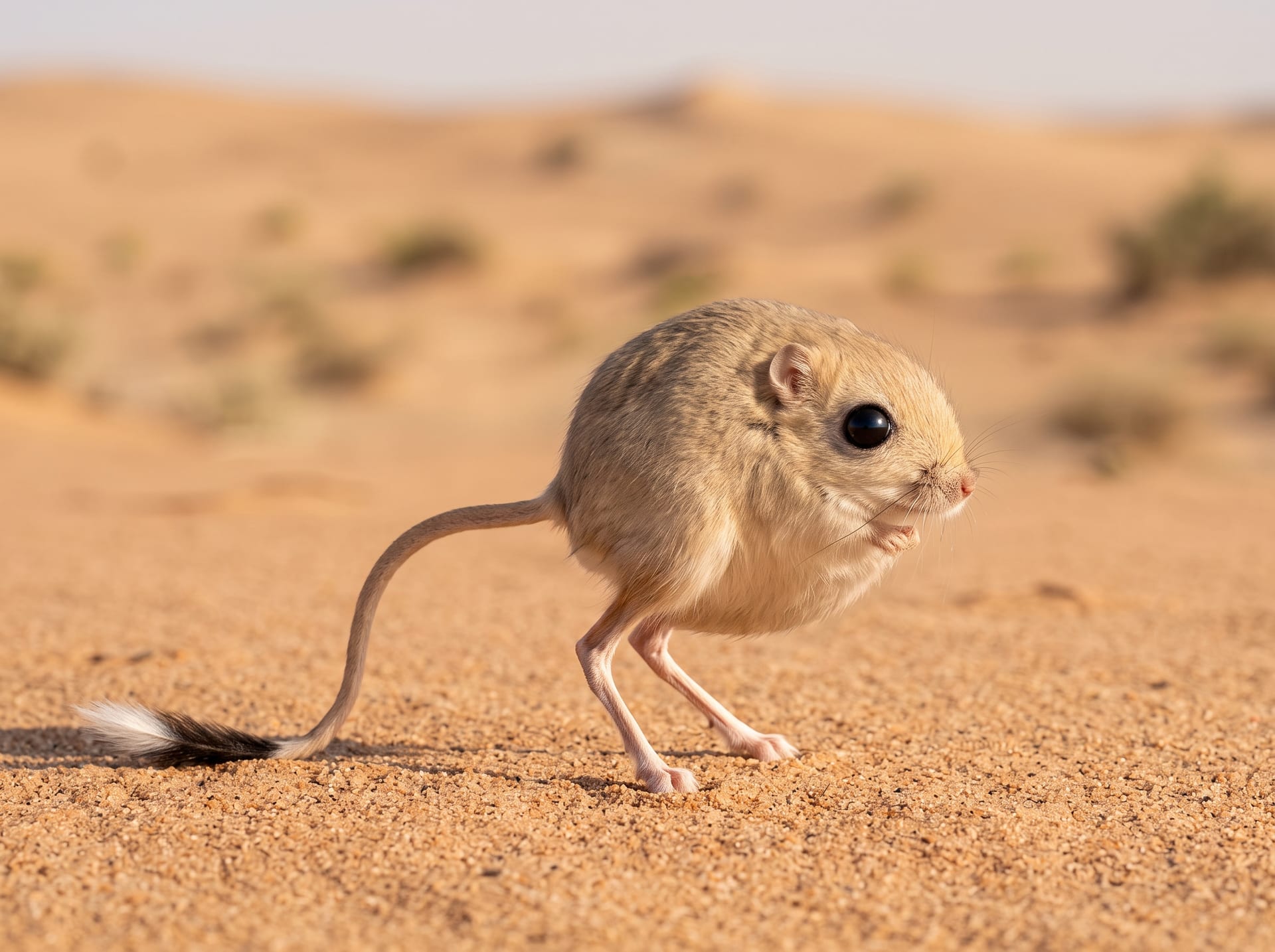
AI-generated image
Baluchistan Pygmy Jerboa
AdvancedSalpingotulus michaelis
One of the world's smallest rodents, about 4 cm long and 3 g in weight. Endemic to the deserts of Pakistan, it hops on long hind legs. Husbandry data are scarce, so it is for advanced keepers.
Difficulty
Advanced
Temperature
18〜26℃
Lifespan
Up to 3 years (in captivity)
Size
Head-body about 4.3cm / tail about 8cm / about 3.2g (adult female)
Humidity
40〜60%
Diet
Small seeds, succulent leaves and vegetables, small amounts of insects
About
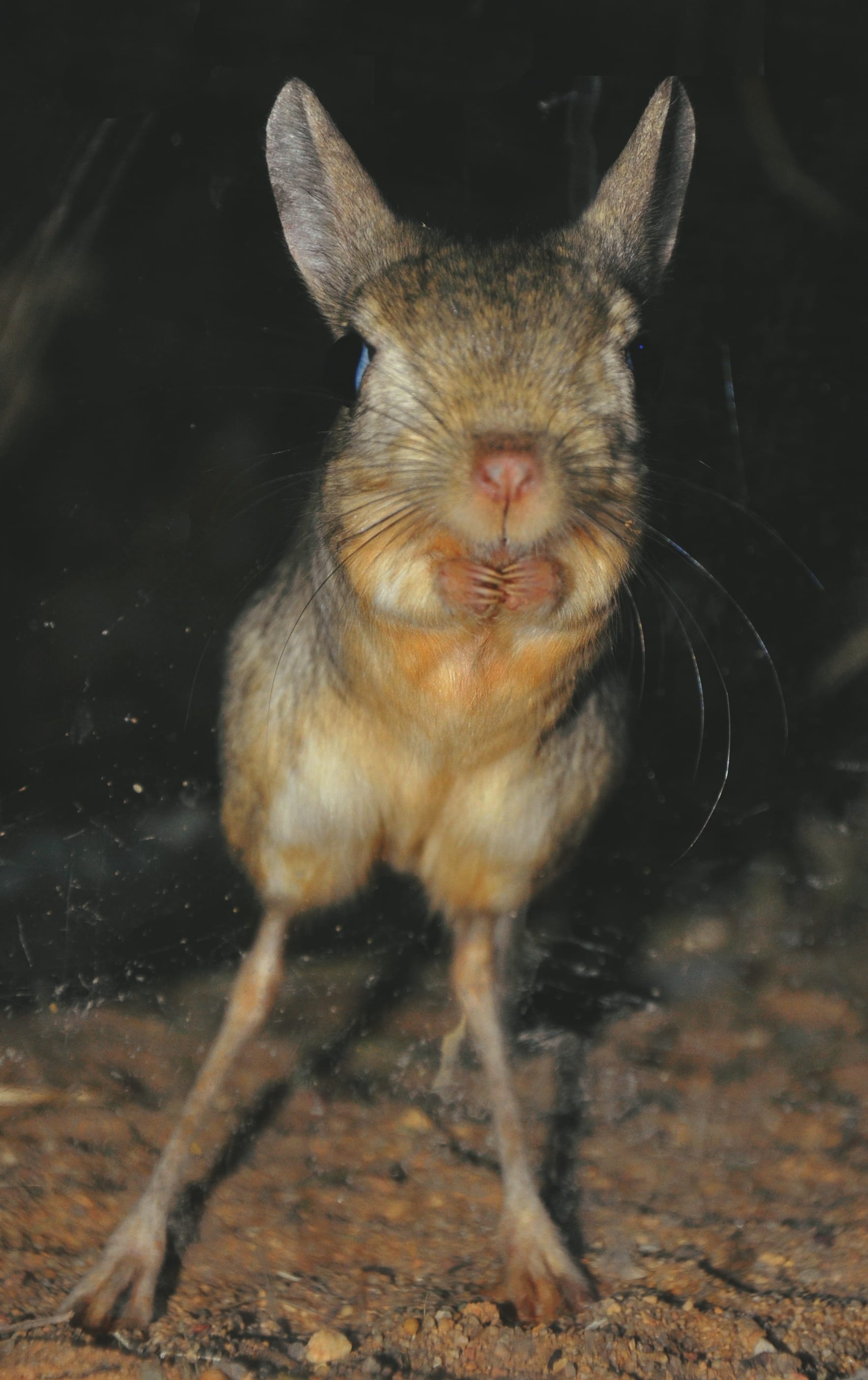
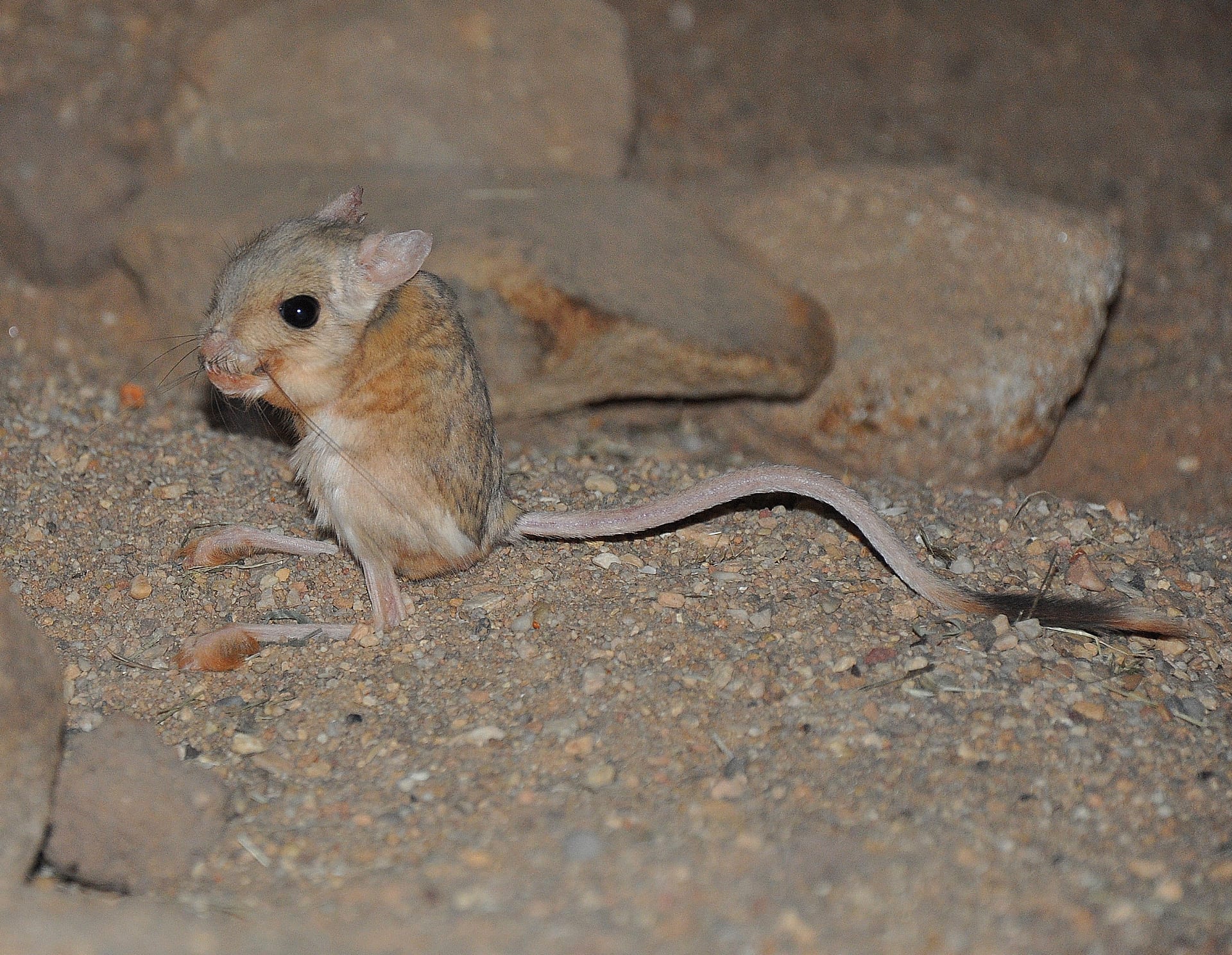
The Baluchistan pygmy jerboa is the only species of the monotypic jerboa genus Salpingotulus. It is considered endemic to the hot deserts of Balochistan, Pakistan, and may also occur in Afghanistan, inhabiting sand dunes, gravel flats and plains. It moves by hopping on long hind legs, balancing with the long tail. It is omnivorous, eating wind-blown seeds and the succulent leaves of desert plants as well as carcasses of other rodents and lizards. Two to four blind, naked young are born in spring and summer, normally no more than two litters a year. The IUCN lists it as Data Deficient. A few animals have been imported to Japan in the past, but its tiny size, need for a hot dry environment and the lack of captive experience make it an advanced species.
Source: Wikipedia (CC BY-SA 4.0)
Lifespan of the Baluchistan Pygmy Jerboa
The Baluchistan Pygmy Jerboa lives Up to 3 years (in captivity).
Maximum lifespan is 2.5 years in the wild and 3 years in captivity.
Size of the Baluchistan Pygmy Jerboa
The Baluchistan Pygmy Jerboa grows to Head-body about 4.3cm / tail about 8cm / about 3.2g (adult female).
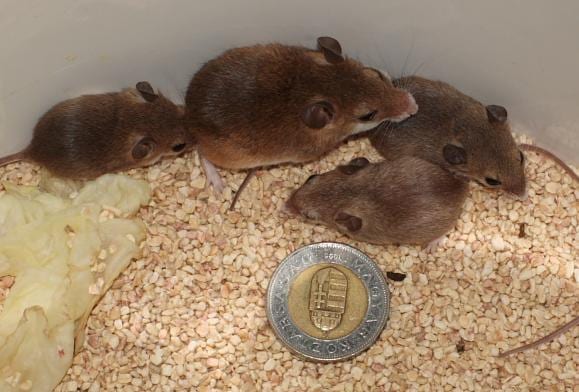
Adults average only 4.3 cm in head-body length with a tail averaging 8 cm; adult females weigh 3.2 g and newborns just 0.48 g, making it one of the smallest rodents in the world.
Basic Info
Origin
Pakistan (Balochistan); possibly Afghanistan
Lifespan
Up to 3 years (in captivity)
Care Specifications
References & Sources
Edited & verified by: BreederDirect editorial team
The taxonomic, regulatory, and husbandry data on this page are compiled and verified against the authoritative primary sources below.
Taxonomy & Authority
Accepted name: Salpingotulus michaelis (Fitzgibbon, 1966)
Synonyms: Salpingotus michaelis
Authority databases: GBIF
Nomenclature follows global taxonomic authority databases.
Regulations & Conservation Status
Not CITES-listedIUCN DD · Data Deficient
Sources: CITES Appendices (species not listed) / IUCN Red List Salpingotulus michaelis
Regulations may change. Always verify the latest information with the relevant authorities.
Baluchistan Pygmy Jerboa Listings
Loading latest listingsFind listings for this species