Source: Wikimedia Commons
Long-eared Hedgehog
AdvancedHemiechinus auritus
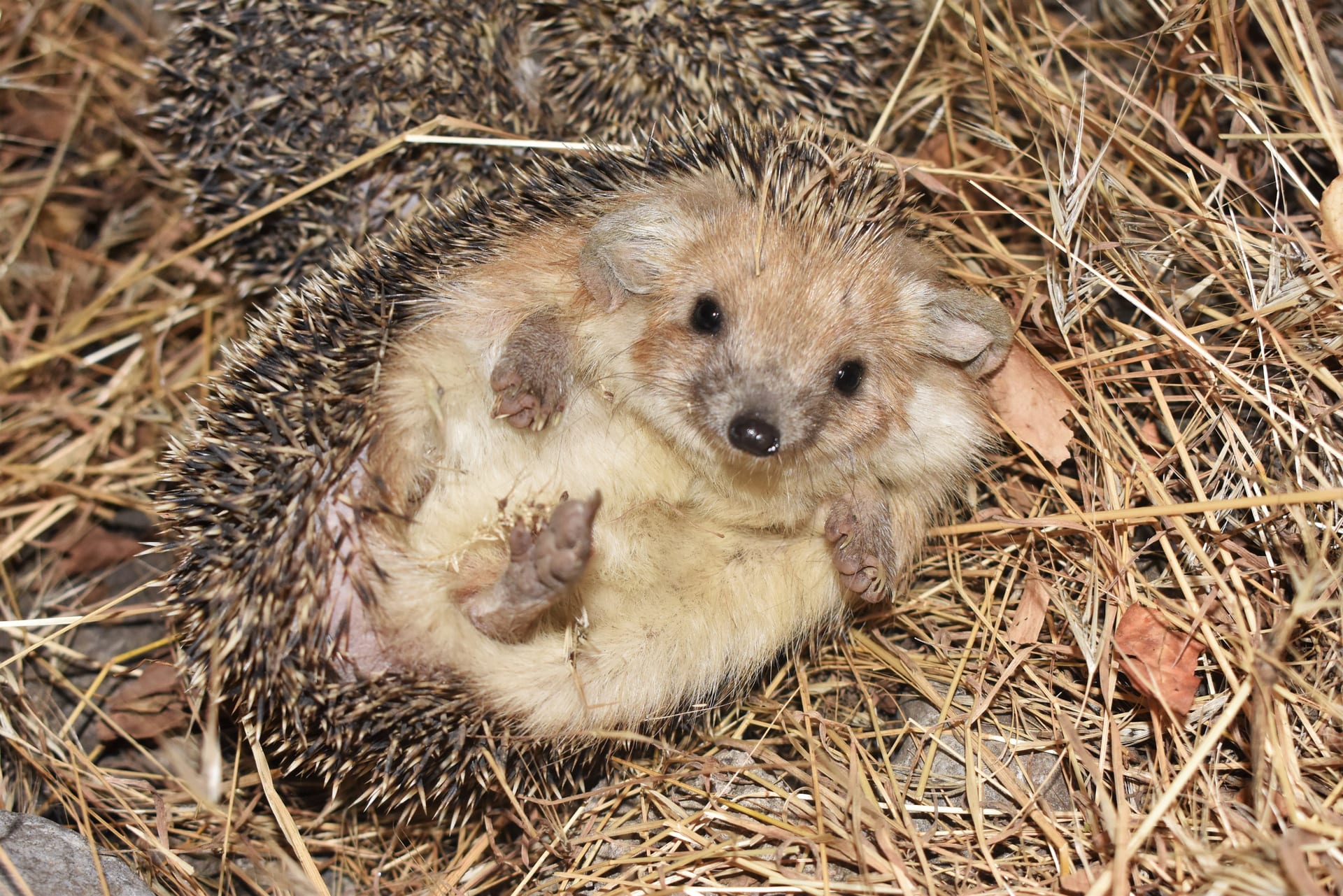
A hedgehog of the arid lands from the Middle East to Central Asia, with strikingly large ears. More active and faster-running than the four-toed hedgehog, and harder to keep.
Difficulty
Advanced
Temperature
18〜26℃
Lifespan
Over 7 years (in captivity)
Size
Head-body 12-27cm / 250-400g
Humidity
40〜60%
Diet
Hedgehog food, insects (crickets, mealworms), small amounts of fruit
About
The long-eared hedgehog ranges from the eastern Mediterranean through the arid and steppe regions of Asia to western Pakistan, native to 19 countries including Afghanistan, China, Cyprus, Egypt, Iran, Iraq and Israel. It lives in dry steppes, semi-deserts and deserts, preferring areas with 100-400 mm of annual rainfall. Nocturnal and solitary, it may travel up to 9 km a night in search of food. About 70% of the diet is insects, supplemented by worms, a few slugs and snails, grasshoppers, beetles and myriapods, as well as amphibians, small vertebrates, eggs, fruit and plants. It hibernates for up to about 40 days in winter. Compared with the four-toed hedgehog common in the pet trade it has longer legs, runs faster and prefers fleeing to curling up, so it needs more floor space and escape-proofing. The IUCN lists it as Least Concern. Japan's specified invasive alien species designation covers all Erinaceus hedgehogs; the genus Hemiechinus is listed by the Ministry of the Environment as an 'undetermined alien species' instead. It is seen only rarely at Japanese exotic pet shops.
Source: Wikipedia (CC BY-SA 4.0)
Lifespan of the Long-eared Hedgehog
The Long-eared Hedgehog lives Over 7 years (in captivity).
Captive animals have lived over 7 years, with a maximum recorded longevity of 7.6 years.
Size of the Long-eared Hedgehog
The Long-eared Hedgehog grows to Head-body 12-27cm / 250-400g.
Head-body length is 120-270 mm, tail 10-50 mm and weight 250-400 g; the defining feature is the ears, which project 30-45 mm beyond the nearest spines.
Basic Info
Origin
Arid regions from the eastern Mediterranean through Central Asia to western Pakistan
Care Specifications
References & Sources
Edited & verified by: BreederDirect editorial team
The taxonomic, regulatory, and husbandry data on this page are compiled and verified against the authoritative primary sources below.
Taxonomy & Authority
Accepted name: Hemiechinus auritus (Gmelin, 1770)
Authority databases: GBIF
Nomenclature follows global taxonomic authority databases.
Regulations & Conservation Status
Not CITES-listedIUCN LC · Least Concern
Domestic law: 外来生物法: Hemiechinus 属は未判定外来生物として環境省リストに掲載(特定外来生物ではない)。
Japan's specified invasive alien species designation covers all Erinaceus hedgehogs. The genus Hemiechinus appears on the Ministry of the Environment list as an undetermined alien species and is not a specified invasive species.
Sources: CITES Appendices (species not listed) / IUCN Red List Hemiechinus auritus / Ministry of the Environment Specified Alien Species List
Regulations may change. Always verify the latest information with the relevant authorities.
Long-eared Hedgehog Listings
Loading latest listingsFind listings for this species