Source: Wikimedia Commons
Bat-eared Fox
AdvancedOtocyon megalotis
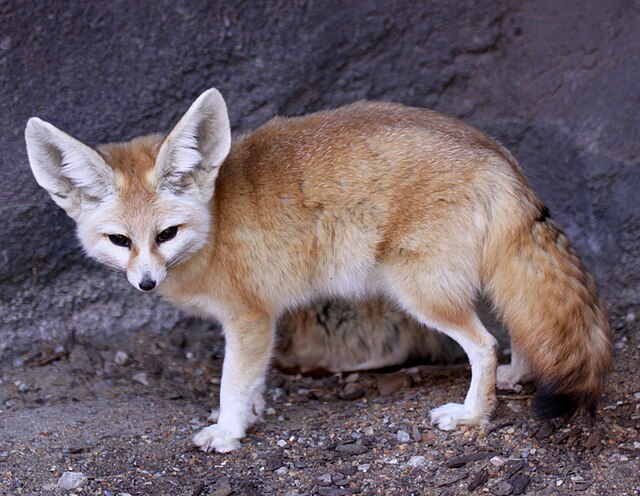
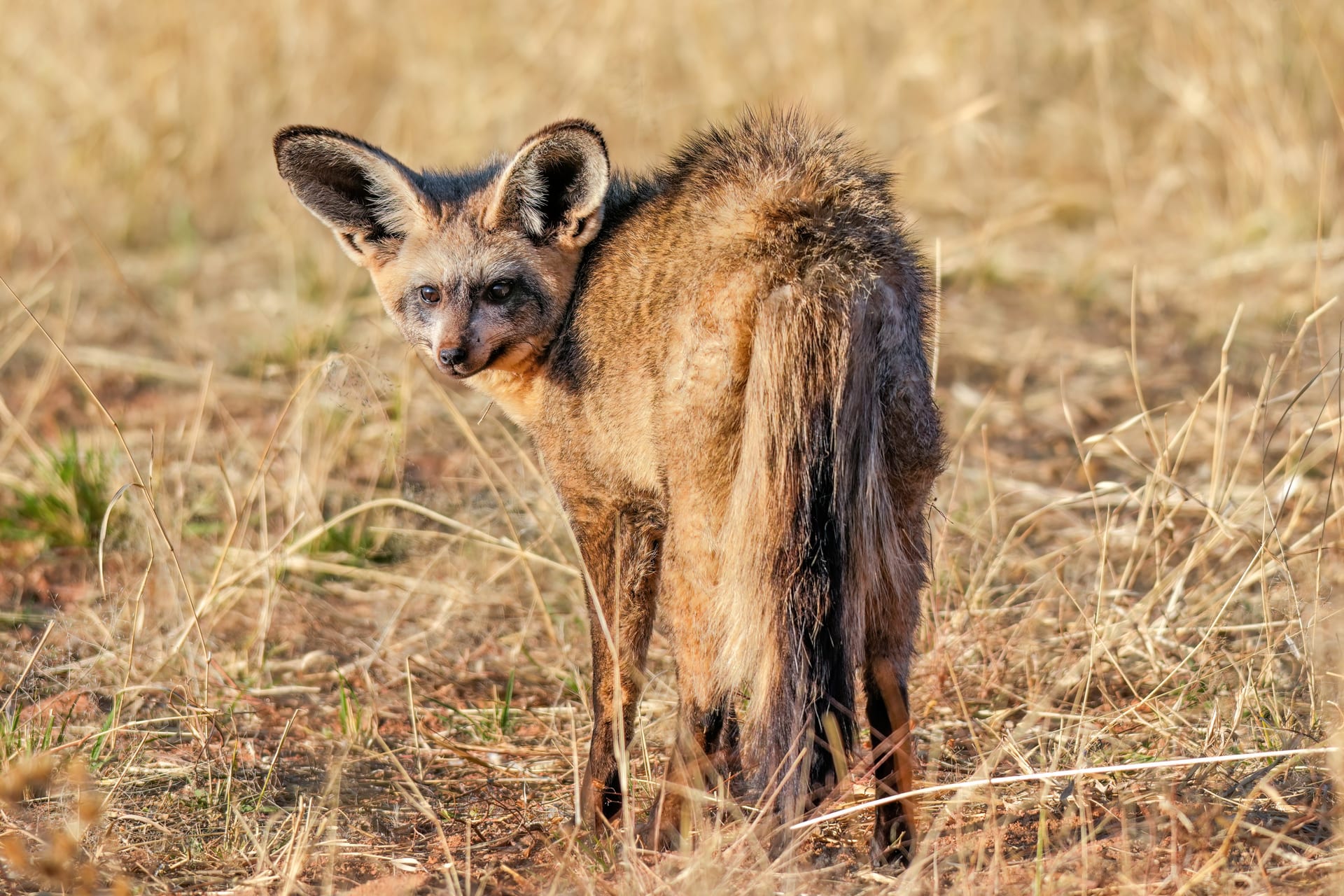
An African fox with 11-13 cm ears. Termites make up 80-90 percent of its diet, making it the only truly insectivorous canid.
Difficulty
Advanced
Temperature
18〜26℃
Lifespan
14-17 years in captivity
Size
46-66cm body (tail 23-34cm) / 3-5.3kg
Humidity
40〜60%
Diet
Insects (termites, beetles), insectivore diet, a little meat and fruit
About
The bat-eared fox (Otocyon megalotis) is a small canid with two African populations about 1,000 km apart: the eastern subspecies from southern Sudan, Ethiopia and Somalia through Uganda and Kenya to southwestern Tanzania, and the southern population from Angola through Namibia and Botswana to South Africa and east to Mozambique and Zimbabwe. It is the only truly insectivorous canid: harvester termites make up 80-90 percent of its diet, supplemented by dung beetles, small rodents, lizards and birds' eggs. Southern animals live as monogamous pairs with pups, eastern ones in stable family groups of one male and up to three related females; they share dens, forage and rest together and groom each other. Activity varies by region: 85 percent nocturnal in the Serengeti, nocturnal in summer and diurnal in winter in South Africa. Recreating a termite-based diet is the biggest challenge in captivity, and a large outdoor run that withstands digging is needed. IUCN Least Concern, not CITES-listed. It is not a Japanese specified animal, but may count as a 'fox' under the Rabies Prevention Act quarantine, so check with the Animal Quarantine Service before importing.
Source: Wikipedia (CC BY-SA 4.0)
Lifespan of the Bat-eared Fox
The Bat-eared Fox lives 14-17 years in captivity.
Wild lifespan is up to 9 years, 14-17 in captivity.
Size of the Bat-eared Fox
The Bat-eared Fox grows to 46-66cm body (tail 23-34cm) / 3-5.3kg.
Head-body length 46-66 cm, tail 23-34 cm, weight 3-5.3 kg, with distinctive 11-13 cm ears.
Basic Info
Origin
East and southern Africa (two separate populations)
Care Specifications
References & Sources
Edited & verified by: BreederDirect editorial team
The taxonomic, regulatory, and husbandry data on this page are compiled and verified against the authoritative primary sources below.
Primary sources
Taxonomy & Authority
Accepted name: Otocyon megalotis (Desmarest, 1822)
Authority databases: GBIF
Nomenclature follows global taxonomic authority databases.
Regulations & Conservation Status
Not CITES-listedIUCN LC · Least Concern
Domestic law: May fall under 'foxes' subject to import quarantine under Japan's Rabies Prevention Act; confirm with the Animal Quarantine Service and complete quarantine before importing.
Not a Japanese specified animal (only some canids such as wolves are designated).
Sources: CITES Appendices (species not listed) / IUCN Red List Otocyon megalotis (LC) / MHLW list of animals outside the notification system (Rabies Prevention Act / Livestock Act) and import-prohibited animals / Ministry of the Environment Specified Animal List
Regulations may change. Always verify the latest information with the relevant authorities.
Bat-eared Fox Listings
Loading latest listingsFind listings for this species