AI-generated image
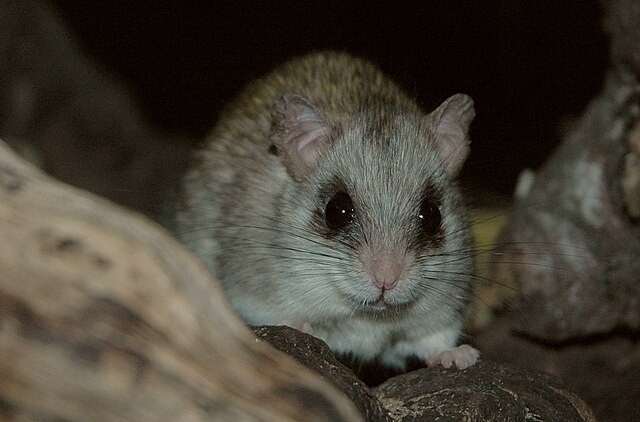
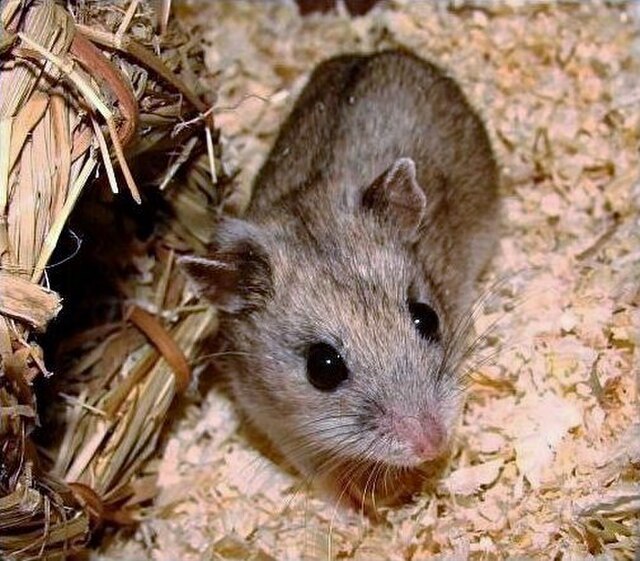
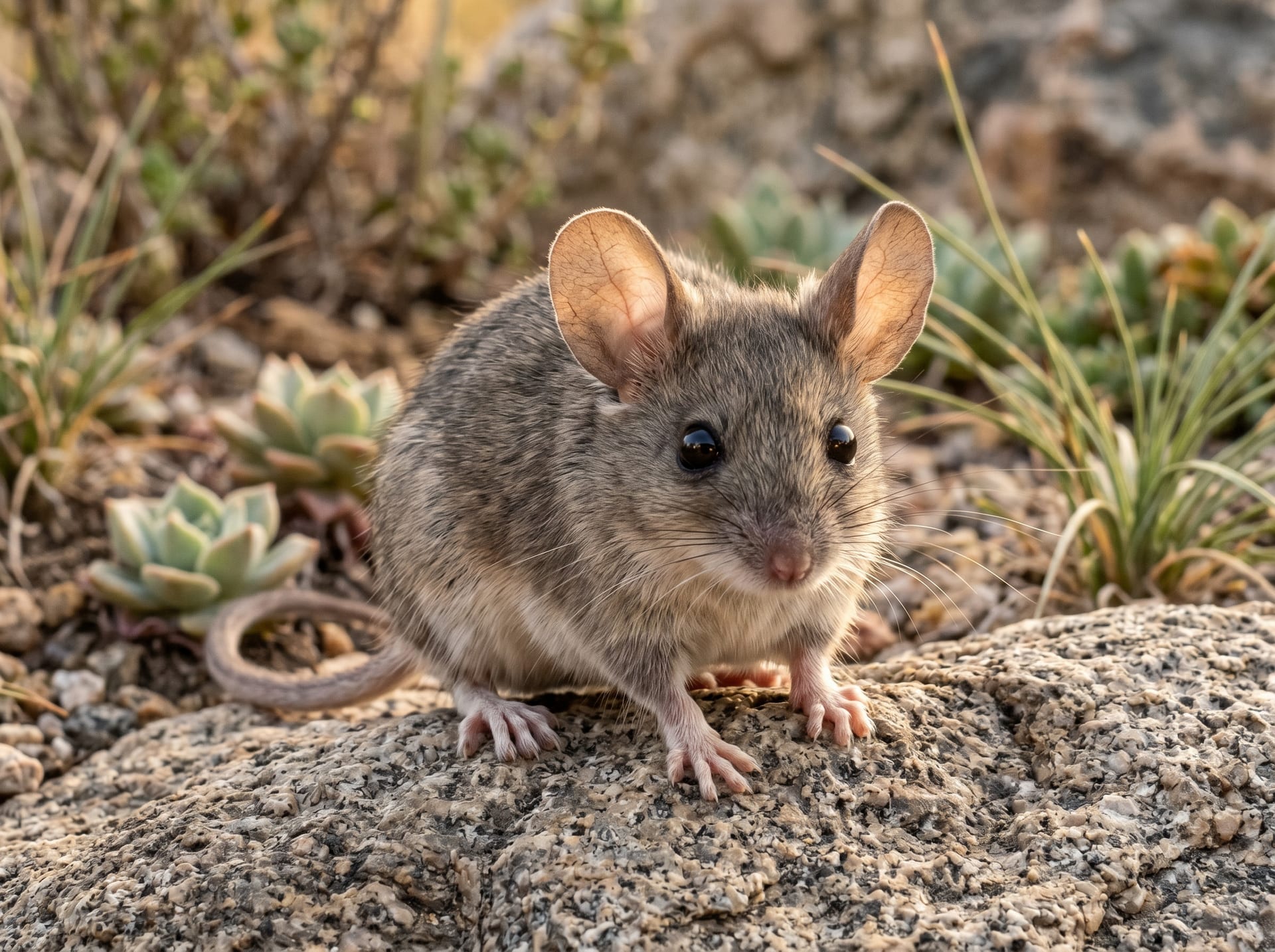
Leaf-eared Mouse
IntermediateSmall rodent from the South American Andes. Named for large leaf-shaped ears. Native to arid regions and enjoys sand baths for grooming.
Difficulty
Intermediate
Temperature
18〜26℃
Lifespan
3-5 years
Size
8-14cm / 20-50g
Humidity
40〜60%
Diet
Rodent pellets, seeds, dried herbs, small amounts of insects
About
Leaf-eared mice (genus Phyllotis) are small rodents native to the Andean highlands and coastal deserts of Chile, Peru, Bolivia, and Argentina. Adults measure 8–14 cm in body length (excluding tail) and weigh 20–50 g. Their common name refers to their large, thin, leaf-shaped ears, which are distinctive among South American rodents. Adapted to arid and semi-arid habitats, they prefer low-humidity environments and enjoy sand-bathing. As exotic pets, they are extremely rare in Japan, and reliable husbandry information is limited. They are best suited for highly experienced exotic small mammal keepers. Housing in a secure glass enclosure with a permanent sand bath area and dry substrate is recommended. Diet consists primarily of seeds, dried plant material, and occasional small insects; high-moisture foods should be minimized. Optimal temperature is 20–26 °C. Common health concerns include parasites, dermatological conditions, and fractures. Lifespan is approximately 2–4 years.
Basic Info
Origin
Chile, Peru, Bolivia, and Argentina (Andes and coastal deserts)
Lifespan
3-5 years
Size
8-14cm / 20-50g
Temperature
18〜26℃
Humidity
40〜60%
Diet
Rodent pellets, seeds, dried herbs, small amounts of insects
Care Guide
References & Sources
Edited & verified by: br-choku editorial team
The taxonomic, regulatory, and husbandry data on this page are compiled and verified against the authoritative primary sources below.
Leaf-eared Mouse Listings
Loading latest listingsFind listings for this species