Source: Wikimedia Commons
Golden Hamster (Cream / Kinkuma)
BeginnerMesocricetus auratus
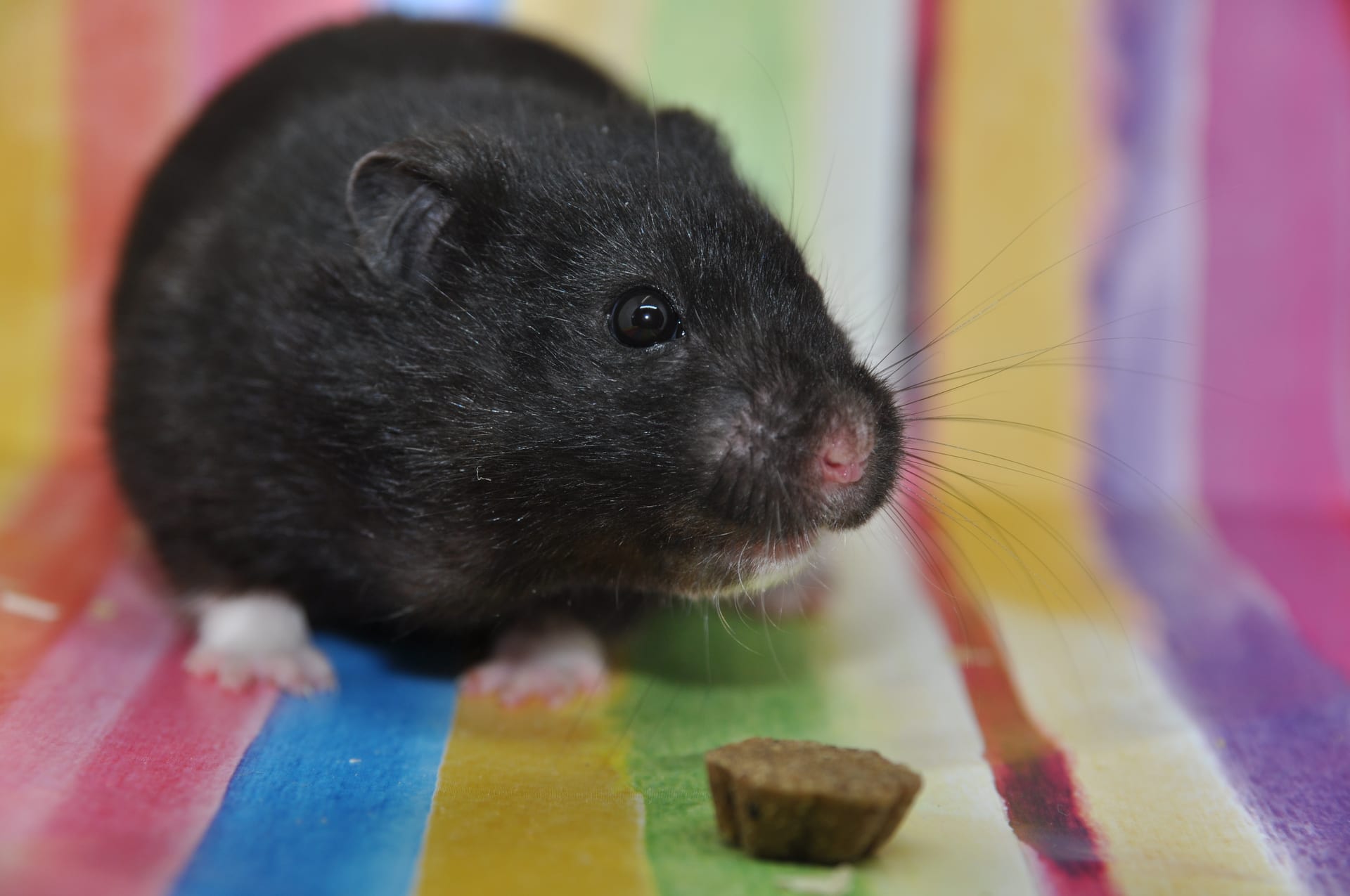
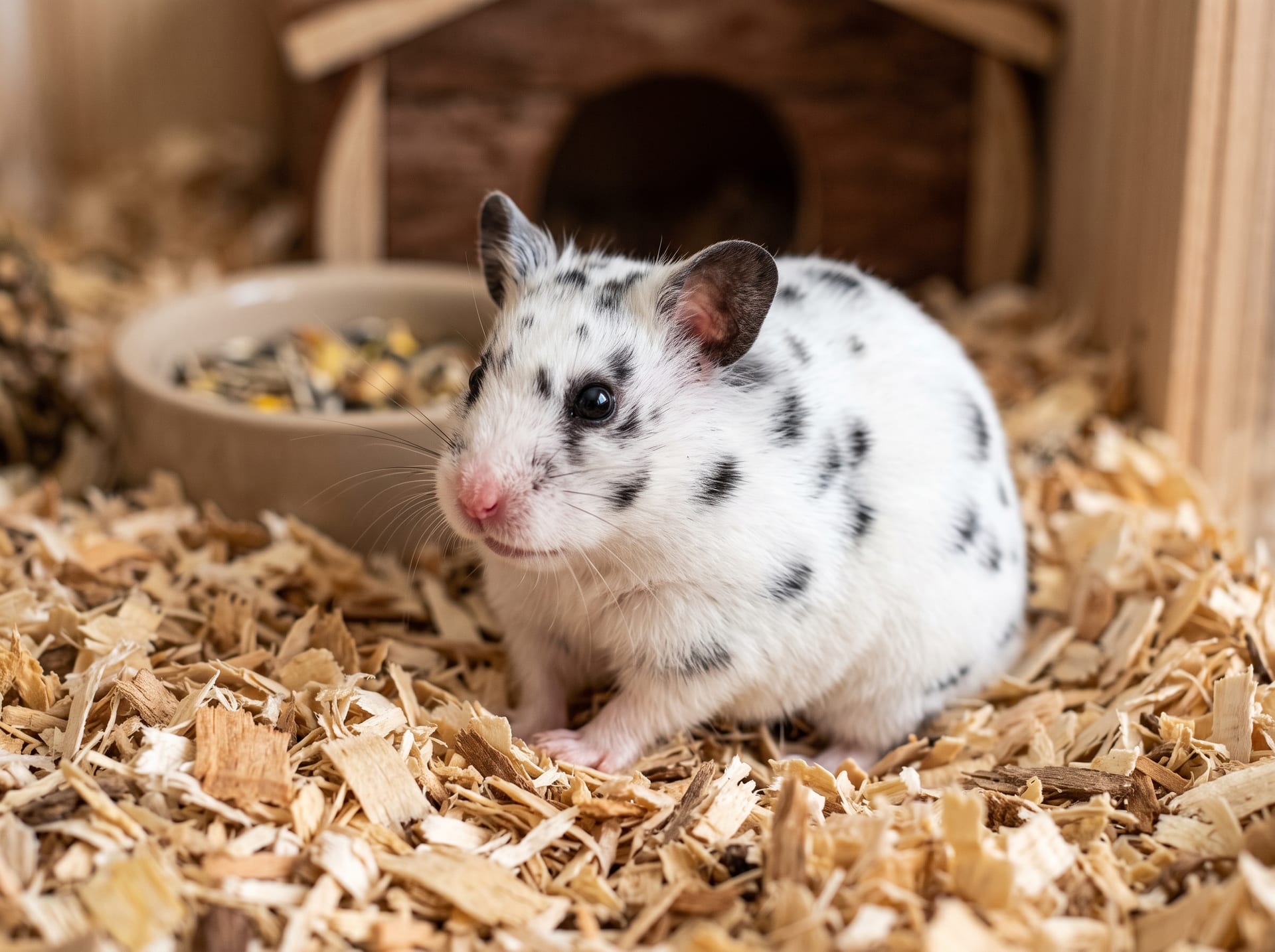
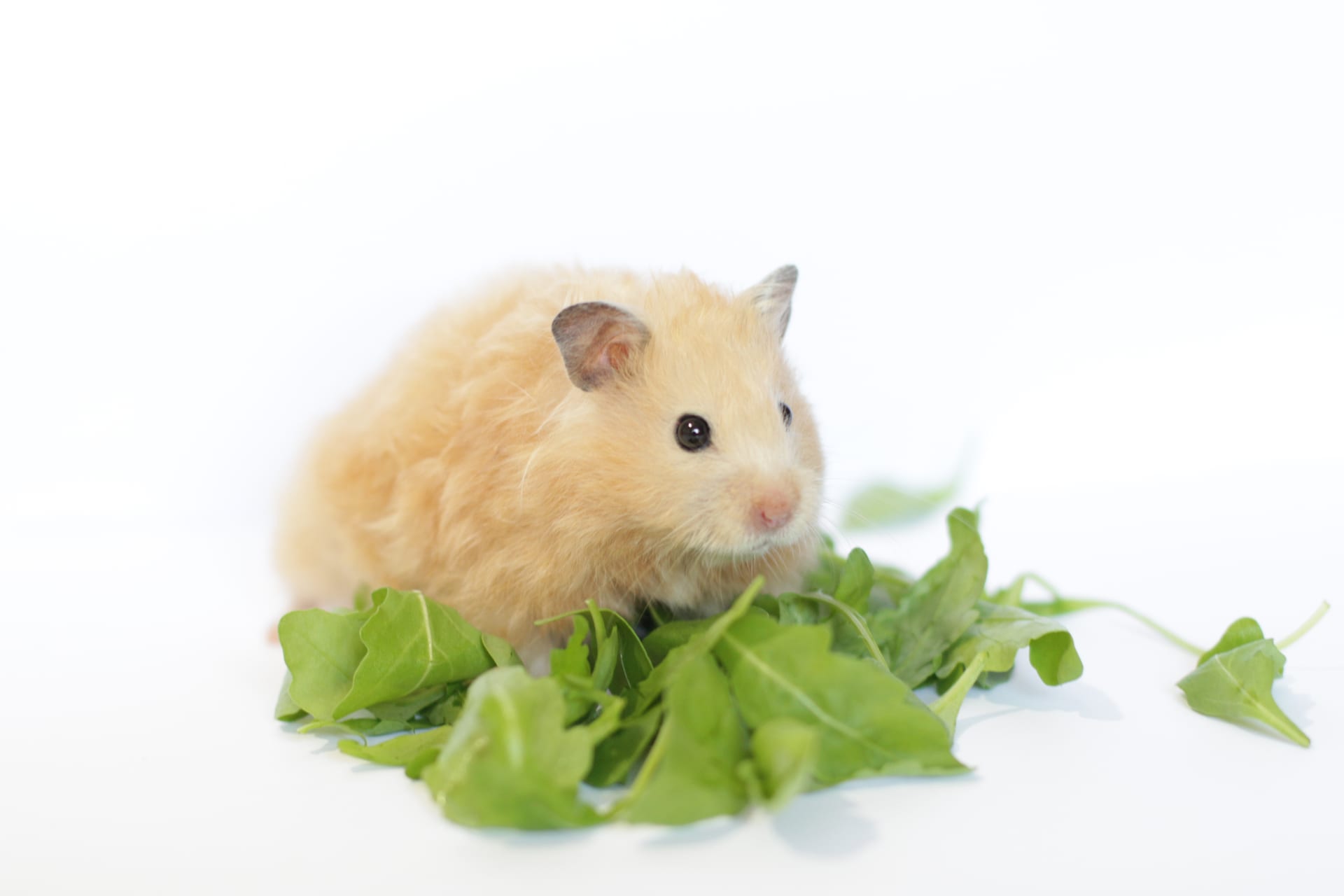
A Japanese trade name for the black-eyed cream (apricot) colour line of the golden hamster. At 14-17 cm and 100-200 g it is among the larger, calmer hamsters, and must be housed alone.
Difficulty
Beginner
Temperature
18〜26℃
Lifespan
2-3 years
Size
14-17cm, 100-200g
Humidity
40〜60%
Diet
Hamster pellets, seed mix, small amounts of vegetables
About
Kinkuma hamster is a Japanese trade name for the black-eyed cream line of the golden hamster (Mesocricetus auratus), an orange-tinged cream coat with dark eyes, also sold as apricot. It is not a taxonomic unit or a recognised breed; as a species it is simply the golden hamster. The wild form lives in Syria, Turkey, Lebanon and Israel, and captive stock descends from a mother and litter captured in Syria in 1930. Golden hamsters are strongly territorial and fight fiercely if housed together, so each must be kept alone. They are calmer than dwarf hamsters, credited with better memory and problem-solving, and can jump 20-30 cm. They are nocturnal, with weak eyesight but keen smell and hearing. The wild population is assessed as Endangered by the IUCN, but pets are domestically bred and widely available in pet shops across Japan.
Source: Wikipedia (CC BY-SA 4.0)
Lifespan of the Golden Hamster (Cream / Kinkuma)
The Golden Hamster (Cream / Kinkuma) lives 2-3 years.
Body length is 14-17 cm and weight 100-200 g, with Japanese animals typically around 150 g; lifespan is 2-3 years.
Size of the Golden Hamster (Cream / Kinkuma)
The Golden Hamster (Cream / Kinkuma) grows to 14-17cm, 100-200g.
Basic Info
Origin
Syria (wild type); domestic colour form
Lifespan
2-3 years
Size
14-17cm, 100-200g
Care Specifications
Solitary
Sources: Wikipedia ja (Golden hamster) / Wikipedia ja (Hamster) / Wikipedia (Golden hamster)
References & Sources
Edited & verified by: BreederDirect editorial team
The taxonomic, regulatory, and husbandry data on this page are compiled and verified against the authoritative primary sources below.
Taxonomy & Authority
Accepted name: Mesocricetus auratus (Waterhouse, 1839)
Authority databases: GBIF
Nomenclature follows global taxonomic authority databases.
Regulations & Conservation Status
Not CITES-listed
Domestic law: 感染症法に基づく動物の輸入届出制度の対象(げっ歯目)。国内流通個体には届出は不要。
Sources: CITES Appendices (species not listed) / MHLW Animal Import Notification System
Regulations may change. Always verify the latest information with the relevant authorities.
Golden Hamster (Cream / Kinkuma) Listings
Loading latest listingsFind listings for this species