Source: Wikimedia Commons
Japanese bush cricket
IntermediateTettigonia orientalis
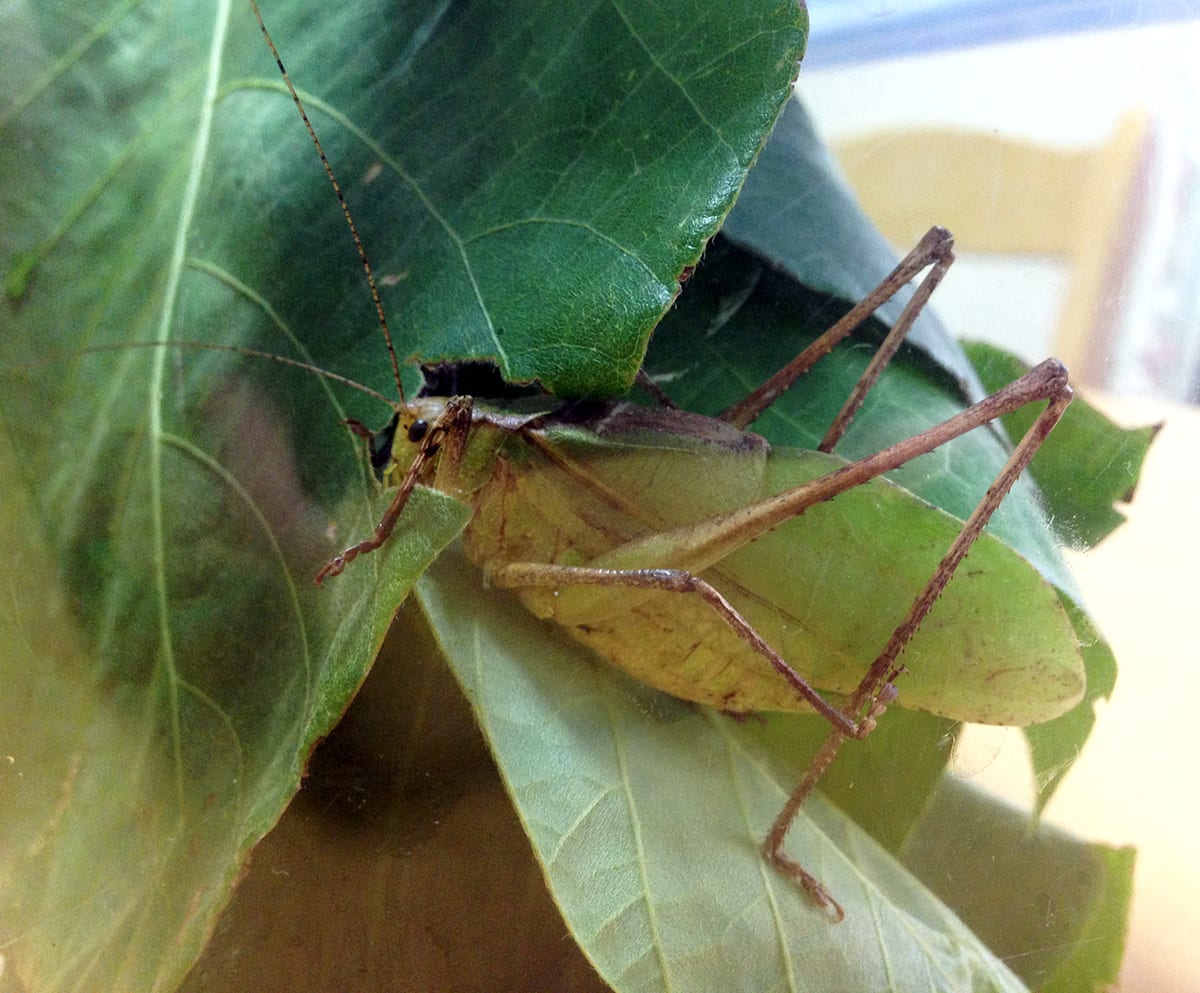
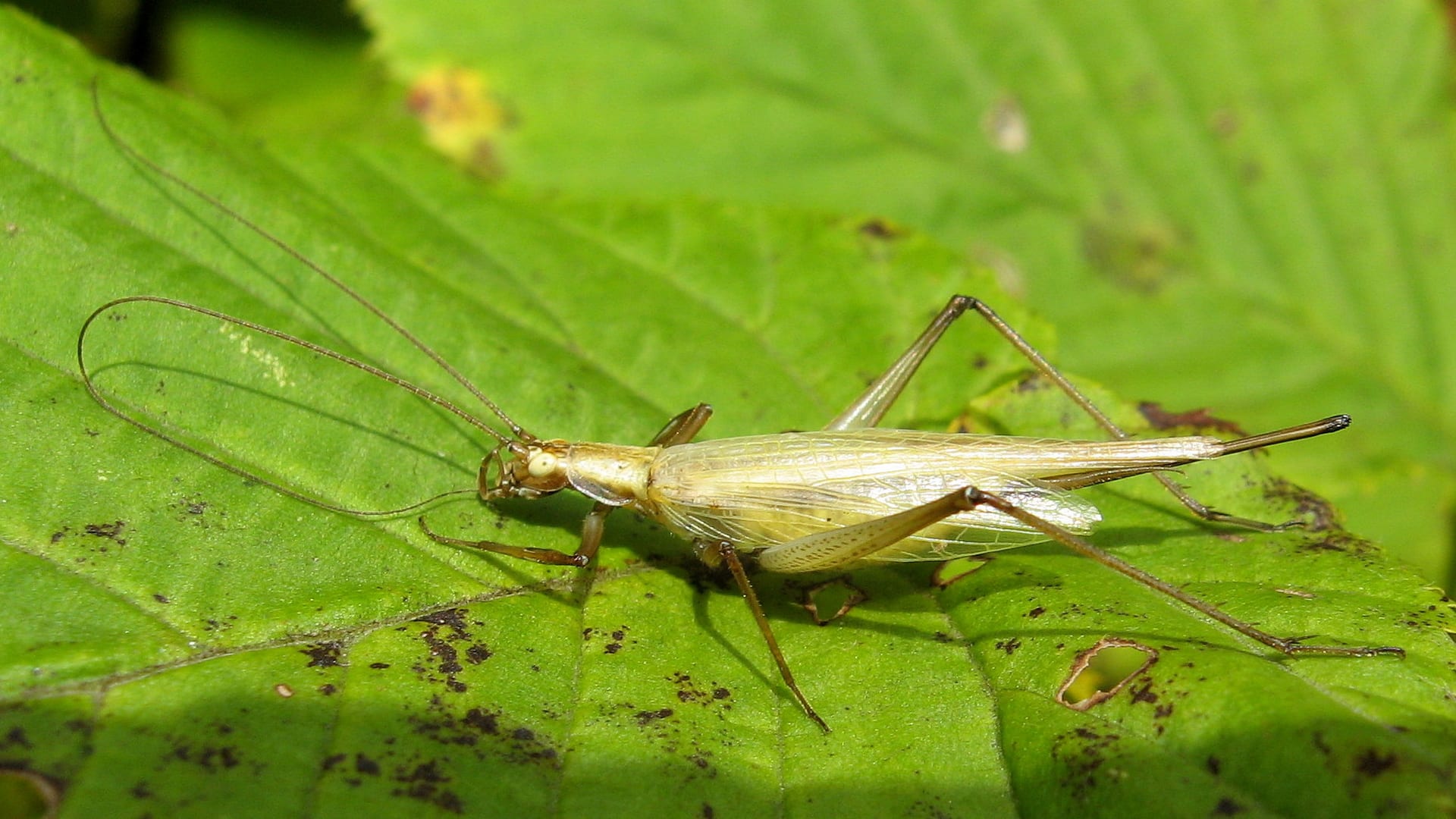
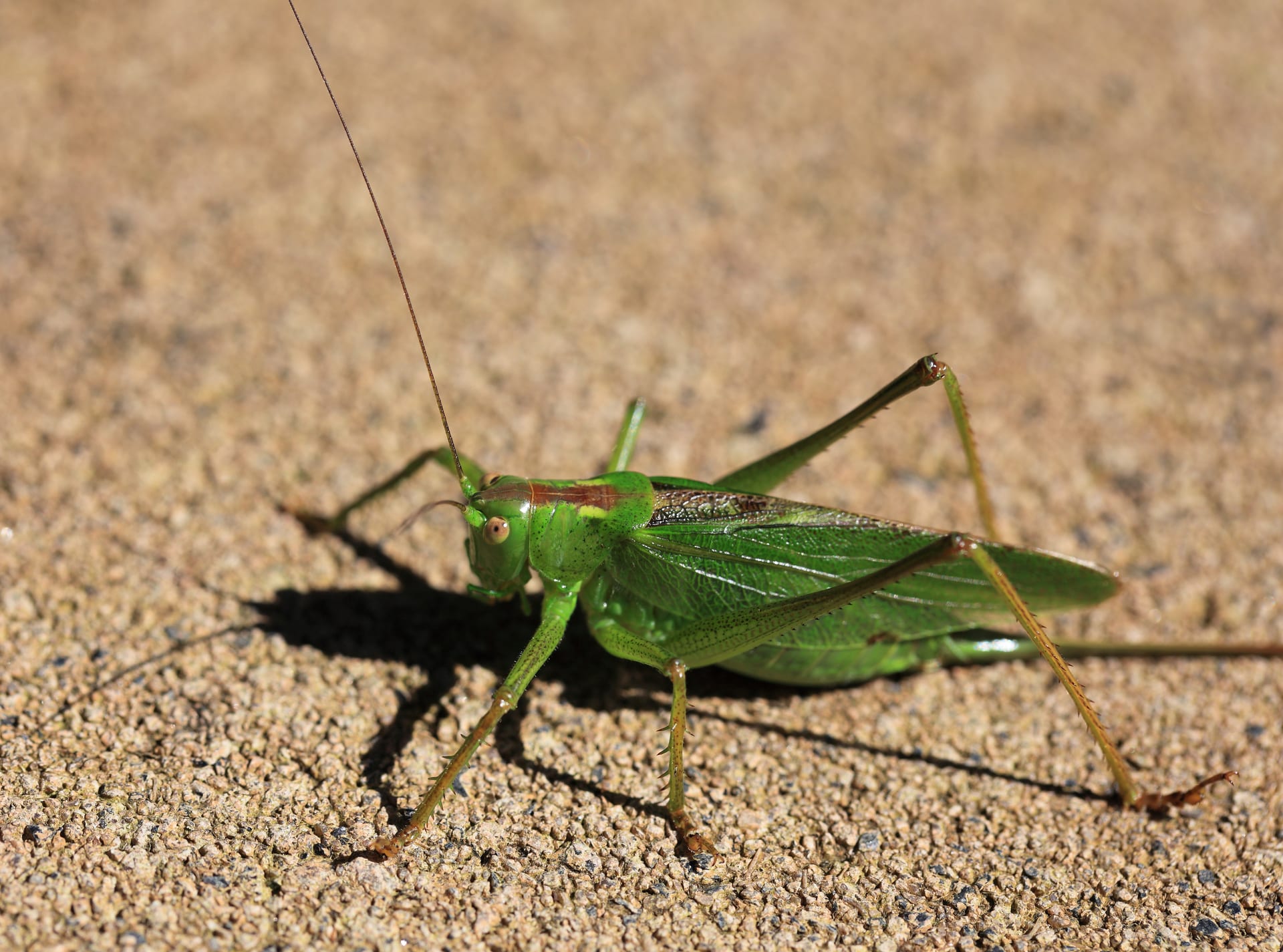
A green katydid about 45-55mm from head to wingtip with a brown stripe along the back. Built for life in trees, it becomes more carnivorous as it grows and will pounce on insects its own size.
Difficulty
Intermediate
Temperature
20〜28℃
Lifespan
Adults usually about 2 months (captives may live past the new year)
Size
About 45-55mm from head to wingtip
Humidity
60〜80%
Diet
Omnivorous, increasingly carnivorous with age (insects, leaves, fruit, pollen)
About
Tettigonia orientalis Uvarov, 1924 is a katydid (Tettigoniidae) found almost throughout Japan except Okinawa and the Nansei Islands. It measures about 45-55mm from head to wingtip. It is normally green, rarely all dark brown, with a brown stripe running along the back from crown to wingtips. It resembles Gampsocleis but has a smaller body excluding wings and shorter hind legs, a compact build suited to life in trees, while its jaws and leg spines are longer and more specialised for predation. The female's ovipositor is long and straight. It lives mainly in trees and is common wherever vegetation is thick. Young nymphs eat pollen and petals on flowers, but become more carnivorous with each moult, and near the final instar the mandibles take up almost half the face. It sings a 'shiririri' at night and a 'gii' by day. Eggs hatch around April and nymphs mature in about two months. Adults usually live about two months, but captives may survive past the new year. The classification of subspecies and local forms such as the montane yama-yabukiri is unsettled. In Japan singing-insect specialists sell adults and nymphs in season.
Source: Wikipedia (CC BY-SA 4.0)
Lifespan of the Japanese bush cricket
The Japanese bush cricket lives Adults usually about 2 months (captives may live past the new year).
Size of the Japanese bush cricket
The Japanese bush cricket grows to About 45-55mm from head to wingtip.
Basic Info
Origin
Japan (almost nationwide except Okinawa and the Nansei Islands)
Lifespan
Adults usually about 2 months (captives may live past the new year)
References & Sources
Edited & verified by: BreederDirect editorial team
The taxonomic, regulatory, and husbandry data on this page are compiled and verified against the authoritative primary sources below.
Taxonomy & Authority
Regulations & Conservation Status
Not CITES-listed
Not covered by CITES or the Invasive Alien Species Act. It is a native species, so follow local rules when collecting and never release captives away from their place of origin.
Sources: Ministry of the Environment: List of invasive alien species (JA) / Species+ CITES query (no listing)
Regulations may change. Always verify the latest information with the relevant authorities.
Japanese bush cricket Listings
Loading latest listingsFind listings for this species