Source: Wikimedia Commons
Lucanus Stag Beetle
AdvancedEurope's largest stag beetle. Lucanus cervus is famous as Europe's iconic beetle.
Difficulty
Advanced
Temperature
20〜28℃
Lifespan
Adult 1-3 months
Size
30-85mm
Humidity
60〜80%
Diet
Insect jelly
About
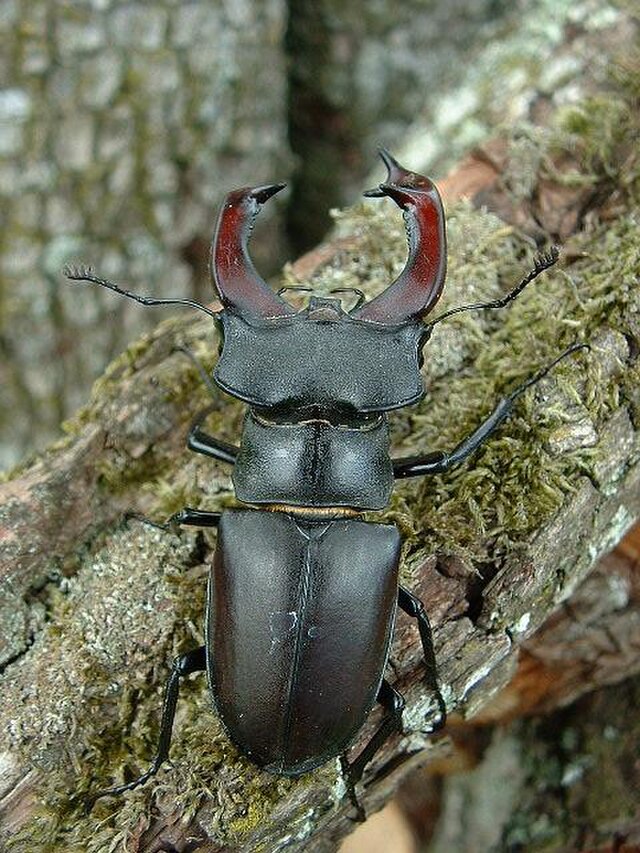
Lucanus cervus, the European stag beetle, is the largest stag beetle in Europe, distributed from the British Isles through central and southern Europe to Asia Minor. They inhabit deciduous forests, particularly those with old oak trees, where larvae spend 3–5 years feeding in decaying roots—a feature that makes captive rearing quite challenging. A well-ventilated enclosure with broadleaf hardwood logs is required for egg-laying. Adults live only 1–3 months. The species is legally protected in several European countries and is recognized as a flagship species for woodland conservation. Its iconic status in European natural history and the challenge of multi-year larval rearing make it a prestigious species among stag beetle enthusiasts worldwide.
Lifespan of the Lucanus Stag Beetle
The Lucanus Stag Beetle lives Adult 1-3 months.
Size of the Lucanus Stag Beetle
The Lucanus Stag Beetle grows to 30-85mm.
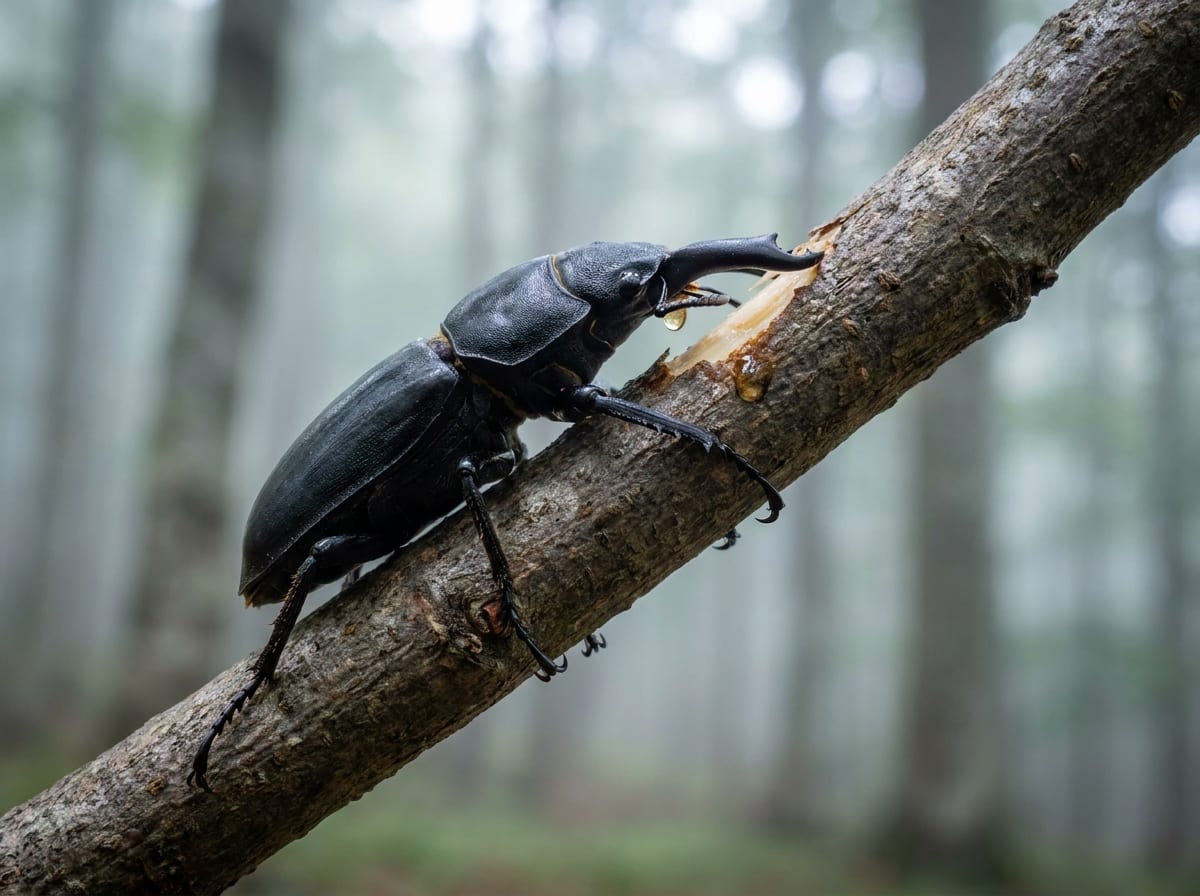
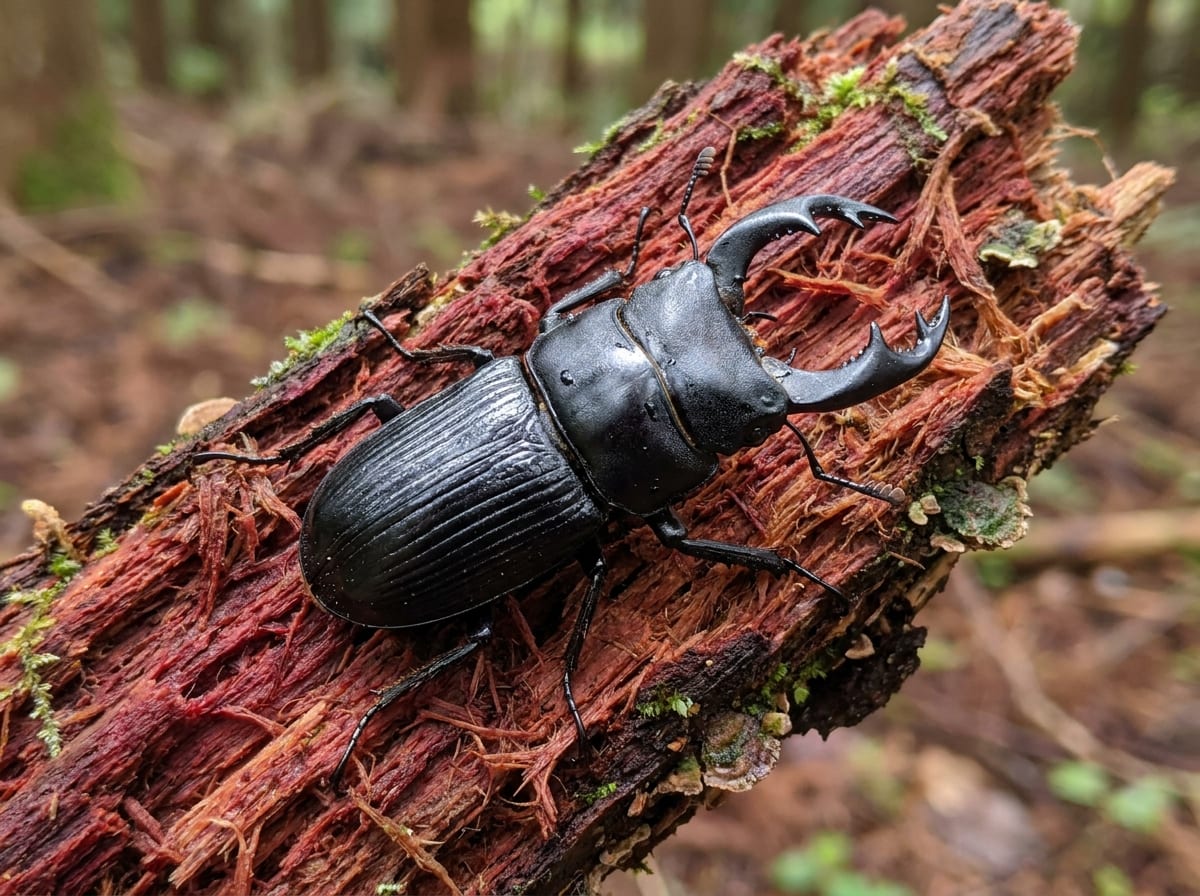
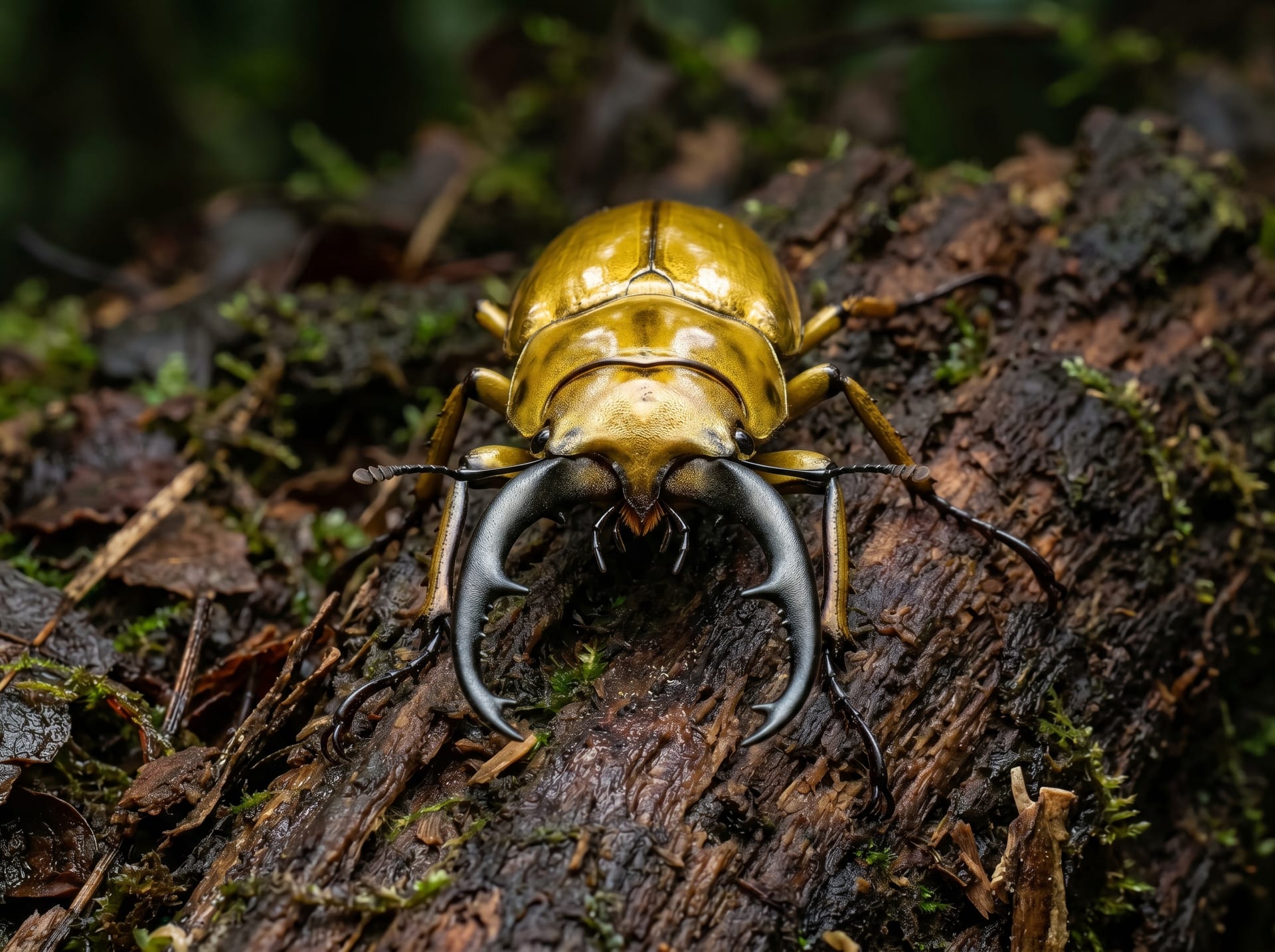
Males bear impressively large, branched mandibles resembling a stag's antlers, reaching 30–85 mm in body length with a reddish-brown to dark brown coloration.
Temperature & humidity for the Lucanus Stag Beetle
Cool temperature management at 18–22°C is essential.
Basic Info
Origin
Europe, from the British Isles through central and southern Europe to Asia Minor
Lifespan
Adult 1-3 months
Breeding Records & Localities
Notable localities
JapanEuropeAsiaNorth America
A collective term for the alpine stag beetle genus (Lucanus). Many species have crown-shaped head protrusions. For size records, refer to individual species pages (such as alpine stag beetle).
Generation codes
- WD
- Wild-caught
- WF1
- Offspring of a wild-caught female
- F1〜
- Captive generations (same locality)
- CBF1
- Cross-locality captive-bred (reset)
Sources: BE-KUWA Certified Breeding Records (Mushi-sha, FY2025 edition, JA)
References & Sources
Edited & verified by: BreederDirect editorial team
The taxonomic, regulatory, and husbandry data on this page are compiled and verified against the authoritative primary sources below.
Lucanus Stag Beetle Listings
Loading latest listingsFind listings for this species