AI-generated image
Muse Goldfish
AdvancedCarassius auratus
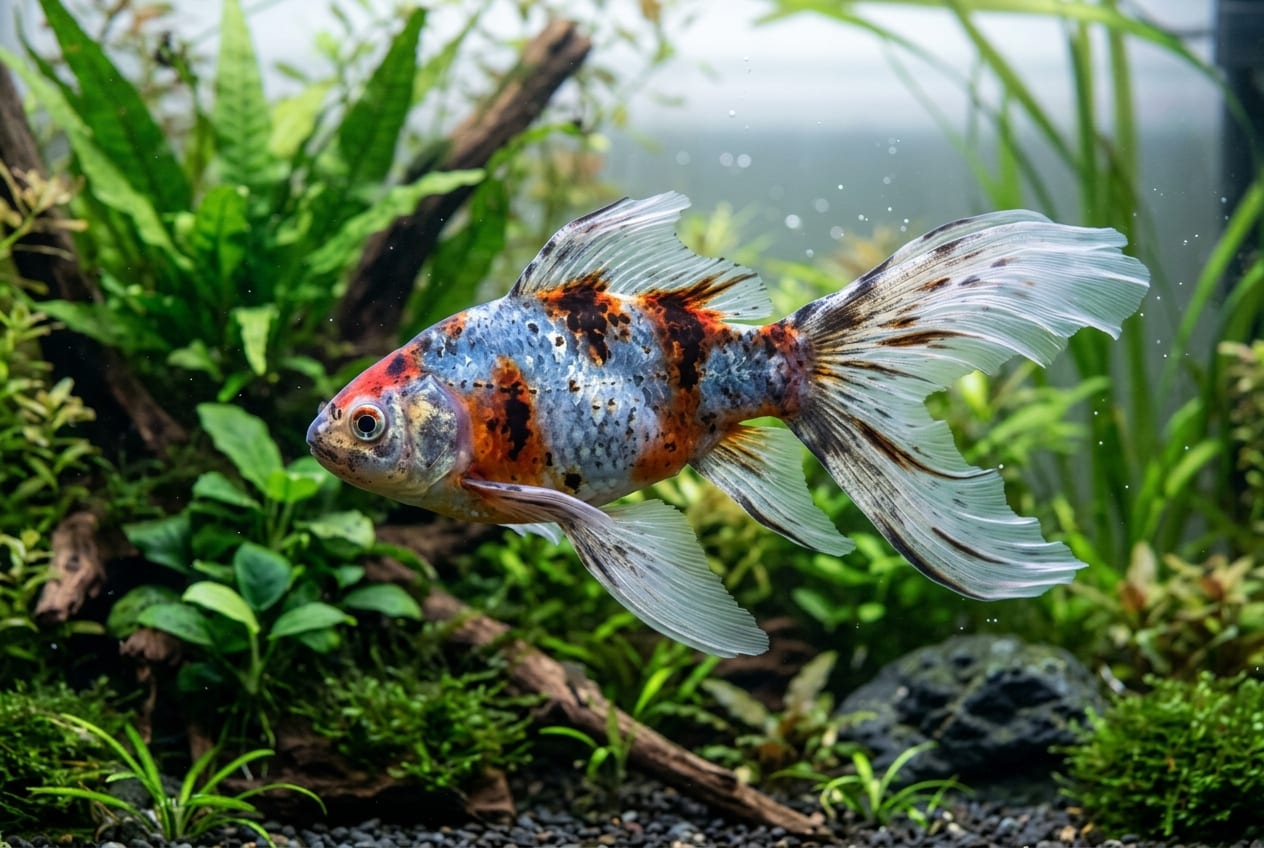
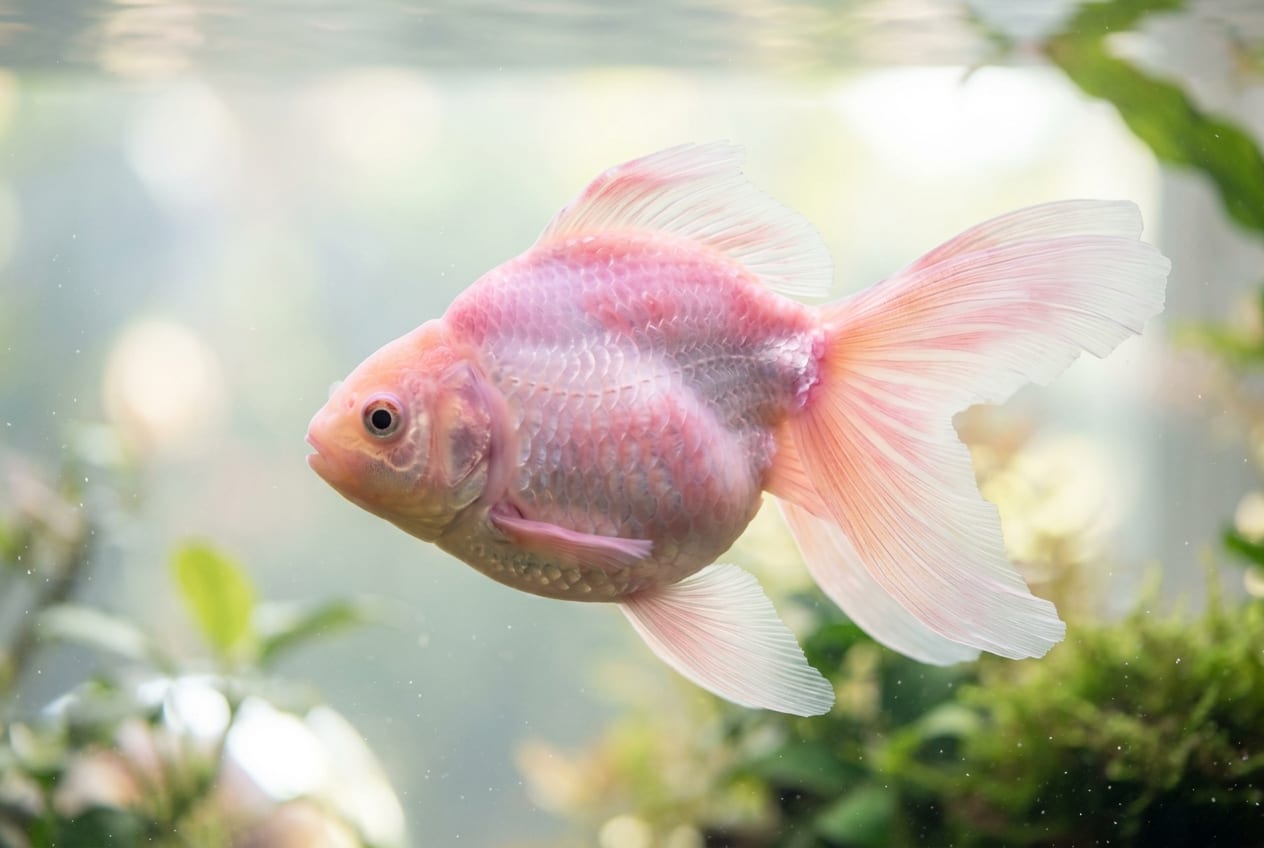
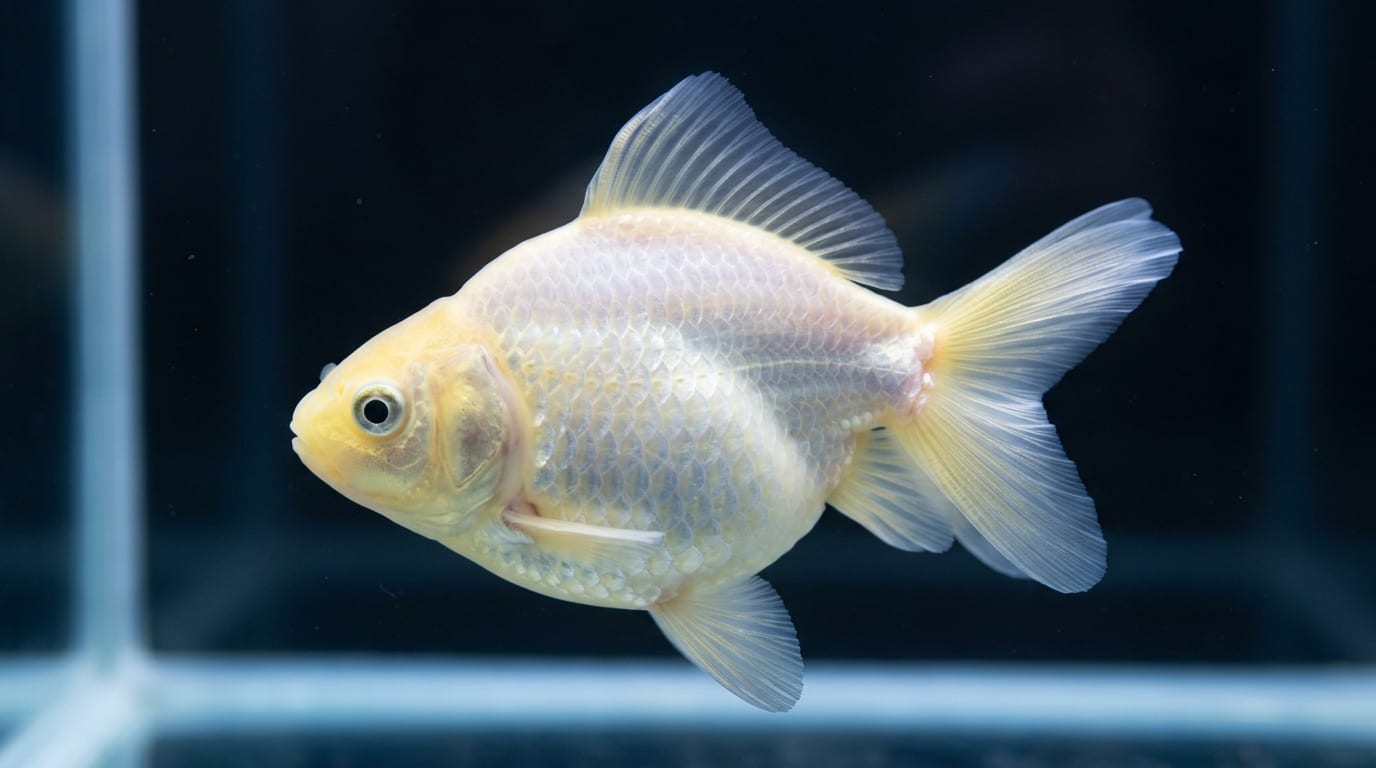
A Japanese variety that emerged from a search for a green goldfish. It has a ryukin body under transparent scales, males mostly yellow and females mostly white, with a short three-lobed tail.
Difficulty
Advanced
Temperature
15〜28℃
Lifespan
10-15 years
Diet
Prepared foods, frozen bloodworms
About
The muse emerged from a long programme of selection aimed at producing a green goldfish. Its breeder, Kawahara Yadoru, was known as a sage of goldfish and continued his work until his death in 2019 at the age of 99. He first obtained a calico tosakin by crossing the calico ryukin with the tosakin, but although the body was good the colour was not what he wanted, so he tried again with the azuma nishiki in place of the calico ryukin. The fish called muse is the one from that calico tosakin in which all colour but yellow and white has dropped away: the body is that of a ryukin, the scales transparent, the tail a short three-lobed one. Yellow appears mostly in males and white in females; it is also called kogane nishiki, and long-tailed fish are called tennyo. Related colour forms are distinguished as ayanishiki, yellow-green and midorinishiki. All are hard to obtain.
Source: Wikipedia (CC BY-SA 4.0)
Lifespan of the Muse Goldfish
The Muse Goldfish lives 10-15 years.
Temperature & humidity for the Muse Goldfish
The ideal temperature for the Muse Goldfish is 15〜28℃.
Basic Info
Origin
Saitama Prefecture, Japan
Lifespan
10-15 years
Temperature
15〜28℃
Diet
Care Specifications
- pH
- 6–8
- Hardness (GH)
- 5–19 dGH
- Water Temp.
- 15–28℃
PeacefulGroupBreeding: Very hard
Sources: FishBase (Carassius auratus) / Keihan Nishikigoi Center: goldfish water management / Kingyo Hitosuji: Ryukin
Morphs (Varieties)
Goldfish varieties arose from fixed mutations and selective breeding, and body form, tail form, scale type, colour and head growth are all carried forward by selection over generations. Inheritance is therefore shown as line-bred throughout rather than split into dominant and recessive.
Line-bredEstablished by selective line breeding.
Ryukin body formTransparent scalesShort three-lobed tailYellow or white colour (sex-linked tendency)
Sources: Kingyo Hitosuji: Ryukin
A curated selection of notable morphs. Inheritance modes are a breeding-planning guide; actual appearance varies with combos.
References & Sources
Edited & verified by: BreederDirect editorial team
The taxonomic, regulatory, and husbandry data on this page are compiled and verified against the authoritative primary sources below.
Taxonomy & Authority
Accepted name: Carassius auratus (Linnaeus, 1758)
Breeder: 川原やどる
Authority databases: FishBase · GBIF · Saitama Shimbun: green goldfish bred by a veteran breeder
Nomenclature follows global taxonomic authority databases.
Regulations & Conservation Status
Not CITES-listed
Sources: CITES Appendices (species not listed) / FishBase (Carassius auratus)
Regulations may change. Always verify the latest information with the relevant authorities.
Muse Goldfish Listings
Loading latest listingsFind listings for this species