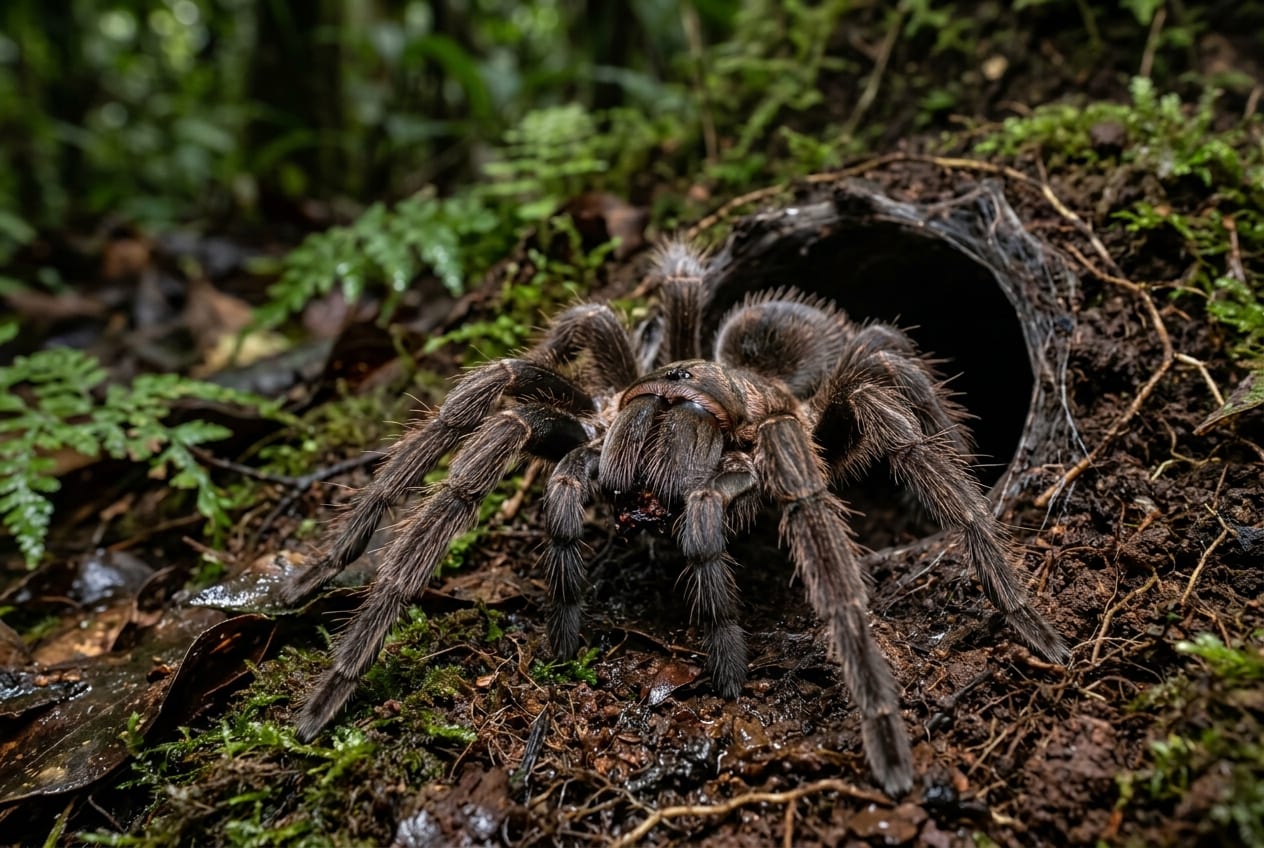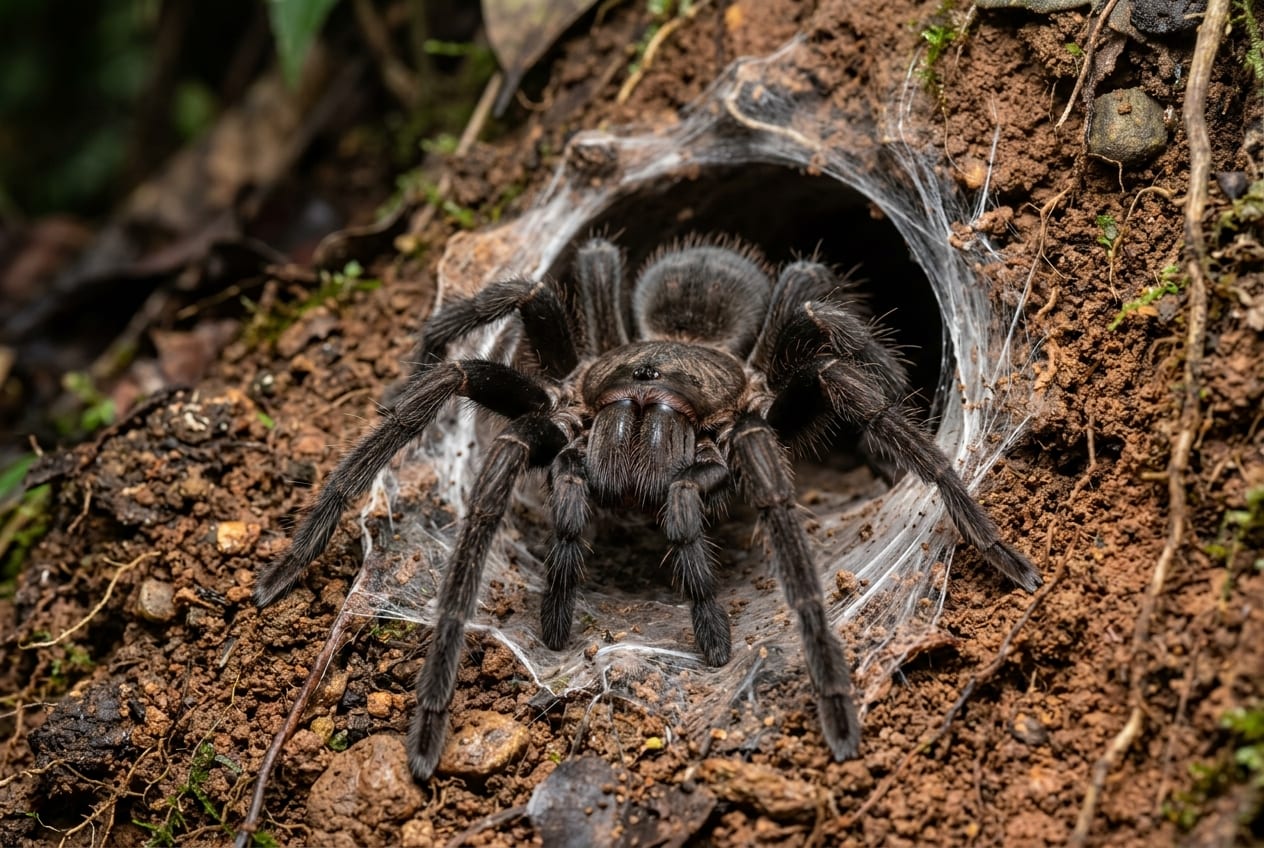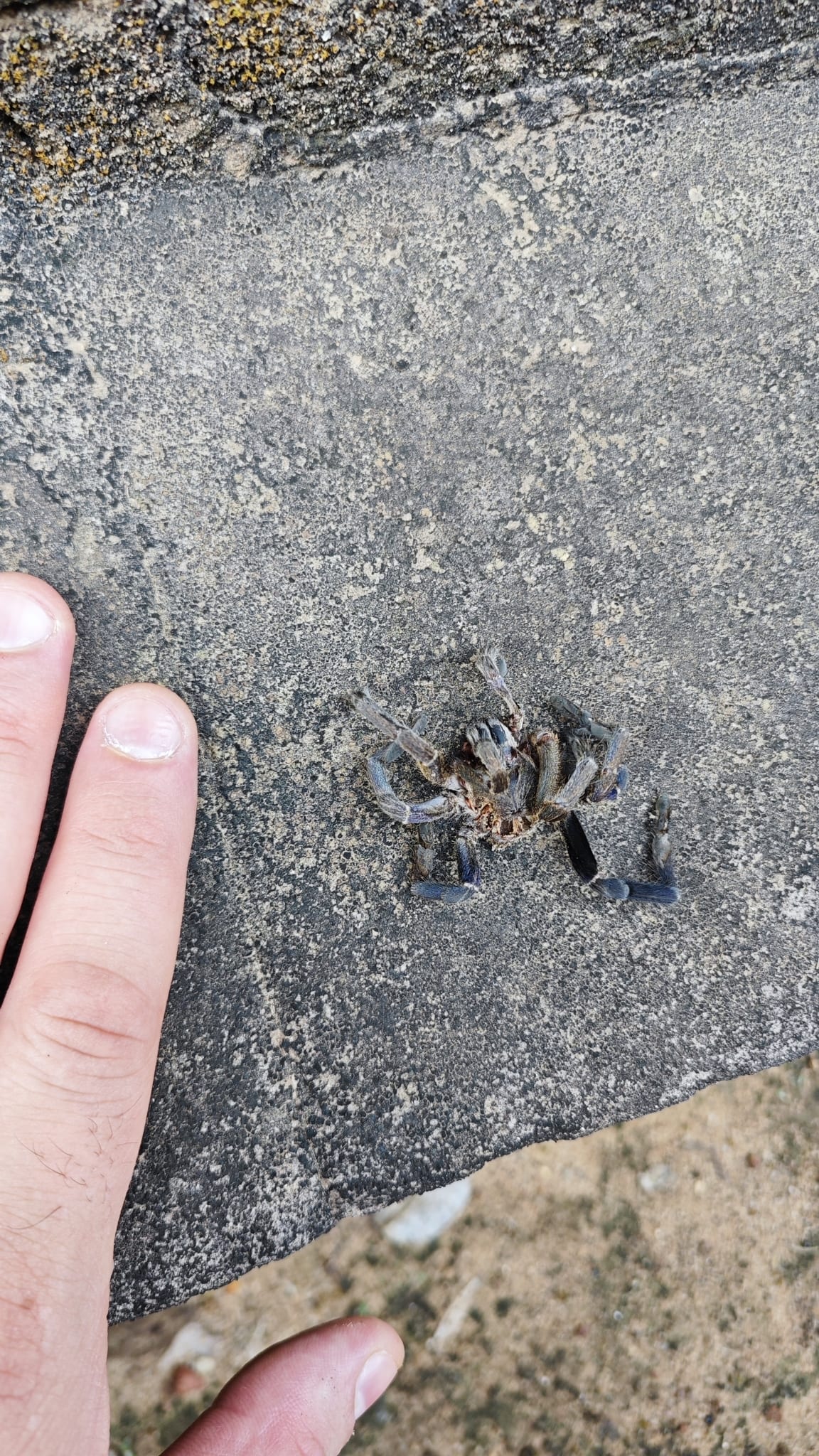
Source: Wikimedia Commons
Vietnam earth tiger tarantula
AdvancedCyriopagopus longipes
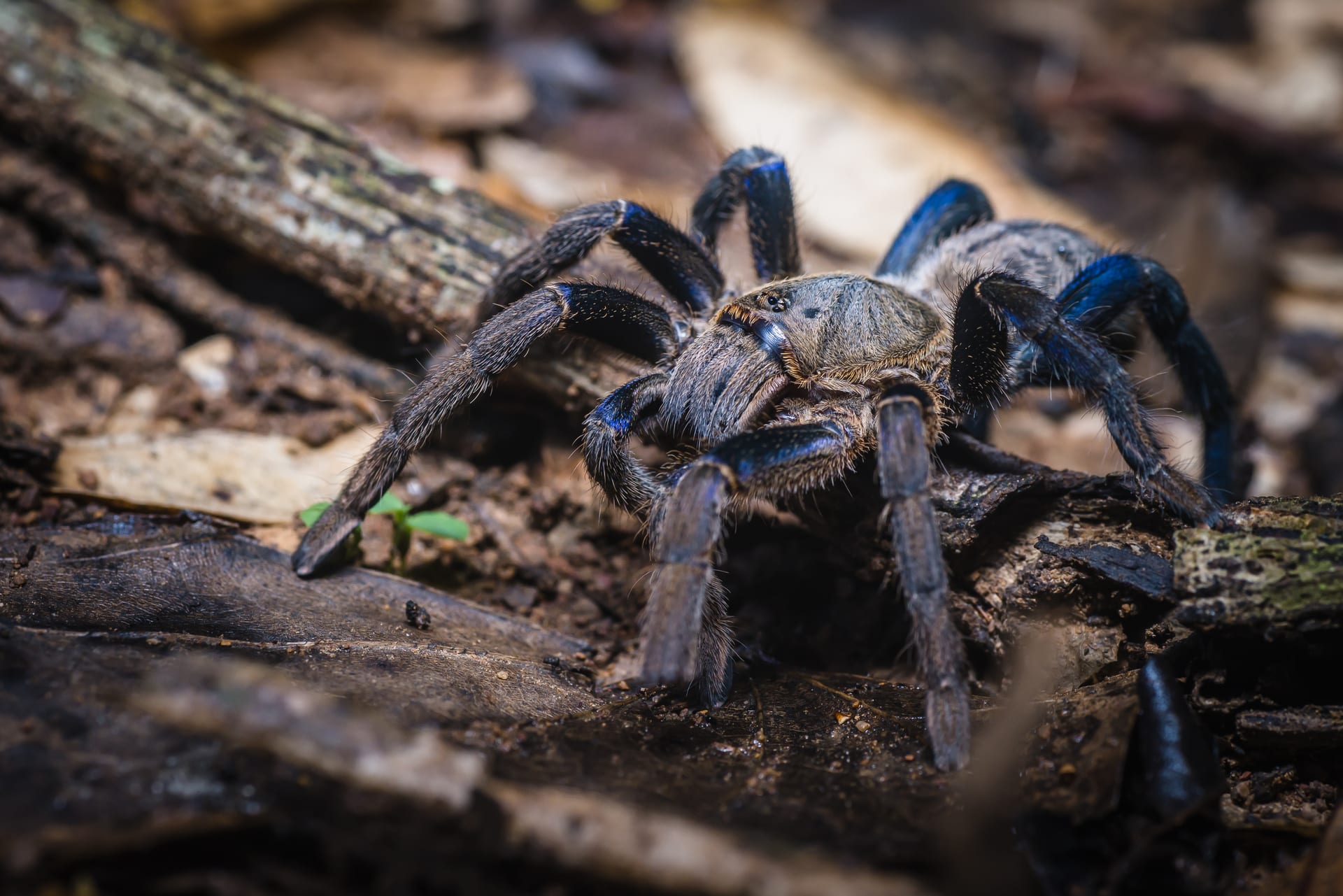
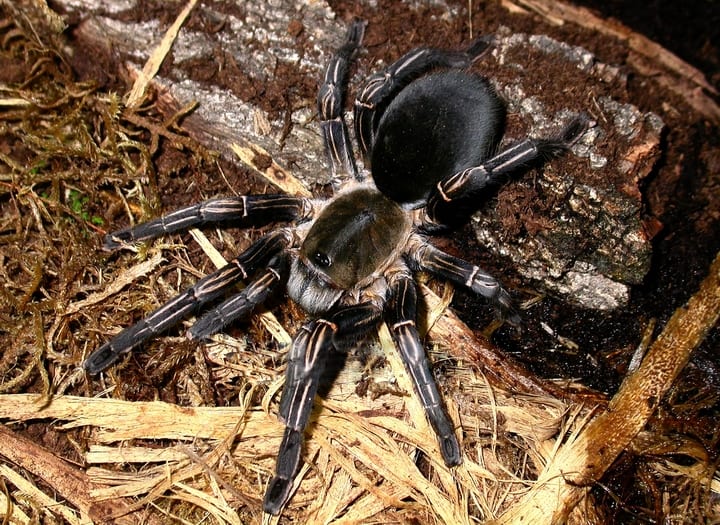
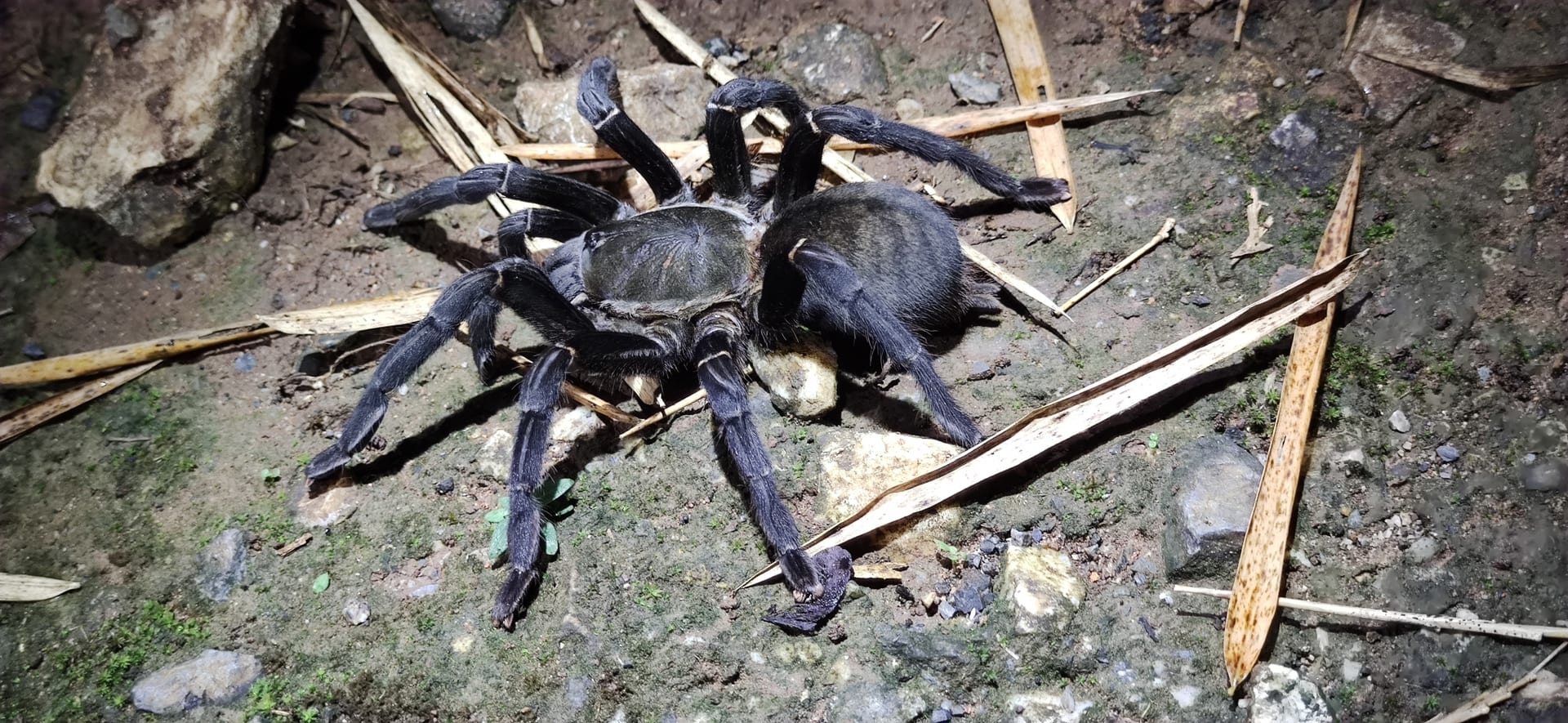
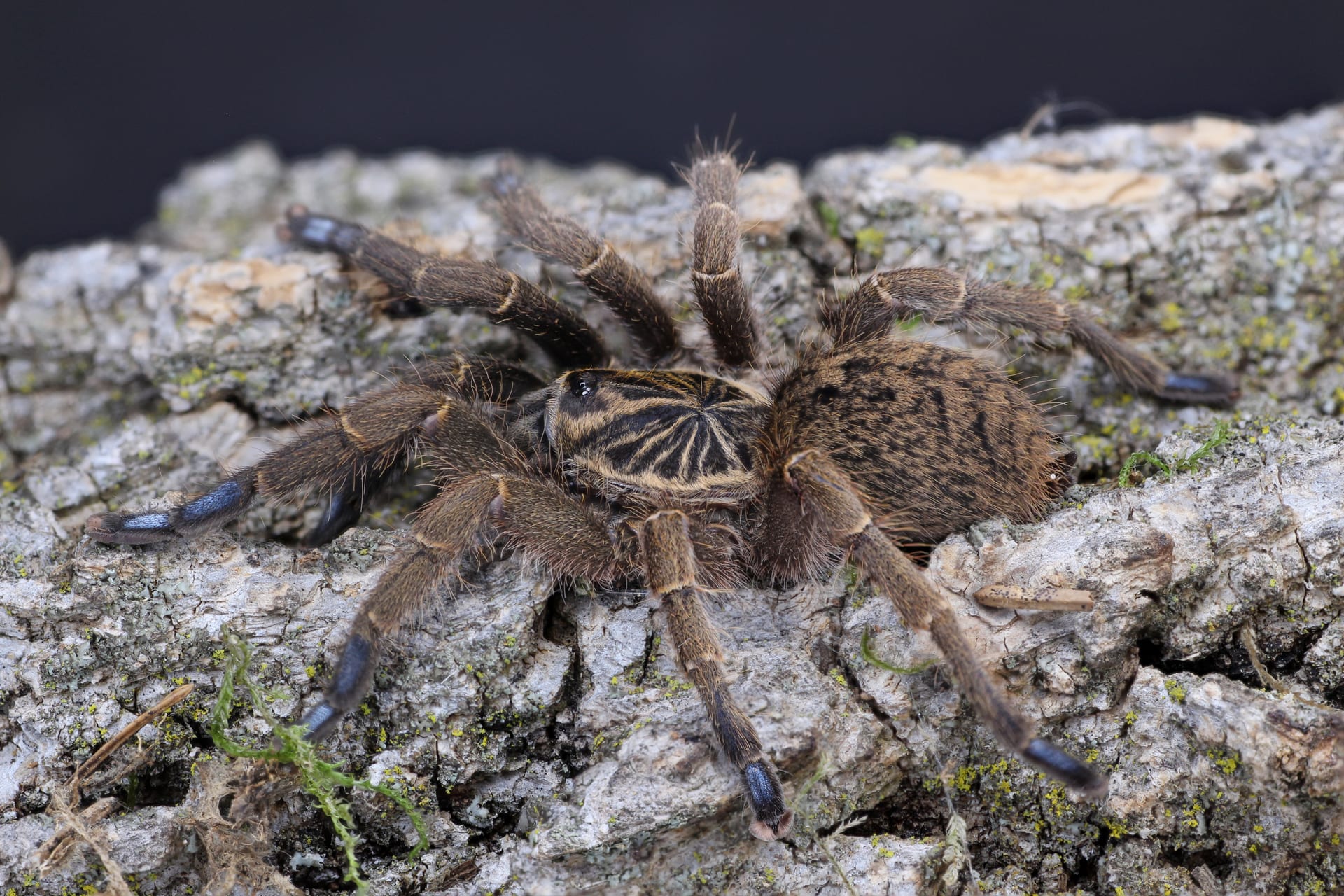
A long-legged earth tiger tarantula from mainland Southeast Asia. Formerly placed in Haplopelma, it is a burrowing species with a defensive temperament.
Difficulty
Advanced
Lifespan
Little data
Size
Little data
Diet
Carnivorous (live insects such as crickets and roaches)
About
Cyriopagopus longipes (von Wirth & Striffler, 2005) is a tarantula of the family Theraphosidae, described in 2005 as Haplopelma longipes; the name means 'long legs'. In English it is called the Vietnam earth tiger tarantula. GBIF holds records from Thailand, Cambodia and Laos, and it has been photographed in Cambodia. In Japan a form called 'Blue' from Chaiyaphum Province, Thailand, is also traded. The toxins Cl6a and Cl6b, which inhibit the pain-related sodium channel Nav1.7, were isolated from its venom and are used in research. Care information for the congener C. lividus describes these earth tigers as obligate burrowers kept at 20-26 C, highly defensive and quick to bite, with bites causing intense local pain, swelling and muscle cramping. It is an Old World tarantula best left to experienced keepers. In Japan specialist shops offer animals such as wild-caught stock from Thailand.
Source: Wikipedia (CC BY-SA 4.0)
Lifespan of the Vietnam earth tiger tarantula
Primary sources giving its size or lifespan are scarce.
Basic Info
Origin
Mainland Southeast Asia (Thailand, Cambodia, Laos and nearby)
Lifespan
Little data
Size
Little data
Diet
Carnivorous (live insects such as crickets and roaches)
Care Guide
References & Sources
Edited & verified by: BreederDirect editorial team
The taxonomic, regulatory, and husbandry data on this page are compiled and verified against the authoritative primary sources below.
Primary sources
Taxonomy & Authority
Regulations & Conservation Status
Not CITES-listed
It is not a designated invasive species, an uncategorised alien species or a taxon needing an identification certificate in Japan, and it is not listed by CITES (September 2026). It is a non-native tarantula, so keep it in escape-proof housing and never release captive animals.
Sources: Ministry of the Environment: List of regulated alien species, including taxa needing an identification certificate (JA) / Species+ CITES query (not listed)
Regulations may change. Always verify the latest information with the relevant authorities.
Vietnam earth tiger tarantula Listings
Loading latest listingsFind listings for this species