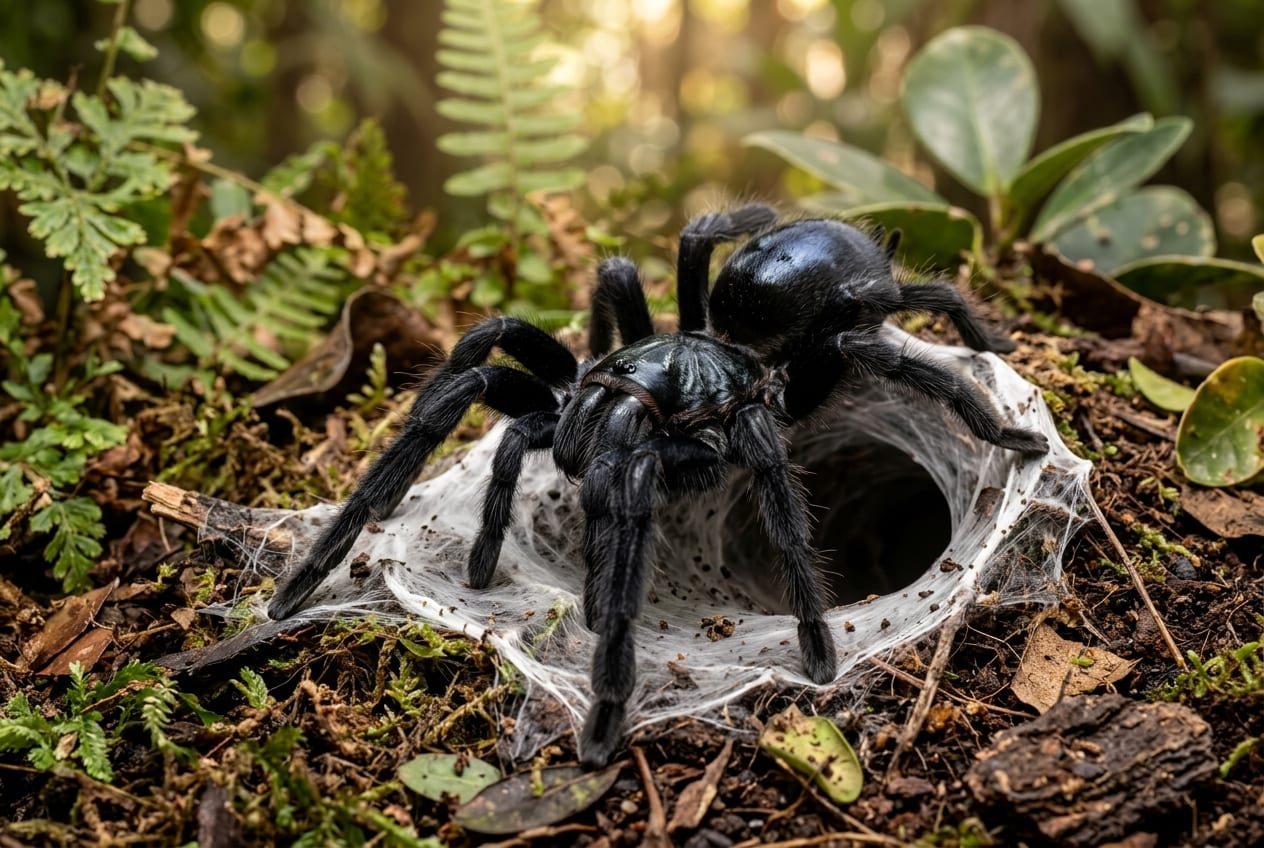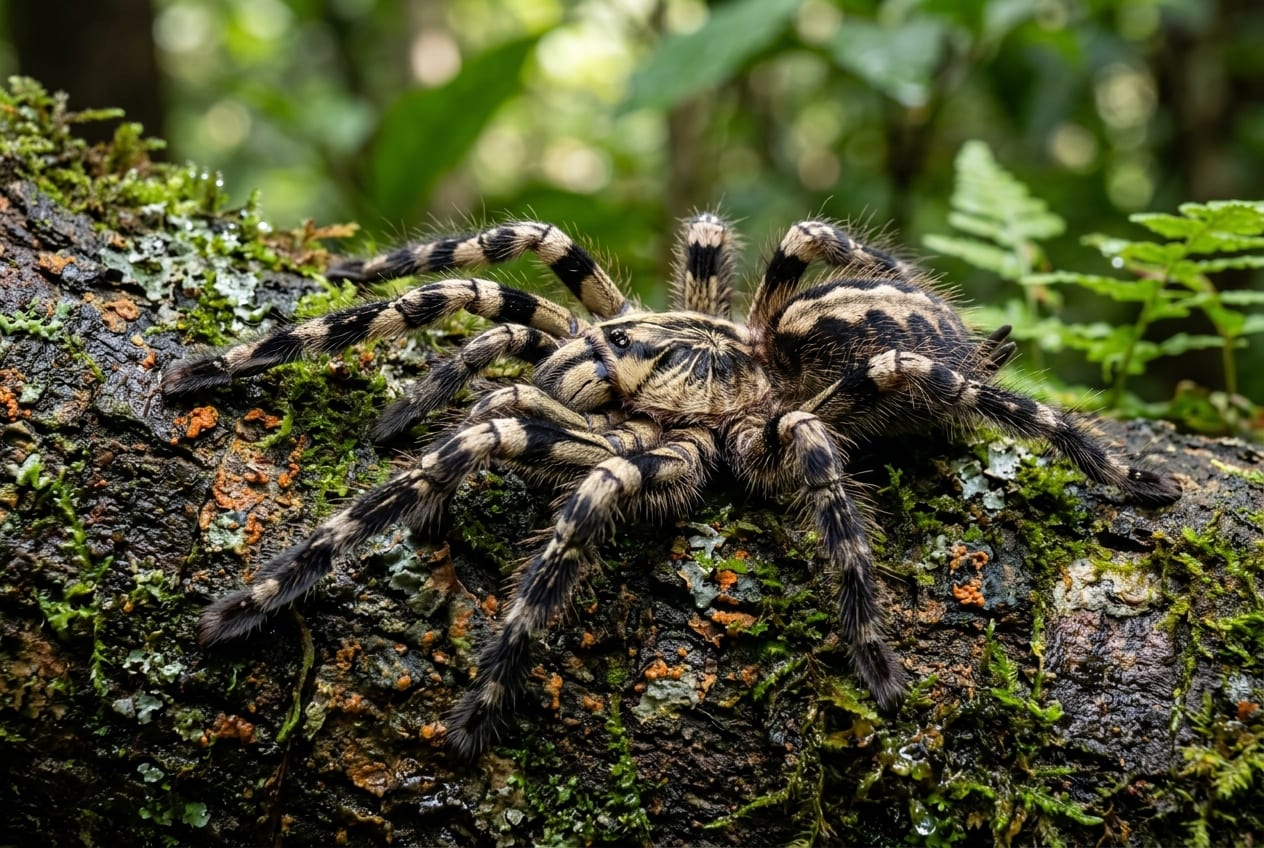
AI-generated image
Tiger Ornamental
AdvancedPoecilotheria tigrinawesseli
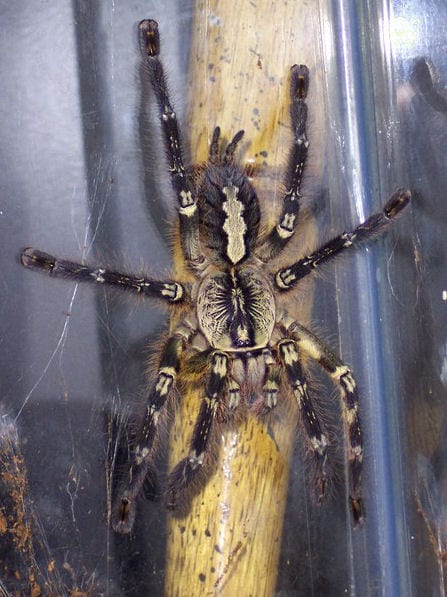
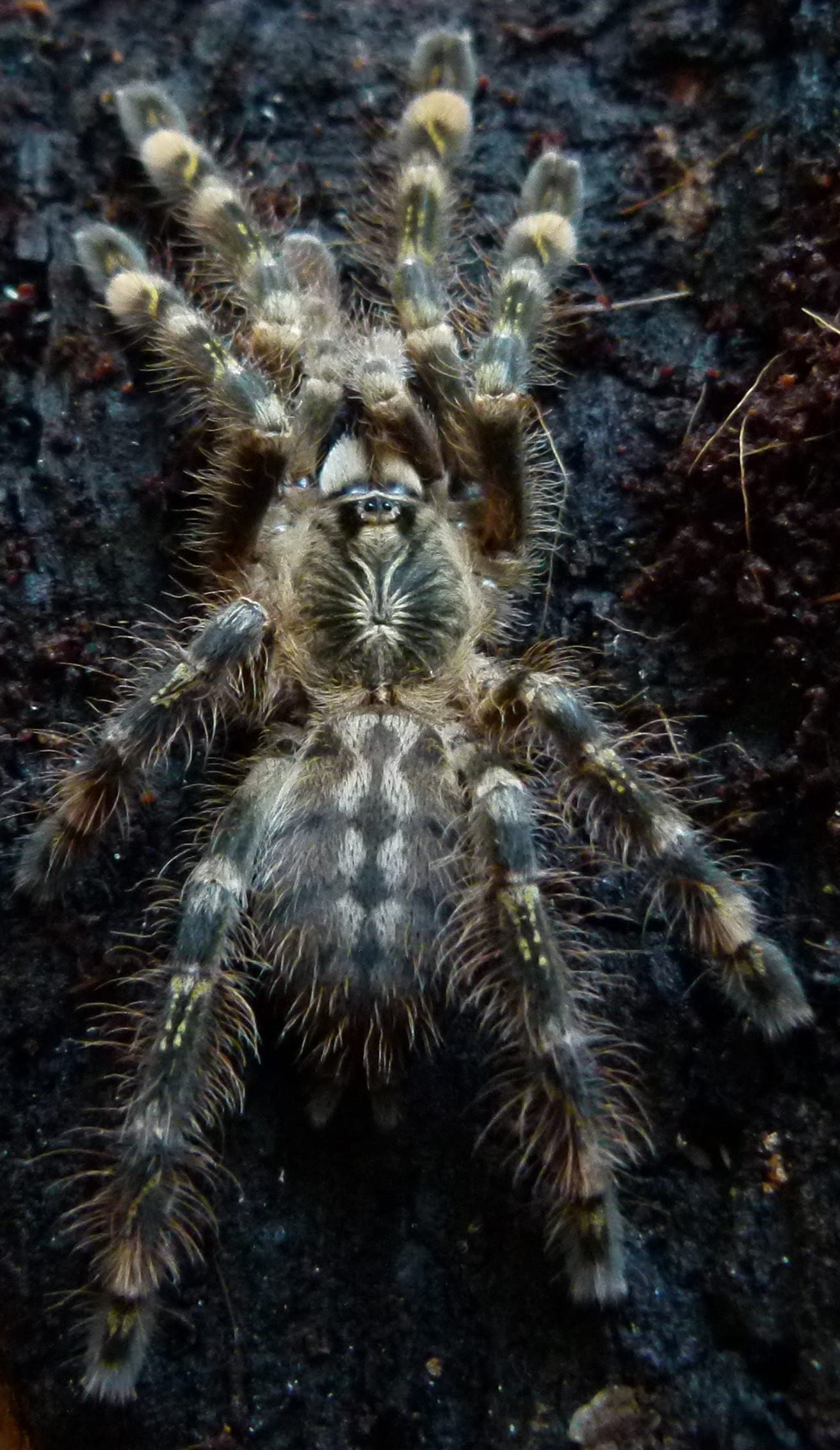
An arboreal tarantula endemic to the Eastern Ghats of India and known from only six locations around Andhra Pradesh. The black bands on its legs form a symmetrical, zebra-like pattern. It is shy but has potent venom.
Difficulty
Advanced
Temperature
24〜28℃
Lifespan
Females 12-15 years / males 3-4 years
Size
About 17-20cm leg span
Humidity
65〜75%
Diet
Live insects such as crickets and roaches
About
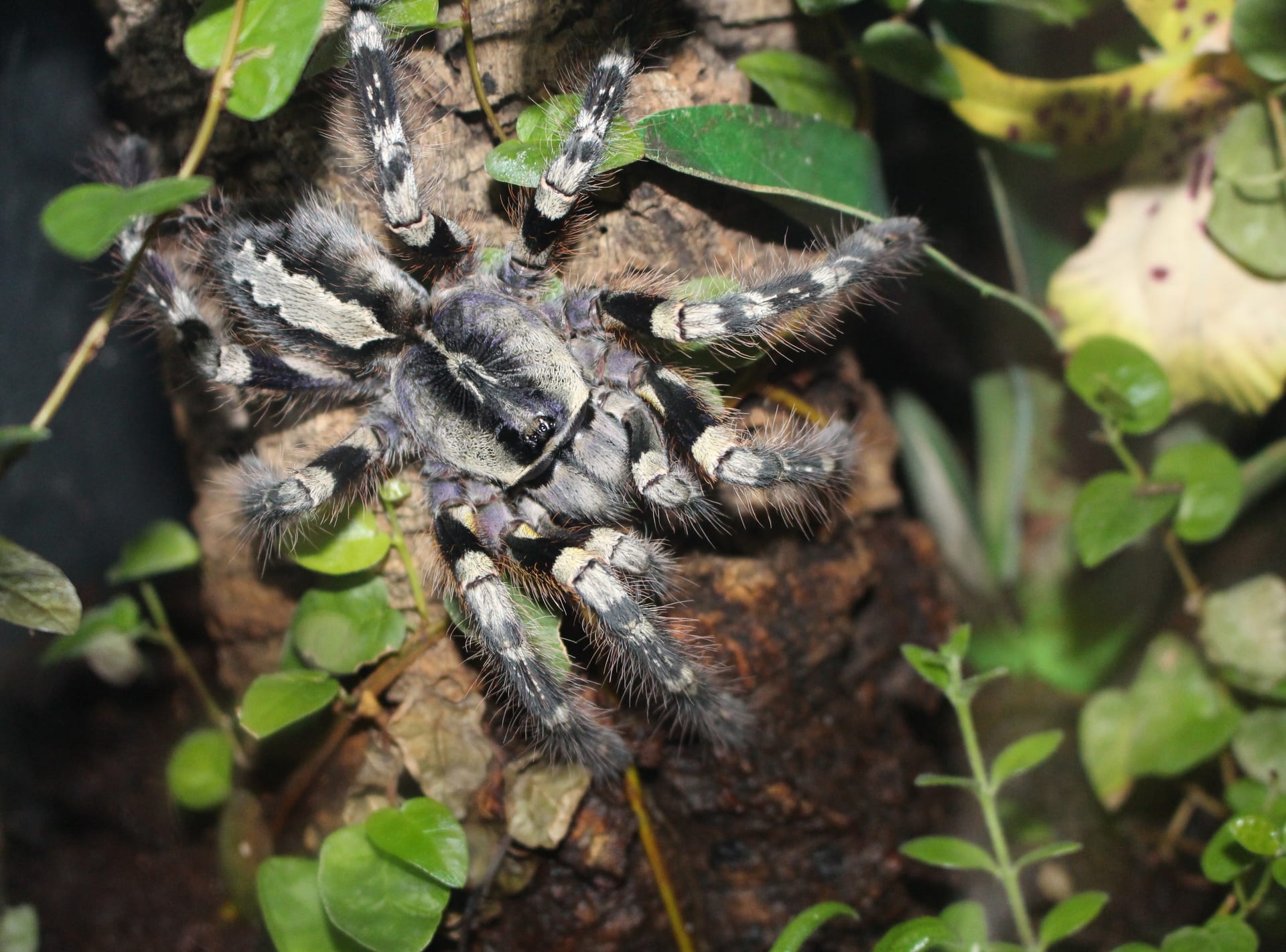
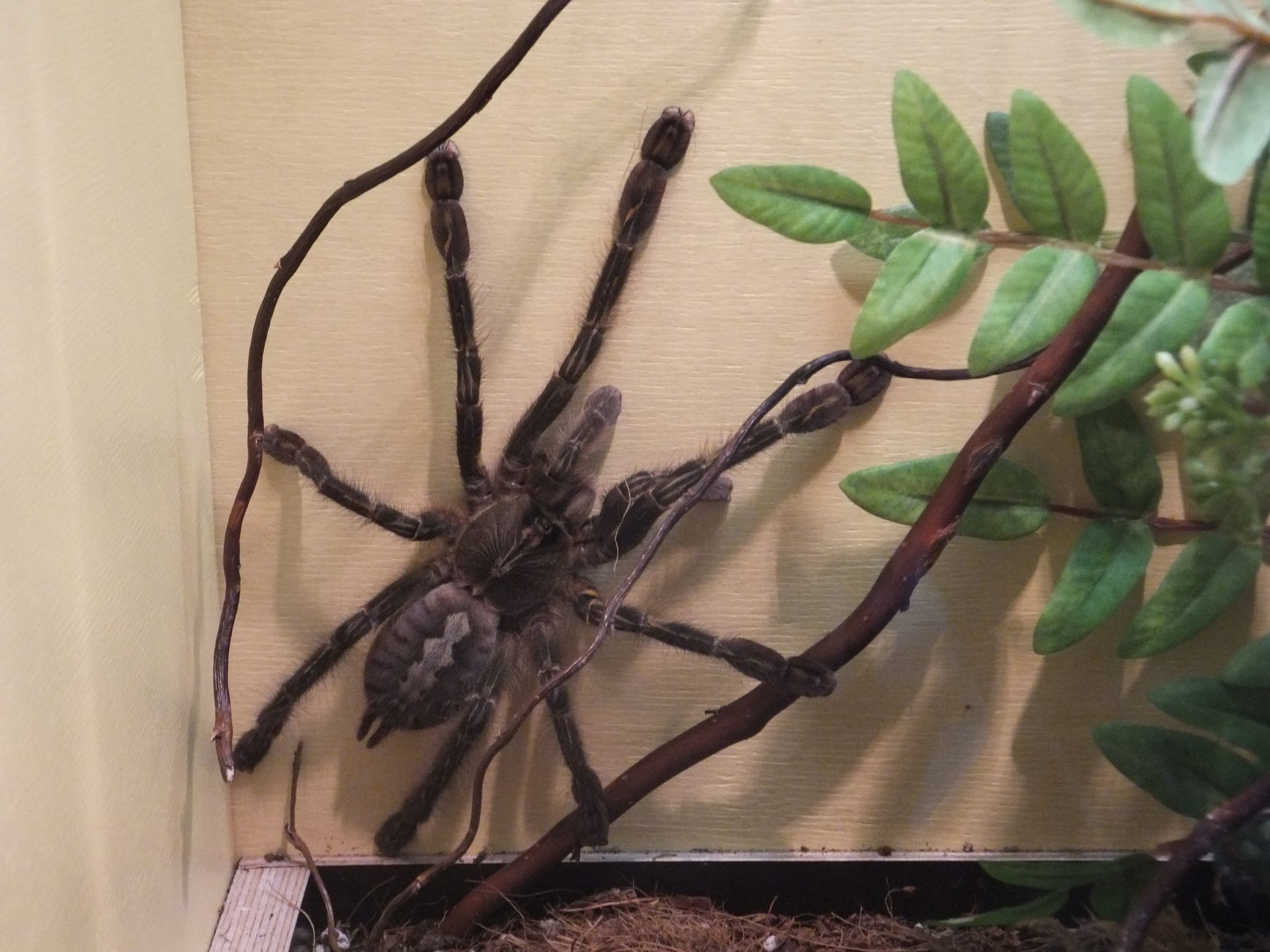
Poecilotheria tigrinawesseli, described by Smith in 2006, is endemic to the Eastern Ghats of India and known from only six locations around Andhra Pradesh. It is morphologically similar to Poecilotheria formosa but genetically closer to Poecilotheria miranda. The first pair of legs has a daffodil-yellow ground colour with a black band at the far end of the femur followed by a thin yellow band, and the fourth pair repeats the pattern on a bluish-grey ground, so that the overall leg pattern looks symmetrical and zebra-like. Adult females reach a leg span of about 17-20 cm and males are slightly smaller and more slender. It grows fast given warm conditions of 24-28 C and consistent feeding. Colour contrast is vivid just after a moult, with a subtle violet sheen on the carapace and legs that darkens before the next one. It lives in tree hollows, under bark and in rock crevices, and is uncommon in human habitations. It is shy, retreating to an elevated shelter rather than threat-posing when disturbed.
Source: Wikipedia (CC BY-SA 4.0)
Lifespan of the Tiger Ornamental
The Tiger Ornamental lives Females 12-15 years / males 3-4 years.
Size of the Tiger Ornamental
The Tiger Ornamental grows to About 17-20cm leg span.
Temperature & humidity for the Tiger Ornamental
The ideal temperature for the Tiger Ornamental is 24〜28℃. Ideal humidity is 65〜75%.
Basic Info
Origin
India (Eastern Ghats, around Andhra Pradesh)
Care Specifications
Semi-aggressiveSolitary
Sources: Tarantula Friendly: Poecilotheria tigrinawesseli / Wikipedia / Wikipedia: Poecilotheria (genus) / GBIF / The Tarantula Collective: Poecilotheria regalis (congener reference)
References & Sources
Edited & verified by: BreederDirect editorial team
The taxonomic, regulatory, and husbandry data on this page are compiled and verified against the authoritative primary sources below.
Taxonomy & Authority
Accepted name: Poecilotheria tigrinawesseli Smith, 2006
Synonyms: Poecilotheria chaojii Mirza, Sanap & Bhosale, 2014
Authority databases: GBIF
Nomenclature follows global taxonomic authority databases.
Regulations & Conservation Status
CITES Appendix IIIUCN DD · Data Deficient
Since 2019 all species of Poecilotheria have been listed on CITES Appendix II; international trade requires a CITES export permit from the country of export.
Sources: CITES Appendices (Poecilotheria spp. Appendix II) / IUCN Red List
Regulations may change. Always verify the latest information with the relevant authorities.
Tiger Ornamental Listings
Loading latest listingsFind listings for this species