Source: Wikimedia Commons
Fringed Ornamental
AdvancedPoecilotheria ornata
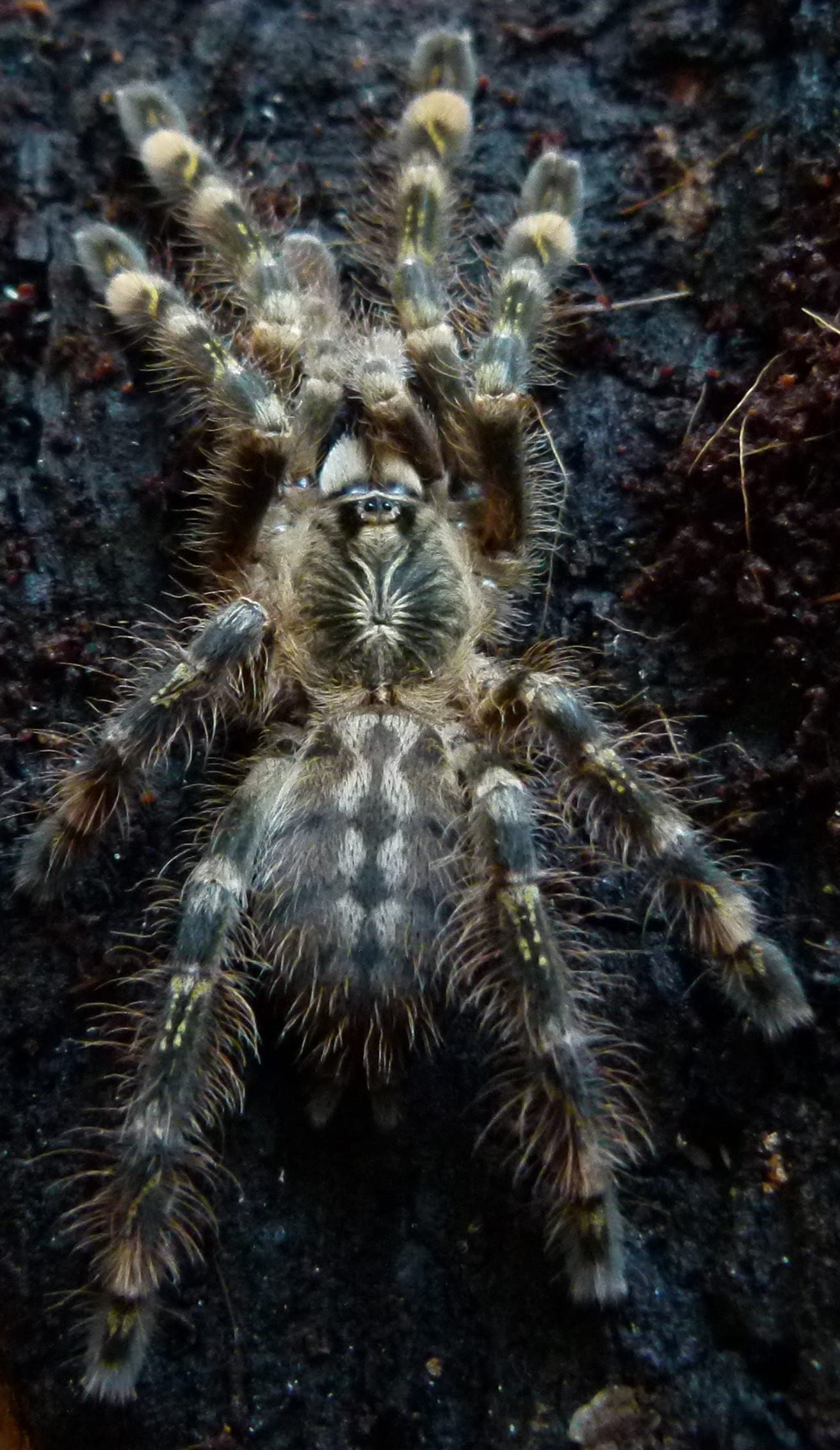
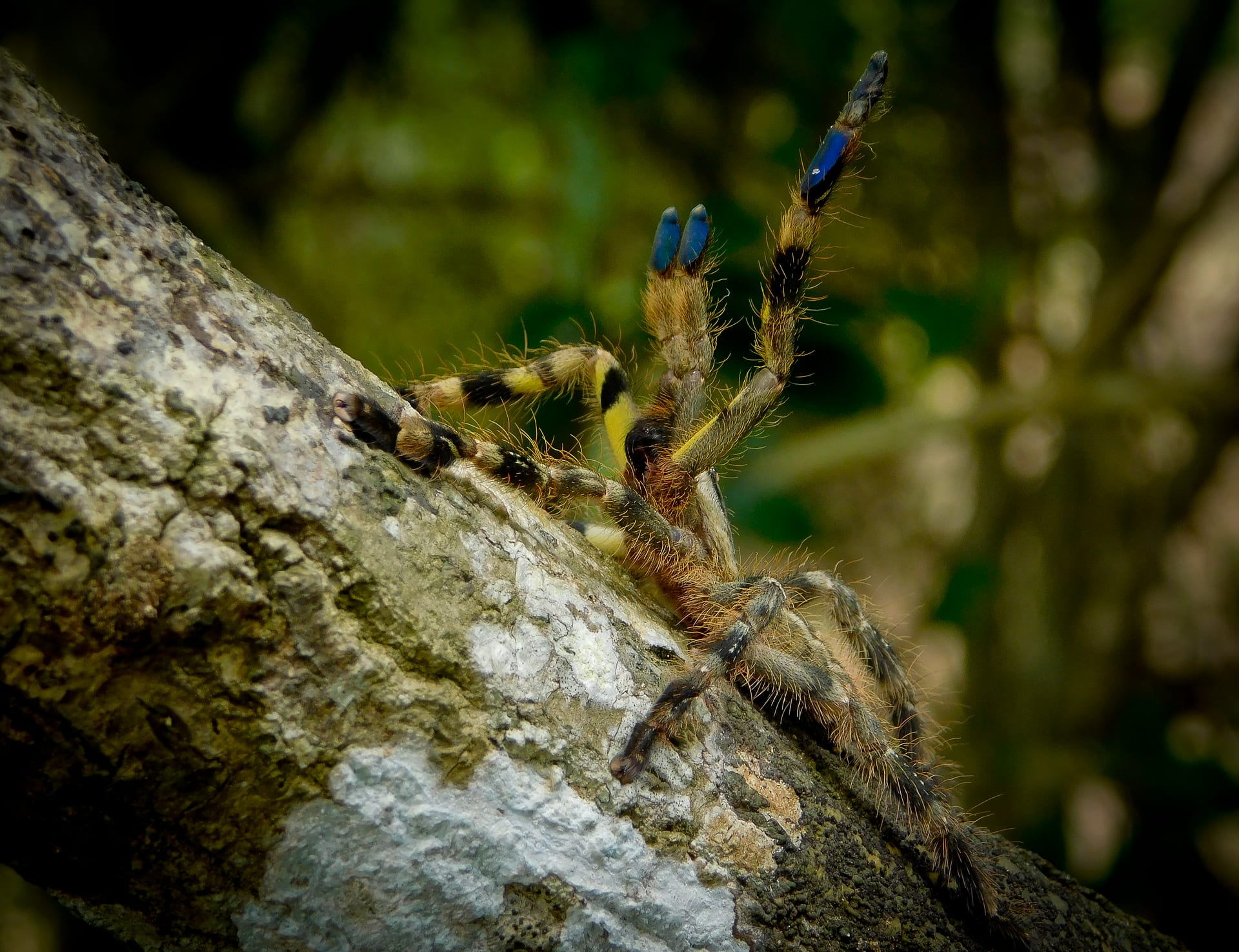
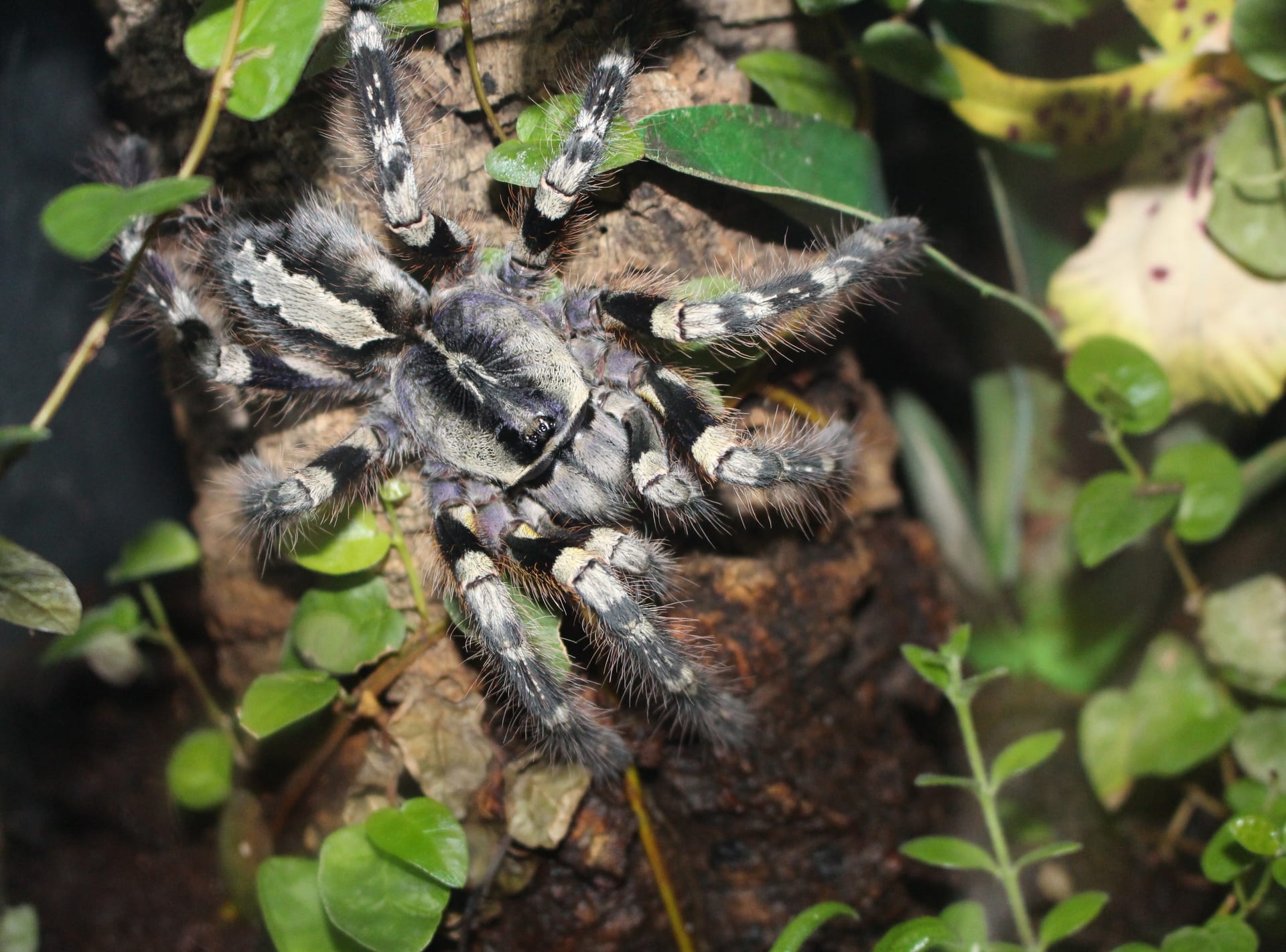
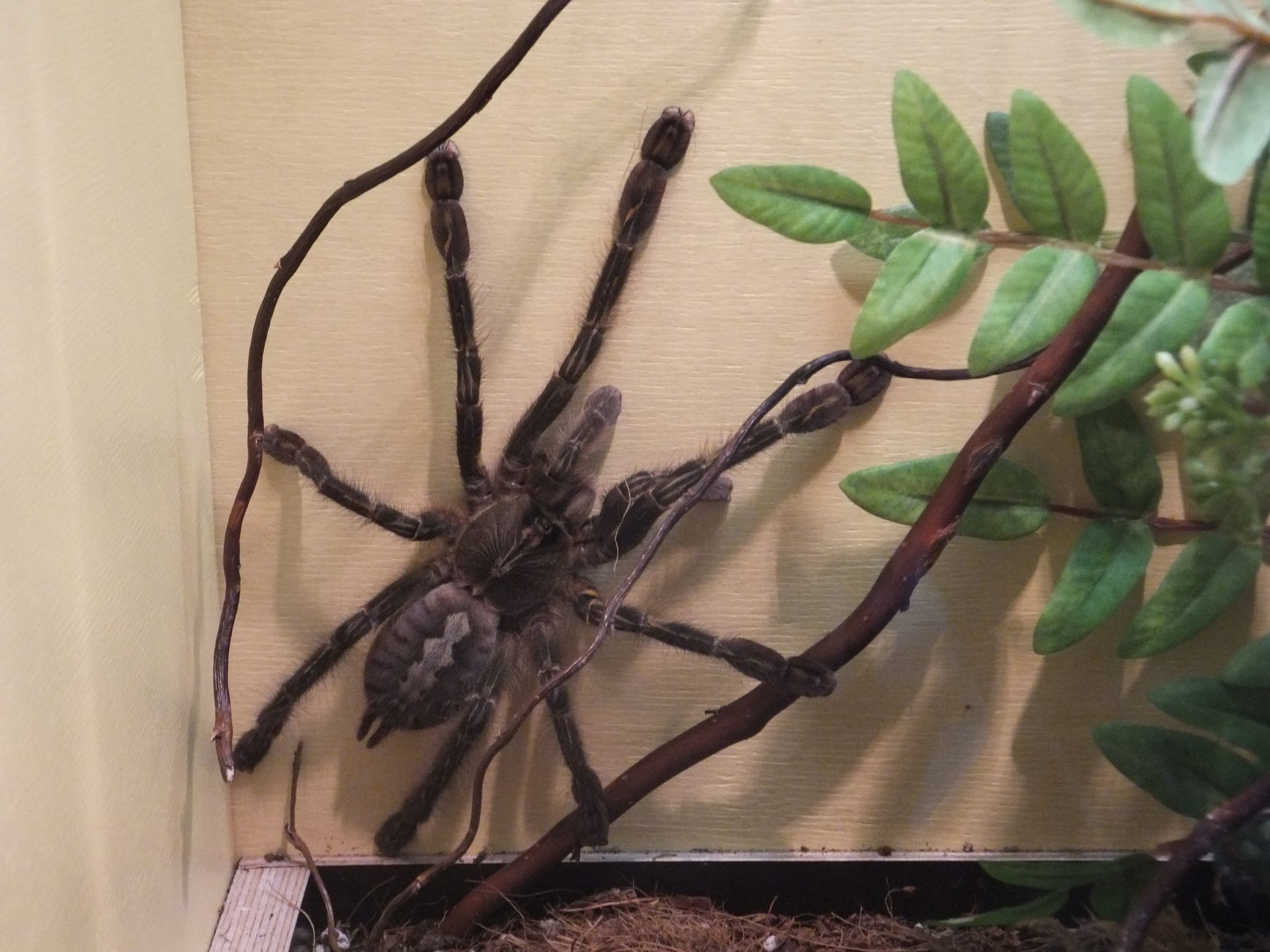
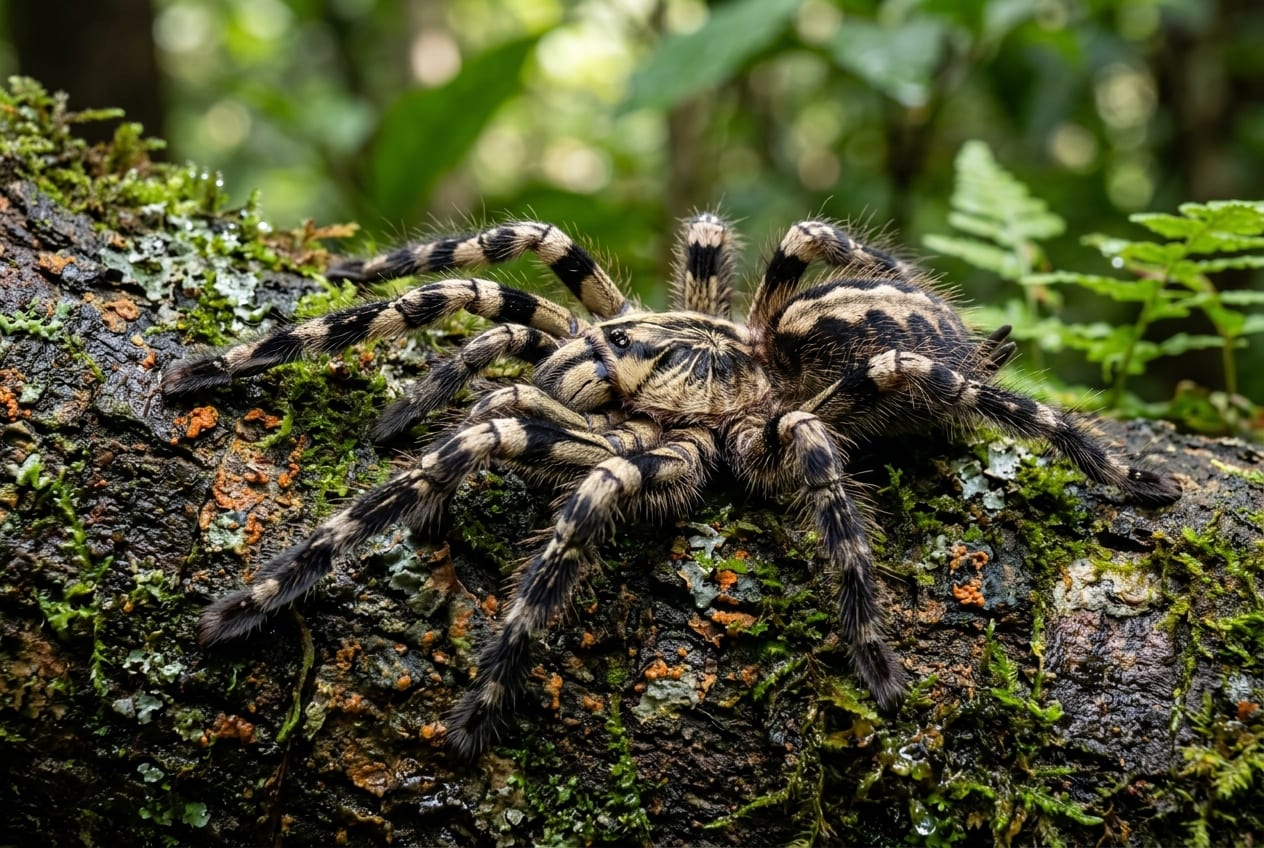
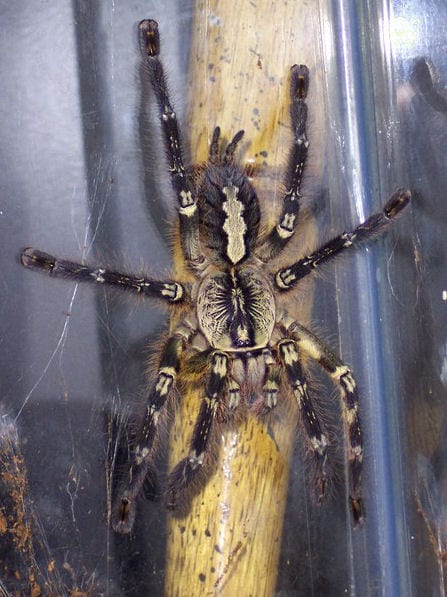
A large arboreal tarantula endemic to Sri Lanka, recognised by its greenish-yellow or purplish carapace and the intricate cryptic pattern on the abdomen. Leg span reaches 25cm and the venom is medically significant, so it suits experienced keepers only.
Difficulty
Advanced
Temperature
20〜24℃
Lifespan
Females up to about 15 years, males 3-4 years
Size
Up to about 25cm leg span (females)
Diet
Live insects such as crickets and roaches
About
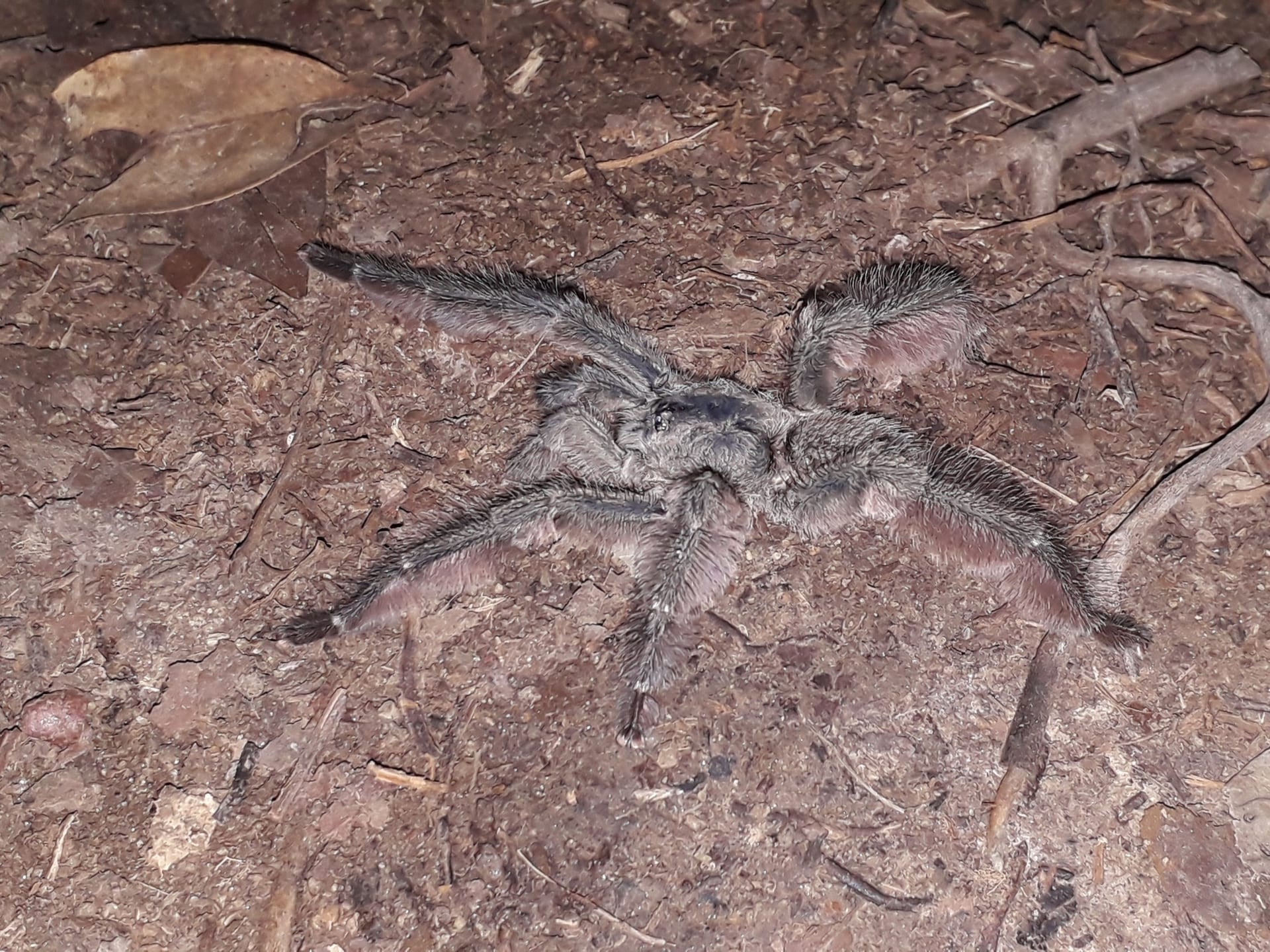
Poecilotheria ornata is a large arboreal tarantula endemic to Sri Lanka. Female leg span sometimes reaches 25 cm, making it probably the second largest in the genus after P. rufilata. It is easily separated from other ornamental tarantulas by the greenish-yellow or purplish tinge of the carapace, and it has a white spot on the underside of the fourth femur. The abdomen carries the intricate cryptic pattern shared across the genus. In the wild it lives in holes in tall trees where it builds asymmetric funnel webs. Its main prey is flying insects, which it catches by ambush rather than in a web. Where tree holes are limited, several individuals are known to live communally in one tree. A possibly mutualistic association with the frog Ramanella nagaoi, which shares its tree holes, has also been reported. The venom is medically significant and bites cause intense pain and extreme muscle cramping.
Source: Wikipedia (CC BY-SA 4.0)
Lifespan of the Fringed Ornamental
The Fringed Ornamental lives Females up to about 15 years, males 3-4 years.
Size of the Fringed Ornamental
The Fringed Ornamental grows to Up to about 25cm leg span (females).
Temperature & humidity for the Fringed Ornamental
The ideal temperature for the Fringed Ornamental is 20〜24℃.
Basic Info
Origin
Sri Lanka (endemic)
Lifespan
Care Specifications
Semi-aggressiveSolitary
Sources: The Tarantula Collective: Poecilotheria ornata / Wikipedia / Wikipedia: Poecilotheria (genus) / GBIF
References & Sources
Edited & verified by: BreederDirect editorial team
The taxonomic, regulatory, and husbandry data on this page are compiled and verified against the authoritative primary sources below.
Taxonomy & Authority
Accepted name: Poecilotheria ornata Pocock, 1899
Authority databases: GBIF
Nomenclature follows global taxonomic authority databases.
Regulations & Conservation Status
CITES Appendix II
Since 2019 all species of Poecilotheria have been listed on CITES Appendix II; international trade requires a CITES export permit from the country of export.
Sources: CITES Appendices (Poecilotheria spp. Appendix II)
Regulations may change. Always verify the latest information with the relevant authorities.
Fringed Ornamental Listings
Loading latest listingsFind listings for this species