Source: Wikimedia Commons
Ivory Ornamental
AdvancedPoecilotheria subfusca
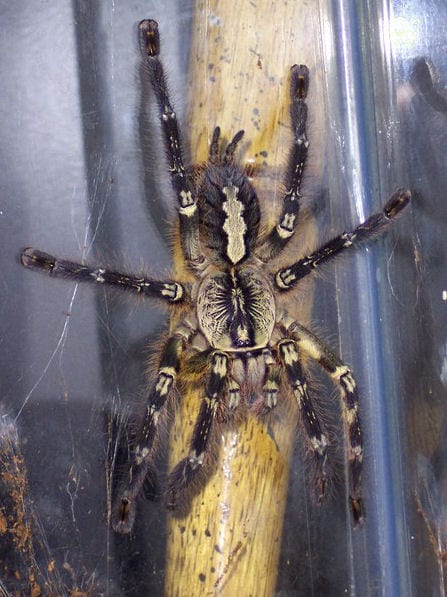
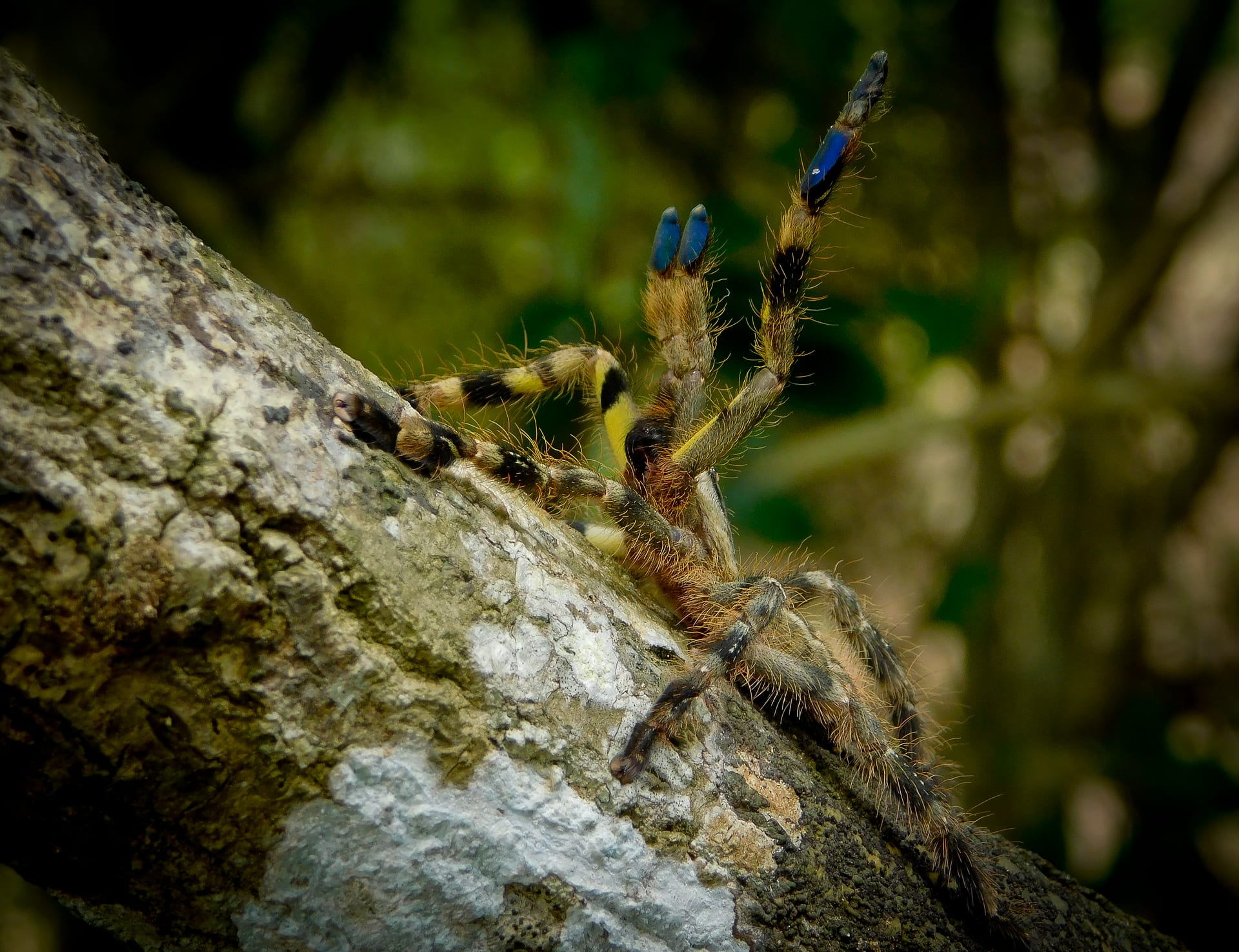
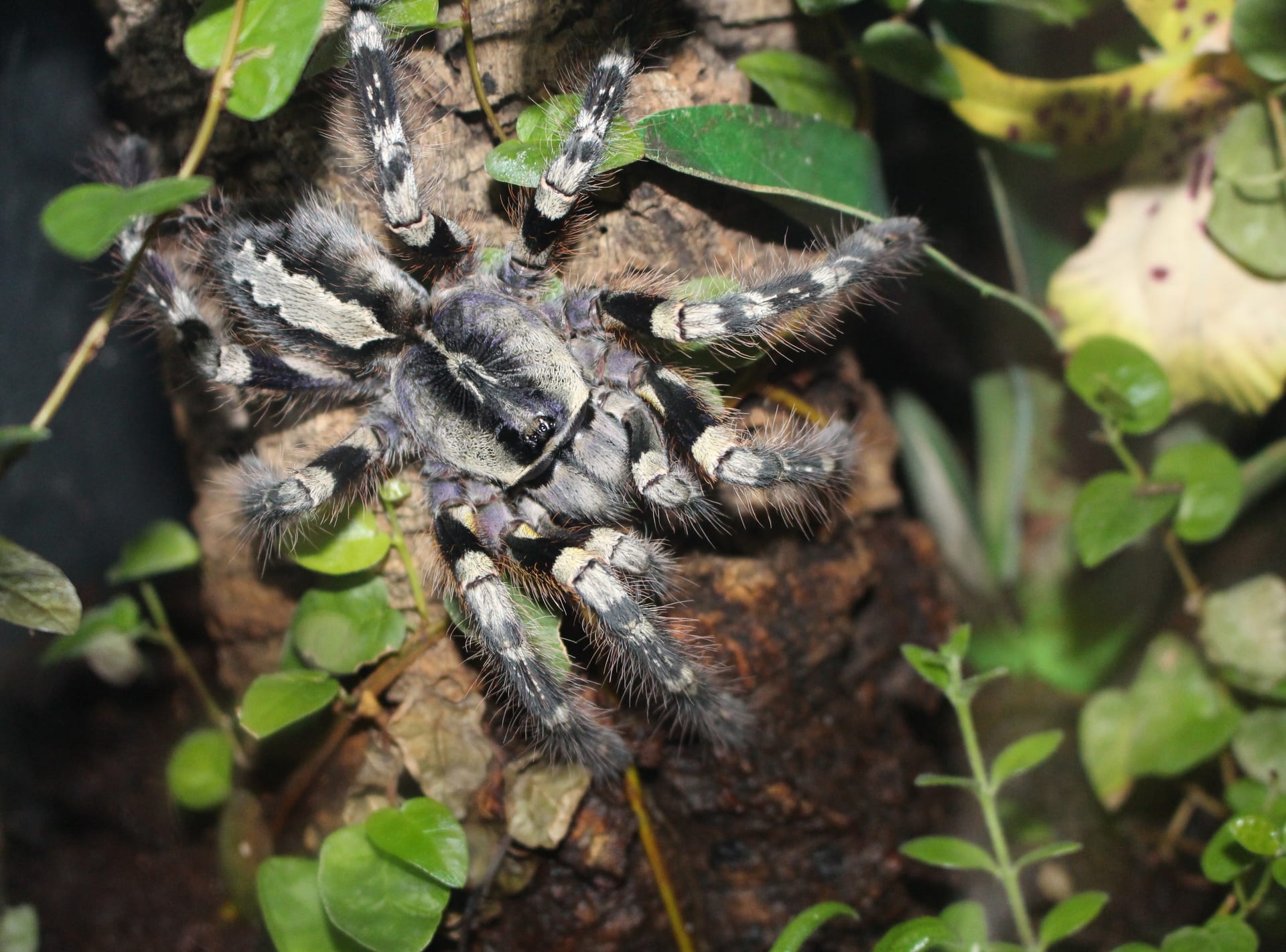
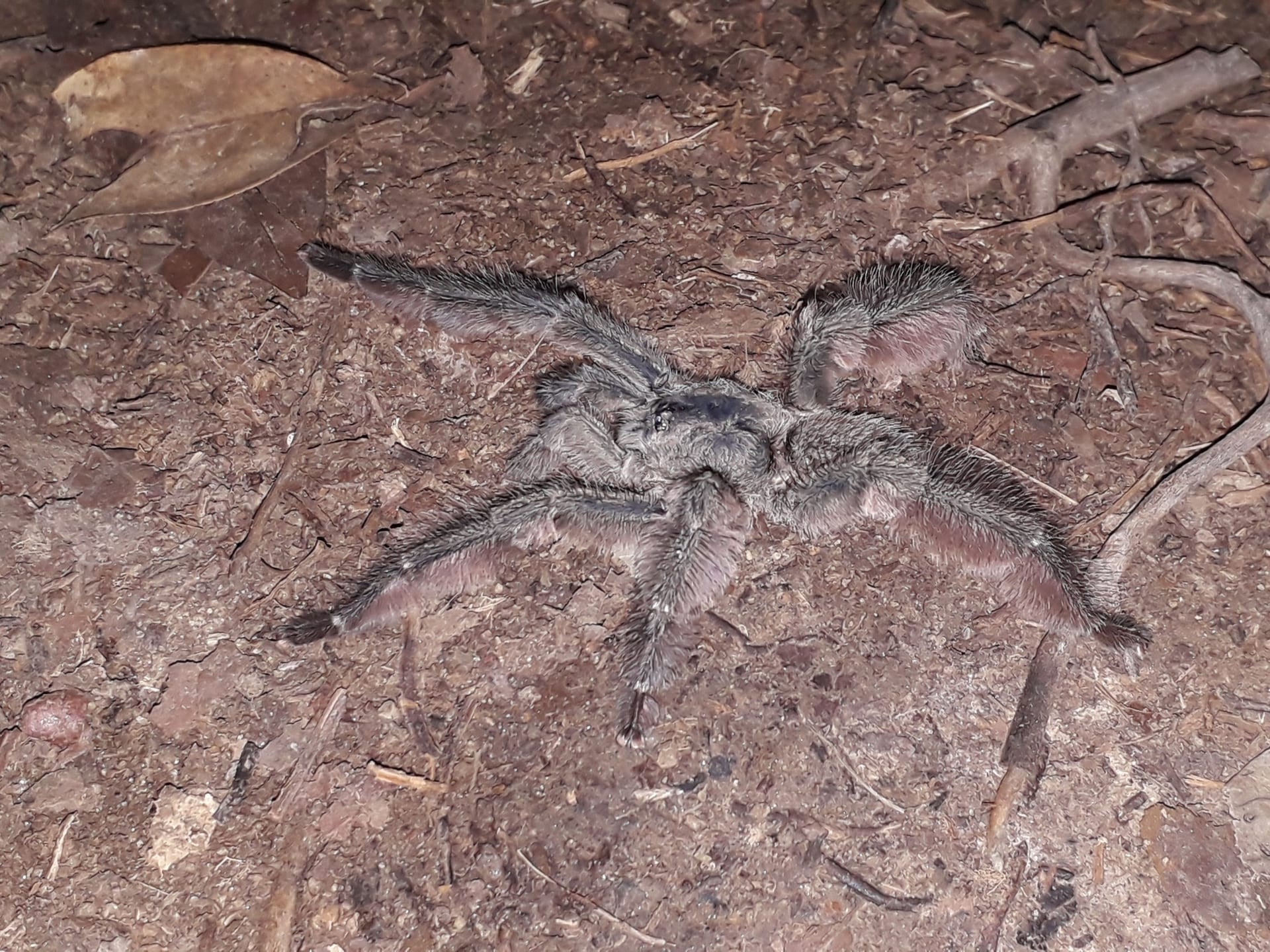
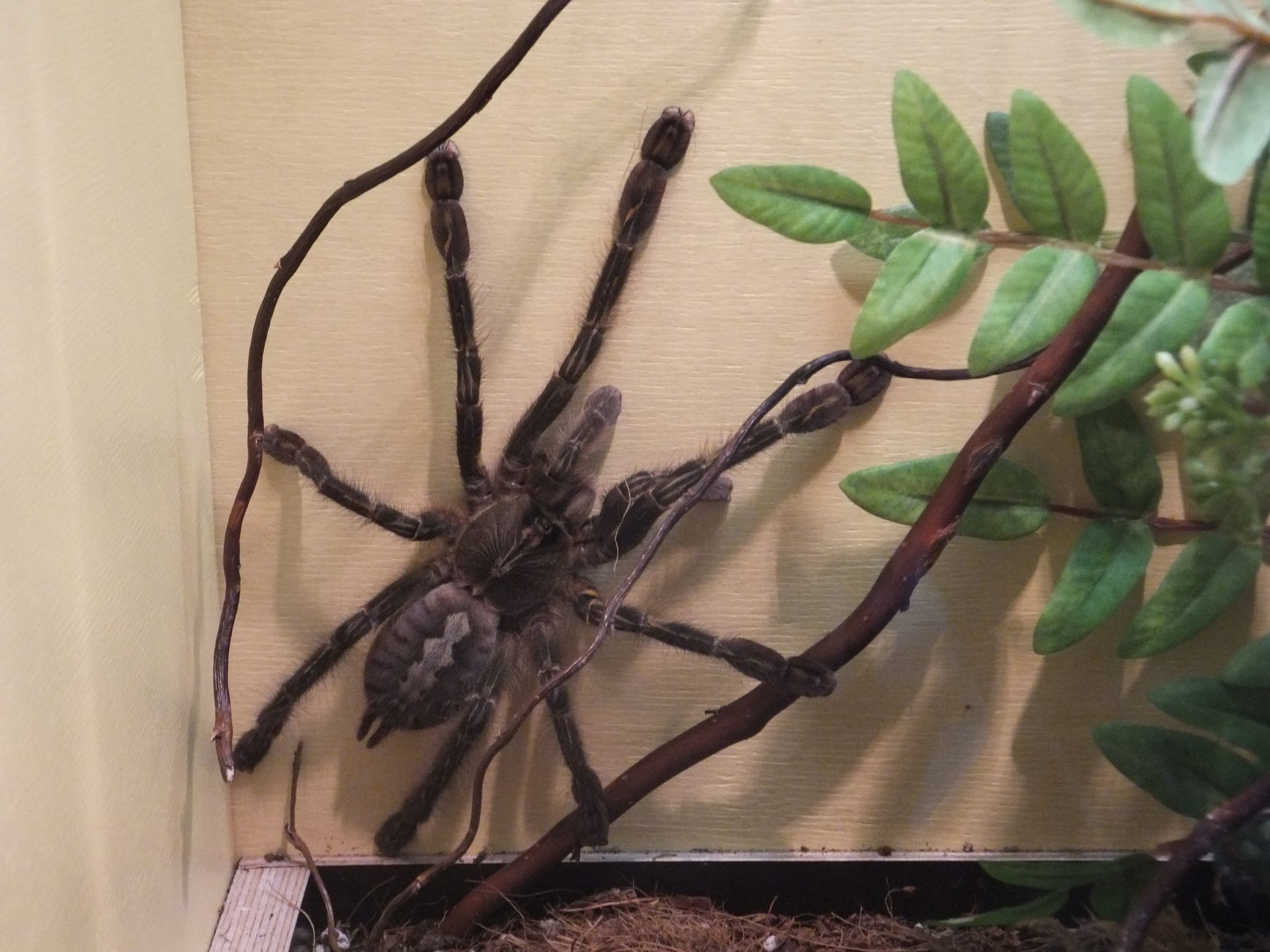
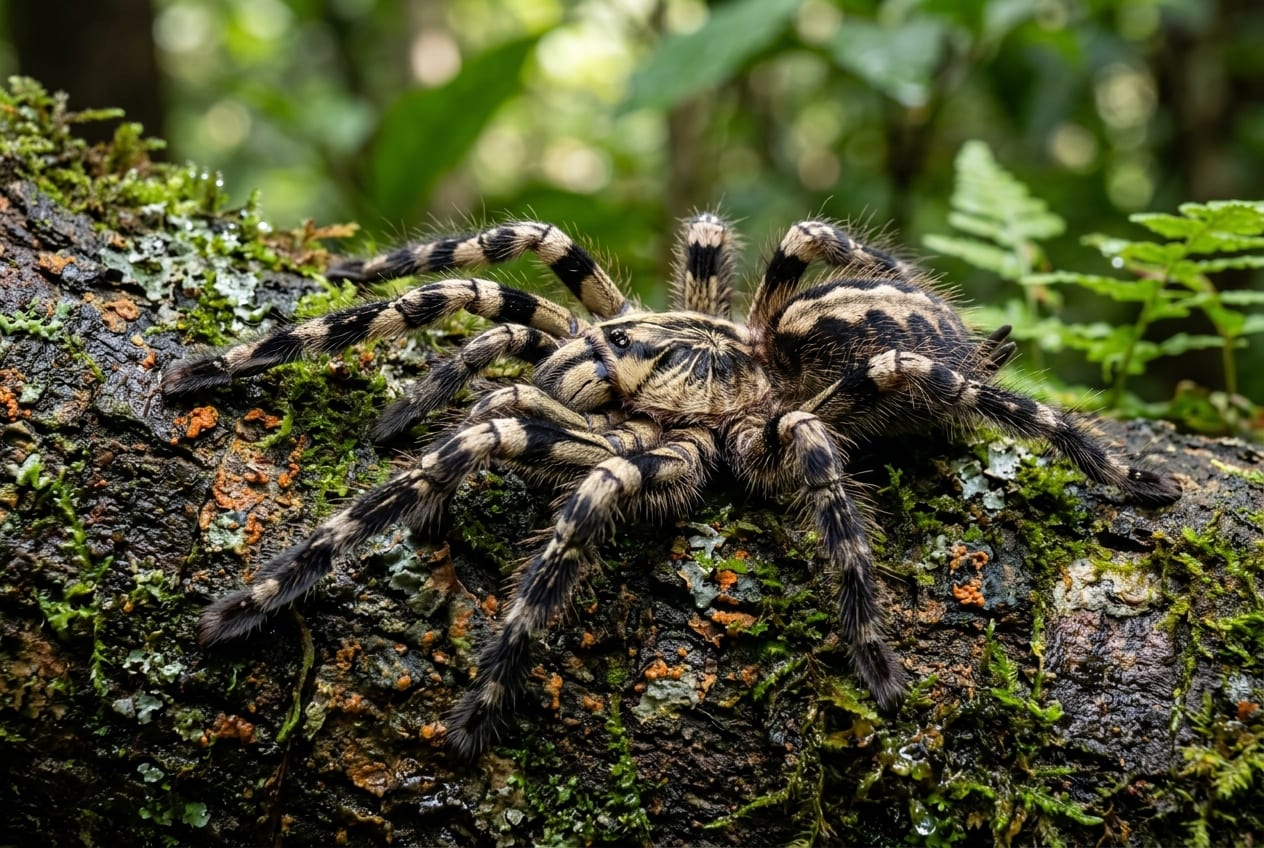
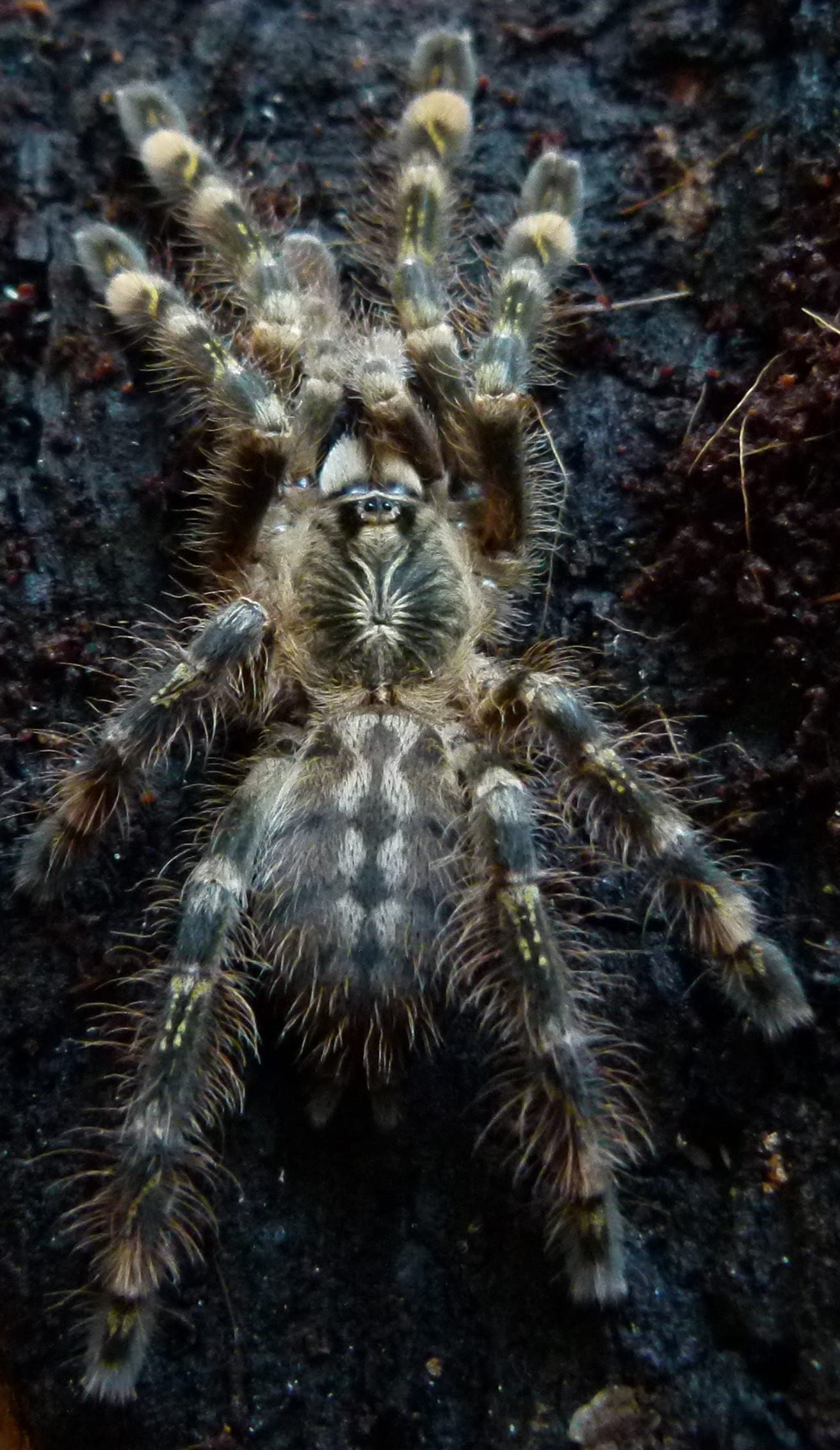
An arboreal tarantula endemic to Sri Lanka. The large dark abdomen carries a folium of three linked dark spots, and the creamy chelicerae and patellae are distinctive. Highland and lowland forms are recognised, and the species is exceptionally fast.
Difficulty
Advanced
Temperature
20〜24℃
Lifespan
Females about 15 years, males about 4 years
Size
Body length: females 8-9cm, males 6-7cm (leg span about 15cm in the highland form, about 20cm in the lowland form)
Humidity
65〜75%
Diet
Live insects such as crickets and roaches
About
Poecilotheria subfusca, described by Pocock in 1895, is an arboreal tarantula endemic to Sri Lanka. The female carapace is dark brown dorsally with pale margins, forming a starburst pattern. Highland and lowland forms are recognised and differ in habitat: highland populations occupy cooler, humid montane forest at roughly 18-22 C, lowland populations warmer forest at 24-29 C. It builds a silken retreat in cavities and bark fissures of mature trees and is nocturnal, staying hidden by day. Even within the genus it is exceptionally agile, moving rapidly both vertically and laterally. As an Old World species it lacks urticating hairs; the venom is medically significant, and bites by closely related species have caused intense pain and muscle cramps lasting days to weeks.
Source: Wikipedia (CC BY-SA 4.0)
Lifespan of the Ivory Ornamental
The Ivory Ornamental lives Females about 15 years, males about 4 years.
Size of the Ivory Ornamental
The Ivory Ornamental grows to Body length: females 8-9cm, males 6-7cm (leg span about 15cm in the highland form, about 20cm in the lowland form).
Females measure 8-9 cm in body length and males 6-7 cm, and the species is distinguished by its large dark opisthosoma and a folium of three linked dark spots extending halfway down it.
Temperature & humidity for the Ivory Ornamental
The ideal temperature for the Ivory Ornamental is 20〜24℃. Ideal humidity is 65〜75%.
Basic Info
Origin
Care Specifications
Semi-aggressiveSolitary
Sources: The Tarantula Collective: Poecilotheria subfusca / Wikipedia / Wikipedia: Poecilotheria (genus) / GBIF
References & Sources
Edited & verified by: BreederDirect editorial team
The taxonomic, regulatory, and husbandry data on this page are compiled and verified against the authoritative primary sources below.
Taxonomy & Authority
Accepted name: Poecilotheria subfusca Pocock, 1895
Synonyms: Poecilotheria bara Chamberlin, 1917, Poecilotheria uniformis Strand, 1913
Authority databases: GBIF
Nomenclature follows global taxonomic authority databases.
Regulations & Conservation Status
CITES Appendix II
Since 2019 all species of Poecilotheria have been listed on CITES Appendix II; international trade requires a CITES export permit from the country of export.
Sources: CITES Appendices (Poecilotheria spp. Appendix II)
Regulations may change. Always verify the latest information with the relevant authorities.
Ivory Ornamental Listings
Loading latest listingsFind listings for this species