Source: Wikimedia Commons
Madagascar Fire Millipede
IntermediateAphistogoniulus corallipes
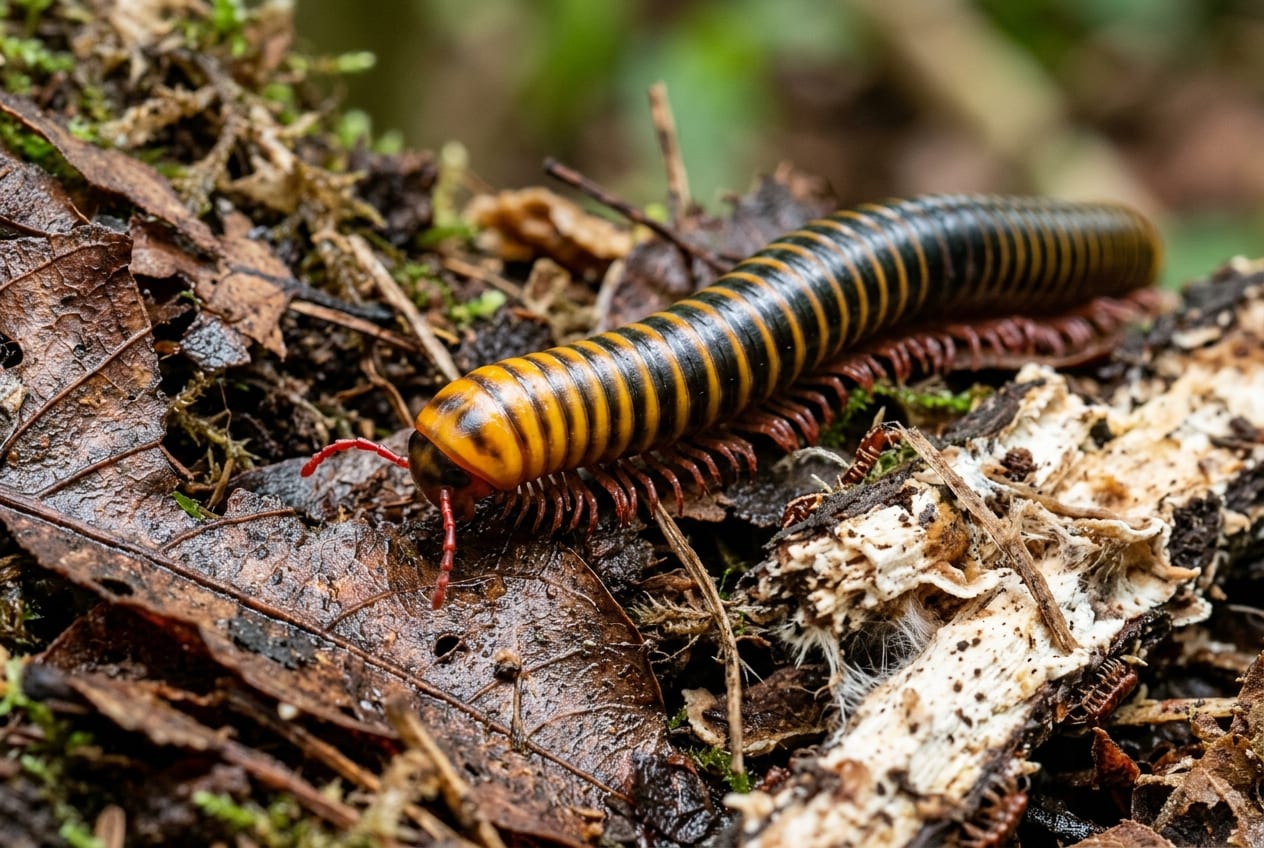
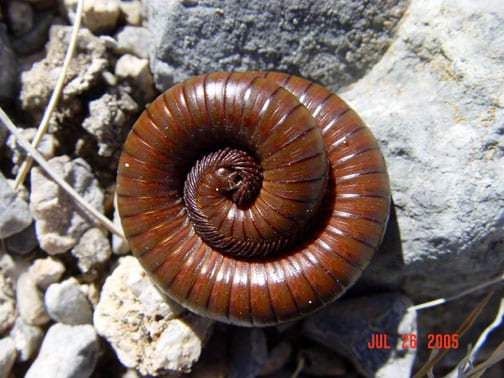
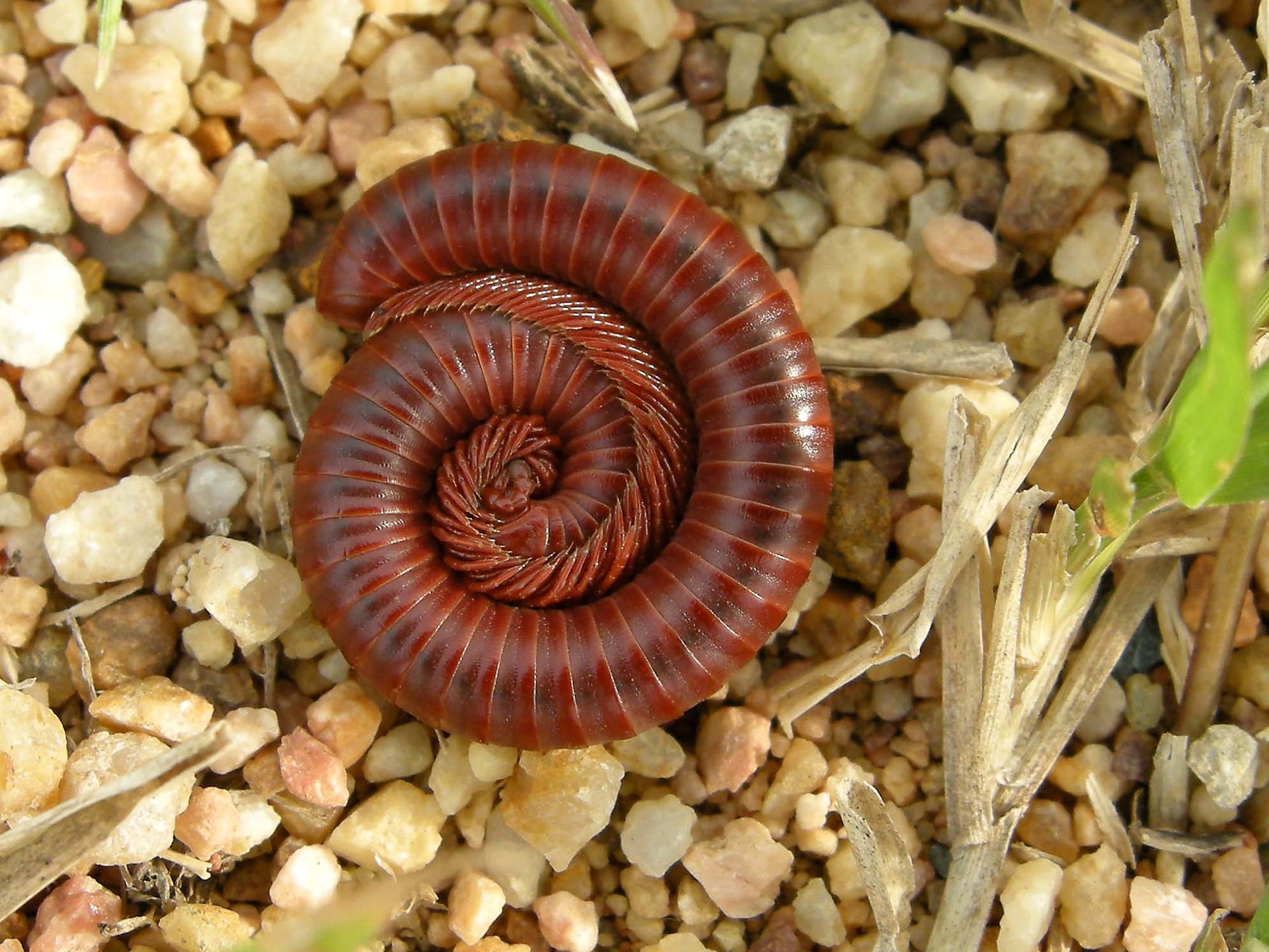
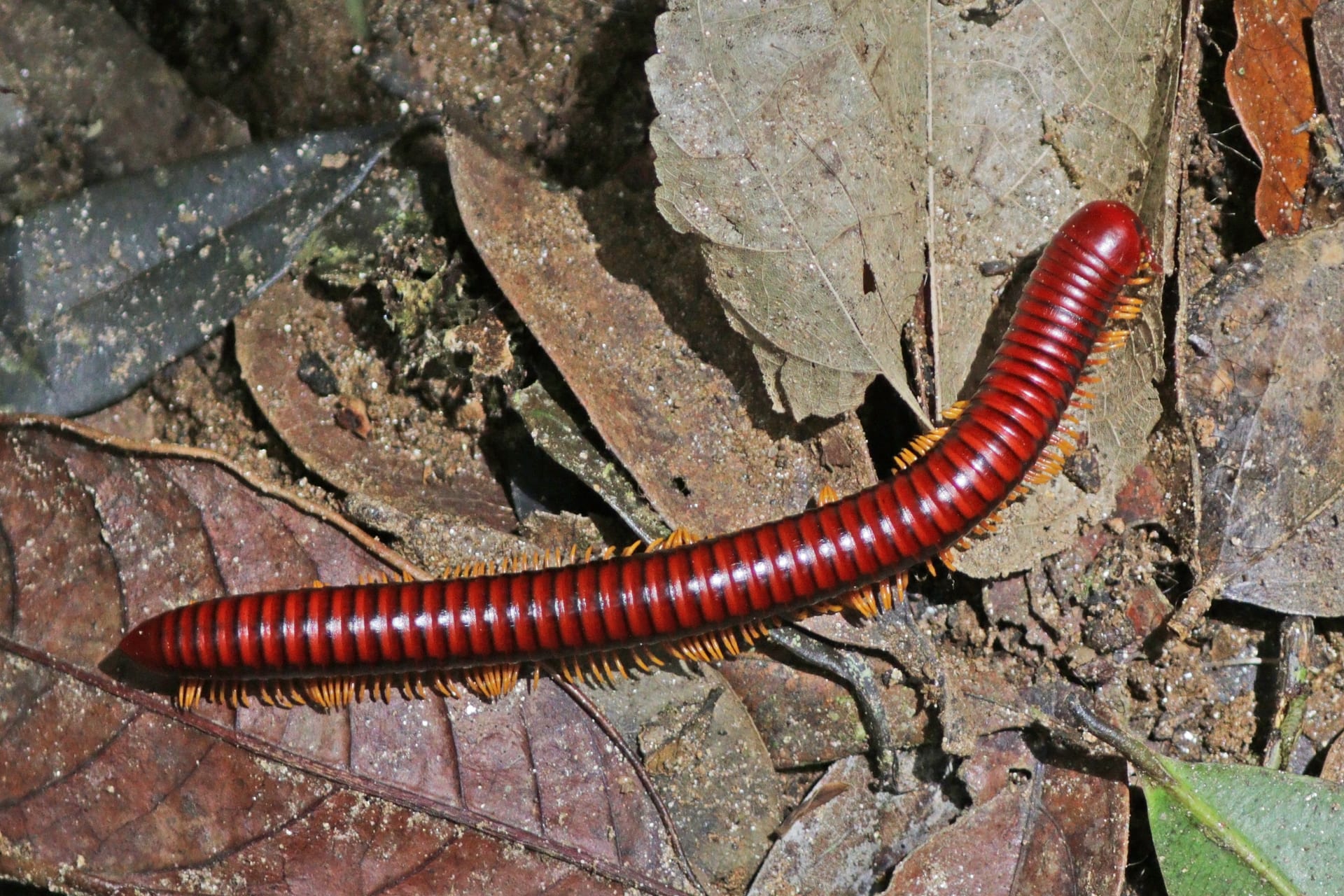
A large millipede endemic to the rainforests of eastern Madagascar. Its black to dark chestnut body lined with bright red legs is the source of the trade name fire millipede. It needs high humidity and deep humus-rich substrate, and burrows by day.
Difficulty
Intermediate
Temperature
22〜26℃
Lifespan
5-7 years
Humidity
80〜90%
Diet
Leaf litter, decaying wood, vegetables such as cucumber and sweet potato, calcium supplements
About
Aphistogoniulus corallipes is a pachybolid millipede from the rainforests of eastern Madagascar. Bright red legs set against a black to dark chestnut body give the species its fire millipede trade name. The genus Aphistogoniulus is endemic to Madagascar and includes several of the island's larger millipedes, which circulate in the hobby under similar names, so the identity of purchased stock should be confirmed. The species is nocturnal and shelters by day in humus and leaf litter. In captivity it needs high humidity together with good ventilation, and a deep bed of leaves, decaying wood and humus. Because the substrate itself is the main food, its quality and quantity govern growth; vegetables and calcium supplements are useful extras. Several animals can be kept together and they will breed once settled, though the young grow slowly. Temperature and humidity follow published practice for the congeneric A.
Source: GBIF
Lifespan of the Madagascar Fire Millipede
The Madagascar Fire Millipede lives 5-7 years.
Temperature & humidity for the Madagascar Fire Millipede
The ideal temperature for the Madagascar Fire Millipede is 22〜26℃. Ideal humidity is 80〜90%.
polleni: roughly 22-26 C and 80-90% humidity.
Basic Info
Origin
Rainforests of eastern Madagascar, including Andasibe-Mantadia National Park
Lifespan
5-7 years
Temperature
Care Specifications
PeacefulGroupBreeding: Moderate
Sources: Insektenliebe: Aphistogoniulus polleni (congeneric husbandry reference) / GBIF: Aphistogoniulus corallipes
References & Sources
Edited & verified by: BreederDirect editorial team
The taxonomic, regulatory, and husbandry data on this page are compiled and verified against the authoritative primary sources below.
Taxonomy & Authority
Accepted name: Aphistogoniulus corallipes (Saussure & Zehntner, 1902)
Synonyms: Spirobolus corallipes De Saussure & Zehntner, 1902, Mystalides corallipes (De Saussure & Zehntner, 1902)
Authority databases: GBIF
Nomenclature follows global taxonomic authority databases.
Regulations & Conservation Status
Not CITES-listed
Sources: CITES Appendices (species not listed)
Regulations may change. Always verify the latest information with the relevant authorities.
Madagascar Fire Millipede Listings
Loading latest listingsFind listings for this species