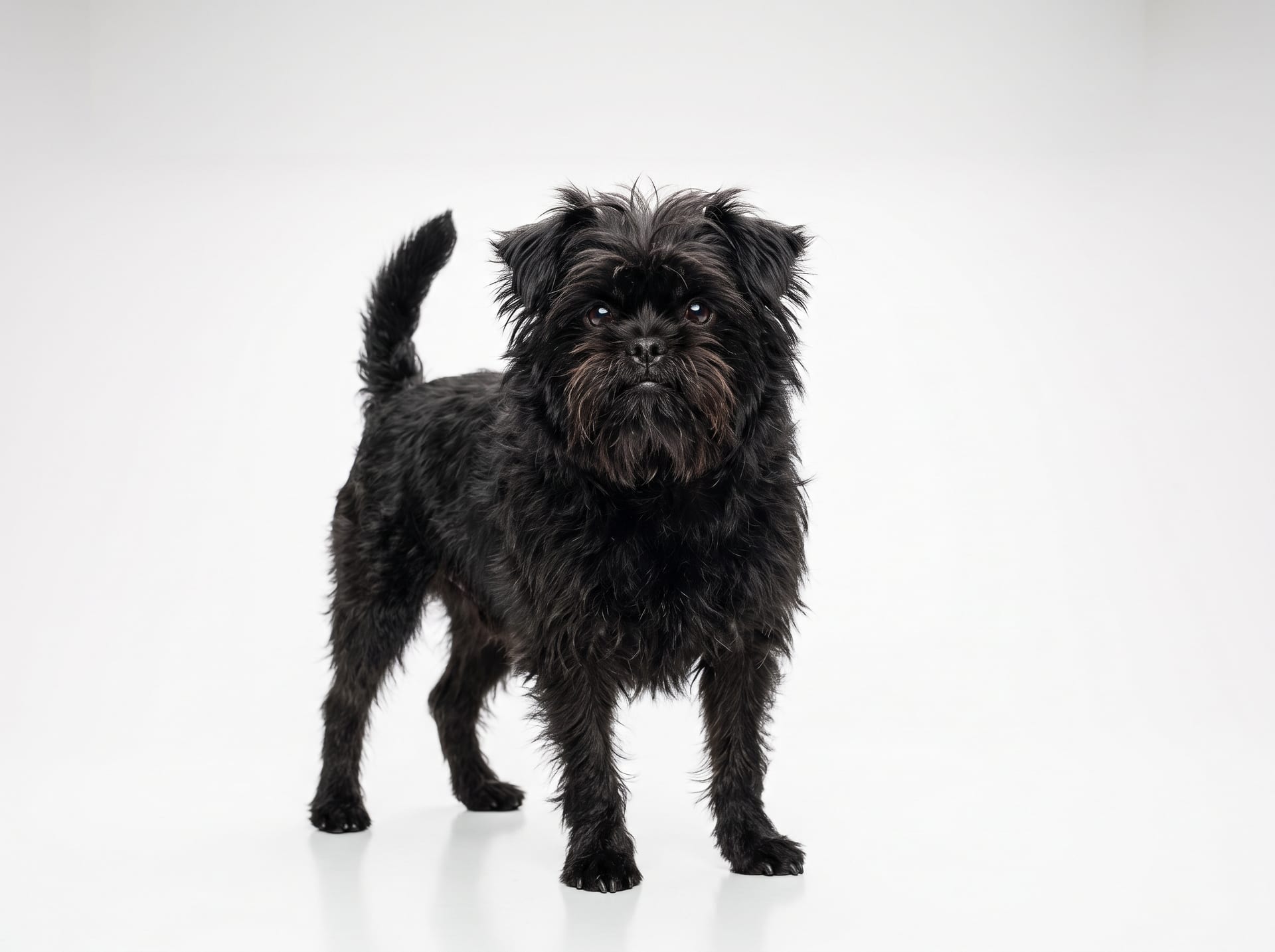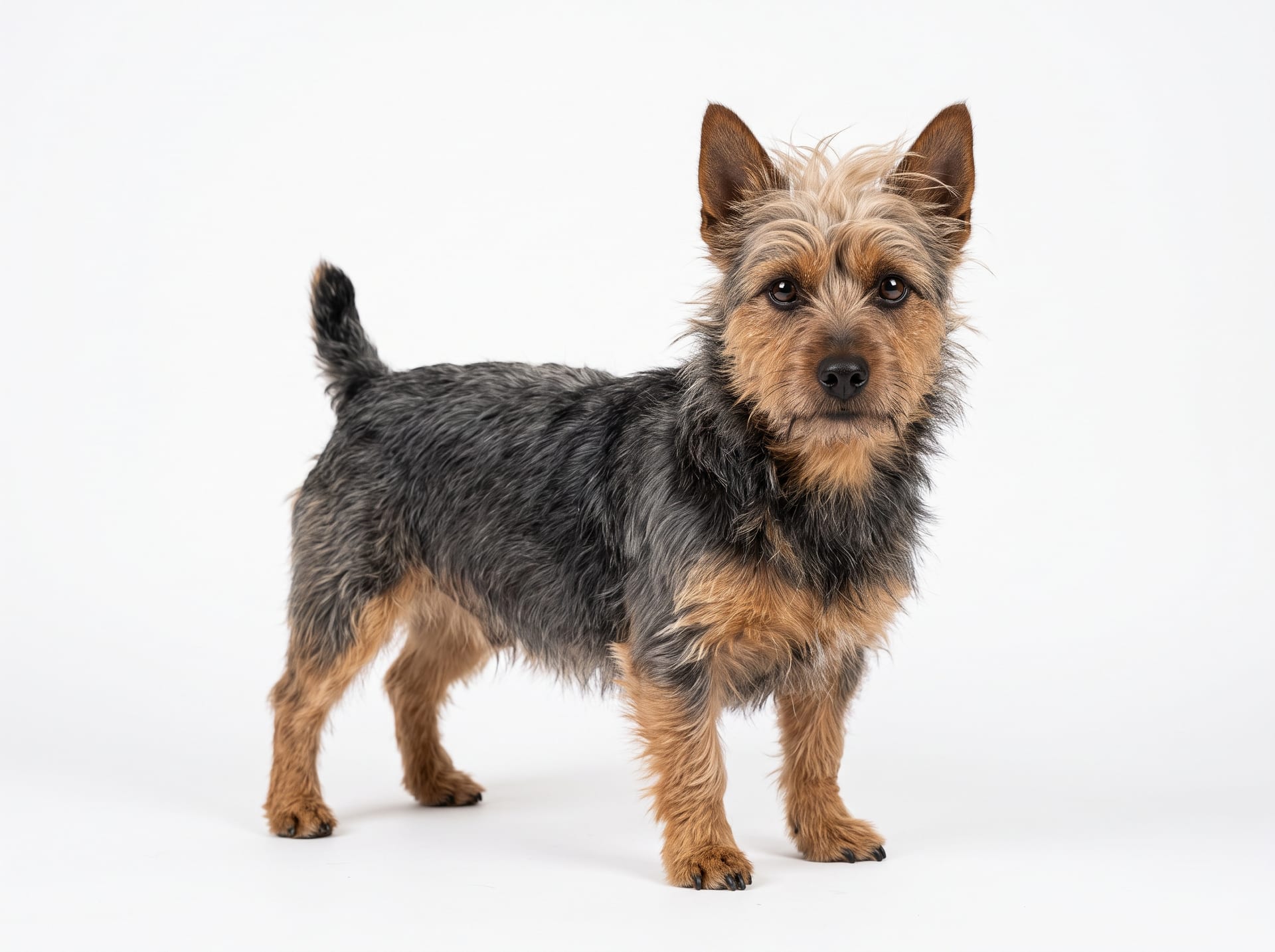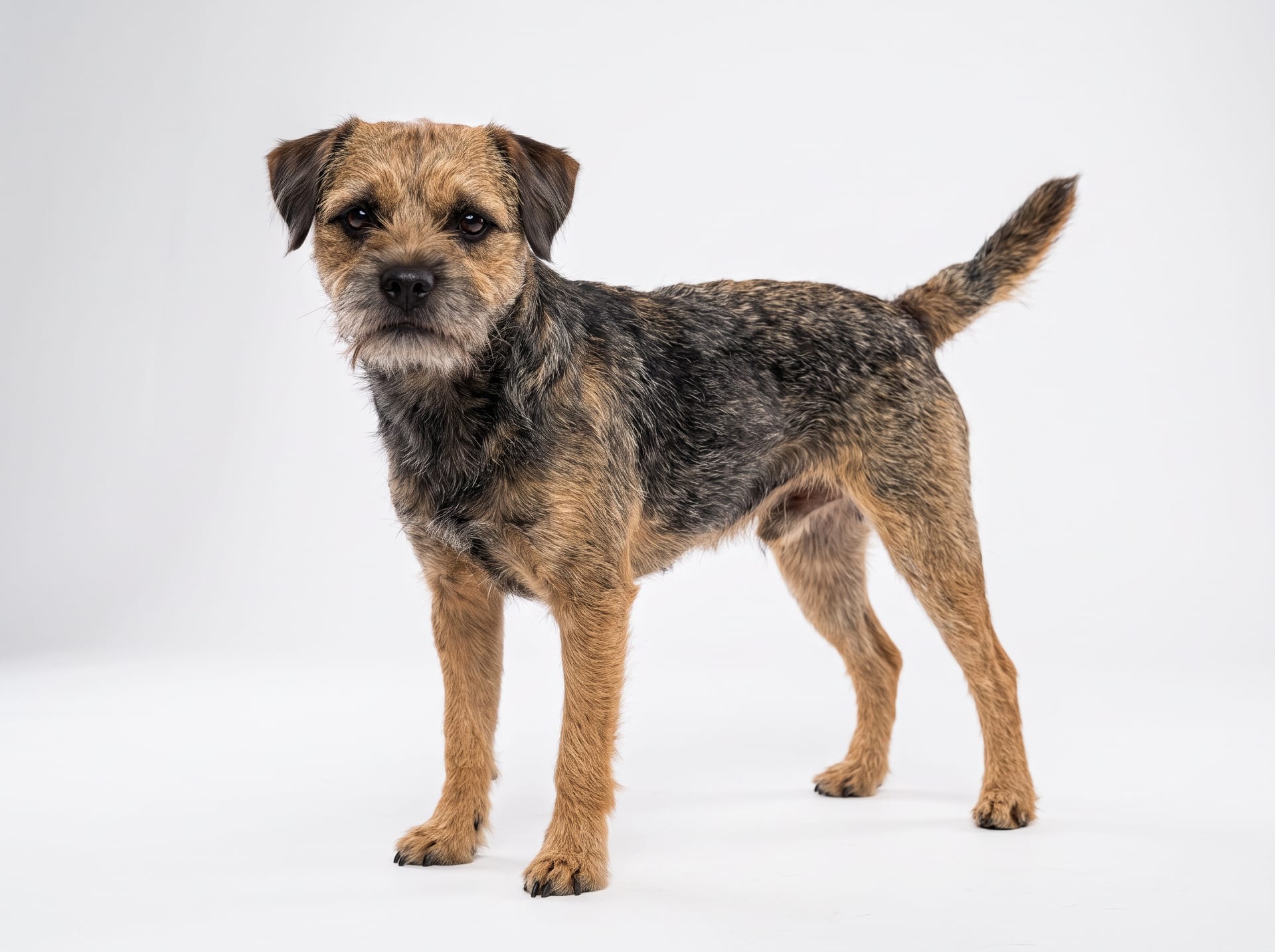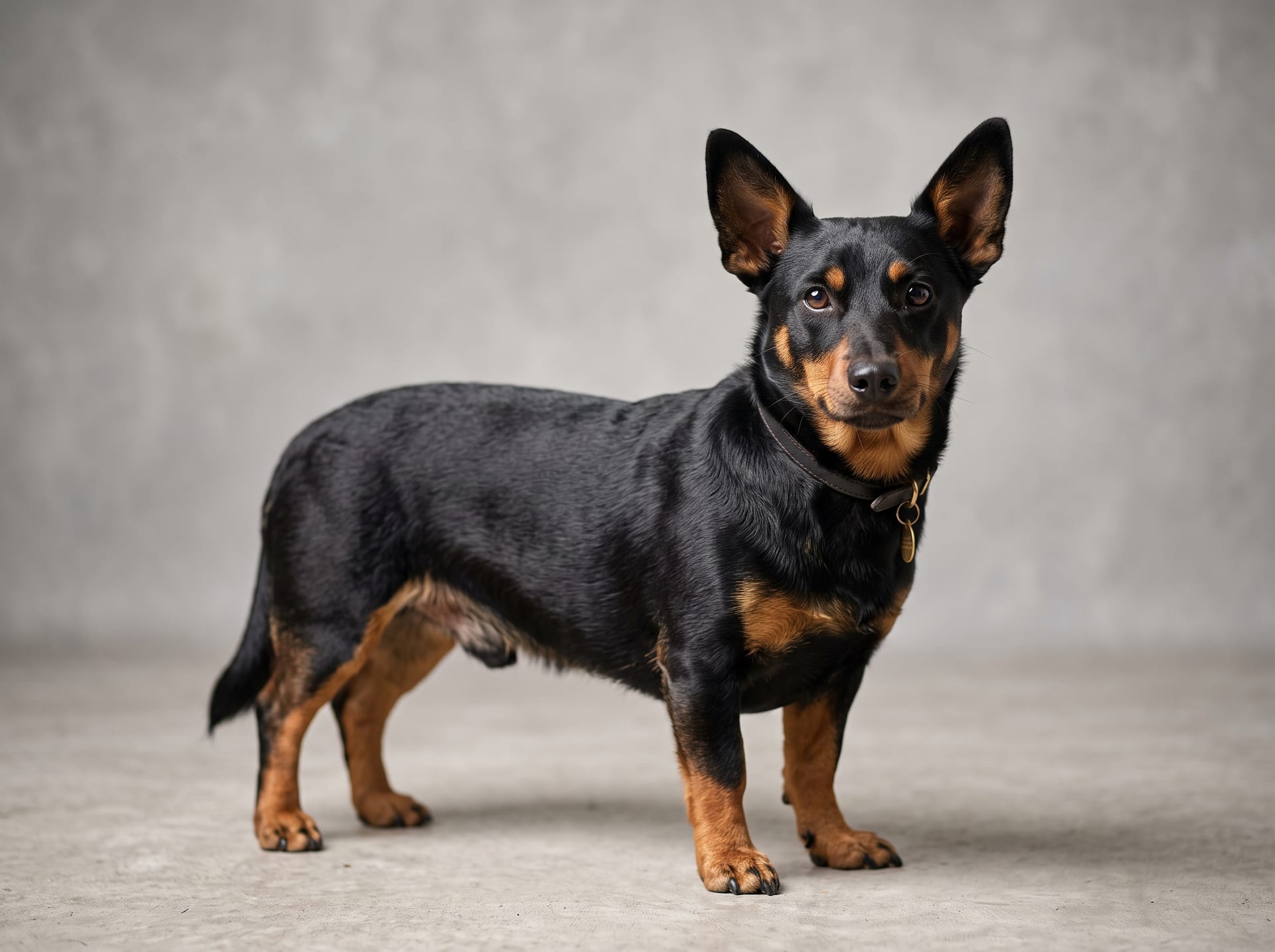
AI-generated image
A small British cattle dog equally handy at ratting. Brave, cheerful and deeply devoted to its owner.
The Lancashire Heeler is a small British cattle dog thought to have originated when Welsh Heelers driving cattle into Lancashire met the Manchester Terrier. Bred in the region for generations, it works cattle yet shows terrier instincts when ratting or rabbiting. Brave, cheerful and devoted, it is clever, trainable and surprisingly energetic for its small size.
The Lancashire Heeler lives 12-15 years.
The Lancashire Heeler grows to Height 25-30cm.
Origin
United Kingdom
Lifespan
12-15 years
Size
Height 25-30cm
Temperature
15〜26℃
High-quality small-breed dog food. Feed twice daily by age.
Brave, cheerful and deeply affectionate. Clever and eager to please.
30-60 min walk daily. Surprisingly energetic for its small size.
Short, easy-care coat. Brushing 1-2 times weekly is enough.
United Kingdom
Terrier instincts may chase small animals. Watch for hereditary eye conditions such as lens luxation.
Beginner. This is a beginner-friendly species. No special equipment or experience is required, and it can be kept successfully with basic care setup.
The average lifespan of Lancashire Heeler is 12-15 years. With proper care and nutrition, they can live a long and healthy life.
Lancashire Heeler typically reaches Height 25-30cm as an adult. Size may vary depending on care conditions and individual genetics.
Lancashire Heeler feeds on: High-quality small-breed dog food. Feed twice daily by age.. Aim for a balanced diet with appropriate feeding frequency.
The price of Lancashire Heeler varies significantly depending on lineage, coat color, sex, and age. Check our market price page for the latest pricing information.
Last updated: August 31, 2026
Edited & verified by: BreederDirect editorial team
The taxonomic, regulatory, and husbandry data on this page are compiled and verified against the authoritative primary sources below.
Primary sources
Authority databases: JKC (Japan Kennel Club) breed profiles (JA)
Nomenclature follows global taxonomic authority databases.
Find listings for this species
Complete Guide to Canine Coprophagia: Causes, How to Stop It, and Prevention Strategies
This guide explains the causes of coprophagia (feces-eating behavior) in dogs, when they consume their own feces or those of other dogs, cats, or animals, and introduces effective solutions and prevention strategies. This comprehensive guide covers solutions for this behavioral problem that troubles many dog owners from puppyhood through adulthood.
Complete Guide to Papillon Care | Personality, Training, and Health Management of Smart Small Dogs with Butterfly-Like Ears
Complete explanation of Papillon characteristics, personality, training, and health management. Papillons, characterized by butterfly-like large ears, are intelligent and active small dogs. We provide detailed information from coat care and exercise requirements to common health issues and proper dietary management.
Dog Resource Guarding (Possession Aggression): Causes and How to Address It
Explaining the causes, signs, and correct approaches to dog resource guarding (possessive aggression over food and objects). We introduce behavior modification approaches without punishment.
The Roles of Guide Dogs, Service Dogs, and Hearing Dogs: What General Pet Owners Should Know
This article explains the roles and mechanisms of guide dogs, service dogs, and hearing dogs, and introduces in detail the etiquette that general pet owners should know and how to interact with their pet dogs.