Source: Wikimedia Commons
Psammocora
IntermediatePsammocora spp.
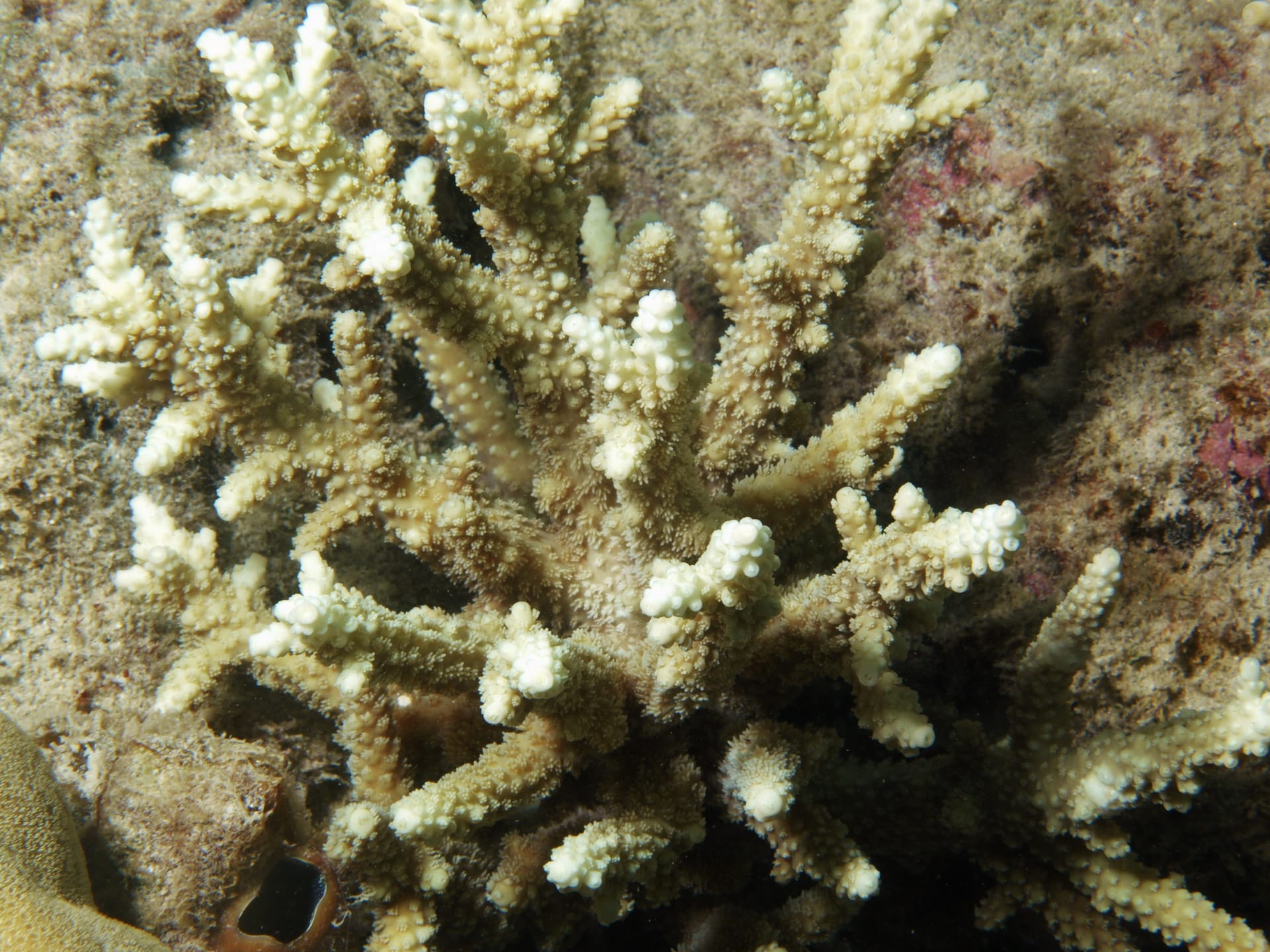
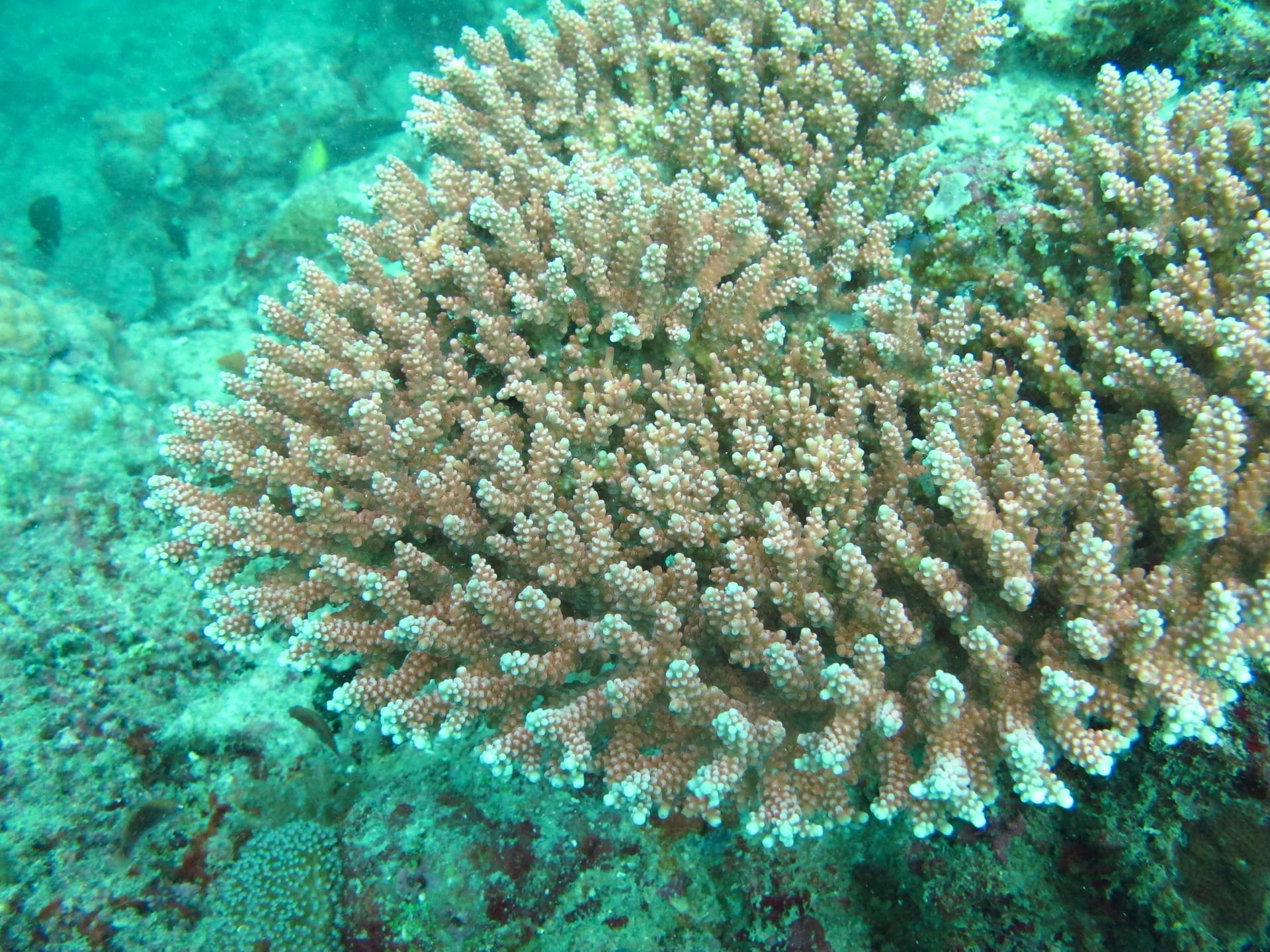
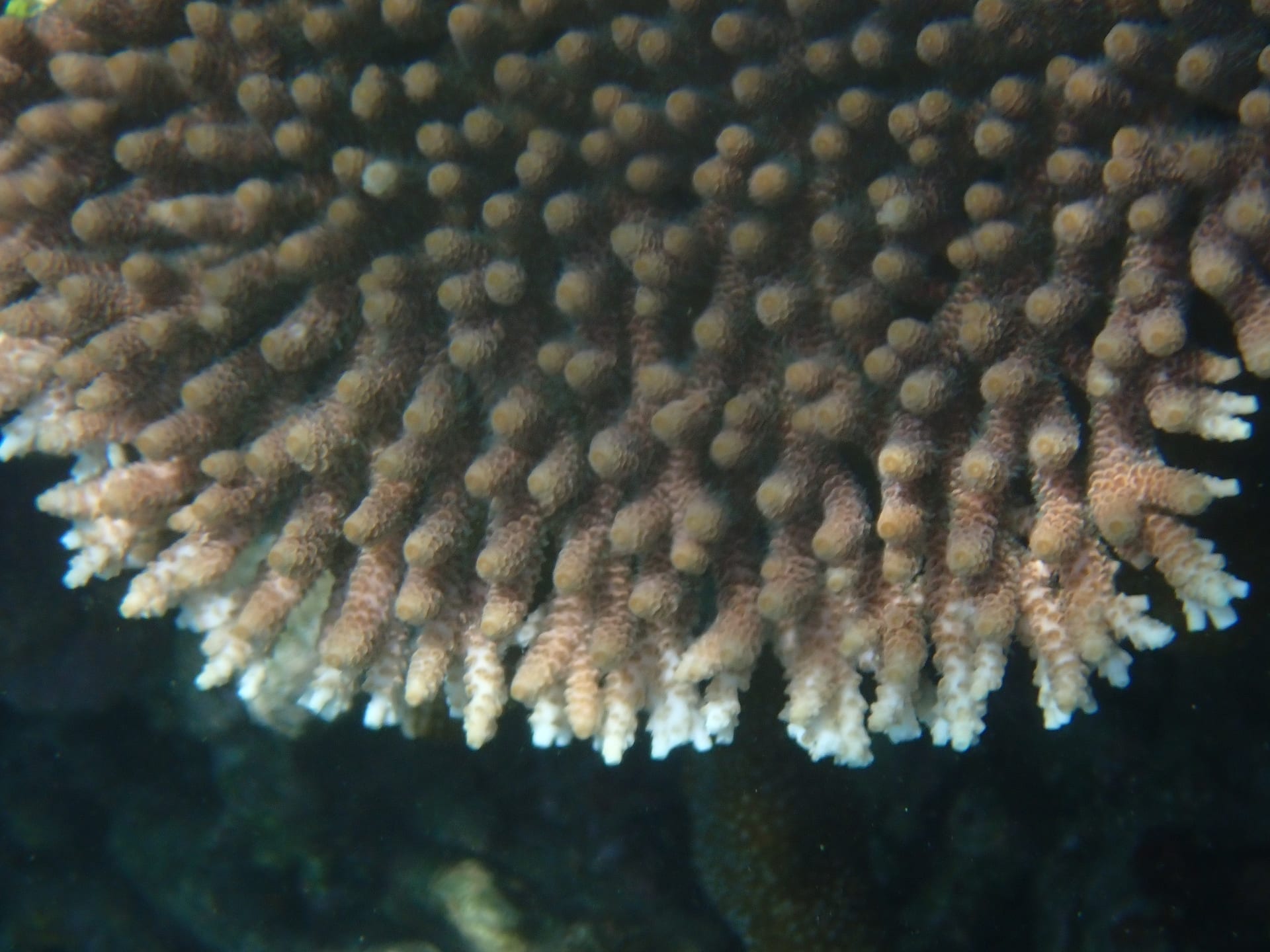
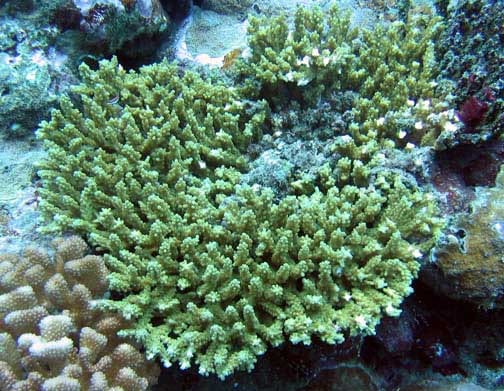
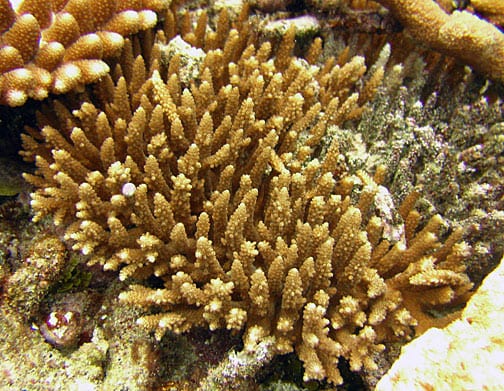
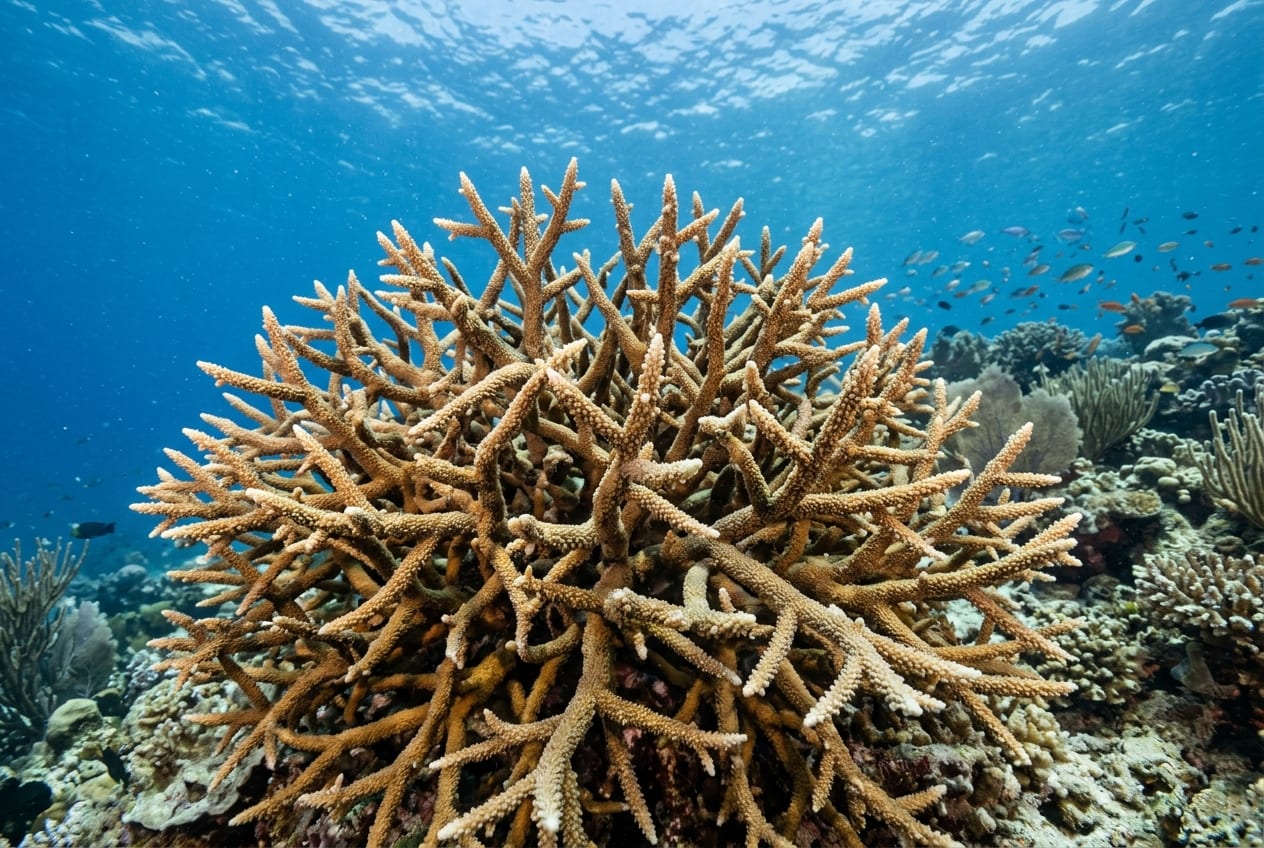
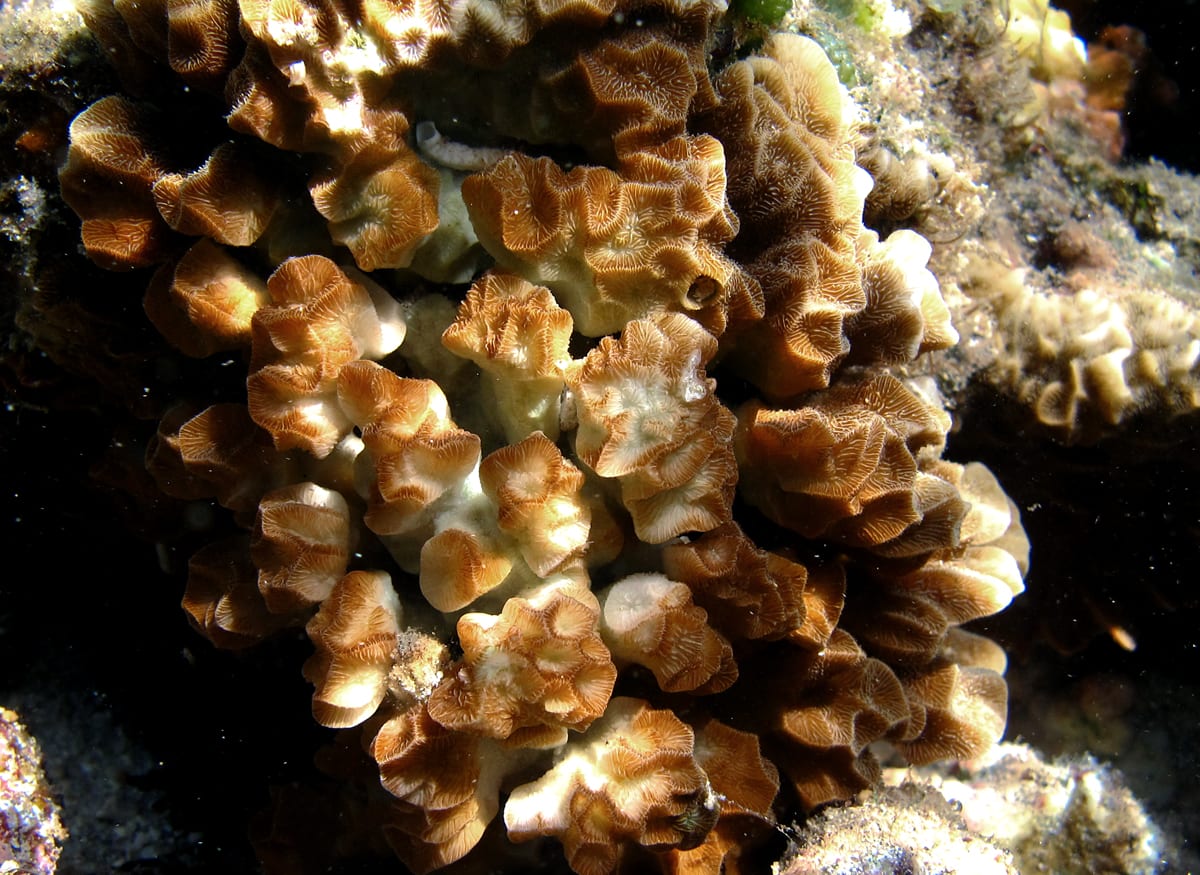
A genus of stony corals whose surface has a fine, sand-grain texture. The corallites are extremely small, and colonies may be encrusting, columnar or foliose depending on the species.
Difficulty
Intermediate
Temperature
24〜27℃
Size
Colonies to several tens of cm, varying by species
Diet
Mainly nutrition from symbiotic zooxanthellae, supplemented with powdered coral foods and phytoplankton.
About
Psammocora is a genus of reef-building stony corals distributed across the tropical and subtropical Indo-Pacific, placed by WoRMS in the family Psammocoridae. The genus name means sandy and refers to the fine, sand-grain texture of the surface. The corallites are about a millimetre across, and their septa run outward as thin ridges, giving the surface a reticulated look. Colony shape varies by species, from encrusting sheets through columns to foliose plates. Colour may be brown, green or purplish brown, with green and purple colonies favoured for aquariums. The genus is zooxanthellate and draws most of its nutrition from photosynthesis. Among small-polyp stony corals it is not a difficult group to keep, staying stable under moderate light and flow. In Japan it is generally traded under the name Samocora. As scleractinians, all species fall under the blanket CITES Appendix II listing.
Source: Wikipedia (CC BY-SA 4.0)
Temperature & humidity for the Psammocora
The ideal temperature for the Psammocora is 24〜27℃.
Basic Info
Origin
Tropical and subtropical reefs of the Indo-Pacific
Size
Colonies to several tens of cm, varying by species
Temperature
24〜27℃
Diet
Mainly nutrition from symbiotic zooxanthellae, supplemented with powdered coral foods and phytoplankton.
Care Guide
Care Specifications
- Carbonate (KH)
- 8–12 dKH
- Water Temp.
- 24–27℃
- Specific Gravity
- 1.023–1.025
- Salinity
- 33–35 ppt
- Calcium (Ca)
- 400–450 ppm
- Magnesium (Mg)
- 1280–1350 ppm
SPSPeacefulLight: Medium (PAR 50-150)Flow: MediumPlacement: Middle
Sources: WoRMS (Psammocora Dana, 1846) / AlgaeBarn: A Quick Guide to LPS and SPS /
References & Sources
Edited & verified by: BreederDirect editorial team
The taxonomic, regulatory, and husbandry data on this page are compiled and verified against the authoritative primary sources below.
Taxonomy & Authority
Accepted name: Psammocora spp. Dana, 1846
Synonyms: Stephanaria Verrill, 1867, Plesioseris Duncan, 1884
Authority databases: WoRMS
Nomenclature follows global taxonomic authority databases.
Regulations & Conservation Status
CITES Appendix II
Sources: CITES Appendix II (Scleractinia spp. listed as an order)
Regulations may change. Always verify the latest information with the relevant authorities.
Psammocora Listings
Loading latest listingsFind listings for this species