Source: Wikimedia Commons
Platygyra Daedalea
BeginnerPlatygyra daedalea
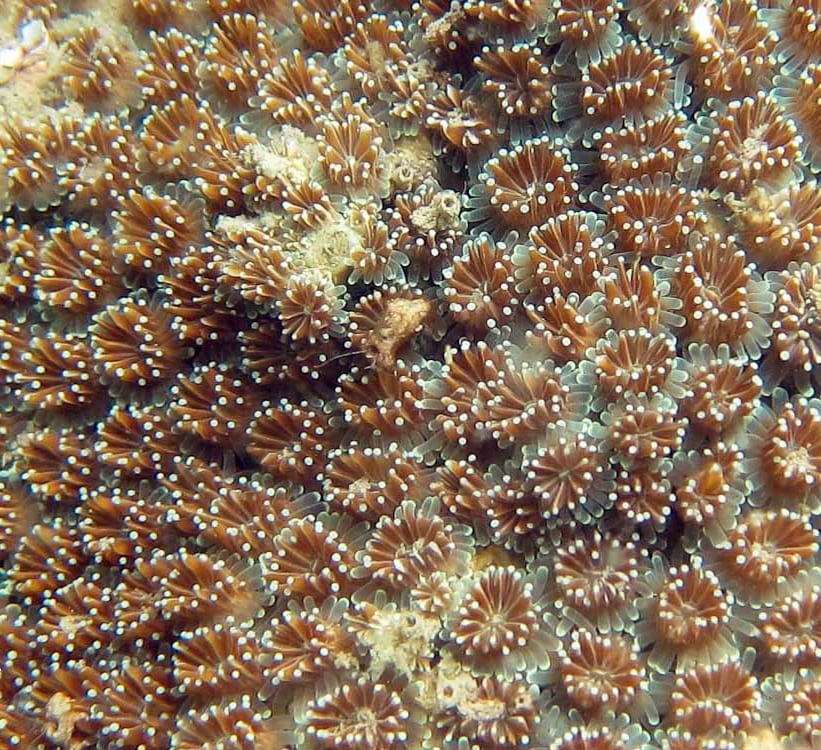
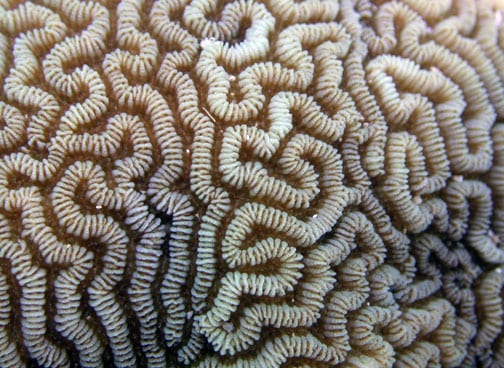
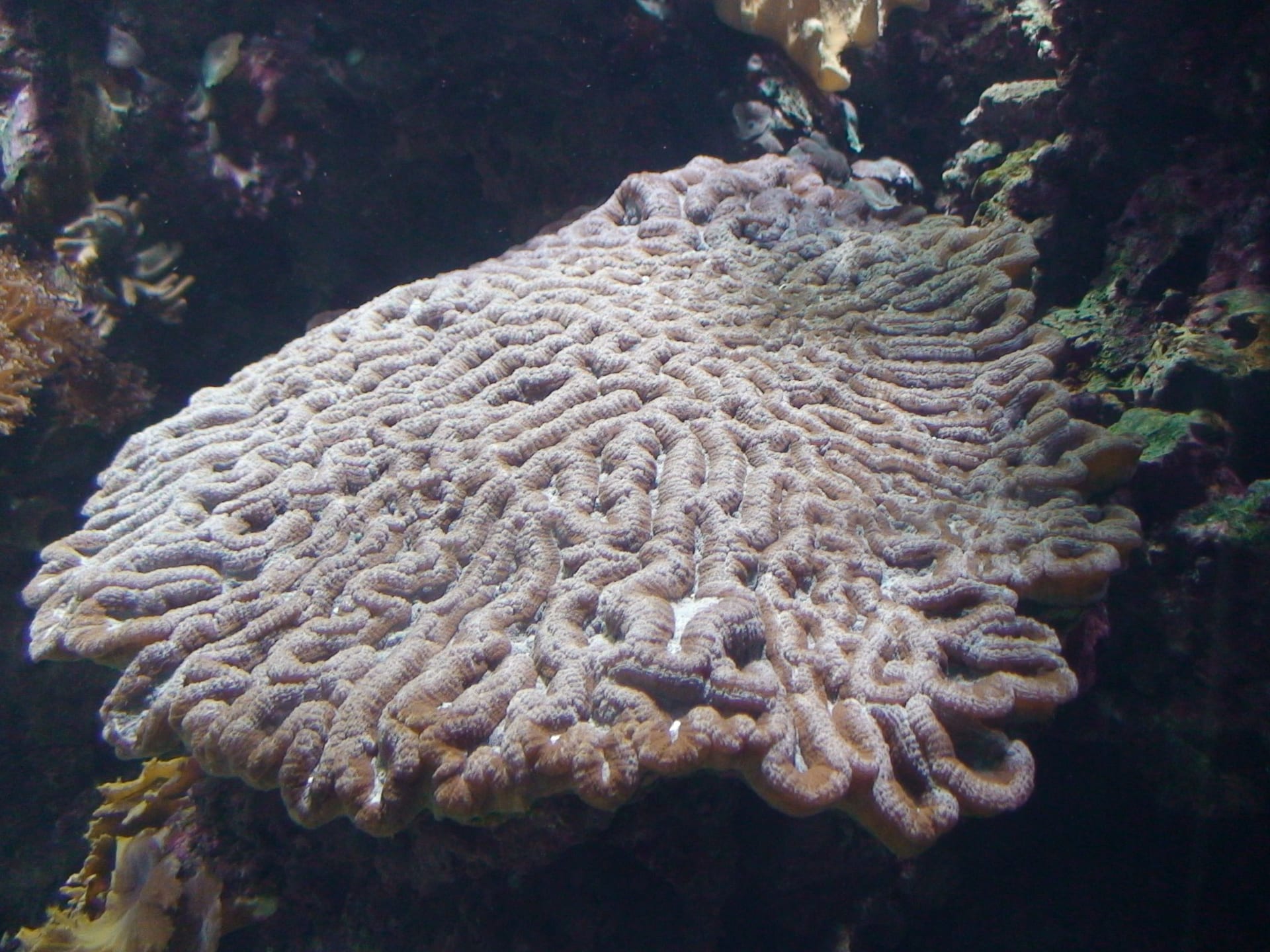
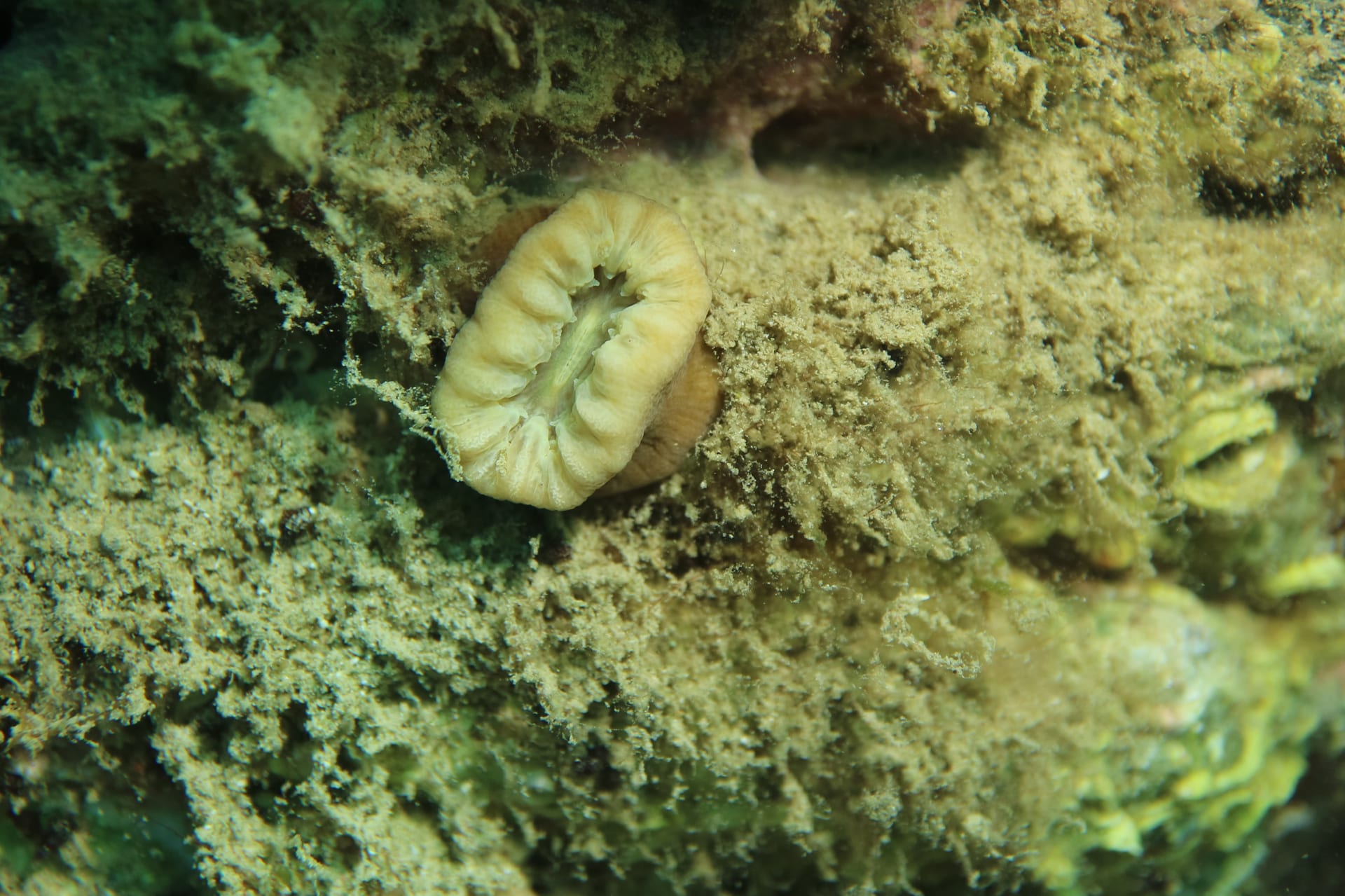
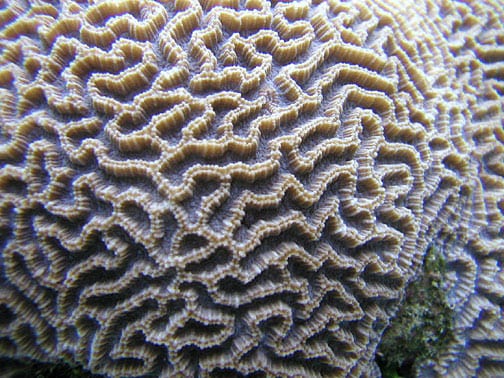
A merulinid reef coral whose skeleton is cut by maze-like valleys. Known as the lesser valley coral, it forms colonies that can exceed a metre across and is very common on shallow Indo-Pacific reefs.
Difficulty
Beginner
Temperature
24〜27℃
Size
Colonies reaching over 1 m across
Diet
Mainly nutrition from symbiotic zooxanthellae, supplemented by zooplankton caught with the tentacles at night.
About
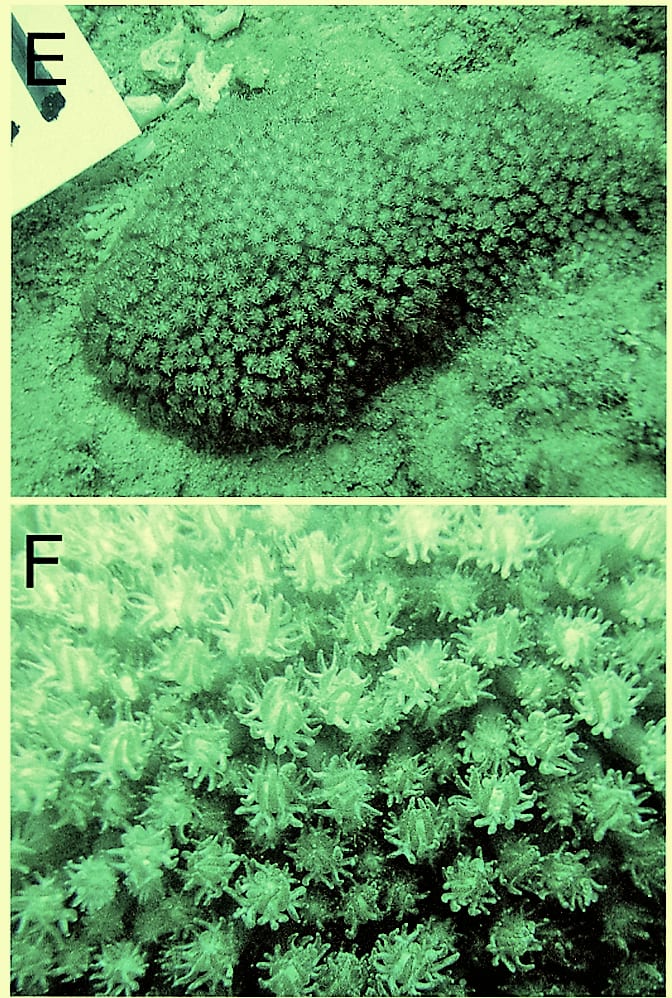
Platygyra daedalea, the lesser valley coral, is a merulinid reef coral widespread on shallow Indo-Pacific reefs. Colonies usually form domes or boulders more than a metre across, and can also be plate-like or encrusting. The polyps sit in meandering valleys separated by low walls, with a raised columella visible along the centre of each valley. Its range runs from Madagascar, the East African coast, the Red Sea and the Gulf of Aden to Australia, Indonesia, Japan and the South China Sea, and it is most abundant on back reef slopes from subtidal rock down to about 30 m. The polyps expand at night to take zooplankton, but most of the coral's nutrition comes from photosynthesis by its zooxanthellae. Against competing corals it deploys sweeper tentacles up to 90 mm long, about fifteen times the length of an ordinary tentacle. The IUCN rates it Least Concern, and as a scleractinian it is on CITES Appendix II.
Source: Wikipedia (CC BY-SA 4.0)
Size of the Platygyra Daedalea
The Platygyra Daedalea grows to Colonies reaching over 1 m across.
Temperature & humidity for the Platygyra Daedalea
The ideal temperature for the Platygyra Daedalea is 24〜27℃.
Basic Info
Origin
Madagascar, the East African coast, the Red Sea and the Gulf of Aden to Australia, Indonesia, Japan and the South China Sea
Size
Colonies reaching over 1 m across
Temperature
24〜27℃
Care Specifications
- Carbonate (KH)
- 8–12 dKH
- Water Temp.
- 24–27℃
- Specific Gravity
- 1.023–1.025
- Salinity
- 33–35 ppt
- Calcium (Ca)
- 380–450 ppm
- Magnesium (Mg)
- 1200–1400 ppm
LPSLight: Medium (PAR 50-150)Flow: MediumPlacement: Flexible
Sources: LiveAquaria / AlgaeBarn: Calcium Supplementation / WoRMS (World Register of Marine Species)
References & Sources
Edited & verified by: BreederDirect editorial team
The taxonomic, regulatory, and husbandry data on this page are compiled and verified against the authoritative primary sources below.
Taxonomy & Authority
Accepted name: Platygyra daedalea (Ellis & Solander, 1786)
Synonyms: Astroria daedalea (Ellis & Solander, 1786), Madrepora daedalea Ellis & Solander, 1786
Authority databases: WoRMS
Nomenclature follows global taxonomic authority databases.
Regulations & Conservation Status
CITES Appendix IIIUCN LC · Least Concern
Sources: CITES Appendix II (Scleractinia spp. listed as an order) / IUCN Red List
Regulations may change. Always verify the latest information with the relevant authorities.
Platygyra Daedalea Listings
Loading latest listingsFind listings for this species