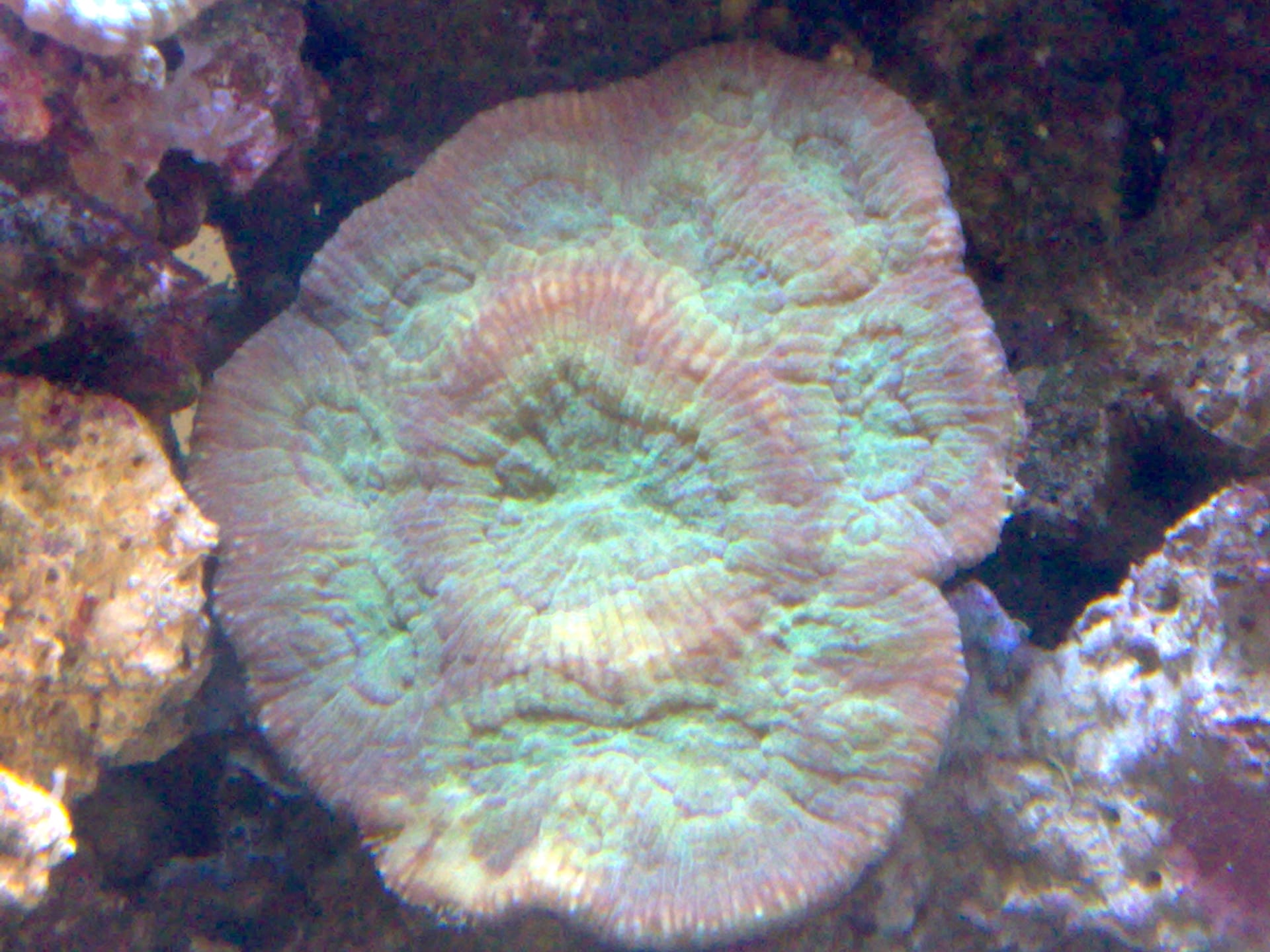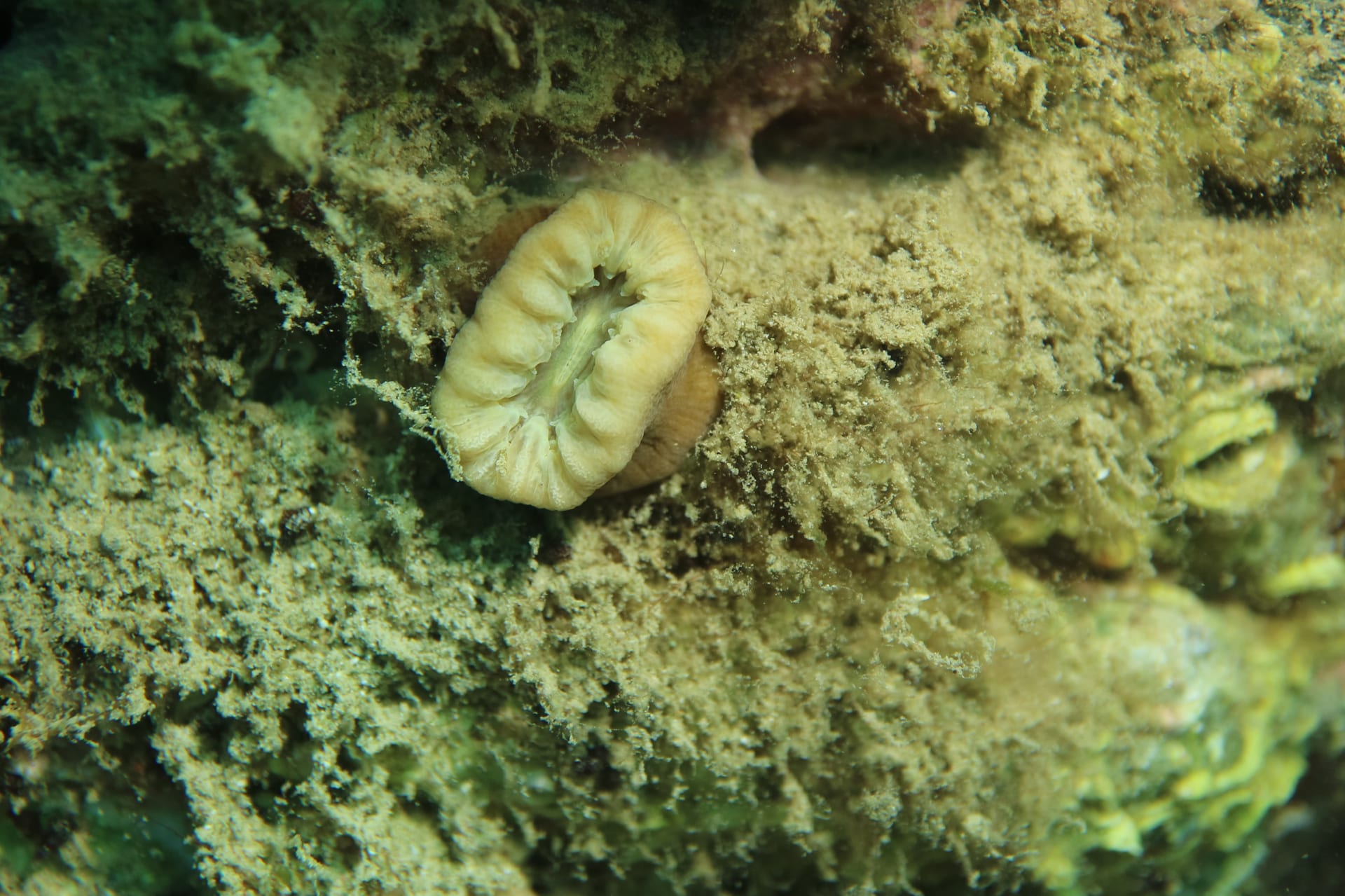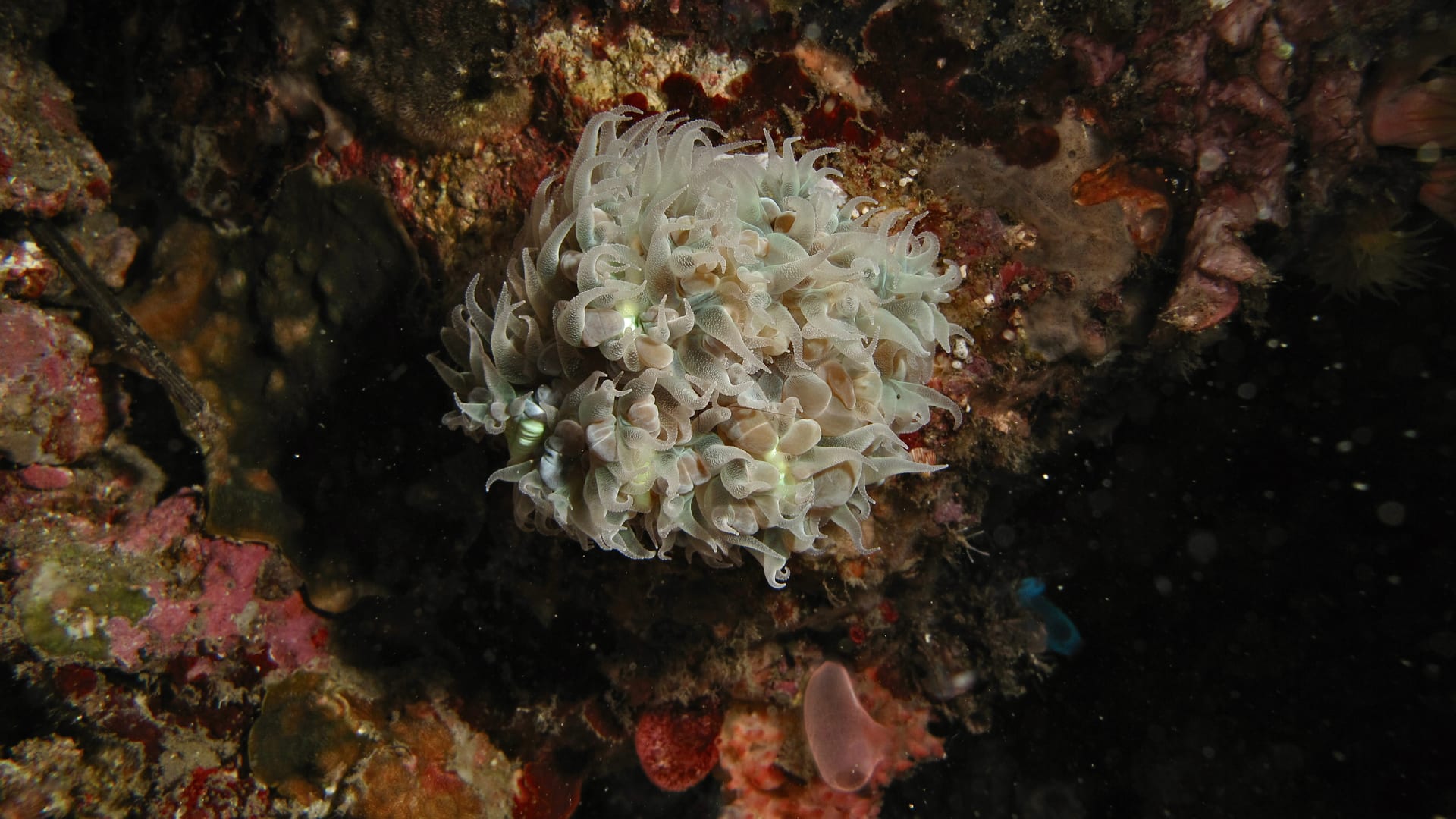
Source: Wikimedia Commons
Pearl Bubble Coral
IntermediatePhysogyra lichtensteini
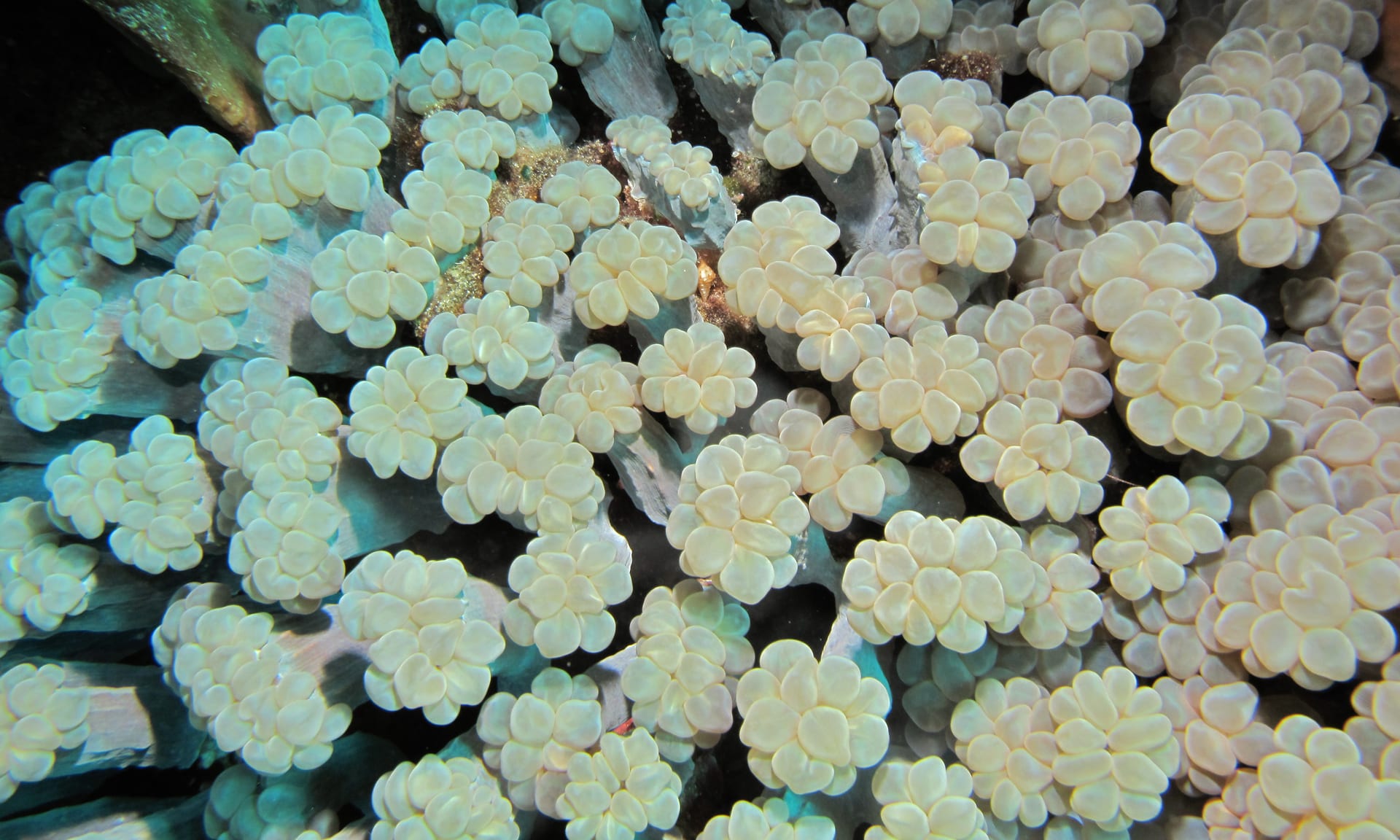
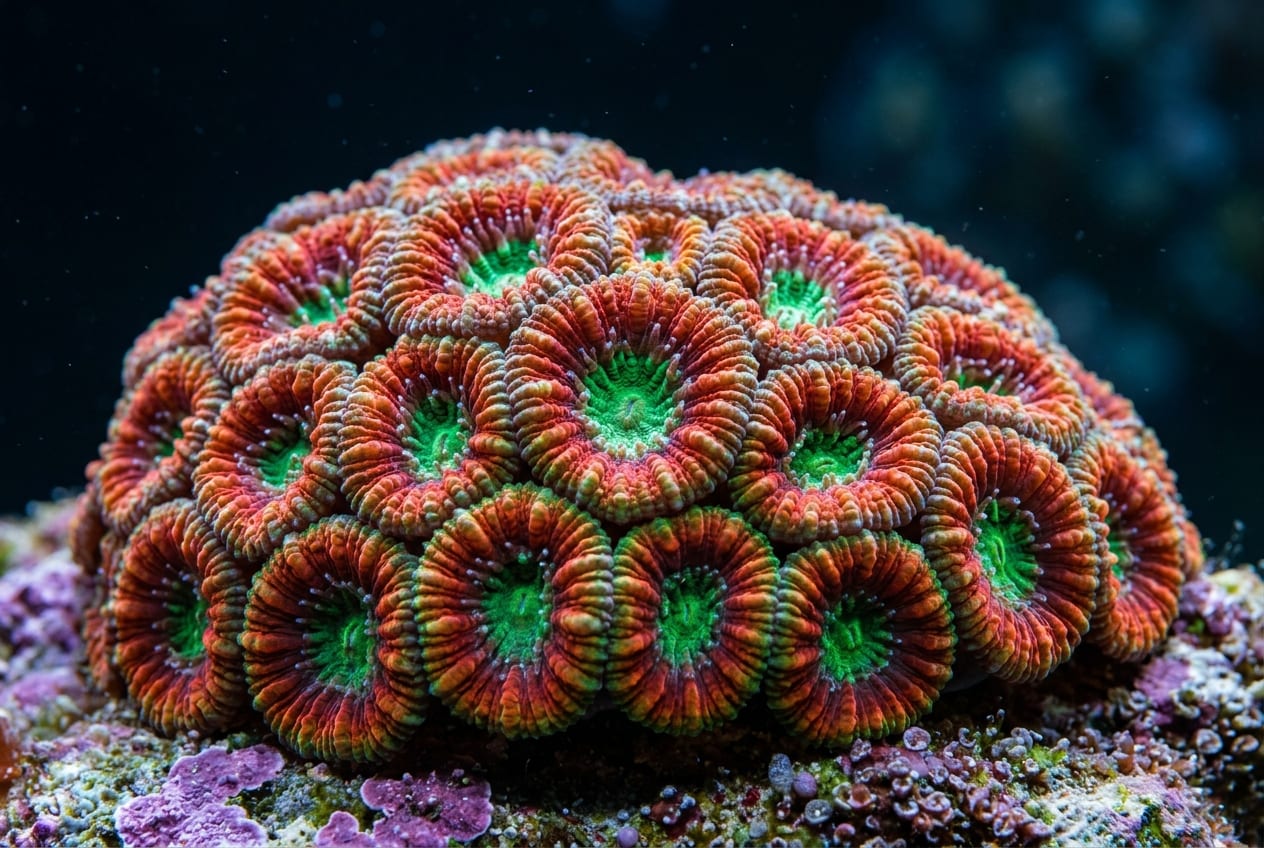
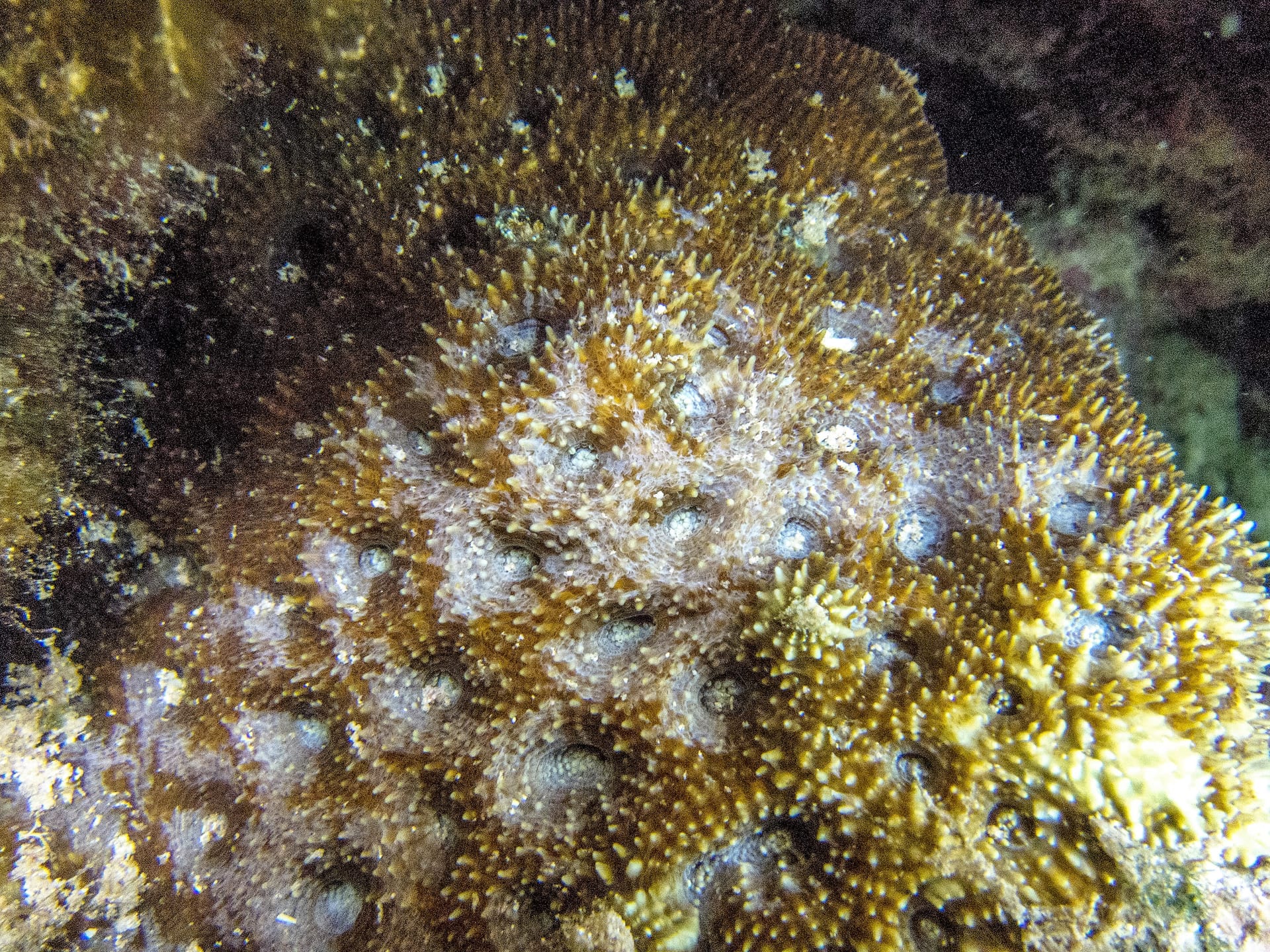
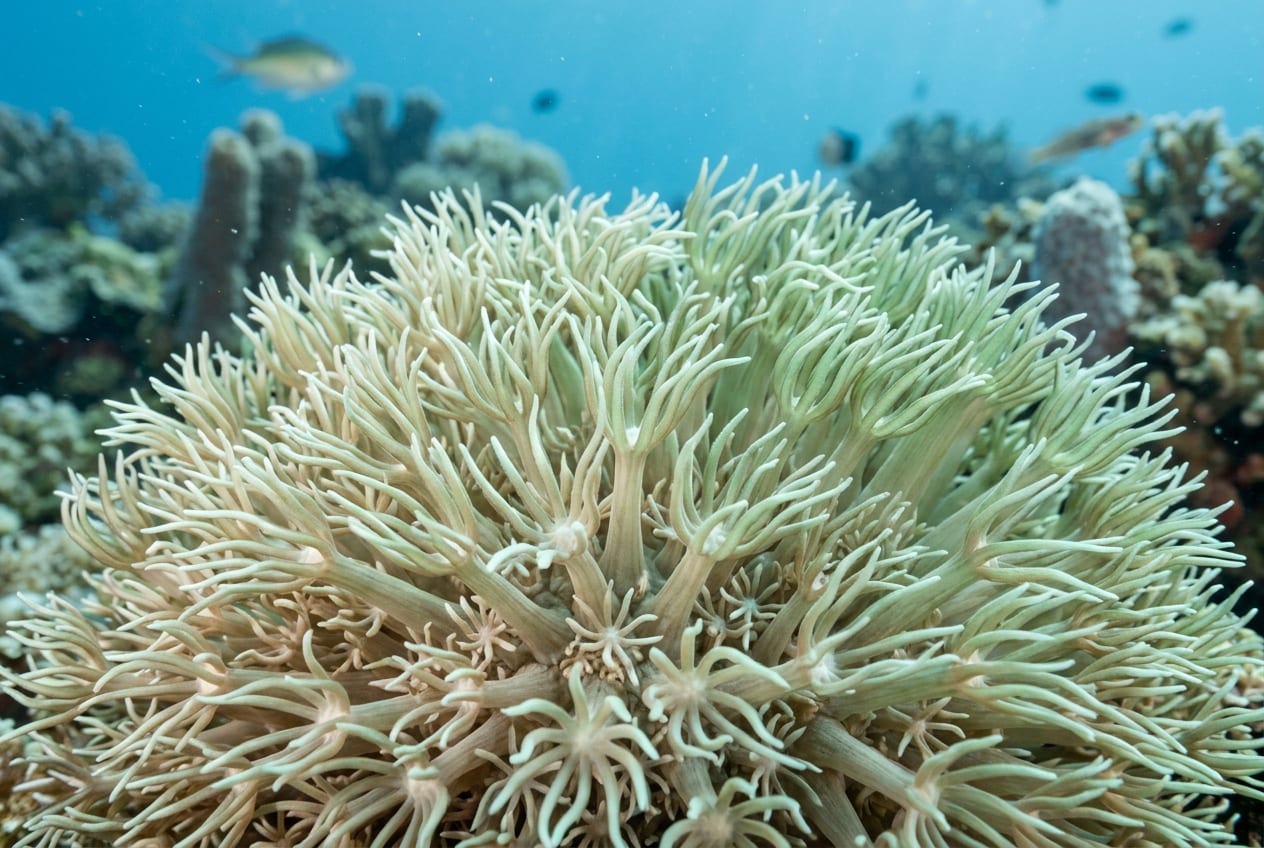
A bubble coral covered with small, densely packed pearl-like vesicles. Its vesicles are smaller and more numerous than Plerogyra's, and at night they retract to let slender tentacles extend.
Difficulty
Intermediate
Temperature
24〜27℃
Diet
Photosynthesis via zooxanthellae plus zooplankton feeding
About
Physogyra lichtensteini is a stony coral distributed widely across the Indo-West Pacific, from the Red Sea and East Africa to Australia and Papua New Guinea. It belongs to the family Plerogyridae alongside Plerogyra and was once treated as Plerogyra lichtensteini. It is a bubble coral, but its vesicles are smaller and far more numerous, so the colony surface looks paved with pearls, which is the key identifying feature. The vesicles inflate by day to harvest light and retract at night, when slender sweeper tentacles extend to catch plankton. Those tentacles attack neighbouring corals, so ample spacing is required. It prefers a mellow environment with moderate to strong lighting and low to moderate flow, and strong direct current keeps the vesicles from opening. As a scleractinian it falls under CITES Appendix II and import requires a permit.
Source: Wikipedia (CC BY-SA 4.0)
Temperature & humidity for the Pearl Bubble Coral
The ideal temperature for the Pearl Bubble Coral is 24〜27℃.
Basic Info
Origin
Indo-West Pacific (Red Sea, East Africa, Madagascar, Maldives, Australia, Papua New Guinea and elsewhere)
Temperature
24〜27℃
Diet
Photosynthesis via zooxanthellae plus zooplankton feeding
Care Guide
Lighting
Moderate to strong lighting. It can adjust to bright light, but acclimate it gradually.
Care Specifications
- Carbonate (KH)
- 7–12 dKH
- Water Temp.
- 24–27℃
- Specific Gravity
- 1.023–1.025
- Salinity
- 33–35 ppt
- Calcium (Ca)
- 400–450 ppm
- Magnesium (Mg)
- 1300–1400 ppm
LPSLight: Medium (PAR 50-150)Flow: LowPlacement: Bottom
Sources: Wikipedia: Reef aquarium (water parameters) / AlgaeBarn: Keeping the Bubble Coral / AlgaeBarn: A Quick Guide to LPS and SPS
References & Sources
Edited & verified by: BreederDirect editorial team
The taxonomic, regulatory, and husbandry data on this page are compiled and verified against the authoritative primary sources below.
Taxonomy & Authority
Accepted name: Physogyra lichtensteini (Milne Edwards & Haime, 1851)
Synonyms: Physogyra aperta, Plerogyra lichtensteini
Authority databases: WoRMS
Nomenclature follows global taxonomic authority databases.
Regulations & Conservation Status
CITES Appendix II
Scleractinia (Physogyra lichtensteini, Plerogyridae). CITES Appendix II.
Sources: DOC NZ / CITES-listed corals (Scleractinia spp. = App. II)
Regulations may change. Always verify the latest information with the relevant authorities.
Pearl Bubble Coral Listings
Loading latest listingsFind listings for this species