Source: Wikimedia Commons
Flat Leaf Coral
AdvancedPavona explanulata
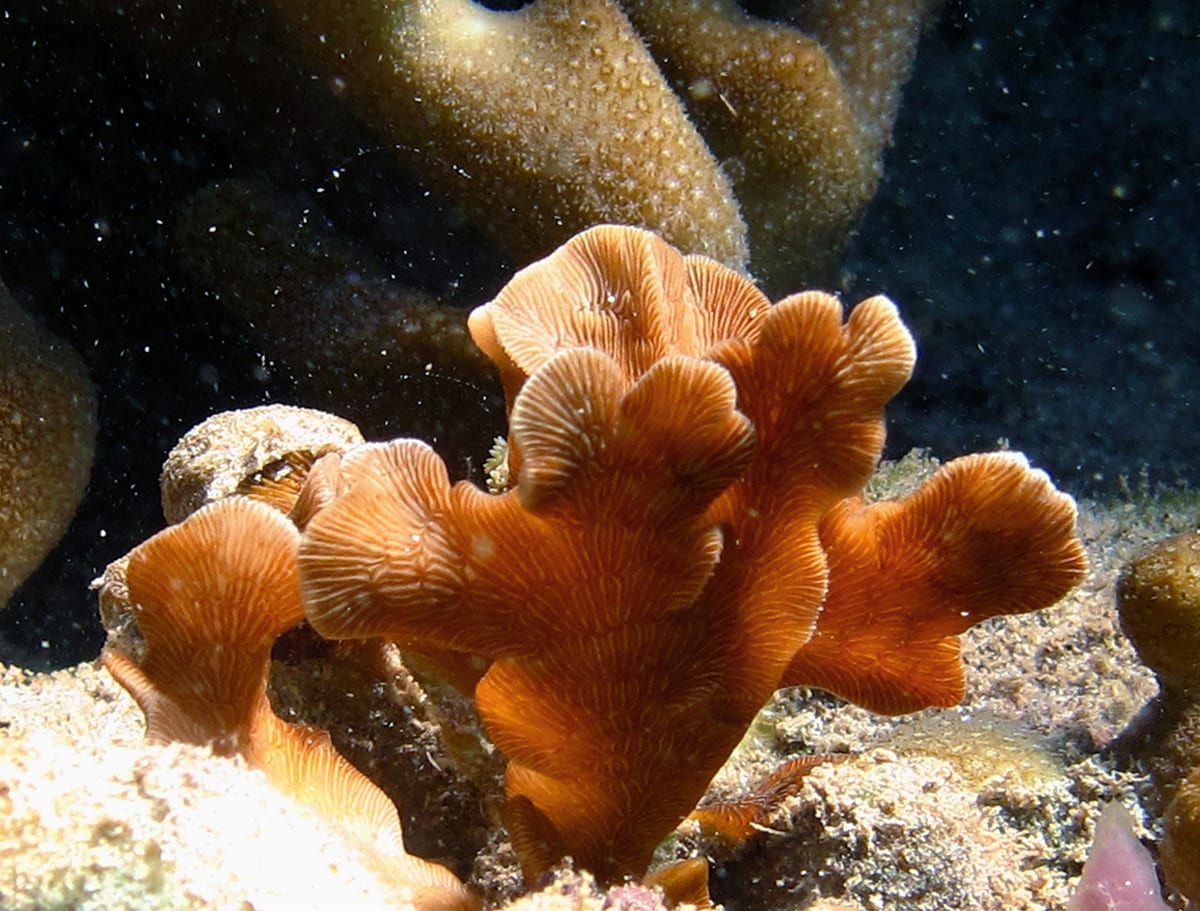
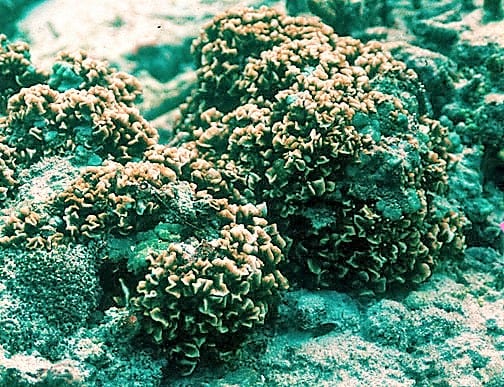
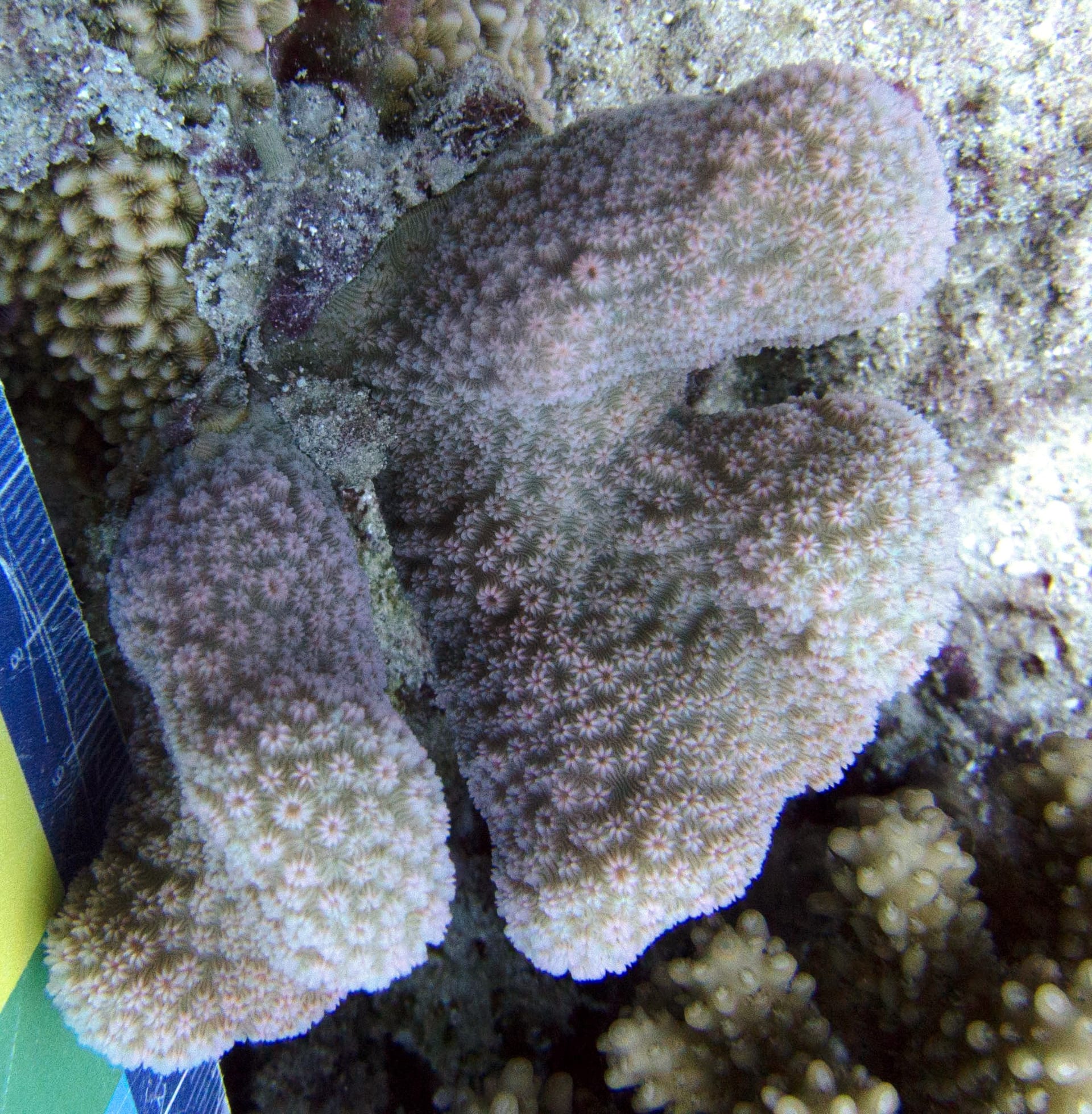
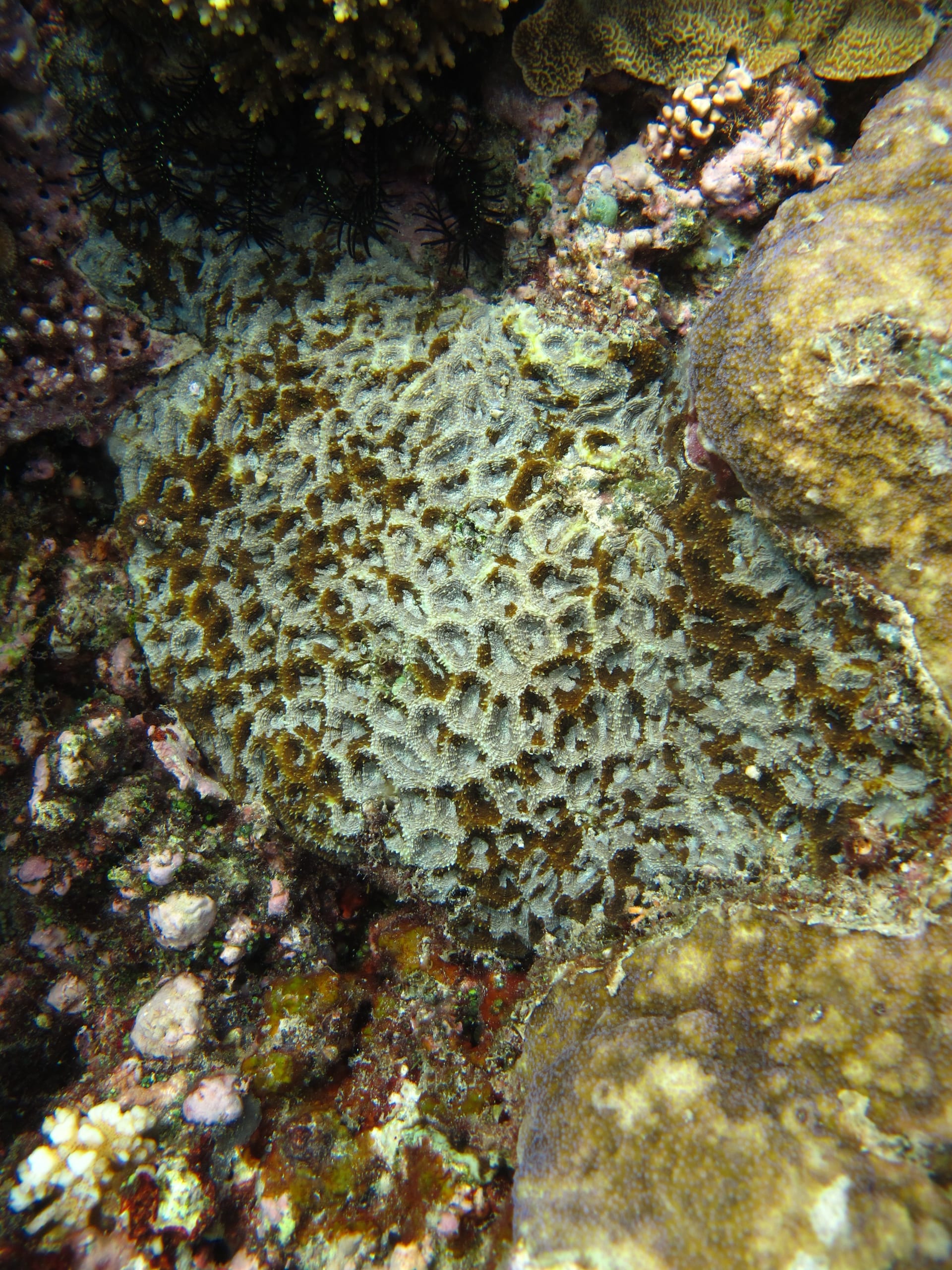
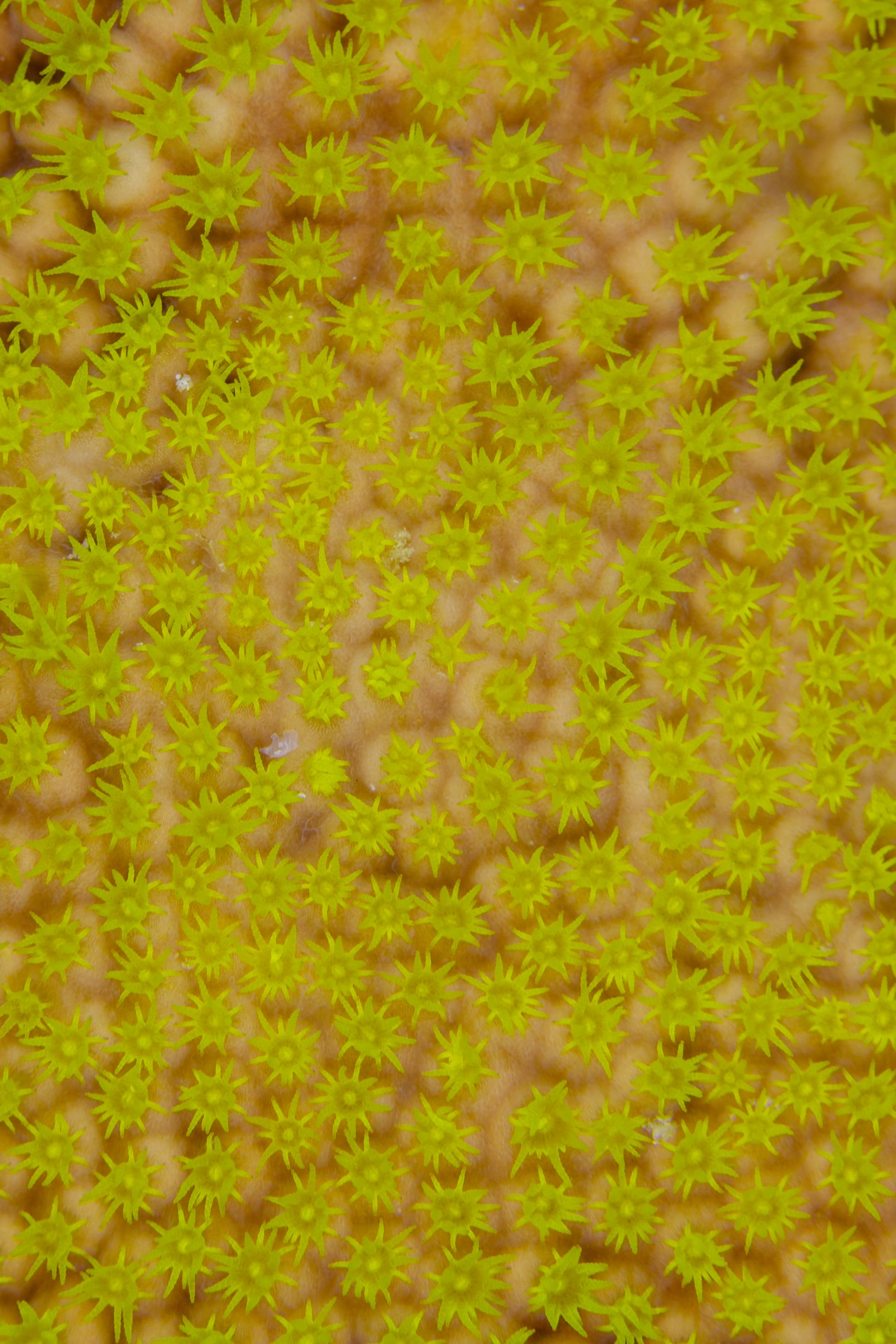
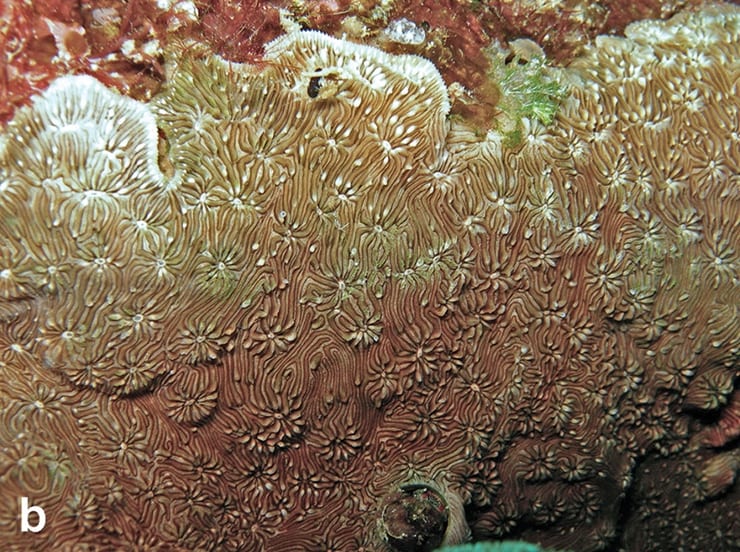
A Pavona that forms encrusting sheets or thin one-sided plates with widely spaced round corallites and pillar-like columellae. Grey, brown, pink, purple, green or yellow; it resembles Leptoseris explanata but has larger corallites.
Difficulty
Advanced
Temperature
24〜27℃
Size
Wild colonies 70-100 cm
Diet
Photosynthesis (zooxanthellae) plus plankton
About
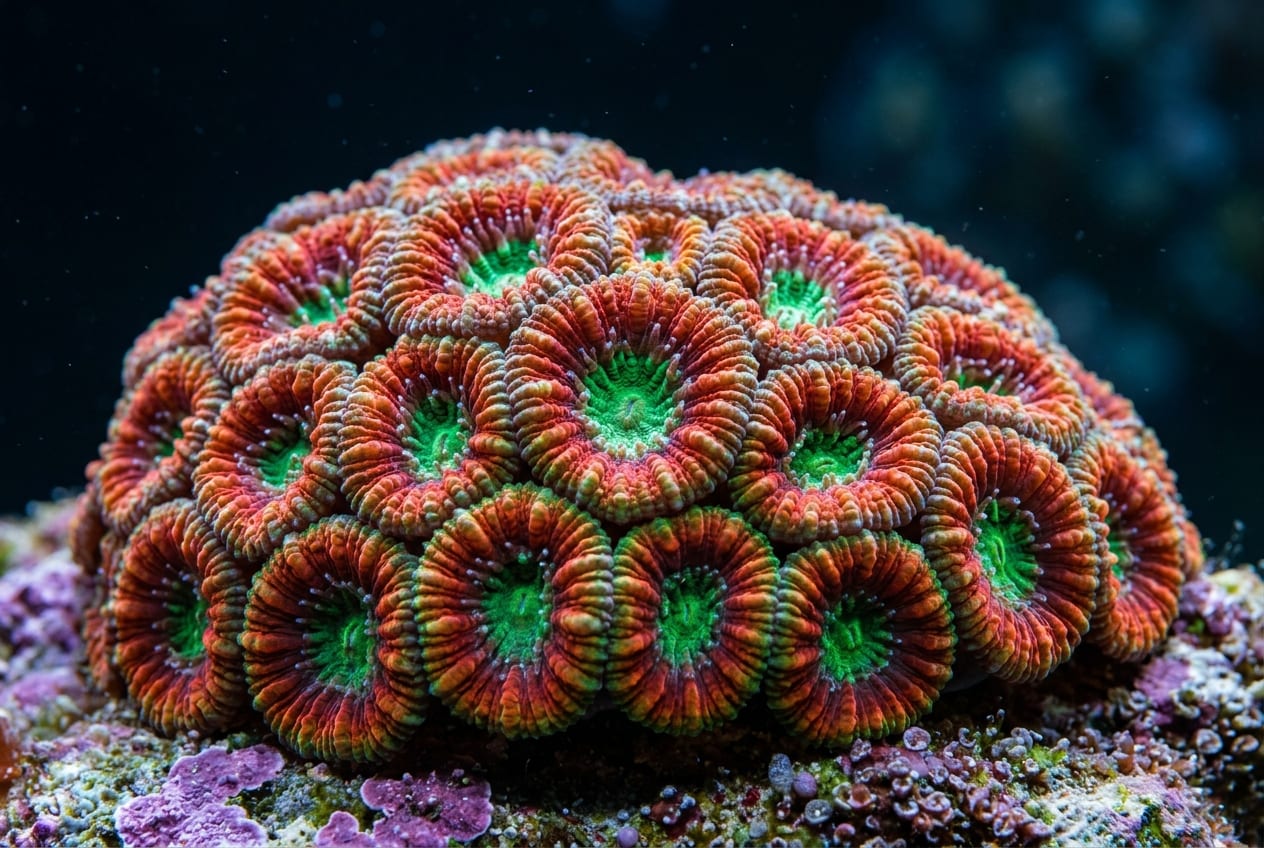
Pavona explanulata is a stony coral of the family Agariciidae found from the Red Sea and East Africa across the Indian Ocean to Australia, the Philippines and the central Pacific. Colonies are encrusting or thin plates with corallites on one side only, sometimes submassive or columnar. The corallites are usually widely spaced and circular with pillar-like columellae and smooth, alternating septo-costae, sometimes in concentric rows. Colour is grey, brown, pink, purple, green or yellow, sometimes mottled (Corals of the World). Most Pavona have corallites on both faces, but this species has them on one side only and so resembles Leptoseris explanata; the key difference is corallite size, which is smaller in L. explanata. Despite its wide range, Reeflex describes it as an uncommon coral of clear, steep slopes down to 40 m that is not regularly offered in the trade. It is not a beginner coral, and wild colonies reach 70-100 cm (Reeflex). Specialist shops in Japan stock it by name from time to time.
Size of the Flat Leaf Coral
The Flat Leaf Coral grows to Wild colonies 70-100 cm.
Temperature & humidity for the Flat Leaf Coral
The ideal temperature for the Flat Leaf Coral is 24〜27℃.
Basic Info
Origin
Red Sea and Indian Ocean to the central Pacific
Size
Wild colonies 70-100 cm
Temperature
24〜27℃
Diet
Care Specifications
- Water Temp.
- 24–27℃
- Specific Gravity
- 1.023–1.025
- Salinity
- 33–35 ppt
LPS
Sources: Corals of the World (Pavona explanulata) / Reeflex (Pavona explanulata) / AlgaeBarn: Water Parameters 101
References & Sources
Edited & verified by: BreederDirect editorial team
The taxonomic, regulatory, and husbandry data on this page are compiled and verified against the authoritative primary sources below.
Primary sources
- Species+ (CITES listing of Pavona explanulata)
- Okinawa Prefecture: Collection of reef-building corals is prohibited
- Tokyo Metropolitan Fisheries Adjustment Regulations (Arts. 37 and 41)
- e-Gov: Natural Parks Act (Art. 22, marine park zones)
- Corals of the World (Pavona explanulata)
- Reeflex (Pavona explanulata)
- AlgaeBarn: Water Parameters 101
- WoRMS
Taxonomy & Authority
Accepted name: Pavona explanulata (Lamarck, 1816)
Synonyms: Agaricia explanulata Lamarck, 1816, Lophoseris explanulata (Lamarck, 1816), Pavonia explanulata (Lamarck, 1816)
Authority databases: WoRMS · GBIF · GBIF · WoRMS · Corals of the World
Nomenclature follows global taxonomic authority databases.
Regulations & Conservation Status
CITES Appendix IIIUCN LC · Least Concern
Domestic law: Collecting in Japanese waters is governed by each prefecture's fisheries adjustment regulations, which differ by prefecture. Okinawa bans all collection of reef-building corals, including stony corals, and also bans possessing or selling illegally collected corals (cultured corals are exempt, and the prefecture advises buyers to confirm a coral is cultured, on an artificial base or tagged). Tokyo bans collection in the waters off Ogasawara Village. In marine park zones of national and quasi-national parks, taking designated animals and plants requires a permit (Natural Parks Act, Art. 22).
All stony corals (Scleractinia) are listed in CITES Appendix II (checked on Species+). International trade requires export permits, but no registration is needed to sell or transfer specimens within Japan.
Sources: Species+ (CITES listing of Pavona explanulata) / Okinawa Prefecture: Collection of reef-building corals is prohibited / Tokyo Metropolitan Fisheries Adjustment Regulations (Arts. 37 and 41) / e-Gov: Natural Parks Act (Art. 22, marine park zones)
Regulations may change. Always verify the latest information with the relevant authorities.
Flat Leaf Coral Listings
Loading latest listingsFind listings for this species