Source: Wikimedia Commons
Cactus Coral
IntermediatePavona cactus
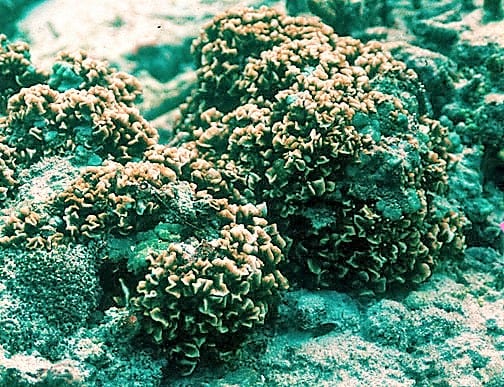
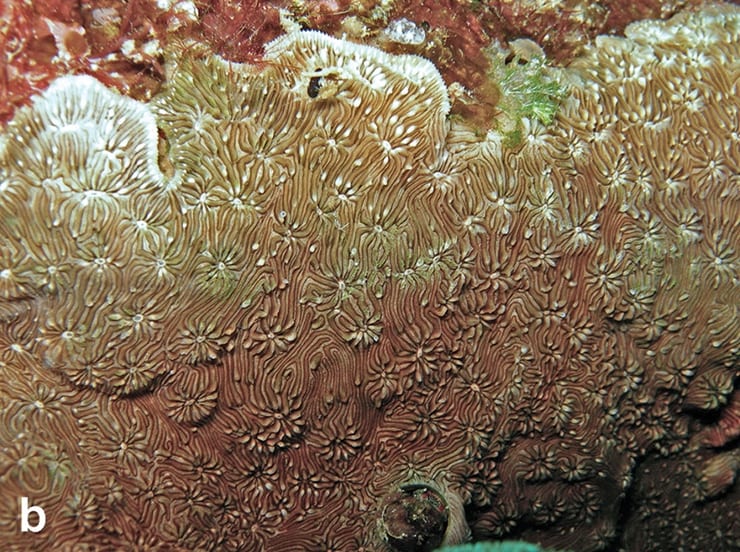
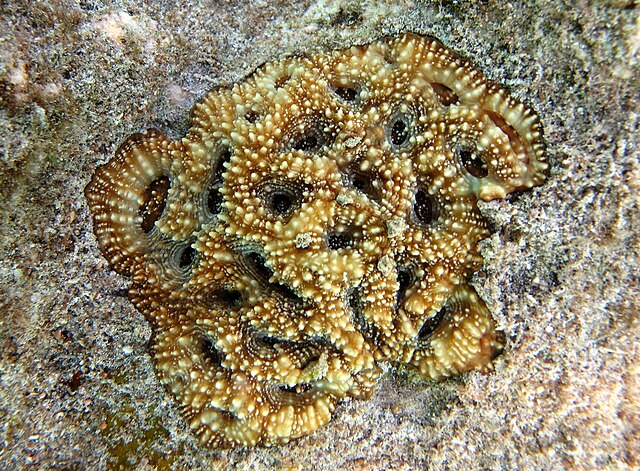
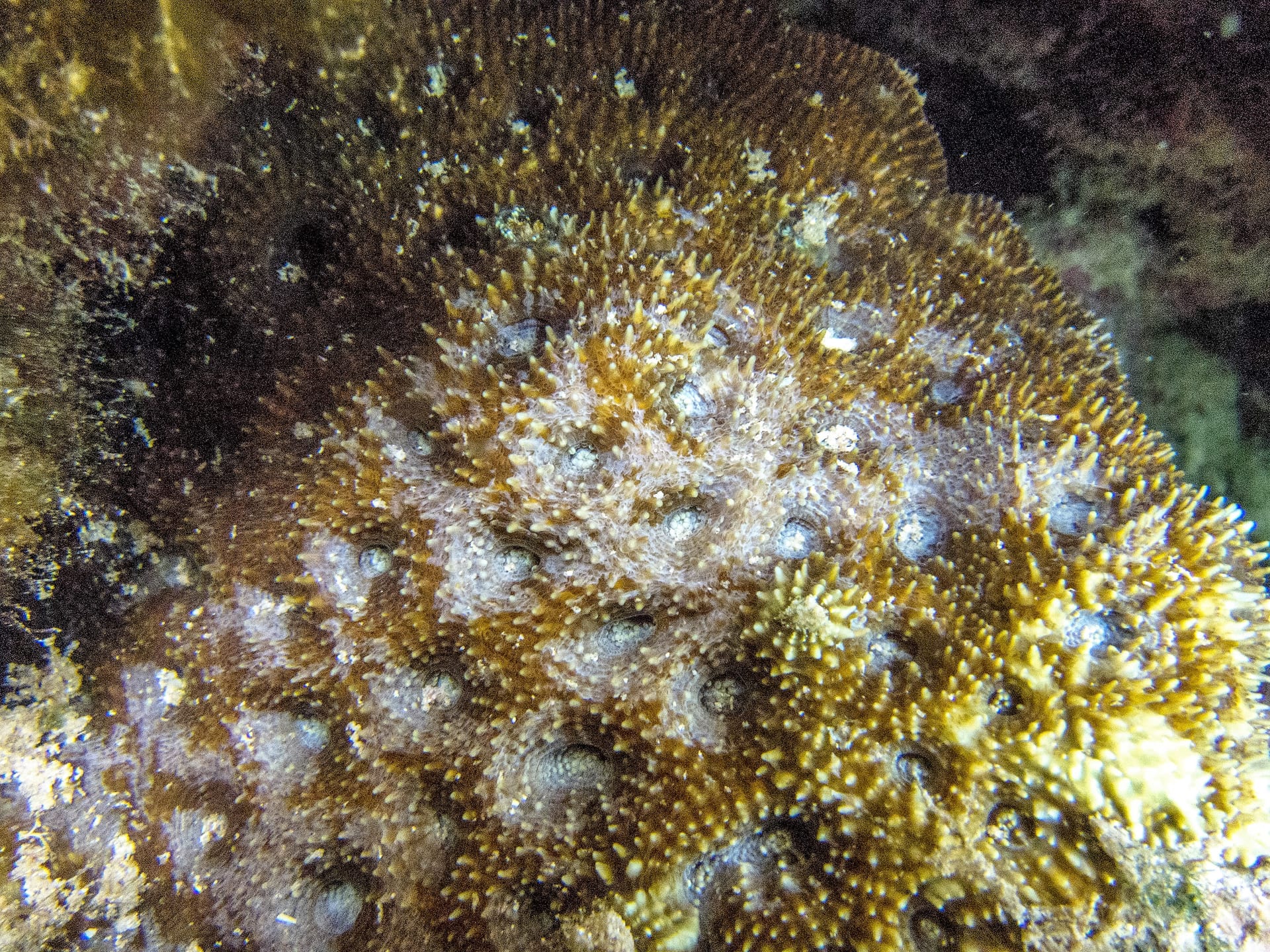
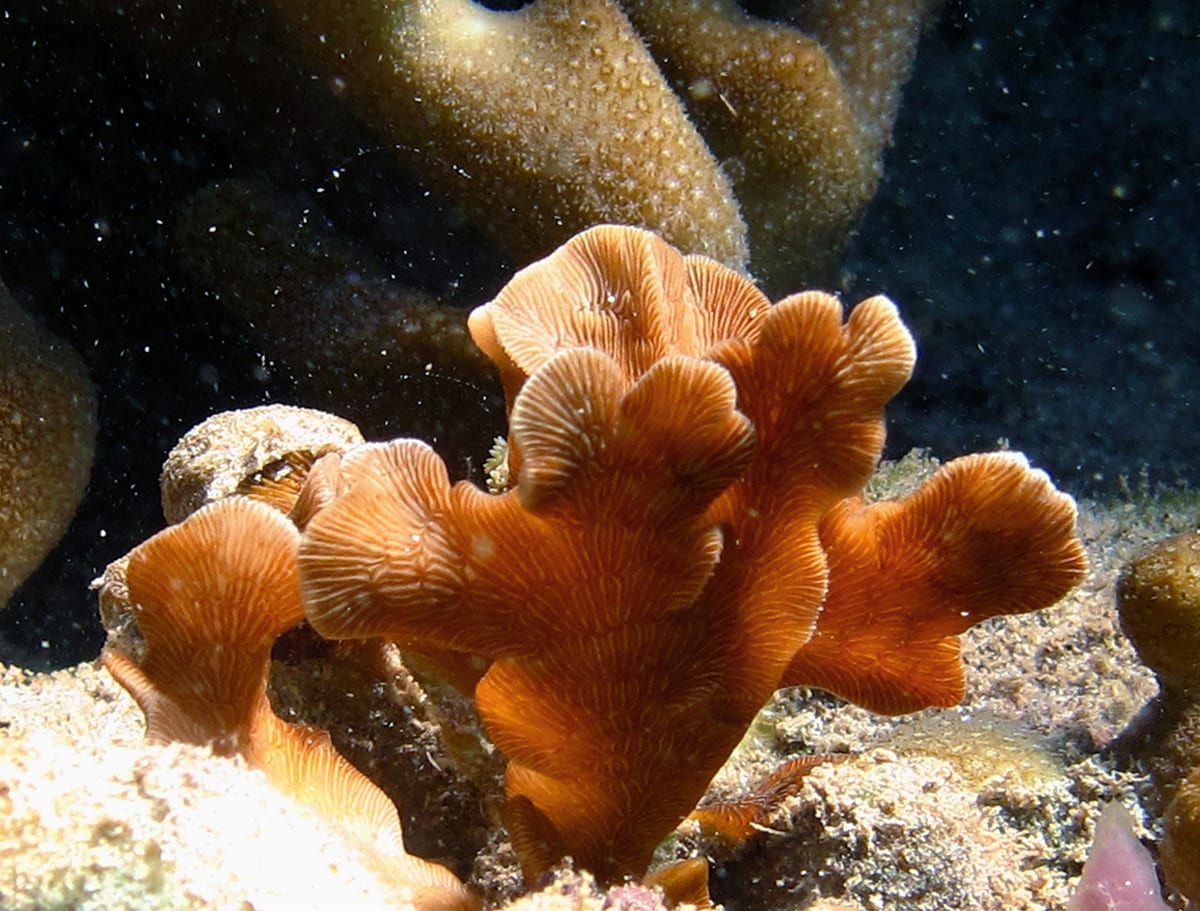
A leaf coral whose thin, contorted fronds stand up like potato chips. Shallow corallites run in rows parallel to the frond margins on both faces; pale brown to greenish-brown, often with white edges.
Difficulty
Intermediate
Temperature
24〜27℃
Lifespan
Little data available
Size
Fronds about 5 cm tall and under 5 mm thick; clusters may spread several metres (Wikipedia)
Diet
Photosynthesis (zooxanthellae) plus plankton
About
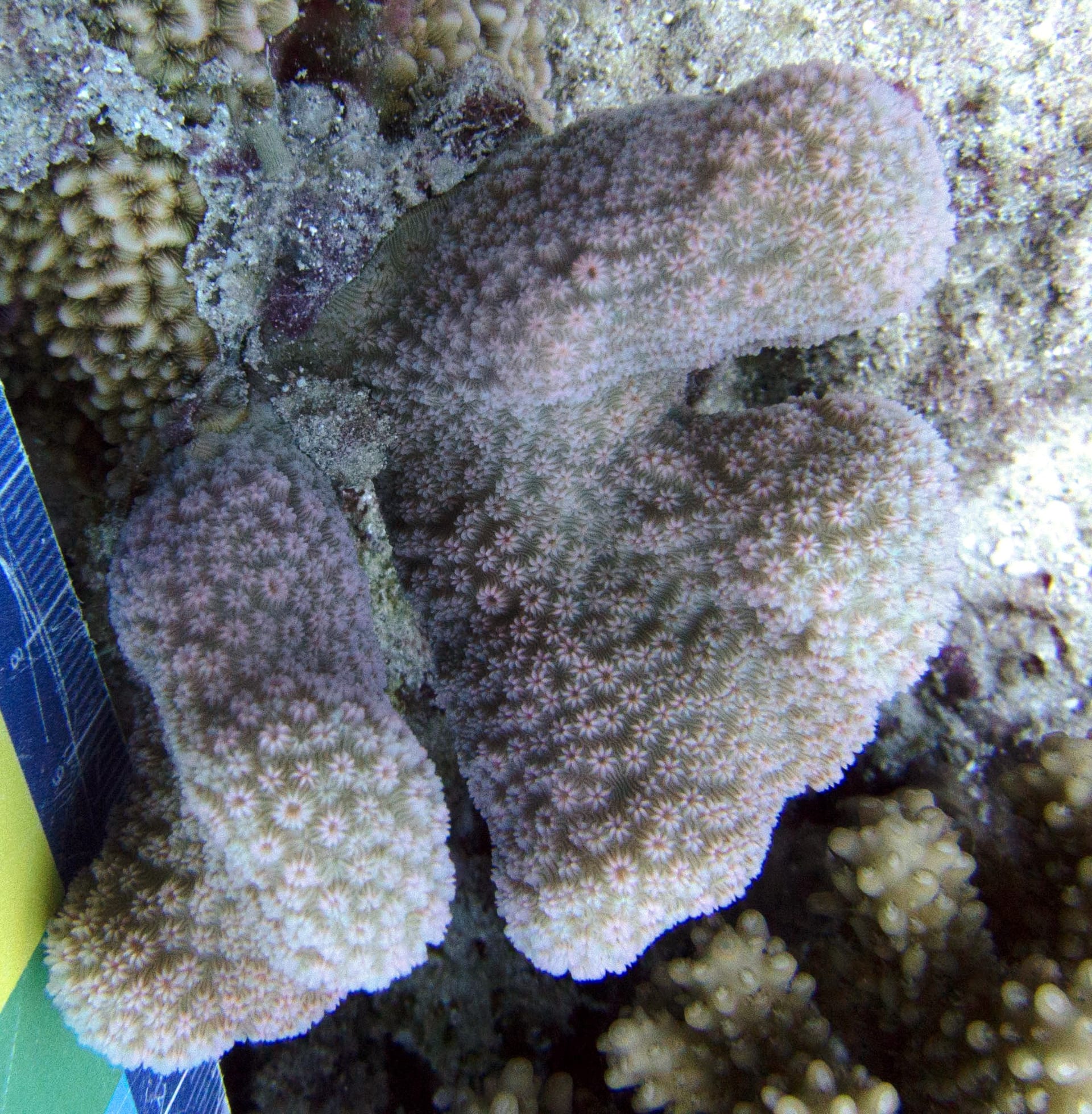
Pavona cactus is a stony coral of the family Agariciidae found in the tropical Indo-Pacific from the Red Sea and East Africa to Japan, Tahiti and Australia. Colonies consist of thin, contorted, upright fronds with corallites on both faces, sometimes with thickened bases. The corallites are fine and shallow, aligned in irregular rows parallel to the frond margins, and colonies are pale brown or greenish-brown, often with white margins (Corals of the World). Fronds are about 5 cm tall and no more than 5 mm thick, and clustered colonies can spread for several metres (Wikipedia). It is common in lagoons and on upper reef slopes of fringing reefs in calm, turbid water, and extends its tentacles at night to catch plankton. The similar P. frondifera has larger, deeper corallites. Compared with the Pavona genus entry on this site, its upright fronds are the key feature. It is described as easy, yet many keepers consider it high-maintenance because of its strong lighting needs (Reeflex). It is listed as Vulnerable on the IUCN Red List. Large online retailers in Japan offer it by name.
Source: Wikipedia (CC BY-SA 4.0)
Size of the Cactus Coral
The Cactus Coral grows to Fronds about 5 cm tall and under 5 mm thick; clusters may spread several metres (Wikipedia).
Temperature & humidity for the Cactus Coral
The ideal temperature for the Cactus Coral is 24〜27℃.
Basic Info
Origin
Tropical Indo-Pacific (Red Sea and East Africa to Japan, Tahiti and Australia)
Lifespan
Little data available
Care Specifications
- Water Temp.
- 24–27℃
- Specific Gravity
- 1.023–1.025
- Salinity
- 33–35 ppt
- Min. Tank
- 150 L
LPSLight: High (PAR>150)Flow: Medium
Sources: Corals of the World (Pavona cactus) / Reeflex (Pavona cactus) / Wikipedia (Pavona cactus) / Marinepia Nihonkai aquarium guide (Pavona cactus) / AlgaeBarn: Water Parameters 101
References & Sources
Edited & verified by: BreederDirect editorial team
The taxonomic, regulatory, and husbandry data on this page are compiled and verified against the authoritative primary sources below.
Primary sources
- Wikipedia
- Species+ (CITES listing of Pavona cactus)
- Okinawa Prefecture: Collection of reef-building corals is prohibited
- Tokyo Metropolitan Fisheries Adjustment Regulations (Arts. 37 and 41)
- e-Gov: Natural Parks Act (Art. 22, marine park zones)
- Corals of the World (Pavona cactus)
- Reeflex (Pavona cactus)
- Marinepia Nihonkai aquarium guide (Pavona cactus)
- AlgaeBarn: Water Parameters 101
Taxonomy & Authority
Accepted name: Pavona cactus (Forskål, 1775)
Synonyms: Lophoseris cactus (Forskål, 1775), Agaricia boletiformis (Esper, 1791), Lophoseris cristata Milne Edwards & Haime, 1851
Authority databases: WoRMS · GBIF · GBIF · WoRMS · Corals of the World
Nomenclature follows global taxonomic authority databases.
Regulations & Conservation Status
CITES Appendix IIIUCN VU · Vulnerable
Domestic law: Collecting in Japanese waters is governed by each prefecture's fisheries adjustment regulations, which differ by prefecture. Okinawa bans all collection of reef-building corals, including stony corals, and also bans possessing or selling illegally collected corals (cultured corals are exempt, and the prefecture advises buyers to confirm a coral is cultured, on an artificial base or tagged). Tokyo bans collection in the waters off Ogasawara Village. In marine park zones of national and quasi-national parks, taking designated animals and plants requires a permit (Natural Parks Act, Art. 22).
All stony corals (Scleractinia) are listed in CITES Appendix II (checked on Species+). International trade requires export permits, but no registration is needed to sell or transfer specimens within Japan.
Sources: Species+ (CITES listing of Pavona cactus) / Okinawa Prefecture: Collection of reef-building corals is prohibited / Tokyo Metropolitan Fisheries Adjustment Regulations (Arts. 37 and 41) / e-Gov: Natural Parks Act (Art. 22, marine park zones)
Regulations may change. Always verify the latest information with the relevant authorities.
Cactus Coral Listings
Loading latest listingsFind listings for this species