Source: Wikimedia Commons
Isis Hippuris
IntermediateIsis hippuris
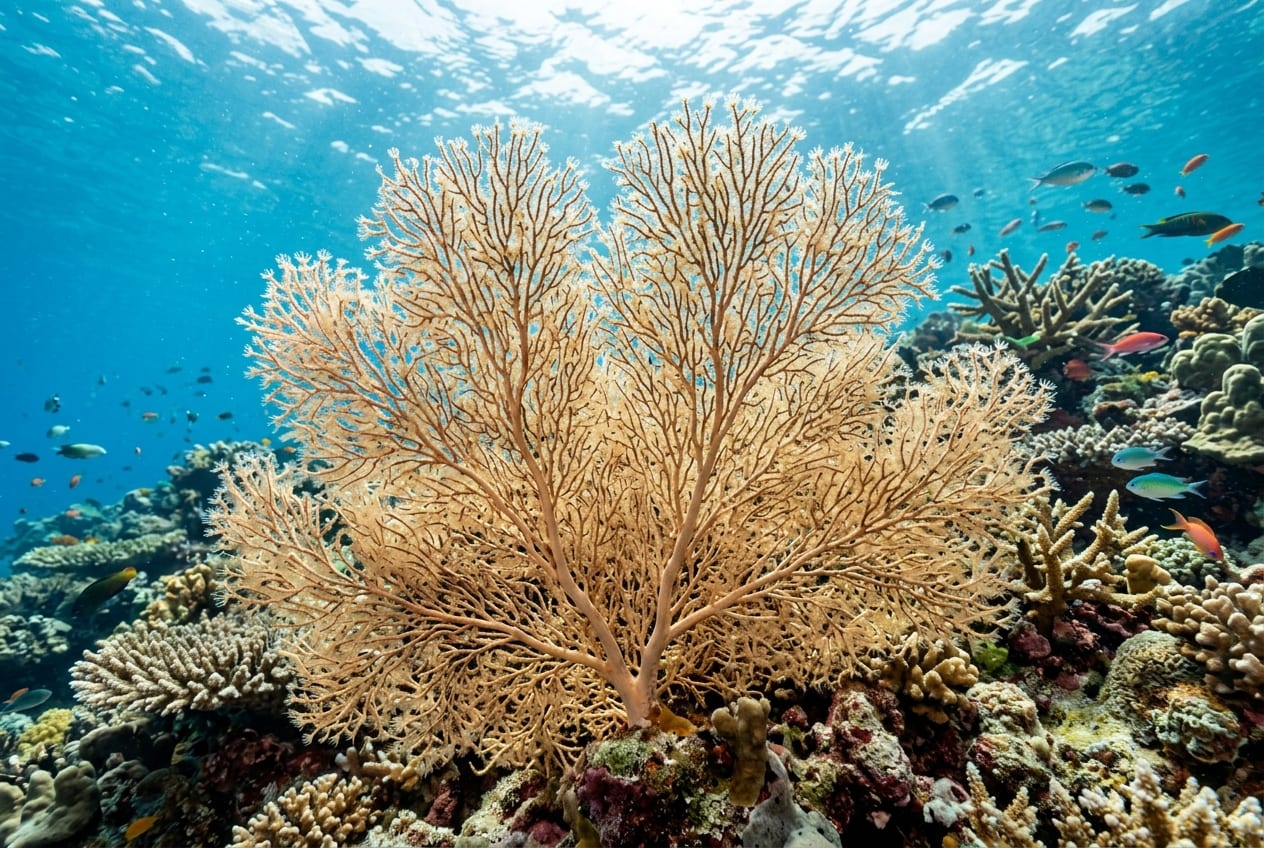
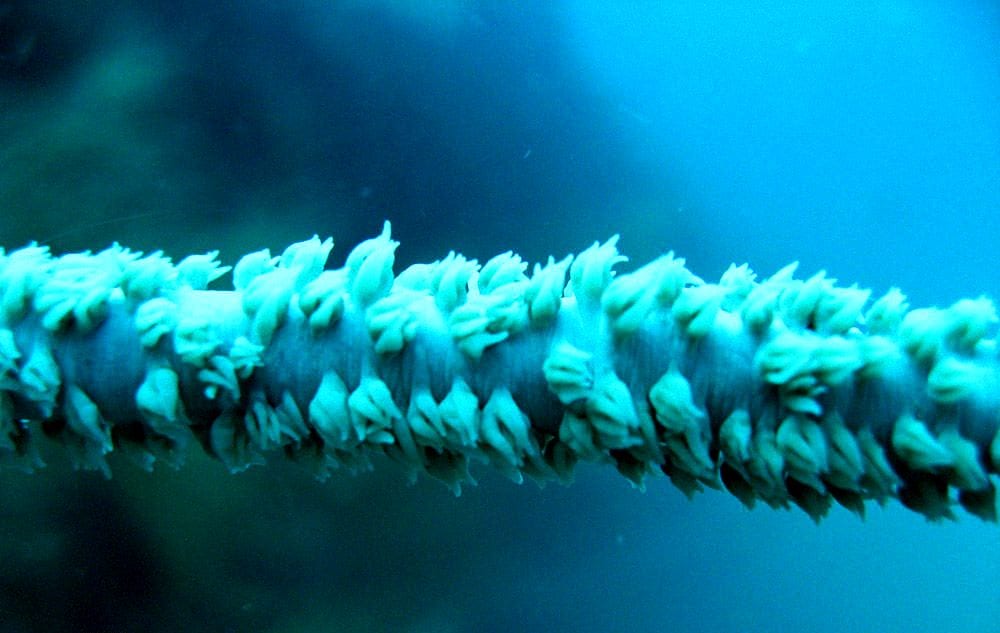
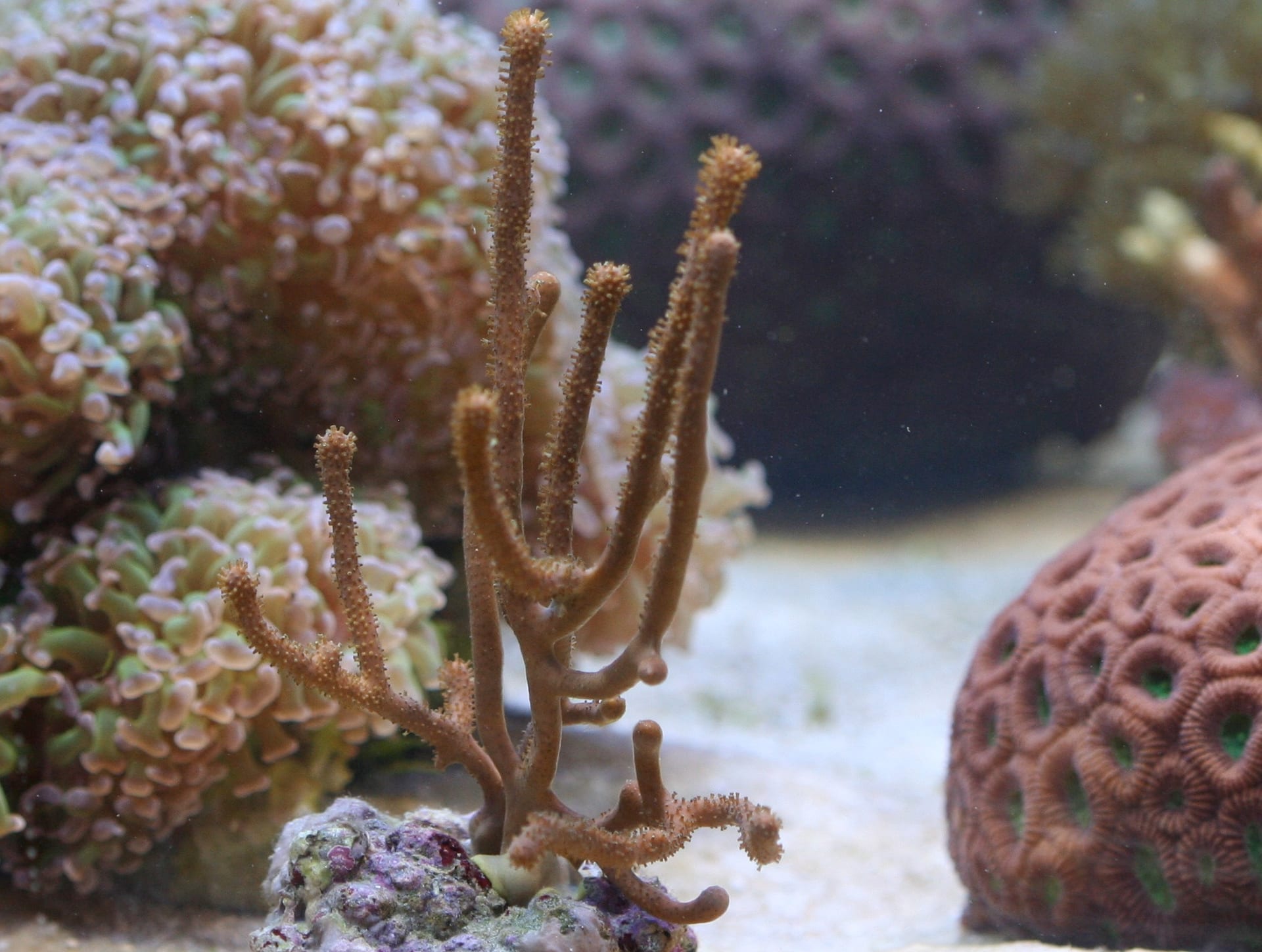
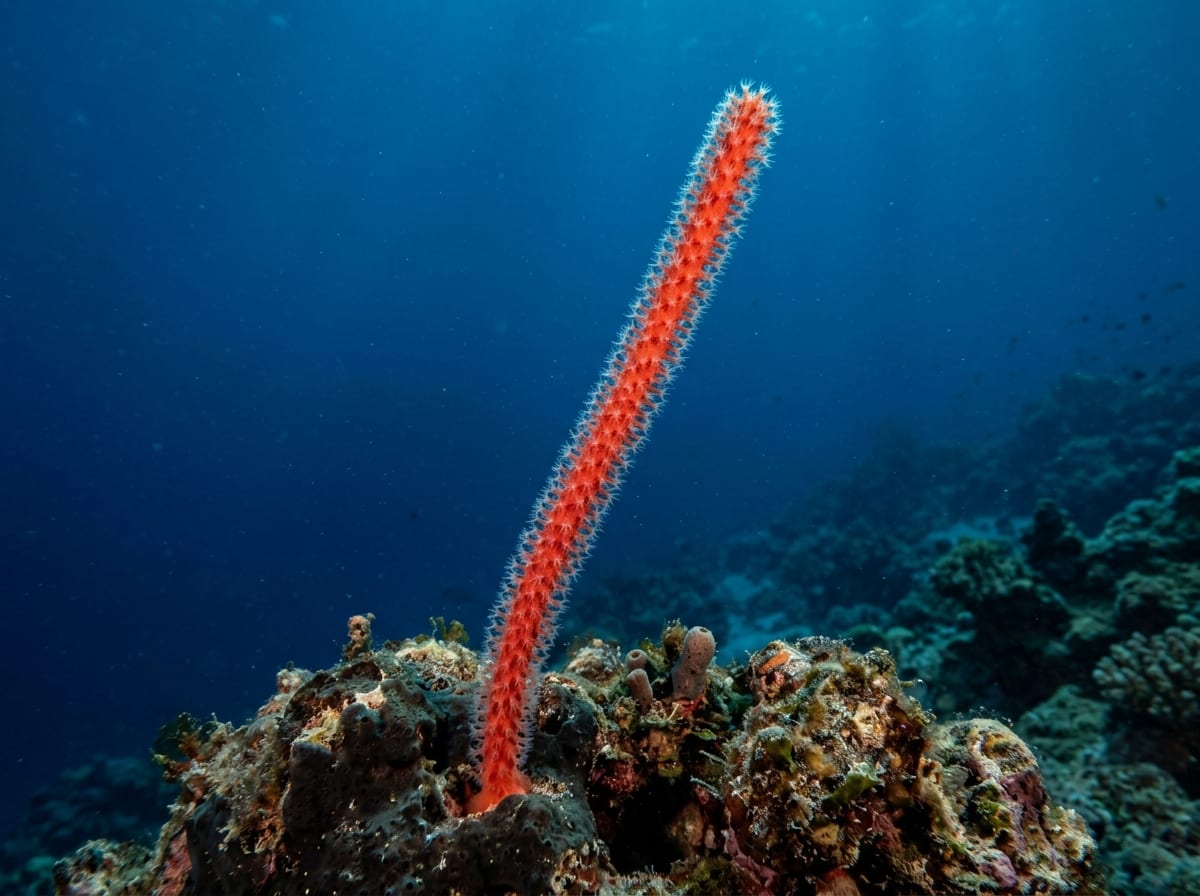
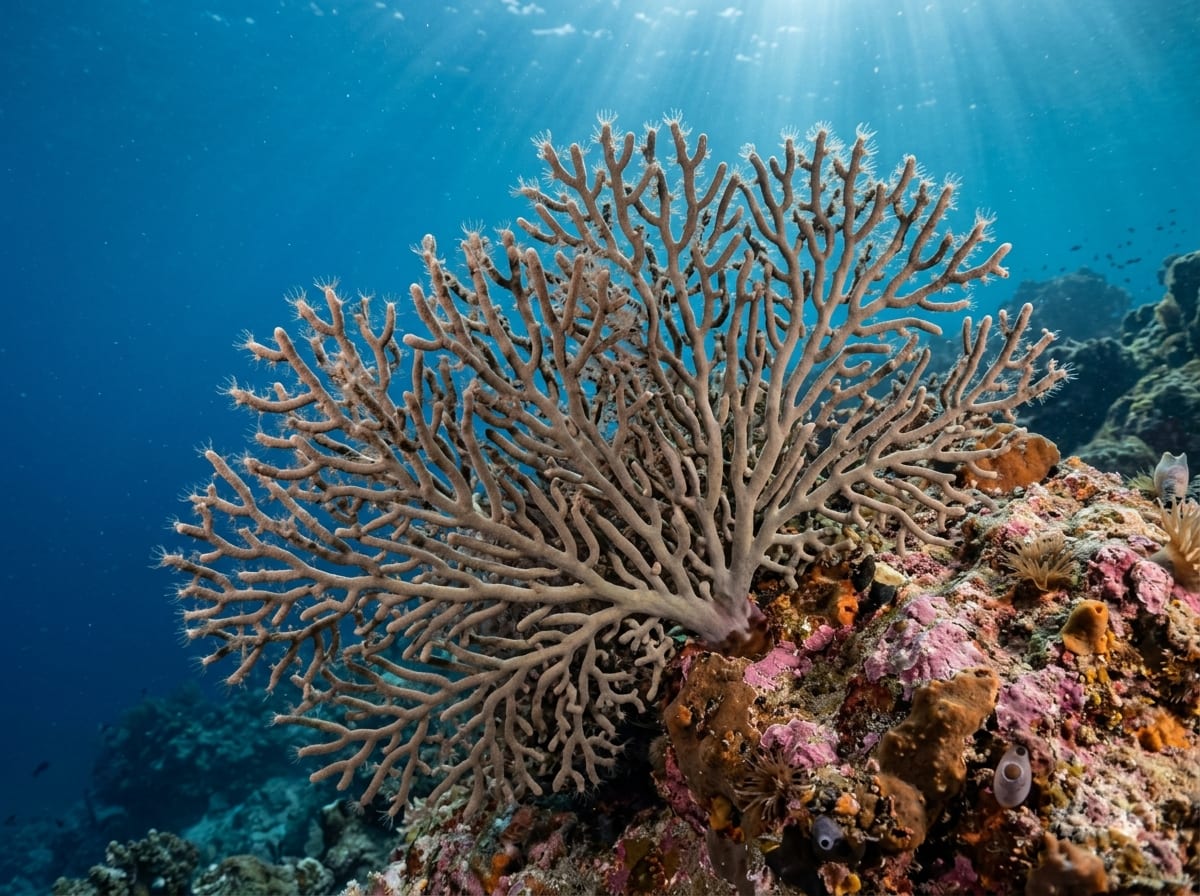
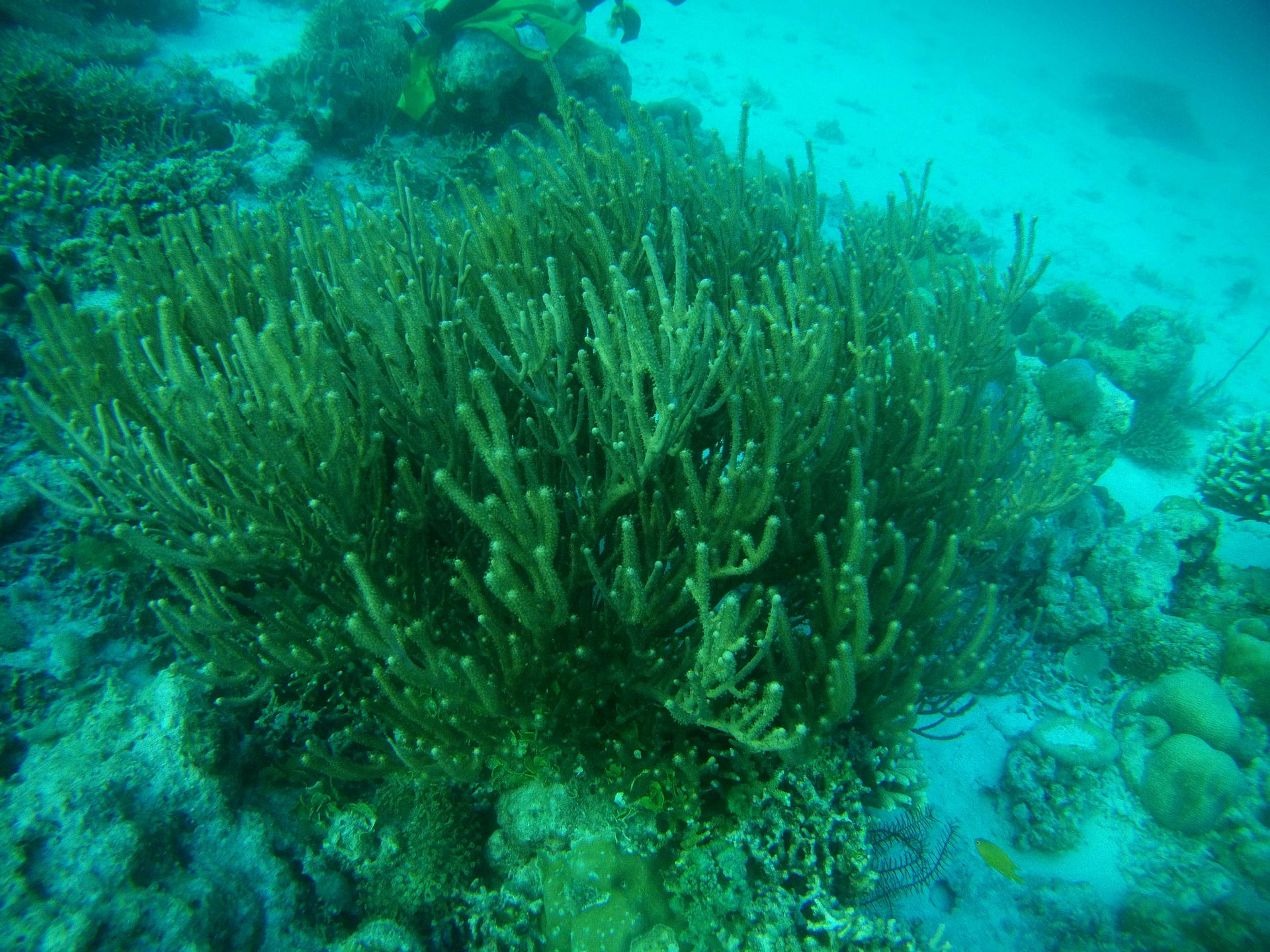
An octocoral whose skeleton alternates calcareous internodes with flexible gorgonin nodes, giving a bamboo-like look. It is photosynthetic and abundant in the western Pacific around Indonesia.
Difficulty
Intermediate
Temperature
24〜27℃
Diet
Photosynthesis via zooxanthellae plus supplemental zooplankton and phytoplankton
About
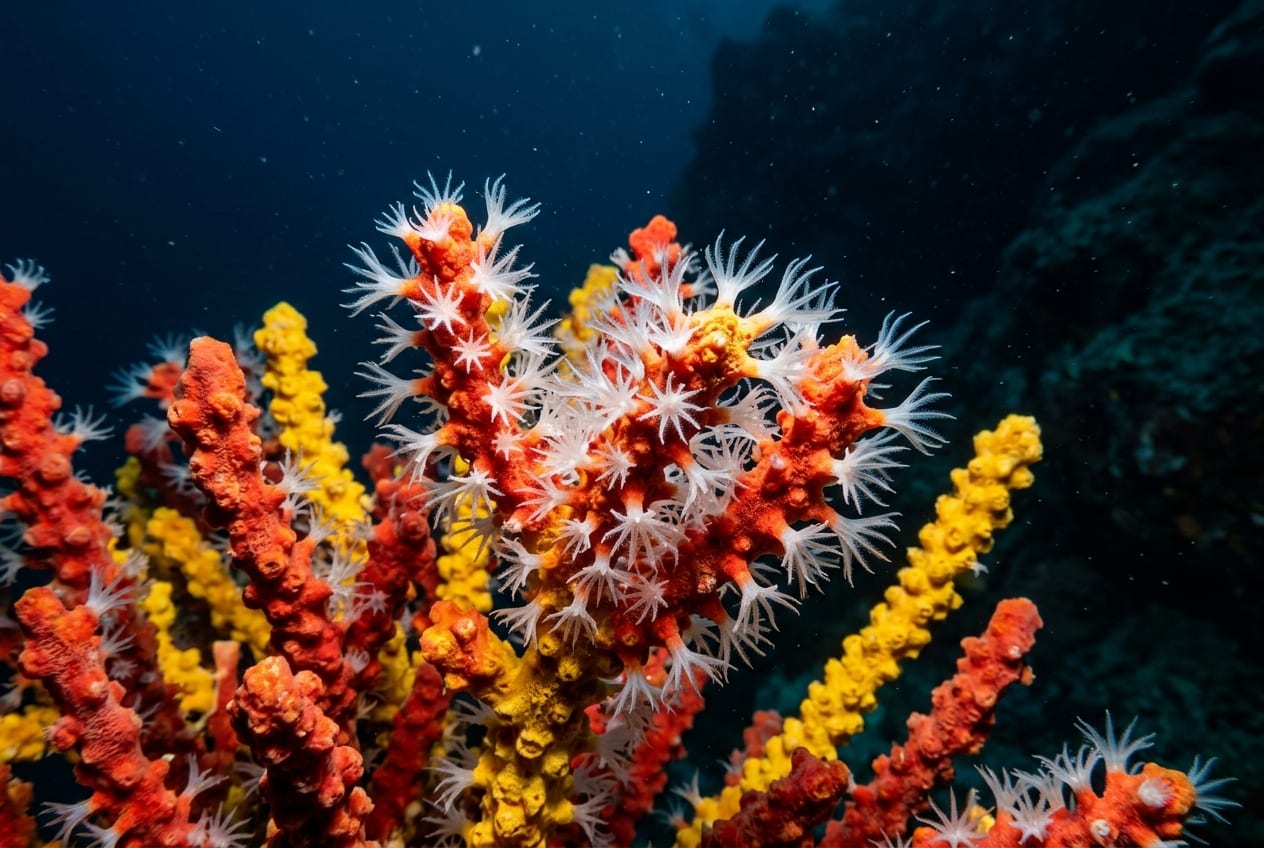
Isis hippuris, described by Linnaeus in 1758, belongs to the bamboo corals. It occurs in the western Pacific and is especially common along the coasts of Indonesia. Its skeleton alternates white calcareous internodes with dark, flexible gorgonin nodes, and this bamboo-like jointing has long been its identifying feature. It reproduces asexually and is abundant throughout its habitats. It is photosynthetic and draws energy from light. The species is also known for producing hippuristanol, a molecule under continuing study for possible anti-cancer applications. In the aquarium give moderate or stronger lighting with strong random flow, and keep sediment and cyanobacteria off the branches.
Source: Wikipedia (CC BY-SA 4.0)
Temperature & humidity for the Isis Hippuris
The ideal temperature for the Isis Hippuris is 24〜27℃.
Basic Info
Origin
Western Pacific, centred on the coasts of Indonesia (Indo-West Pacific)
Temperature
24〜27℃
Diet
Photosynthesis via zooxanthellae plus supplemental zooplankton and phytoplankton
Care Guide
Lighting
A photosynthetic species; provide moderate or stronger lighting.
Flow & Placement
Care Specifications
- Water Temp.
- 24–27℃
- Specific Gravity
- 1.023–1.025
- Salinity
- 33–35 ppt
Soft coralLight: Medium (PAR 50-150)Flow: HighPlacement: Flexible
Sources: Wikipedia: Reef aquarium (water parameters) / AlgaeBarn: Gorgonians in the Marine Aquarium / Wikipedia
References & Sources
Edited & verified by: BreederDirect editorial team
The taxonomic, regulatory, and husbandry data on this page are compiled and verified against the authoritative primary sources below.
Taxonomy & Authority
Accepted name: Isis hippuris Linnaeus, 1758
Authority databases: WoRMS
Nomenclature follows global taxonomic authority databases.
Regulations & Conservation Status
Not CITES-listed
Octocoral, order Malacalcyonacea (Isis hippuris, Isididae). Not listed by CITES: it belongs to none of Scleractinia, Antipatharia, Helioporidae, Tubiporidae, Milleporidae or Stylasteridae.
Sources: DOC NZ / CITES-listed corals (taxon not listed) / CITES Appendices
Regulations may change. Always verify the latest information with the relevant authorities.
Isis Hippuris Listings
Loading latest listingsFind listings for this species