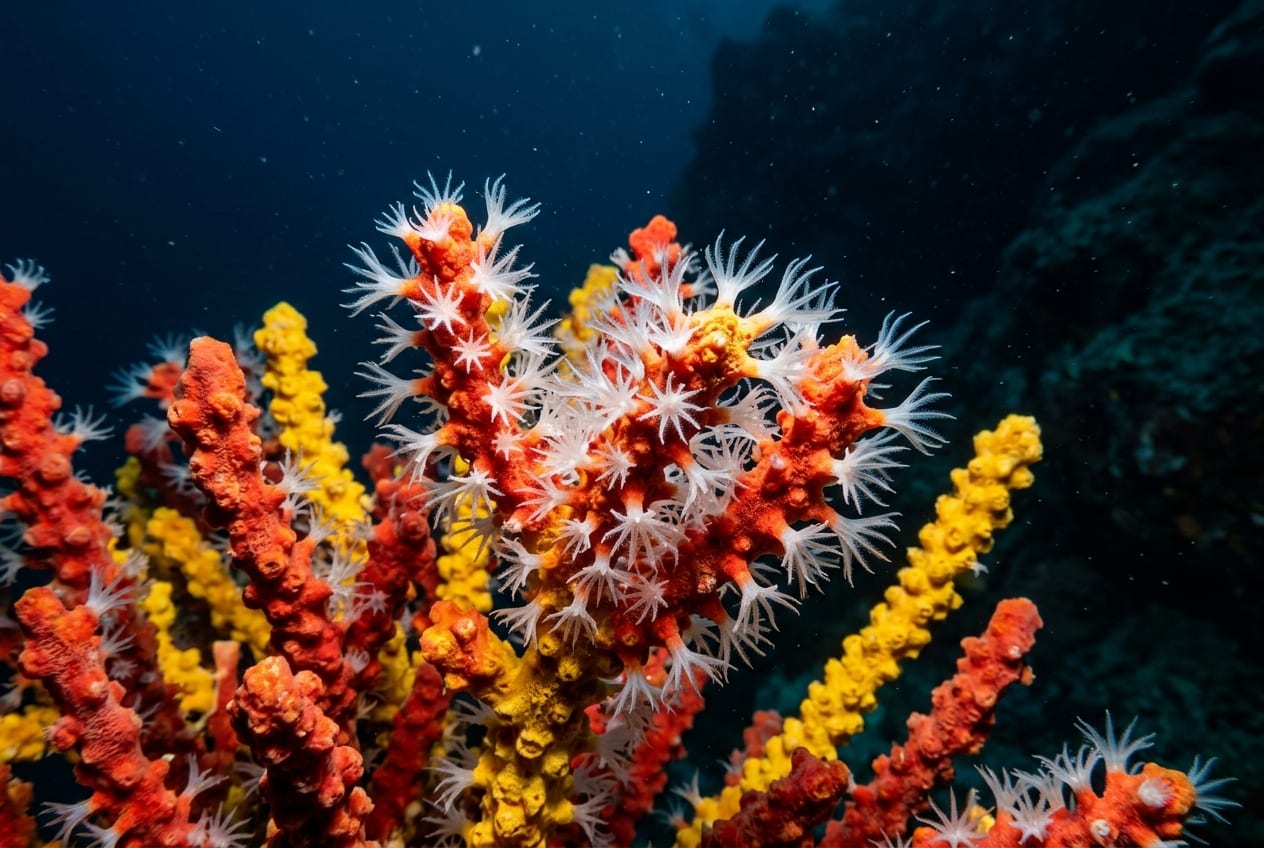
AI-generated image
Pinnigorgia
IntermediatePinnigorgia flava
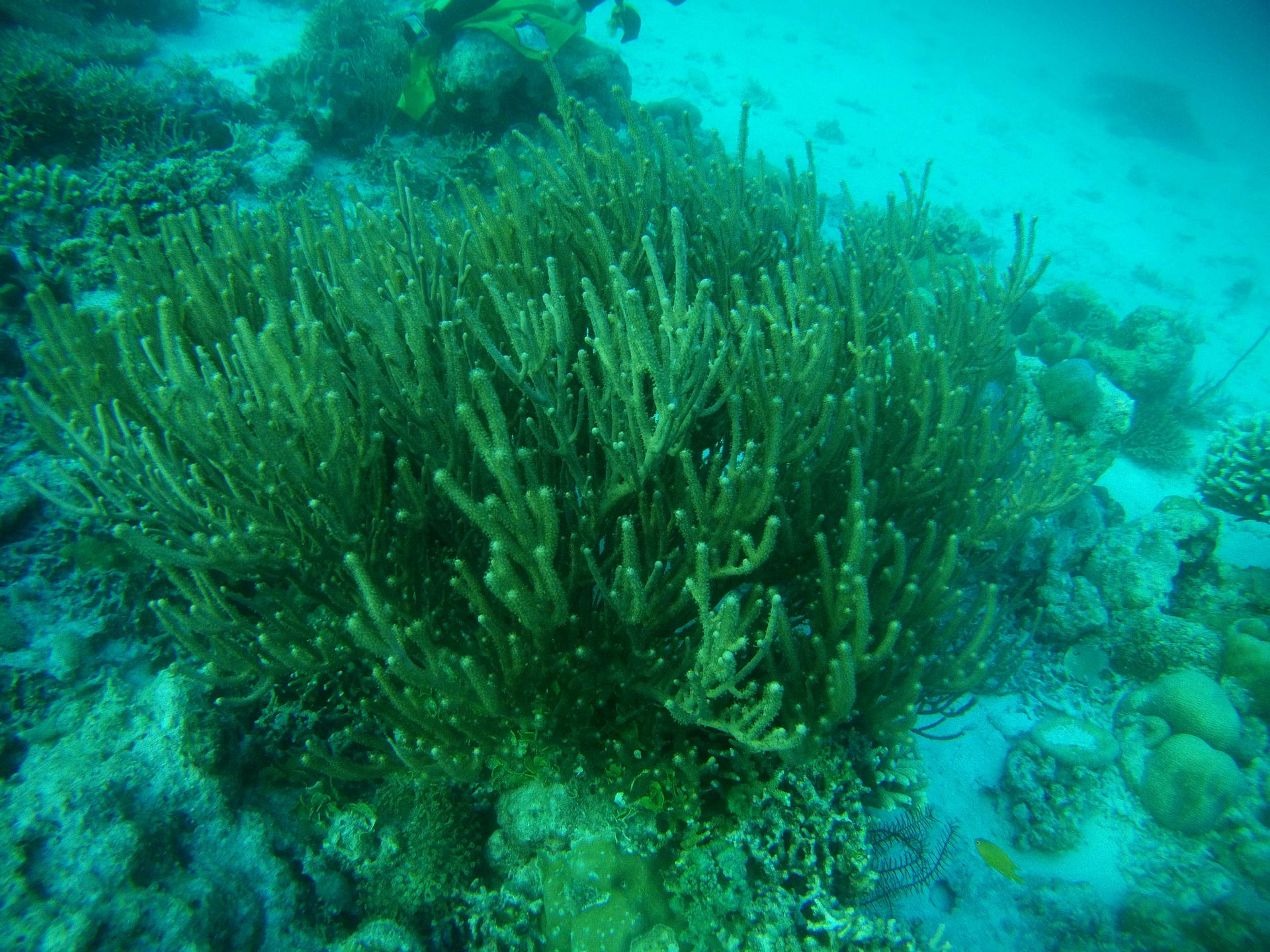
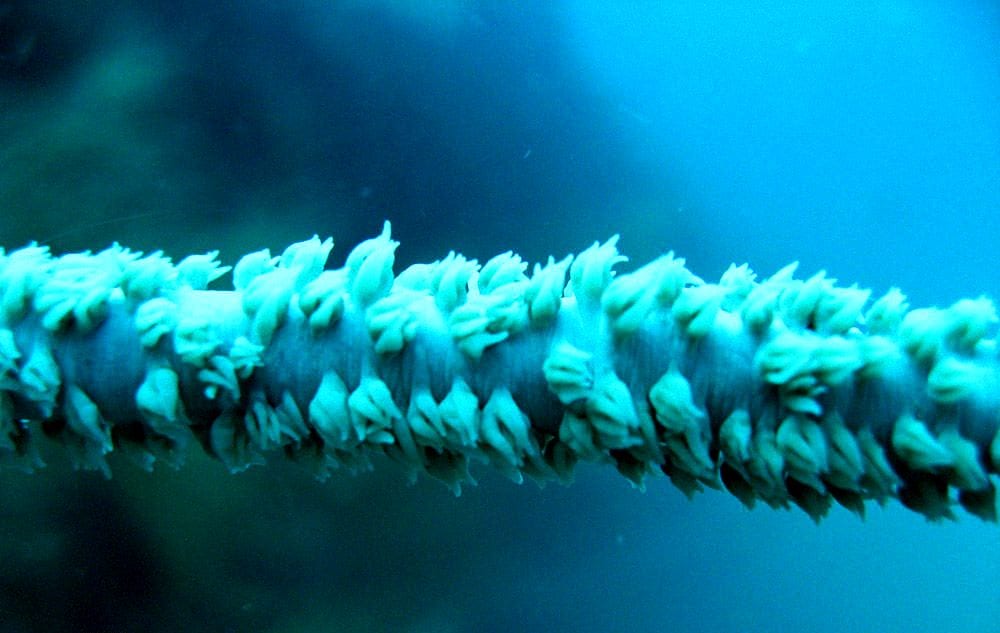
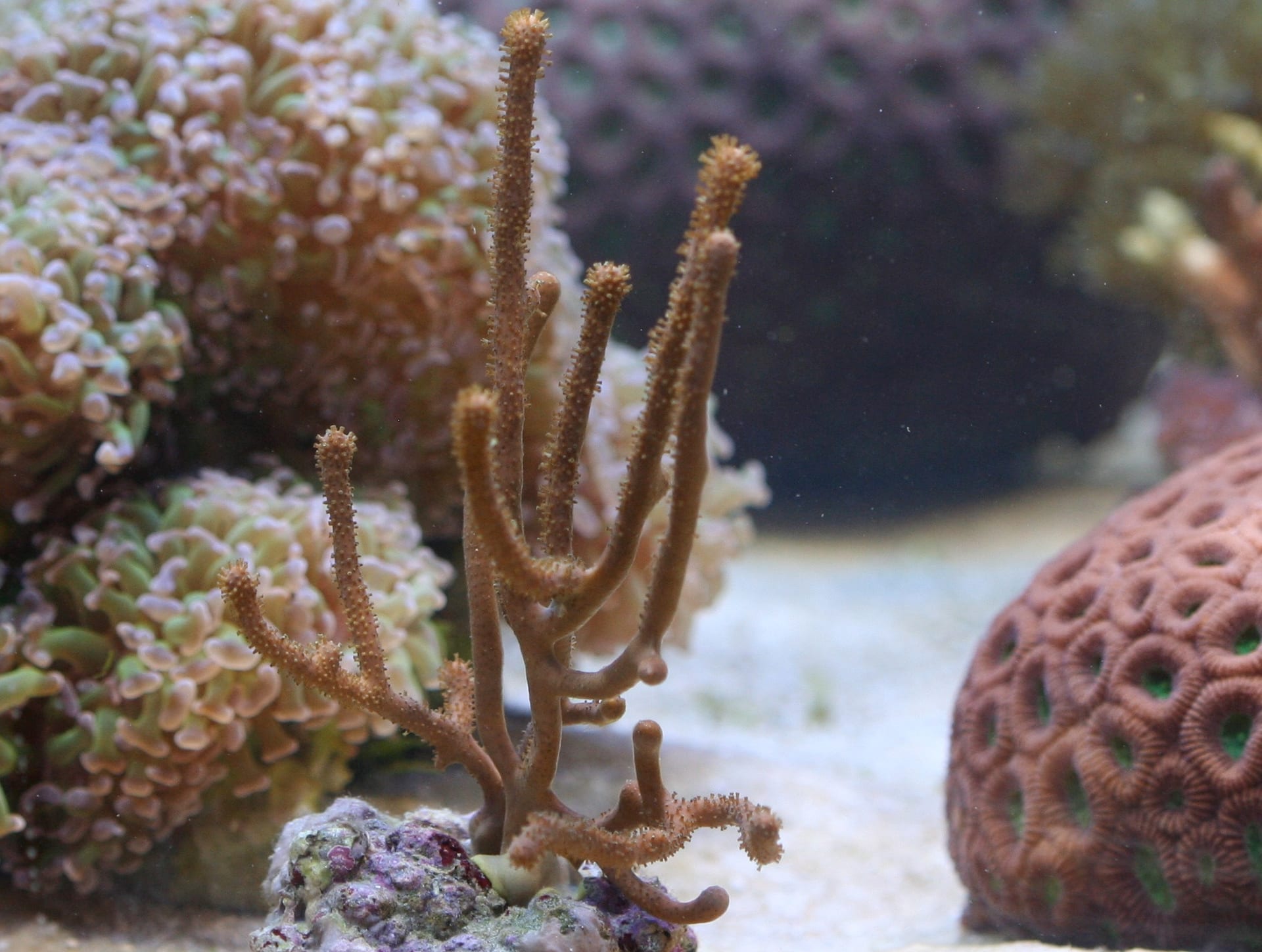
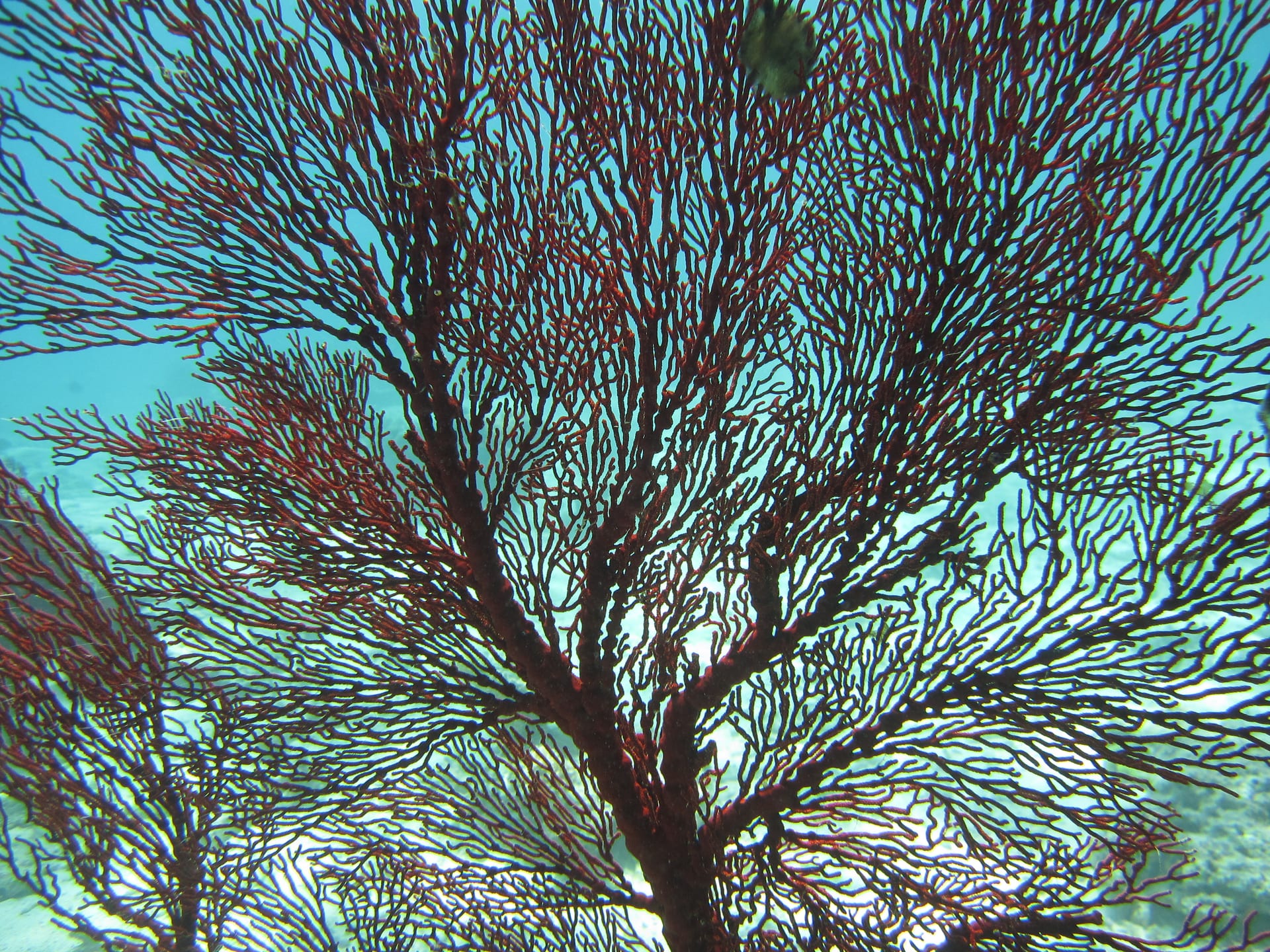
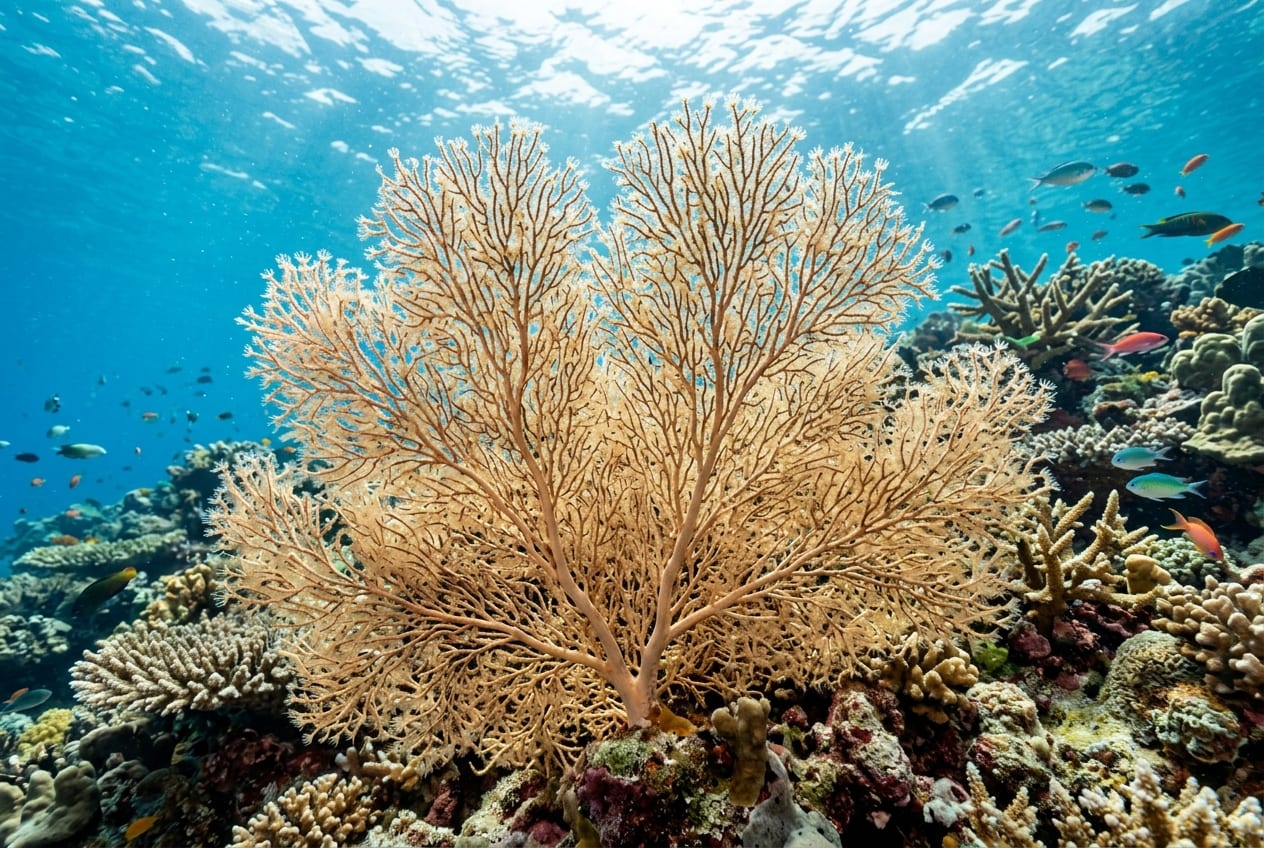
A photosynthetic gorgonian that spreads slender pale-yellow to brown branches into a fan. Feathery polyps open across the surface; it grows quickly and propagates readily in the aquarium.
Difficulty
Intermediate
Temperature
24〜27℃
Diet
Photosynthesis via zooxanthellae plus supplemental zooplankton and phytoplankton
About
Pinnigorgia flava was described by Nutting in 1910 and is placed in the family Pterogorgiidae by WoRMS. It was formerly treated as Euplexaura flava or Plexaura flava, and those names persist in older literature and in the trade. A flexible gorgonin axis branches finely and the colony spreads into a fan or bush. Ground colour ranges from pale yellow to brown, with feathery polyps densely set over the branch surface. The genus is photosynthetic and draws energy from light, making it far easier to keep than non-photosynthetic gorgonians. Growth is fast and broken branches attach readily when mounted, so it lends itself to fragging in the aquarium. Moderate or stronger lighting with strong random flow, and keeping sediment off the branches, are the keys to good condition.
Temperature & humidity for the Pinnigorgia
The ideal temperature for the Pinnigorgia is 24〜27℃.
Basic Info
Origin
Western Pacific (Palau and other Indo-West Pacific reefs)
Temperature
24〜27℃
Diet
Photosynthesis via zooxanthellae plus supplemental zooplankton and phytoplankton
Care Guide
Lighting
A photosynthetic species; provide moderate or stronger lighting.
Flow & Placement
Give strong random flow so sediment cannot settle. Broken branches attach when mounted.
Care Specifications
- Water Temp.
- 24–27℃
- Specific Gravity
- 1.023–1.025
- Salinity
- 33–35 ppt
Soft coralLight: Medium (PAR 50-150)Flow: HighPlacement: Flexible
Sources: Wikipedia: Reef aquarium (water parameters) / AlgaeBarn: Gorgonians in the Marine Aquarium / WoRMS
References & Sources
Edited & verified by: BreederDirect editorial team
The taxonomic, regulatory, and husbandry data on this page are compiled and verified against the authoritative primary sources below.
Taxonomy & Authority
Accepted name: Pinnigorgia flava (Nutting, 1910)
Synonyms: Euplexaura flava, Plexaura flava
Authority databases: WoRMS
Nomenclature follows global taxonomic authority databases.
Regulations & Conservation Status
Not CITES-listed
Octocoral, order Malacalcyonacea (Pinnigorgia flava, Pterogorgiidae). Not listed by CITES: it belongs to none of Scleractinia, Antipatharia, Helioporidae, Tubiporidae, Milleporidae or Stylasteridae.
Sources: DOC NZ / CITES-listed corals (taxon not listed) / CITES Appendices
Regulations may change. Always verify the latest information with the relevant authorities.
Pinnigorgia Listings
Loading latest listingsFind listings for this species