Source: Wikimedia Commons
Rumphella
IntermediateRumphella spp.
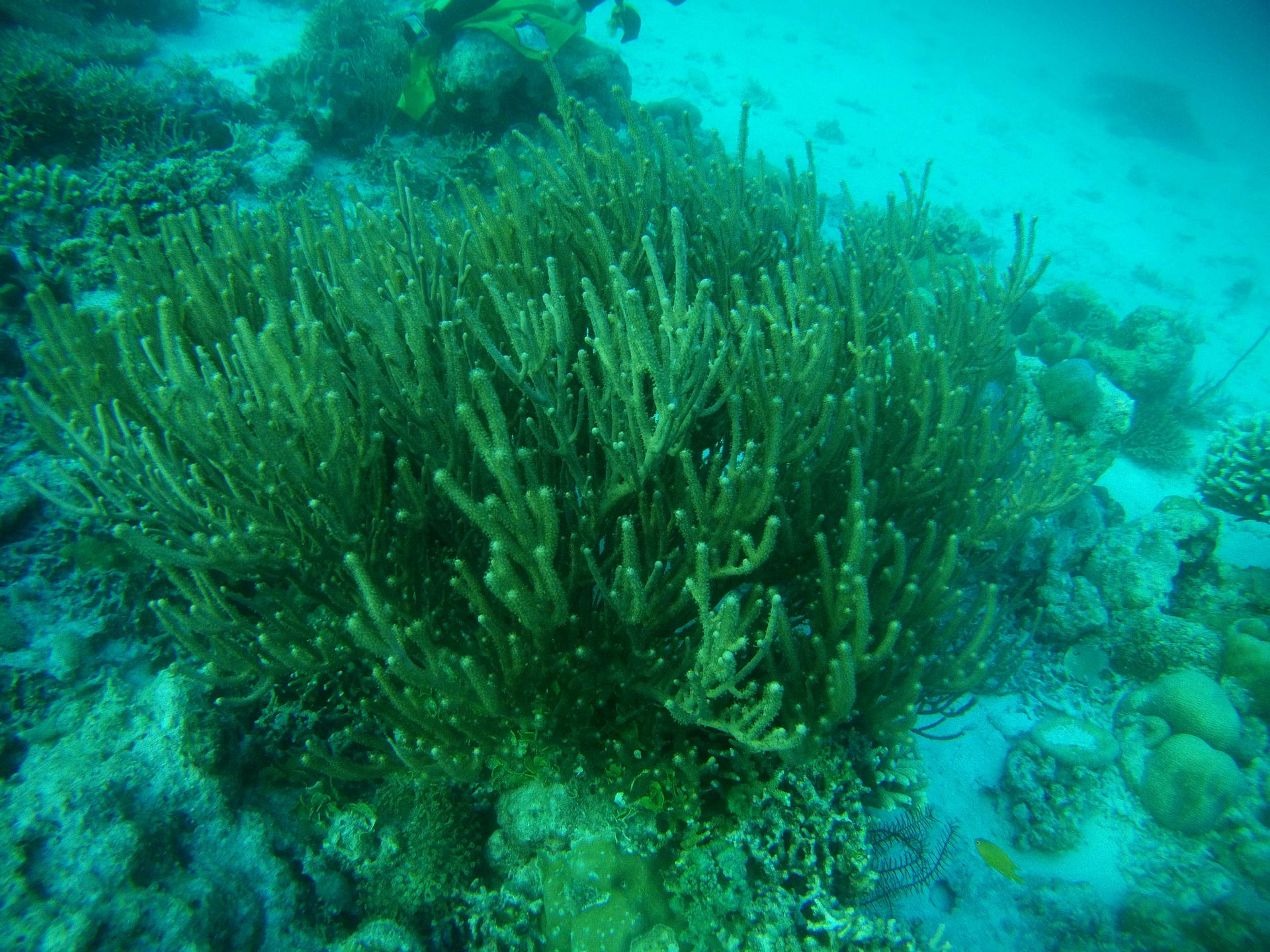
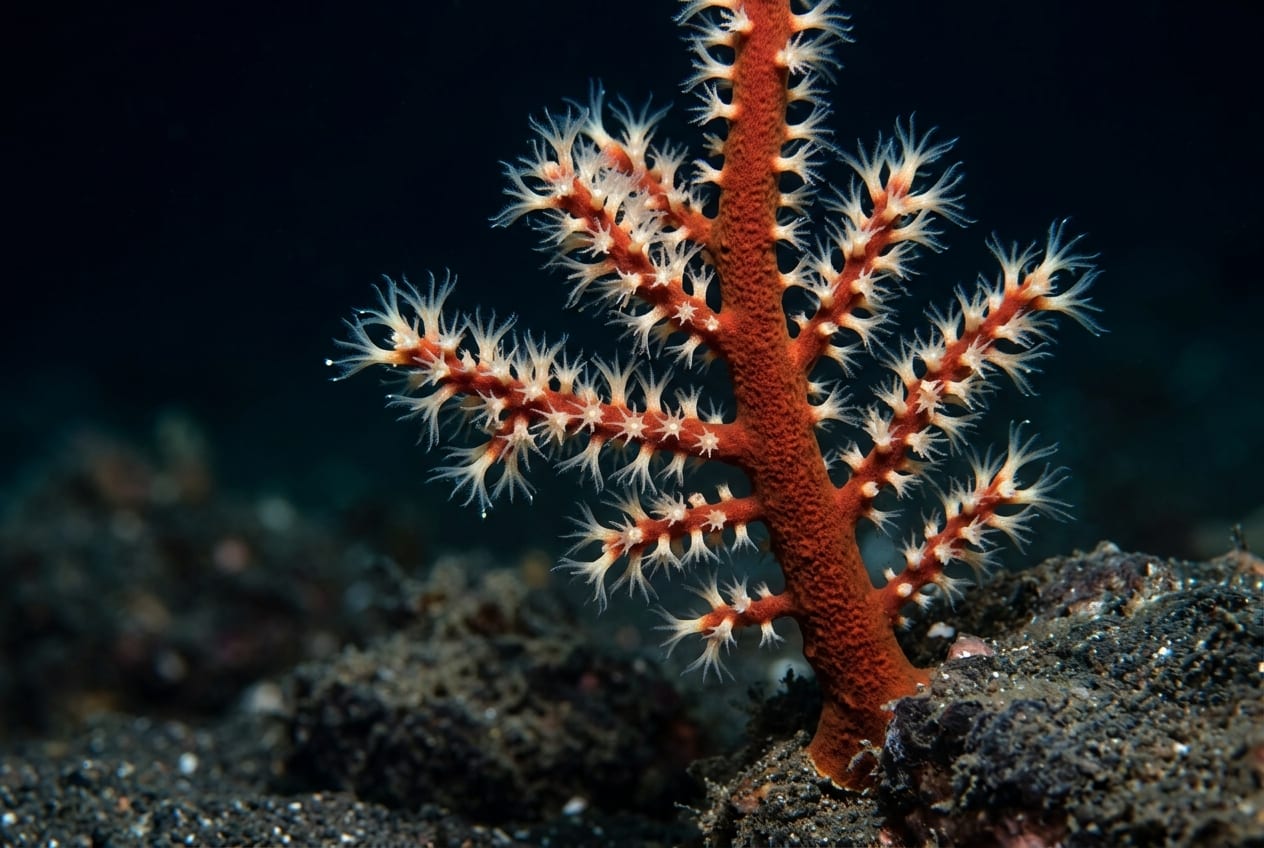
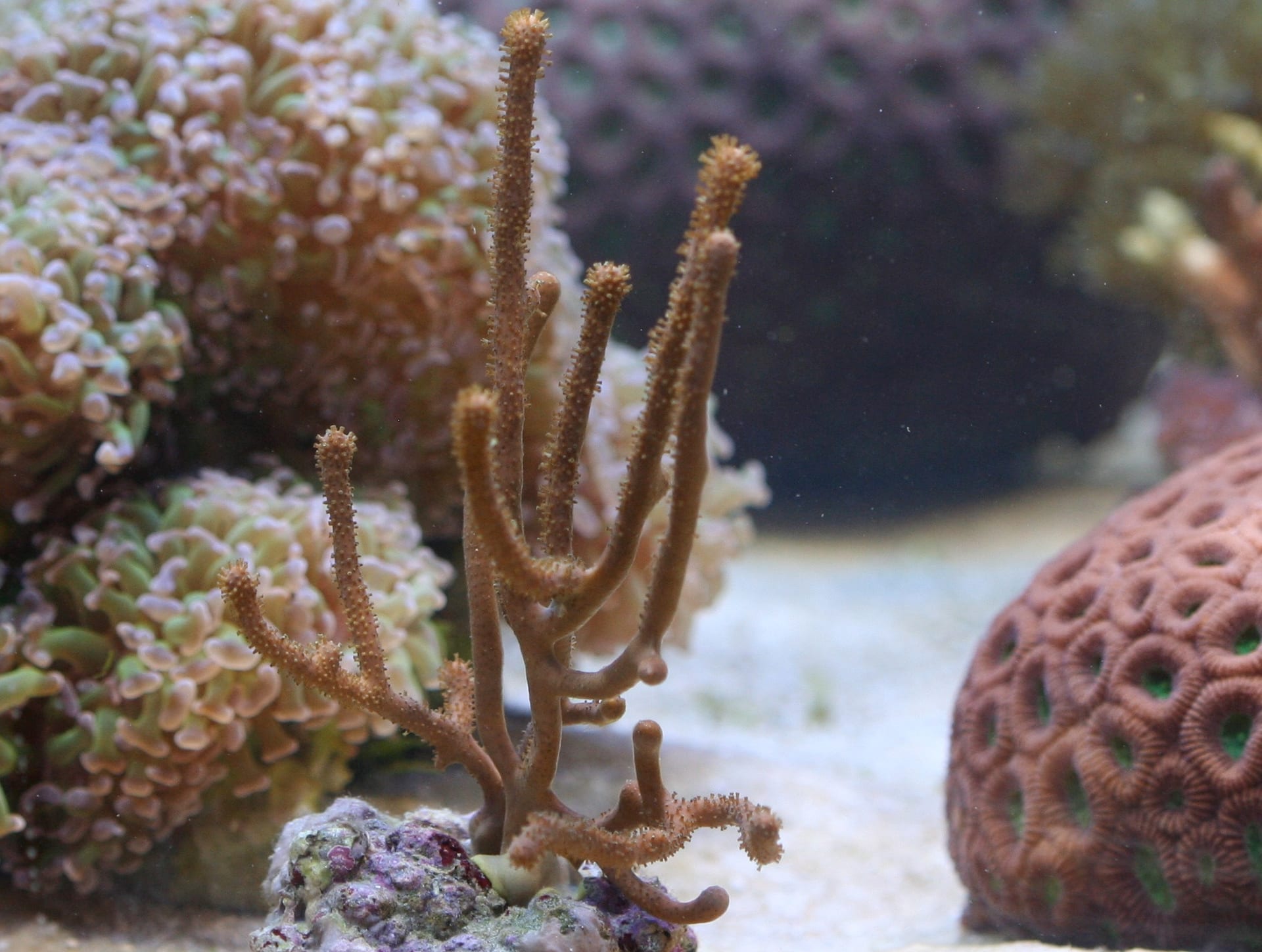
A photosynthetic gorgonian whose brown branches divide into a bushy shrub. When the fine polyps are all extended the colony looks furry, and it is an approachable first gorgonian.
Difficulty
Intermediate
Temperature
24〜27℃
Diet
Photosynthesis via zooxanthellae plus supplemental zooplankton and phytoplankton
About
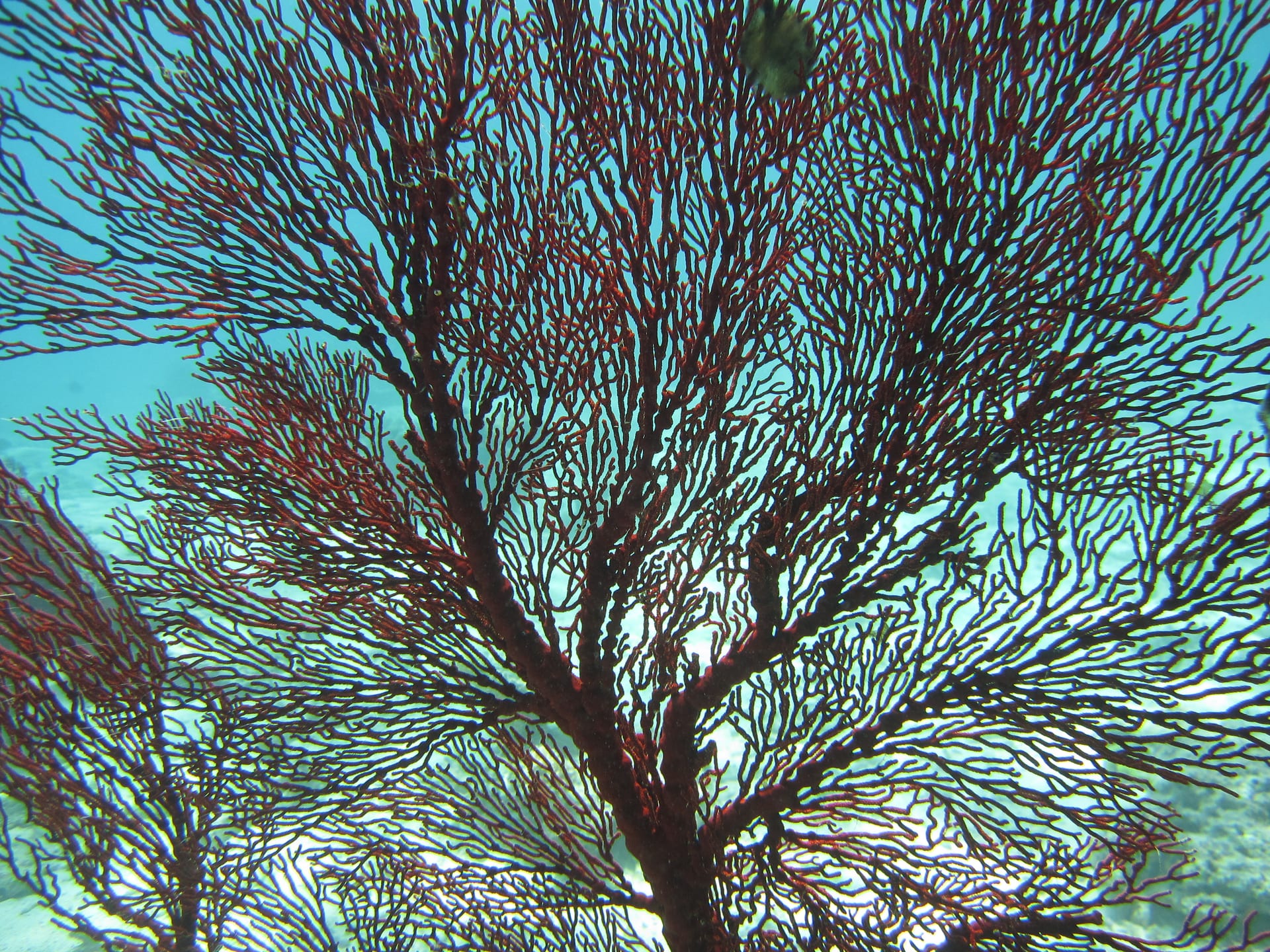
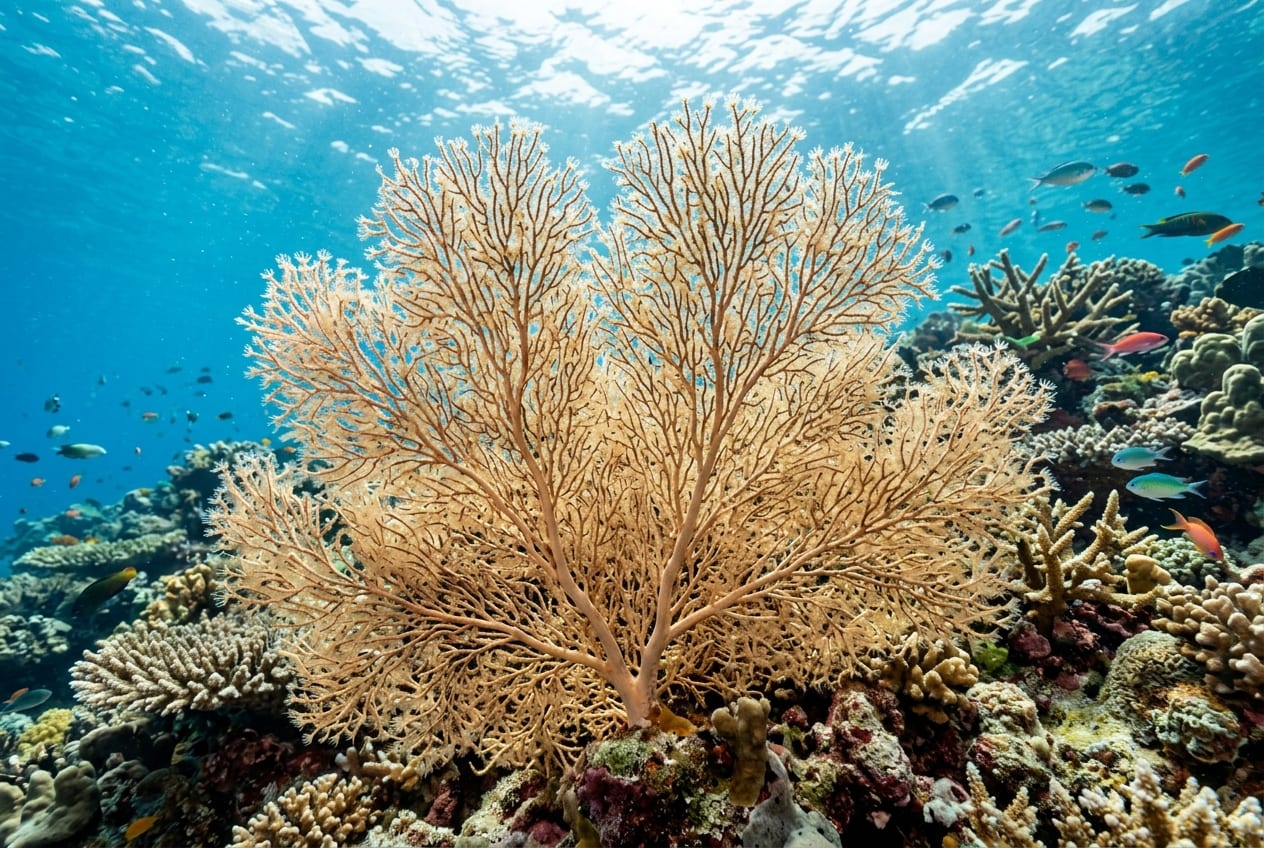
Rumphella is a genus of Indo-West Pacific octocorals, erected by Bayer in 1955 according to WoRMS. A flexible gorgonin axis divides repeatedly into a bushy form, and fine polyps emerge across the whole branch surface. With polyps extended the colony takes on a furry texture that sways attractively in the current. Most gorgonians lack zooxanthellae, but this genus is photosynthetic and draws energy from light, which lowers the difficulty considerably. That makes it a common first gorgonian. Give moderate or stronger lighting with strong random flow so that sediment and cyanobacteria cannot settle on the branches. Although it can rely on photosynthesis, supplemental phytoplankton and fine zooplankton steady its growth.
Temperature & humidity for the Rumphella
The ideal temperature for the Rumphella is 24〜27℃.
Basic Info
Origin
Coral reefs of the Indo-West Pacific
Temperature
24〜27℃
Diet
Photosynthesis via zooxanthellae plus supplemental zooplankton and phytoplankton
Care Guide
Lighting
A photosynthetic species; provide moderate or stronger lighting.
Flow & Placement
Give strong random flow so sediment and cyanobacteria cannot settle on the branches.
Care Specifications
- Water Temp.
- 24–27℃
- Specific Gravity
- 1.023–1.025
- Salinity
- 33–35 ppt
Soft coralLight: Medium (PAR 50-150)Flow: HighPlacement: Flexible
Sources: Wikipedia: Reef aquarium (water parameters) / AlgaeBarn: Gorgonians in the Marine Aquarium / WoRMS
References & Sources
Edited & verified by: BreederDirect editorial team
The taxonomic, regulatory, and husbandry data on this page are compiled and verified against the authoritative primary sources below.
Taxonomy & Authority
Accepted name: Rumphella spp. Bayer, 1955
Authority databases: WoRMS
Nomenclature follows global taxonomic authority databases.
Regulations & Conservation Status
Not CITES-listed
Octocoral, order Malacalcyonacea (Rumphella spp., Isididae). Not listed by CITES: it belongs to none of Scleractinia, Antipatharia, Helioporidae, Tubiporidae, Milleporidae or Stylasteridae.
Sources: DOC NZ / CITES-listed corals (taxon not listed) / CITES Appendices
Regulations may change. Always verify the latest information with the relevant authorities.
Rumphella Listings
Loading latest listingsFind listings for this species