Source: Wikimedia Commons
Junceella (Sea Whip)
AdvancedJunceella fragilis
An octocoral that grows as a single unbranched whip. Slender white or pale yellow colonies form stands; it lacks zooxanthellae and needs frequent feeding, so it suits experienced keepers.
Difficulty
Advanced
Temperature
24〜27℃
Diet
Zooplankton and phytoplankton (feeding is mandatory; it does not photosynthesise)
About
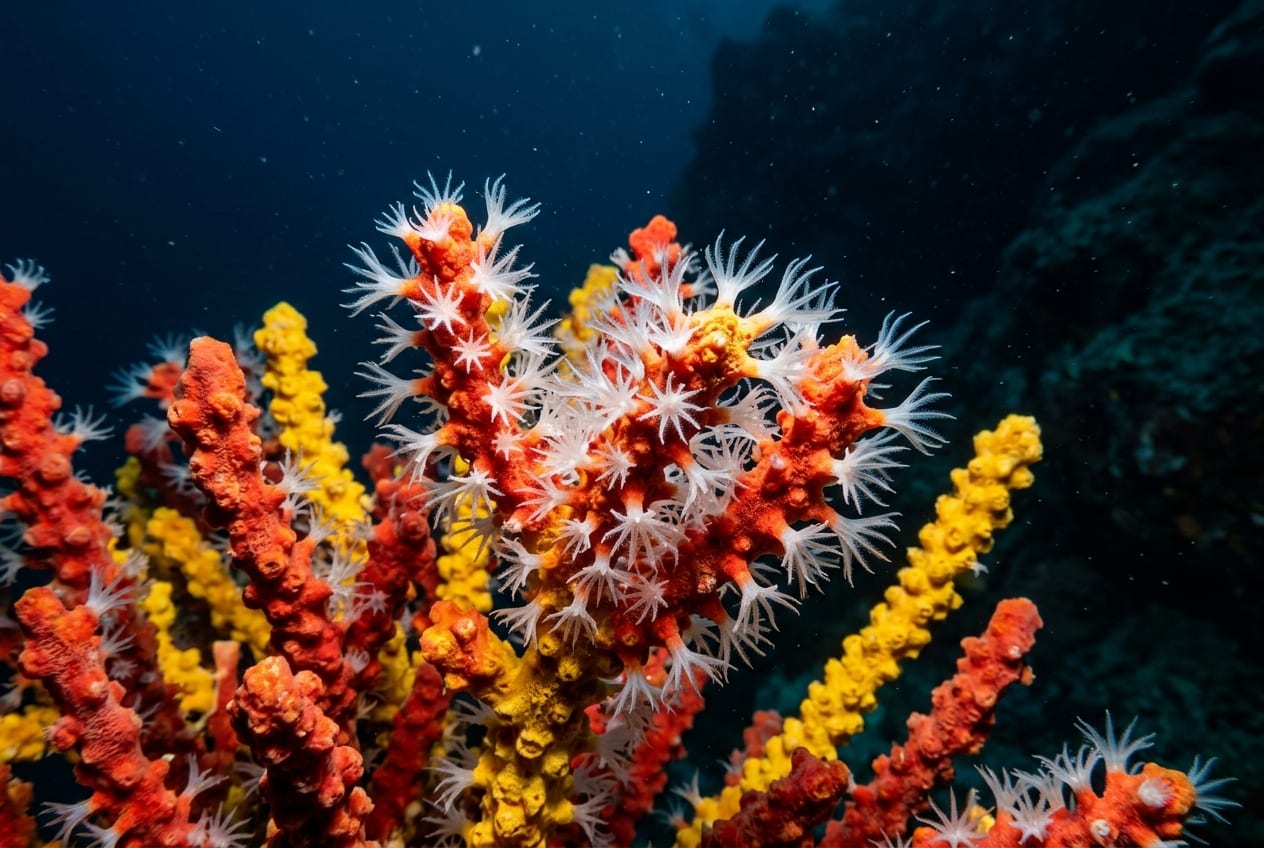
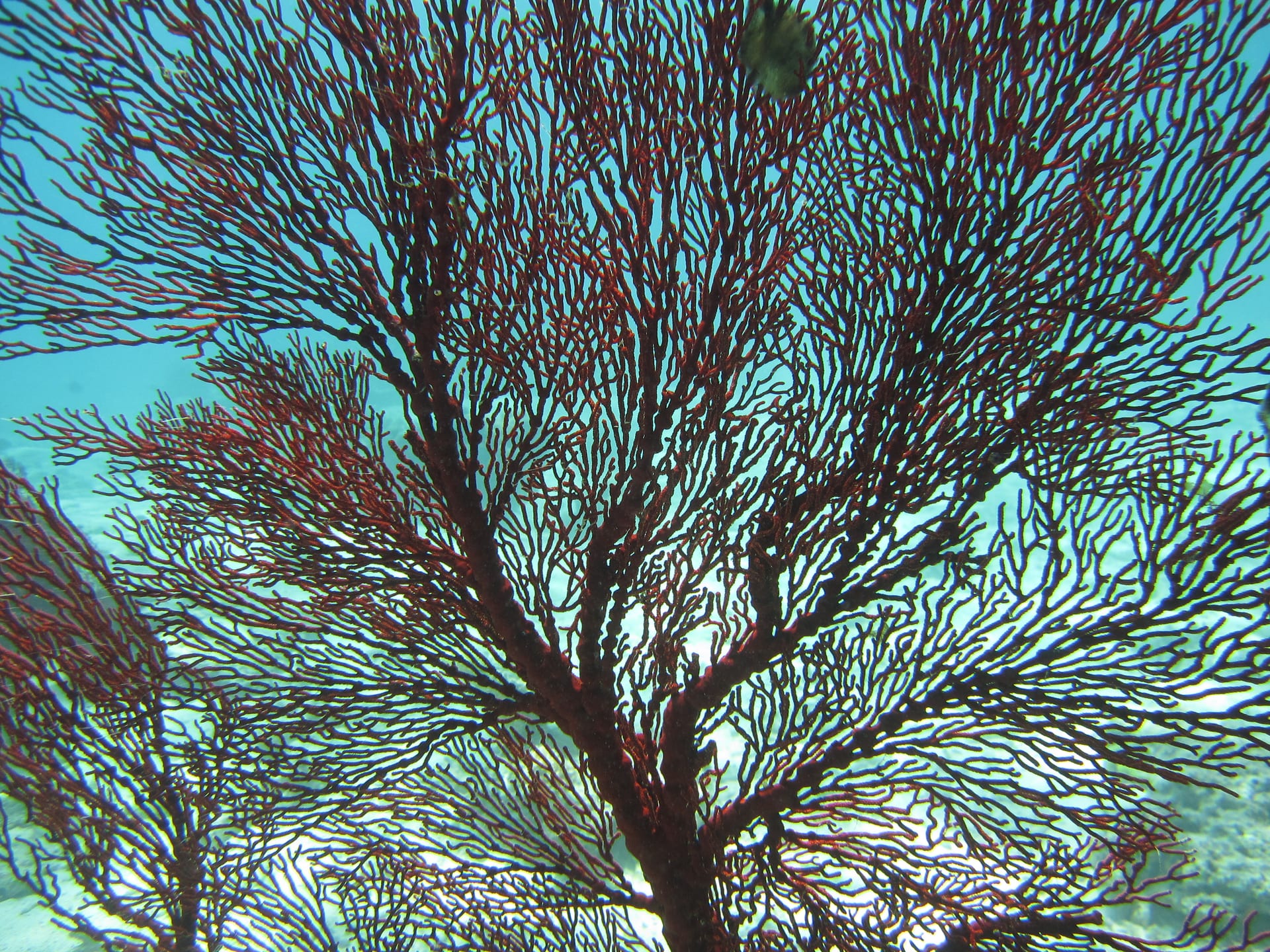
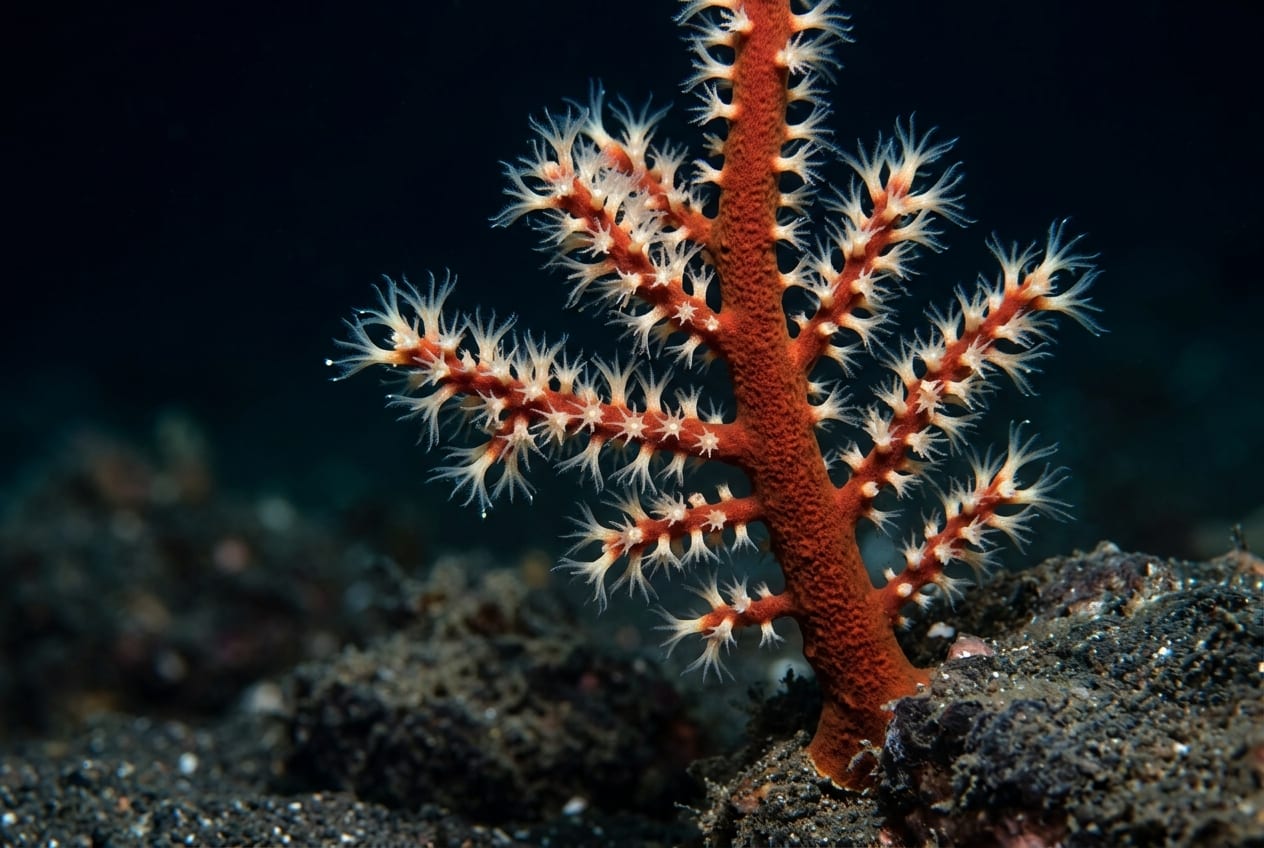
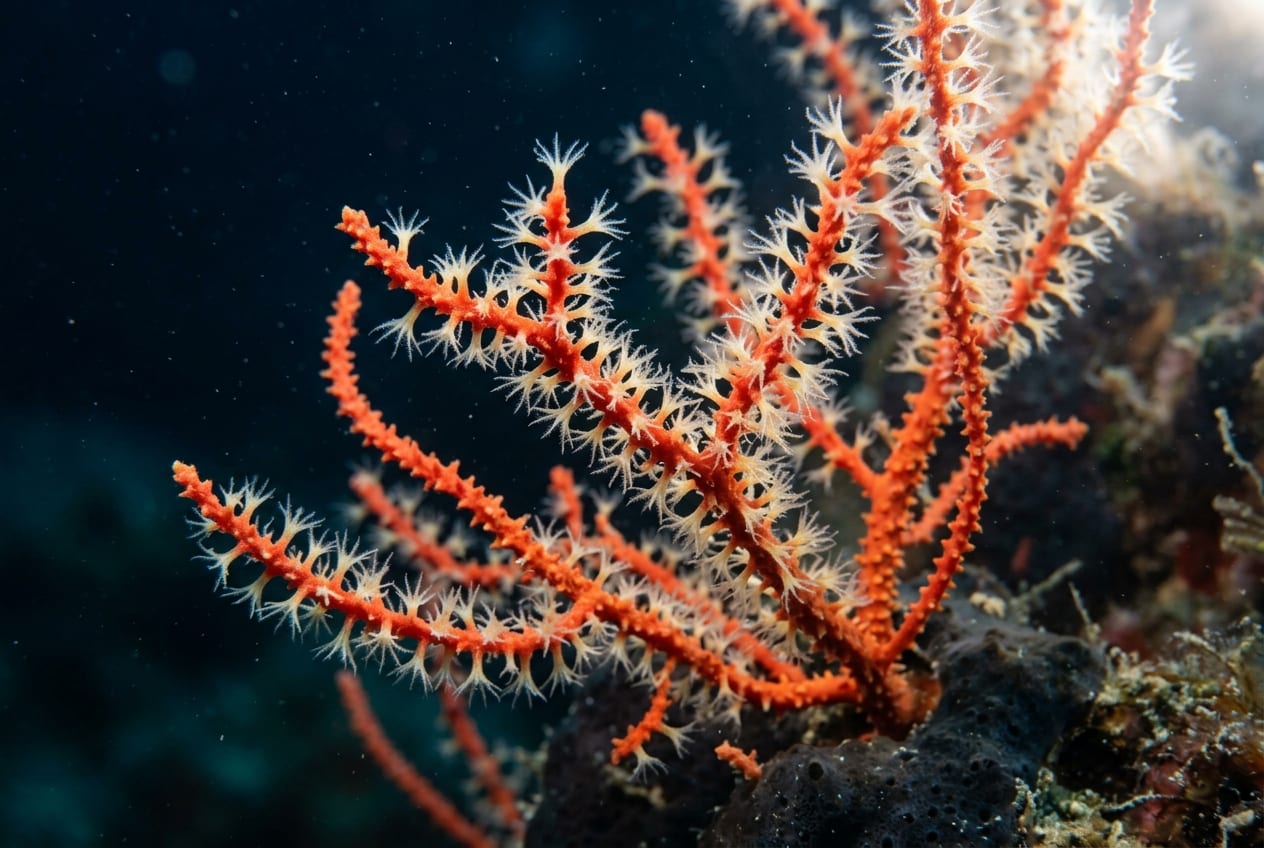
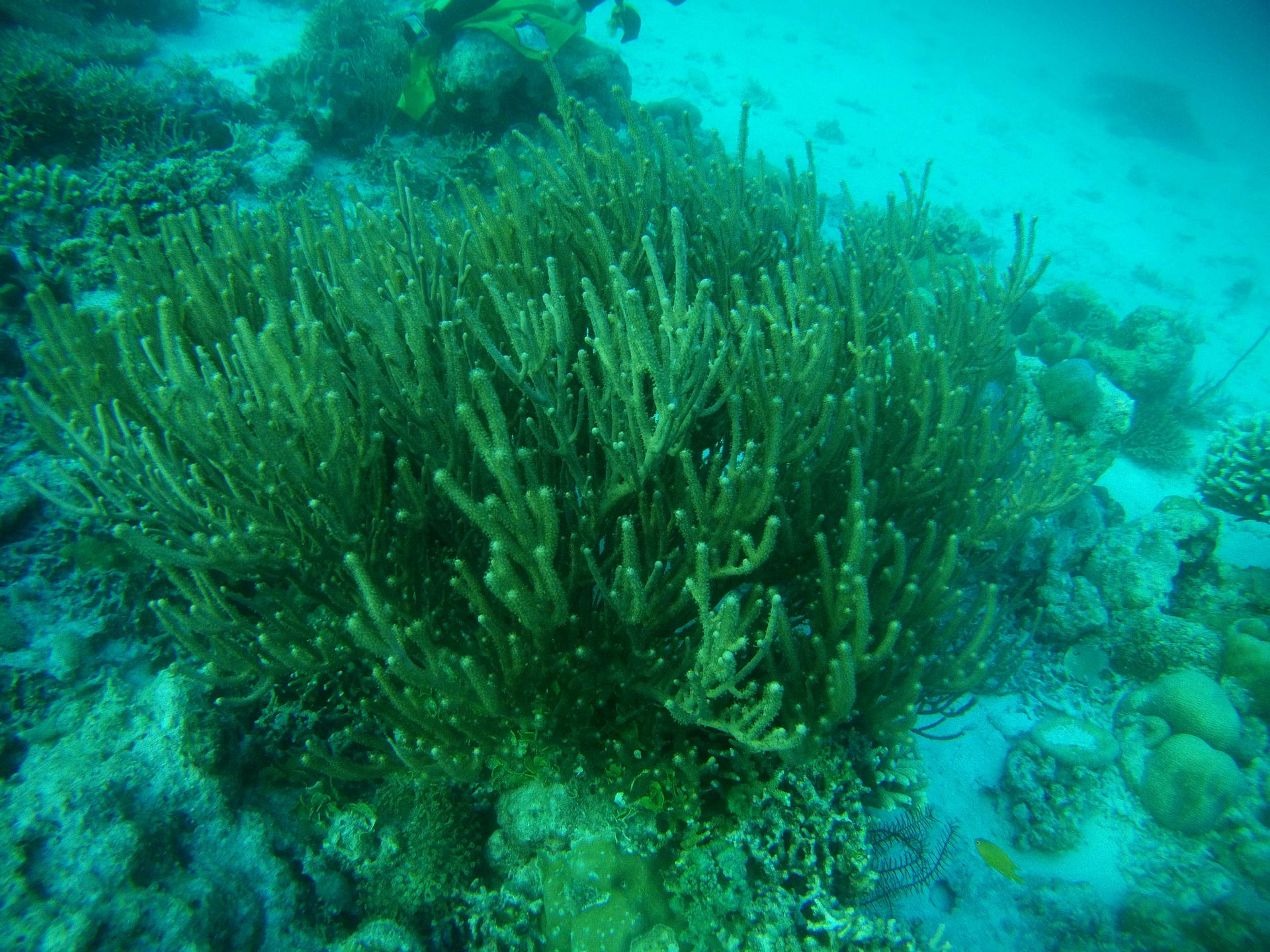
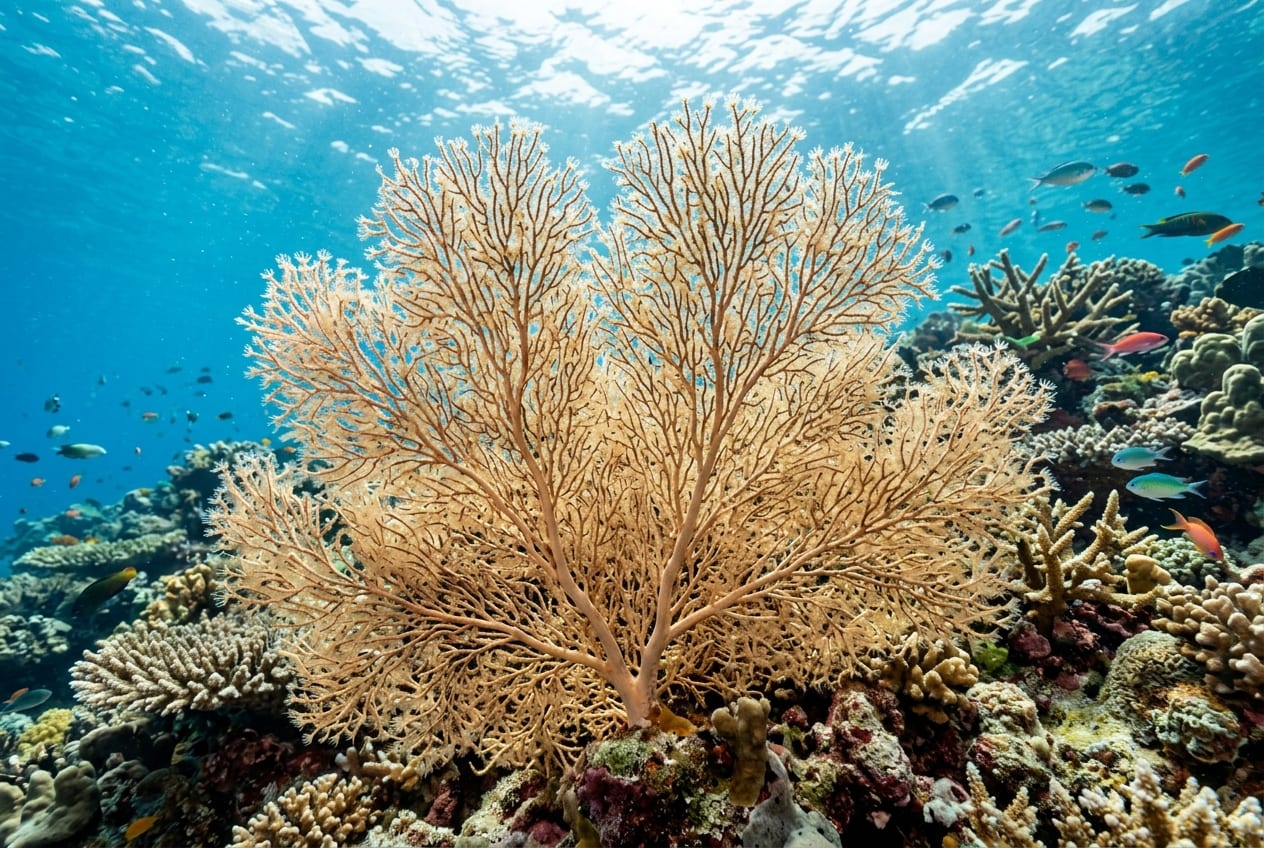
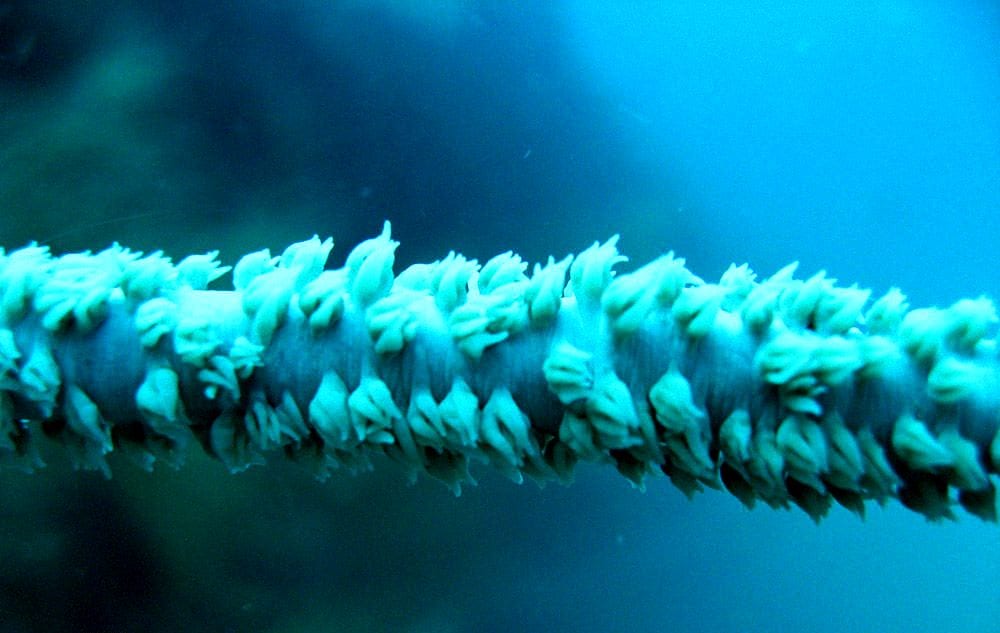
Junceella fragilis is an ellisellid octocoral of the western Pacific, described by Ridley in 1884. Where most gorgonians branch, this species does not, growing instead as a single slender, upright whip, which is its defining feature. Small polyps line the colony surface and the ground colour is white to pale yellowish brown. On well-flushed slopes many colonies stand together to form a distinctive scene. It is non-photosynthetic and holds no zooxanthellae, so lighting provides no energy. Phytoplankton and fine zooplankton must be offered several times a day, and the resulting water quality cost has to be managed with skimming and water changes. Anchor the base firmly so the slender colony does not topple, and give strong random flow.
Temperature & humidity for the Junceella (Sea Whip)
The ideal temperature for the Junceella (Sea Whip) is 24〜27℃.
Basic Info
Origin
Coral reefs of the western Pacific
Temperature
24〜27℃
Diet
Zooplankton and phytoplankton (feeding is mandatory; it does not photosynthesise)
Care Guide
Lighting
No zooxanthellae, so lighting is unnecessary; a shaded position is fine.
Flow & Placement
Give strong random flow and anchor the base firmly so the slender colony does not topple.
Care Specifications
- Water Temp.
- 24–27℃
- Specific Gravity
- 1.023–1.025
- Salinity
- 33–35 ppt
Soft coralLight: Low (PAR 30-50)Flow: HighPlacement: Flexible
Sources: Wikipedia: Reef aquarium (water parameters) / AlgaeBarn: Gorgonians in the Marine Aquarium / AlgaeBarn: Feeding Your NPS Aquarium / AlgaeBarn: Natural Water Quality Management for Non-Photosynthetic Reef Aquaria
References & Sources
Edited & verified by: BreederDirect editorial team
The taxonomic, regulatory, and husbandry data on this page are compiled and verified against the authoritative primary sources below.
Taxonomy & Authority
Accepted name: Junceella fragilis Ridley, 1884
Synonyms: Junceella squamata
Authority databases: WoRMS
Nomenclature follows global taxonomic authority databases.
Regulations & Conservation Status
Not CITES-listed
Octocoral, order Scleralcyonacea (Junceella fragilis, Ellisellidae). Not listed by CITES: it belongs to none of Scleractinia, Antipatharia, Helioporidae, Tubiporidae, Milleporidae or Stylasteridae.
Sources: DOC NZ / CITES-listed corals (taxon not listed) / CITES Appendices
Regulations may change. Always verify the latest information with the relevant authorities.
Junceella (Sea Whip) Listings
Loading latest listingsFind listings for this species