AI-generated image
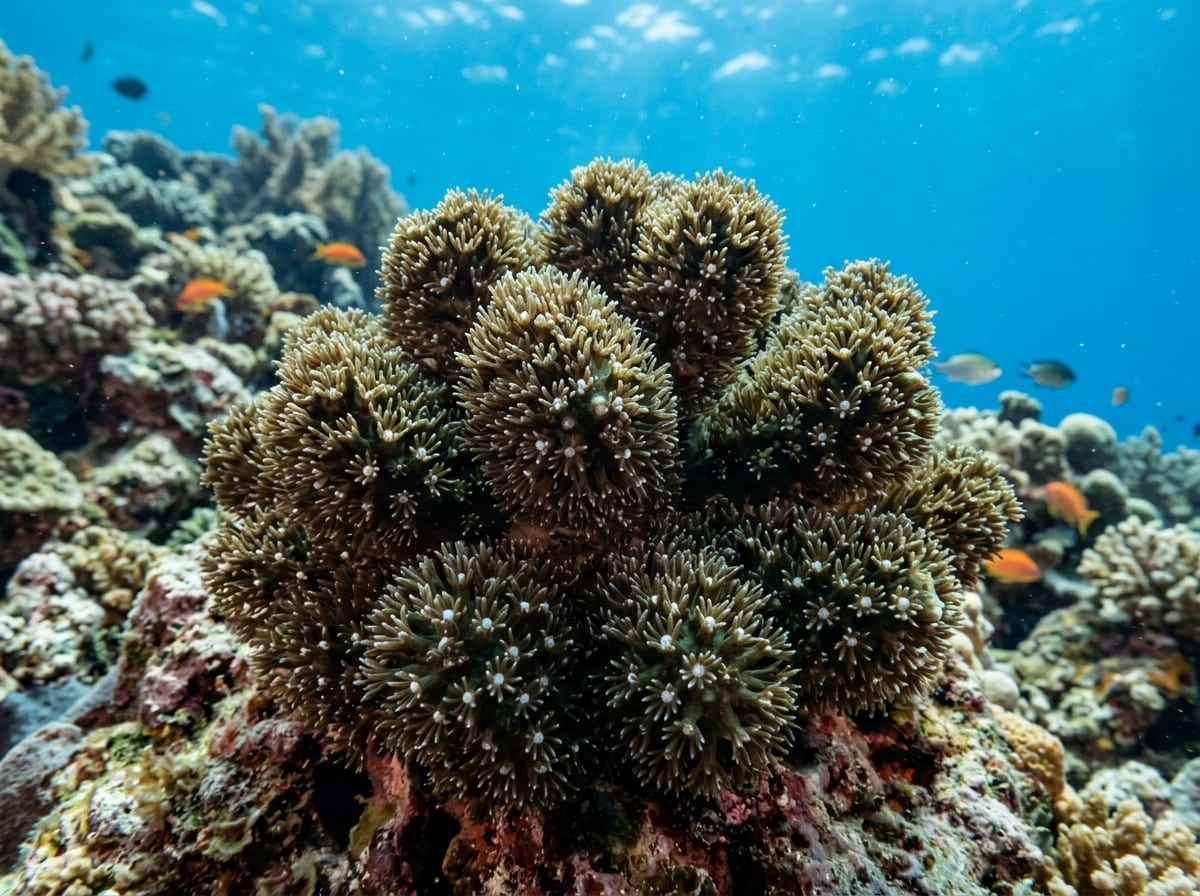
Verrill's Alveopora
AdvancedAlveopora verrilliana
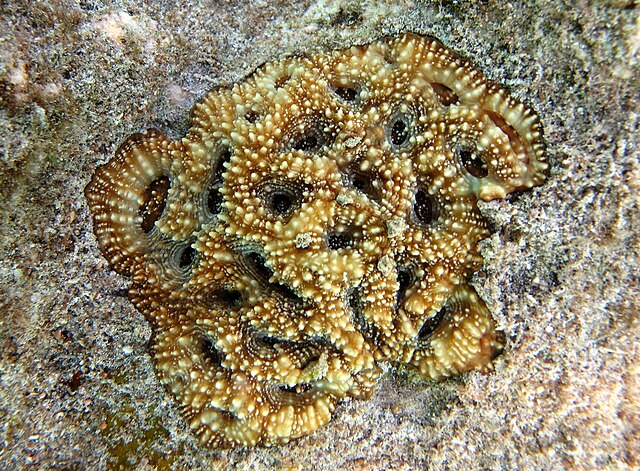
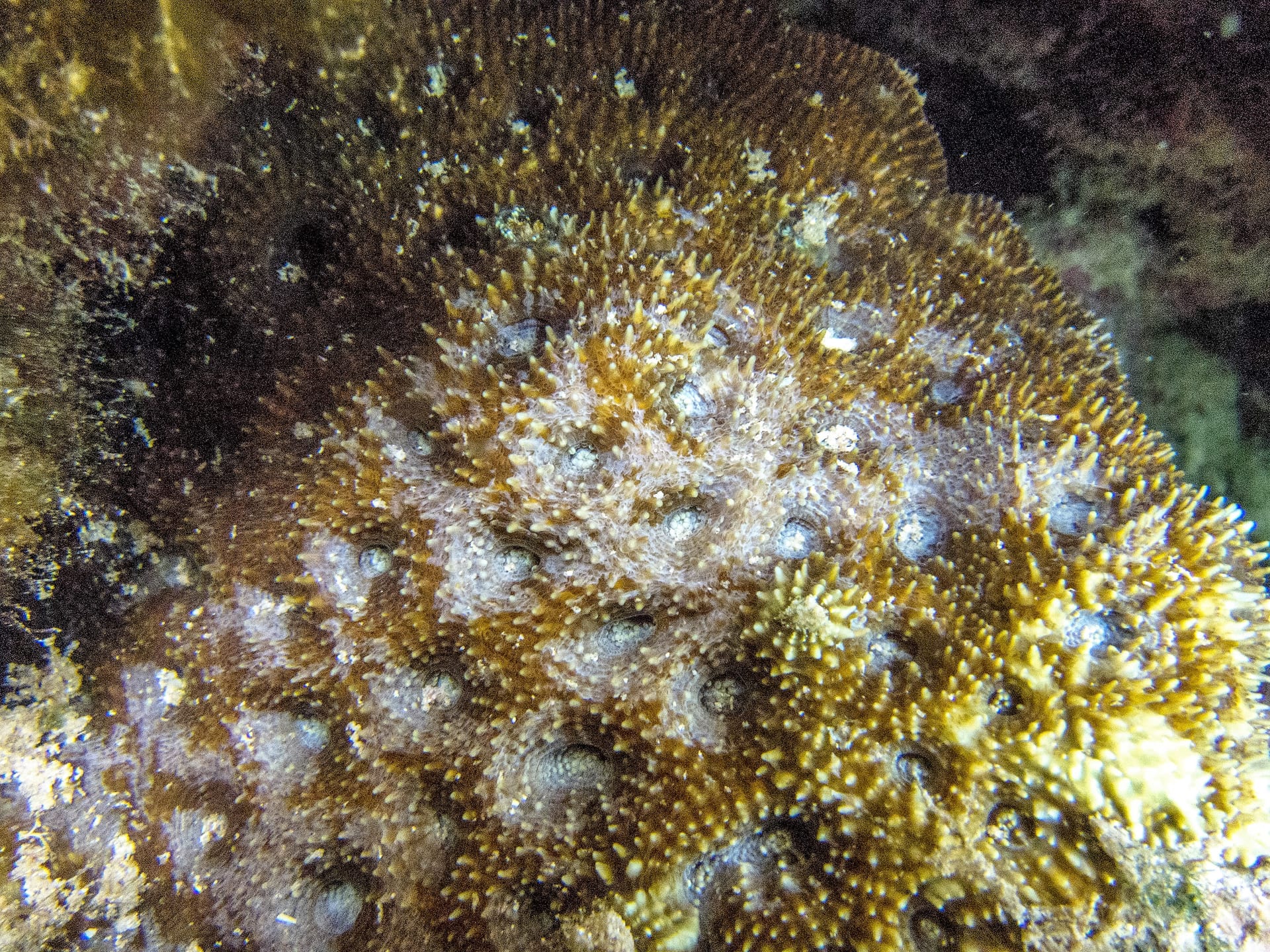
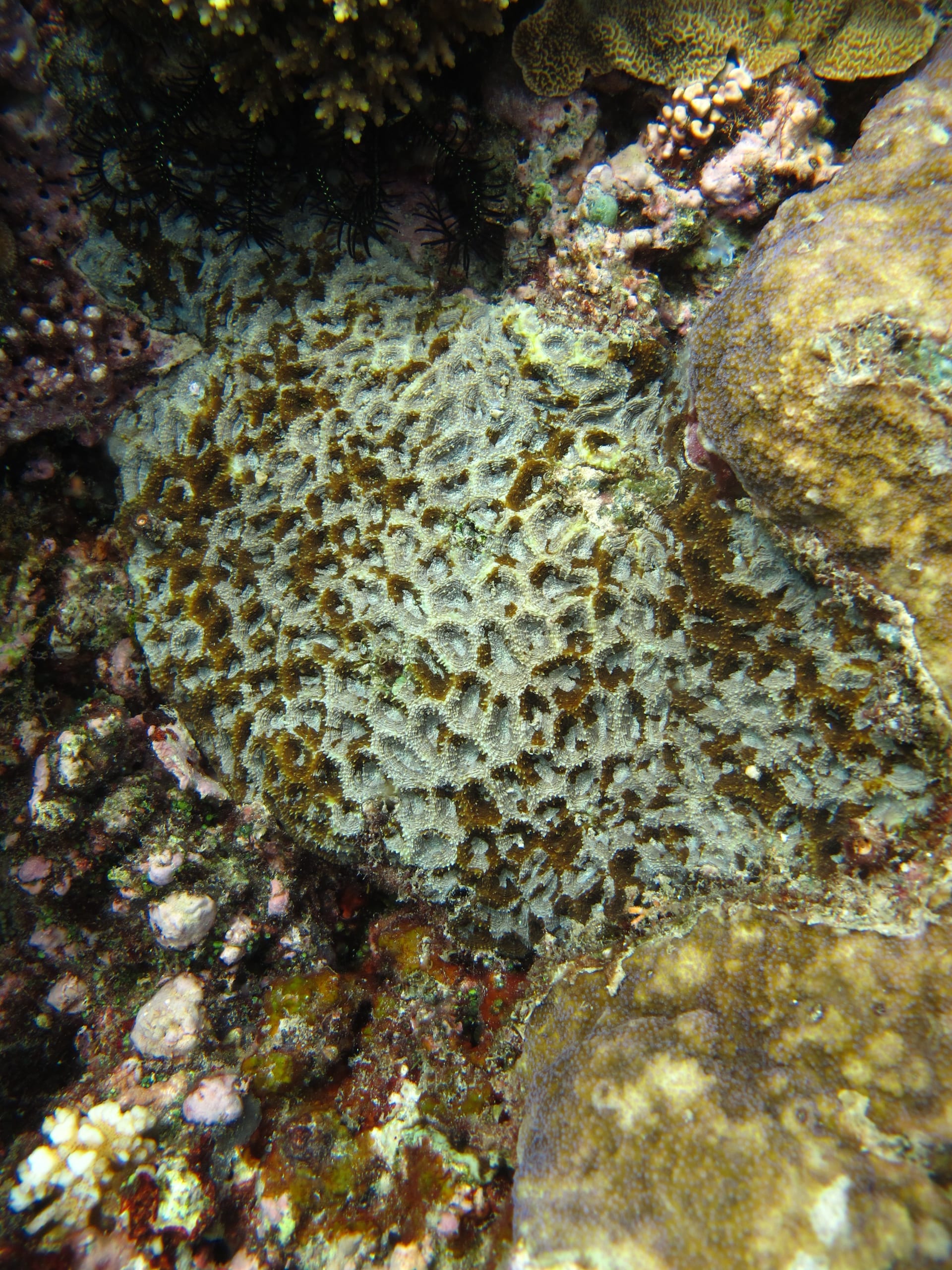
The species that bears the standard Japanese name 'Awasango': knob-like branches that divide irregularly and extend long polyps. Dark greenish-brown, grey or chocolate, sometimes with white oral cones or tentacle tips.
Difficulty
Advanced
Temperature
24〜27℃
Size
About 10-20 cm
Diet
Photosynthesis (zooxanthellae) plus plankton
About
Alveopora verrilliana is a stony coral of the family Acroporidae and the species that carries the standard Japanese name 'Awasango' on WoRMS. It ranges from the Red Sea and Gulf of Aden through the northern Indian Ocean, Southeast Asia, Japan and the East China Sea to the western and central Pacific, on shallow reefs down to 30 m. Colonies consist of short, irregularly dividing, knob-like branches; the corallites have short blunt septal spines and a palisade of vertical spines above the wall. Polyps are long when extended, dark greenish-brown, grey or chocolate, sometimes with white oral cones or tentacle tips. Alveopora skeletons are light and porous, and the 12 knob-tipped tentacles are usually extended day and night. The Japanese species A. japonica, also on this site, forms tiny colonies under 4 cm with dark green polyps and white-striped tentacle tips, so size and growth form separate them. It is particularly susceptible to bleaching and is listed as Endangered by the IUCN. In Japan large online retailers offer it by name.
Source: Wikipedia (CC BY-SA 4.0)
Size of the Verrill's Alveopora
The Verrill's Alveopora grows to About 10-20 cm.
Temperature & humidity for the Verrill's Alveopora
The ideal temperature for the Verrill's Alveopora is 24〜27℃.
Basic Info
Origin
Shallow reefs to 30 m from the Red Sea through the Indian Ocean, Southeast Asia and Japan to the western and central Pacific
Size
About 10-20 cm
Temperature
24〜27℃
Diet
Photosynthesis (zooxanthellae) plus plankton
Care Guide
Lighting
It gets most of its nutrition from zooxanthellae. Alveopora are common on turbid reef slopes, so avoid very intense light and acclimate it at moderate levels.
Flow & Placement
Its polyps extend long, so give gentle, swaying flow that does not keep them blown back and retracted.
Water Temperature & Quality
24-27°C, salinity 33-35 ppt (SG 1.023-1.025). It bleaches easily, so avoid high temperatures and sudden changes.
Diet & Feeding
The rest of its needs come from plankton caught by the tentacles. Offer small amounts of fine plankton-type food.
Health & Cautions
Not for beginners. Polyps that stay retracted or exposed skeleton are signs of trouble; review placement and water quality.
LPSAlveoporaLong polypsBleaching-prone
Verrill's Alveopora FAQ
QHow difficult is it to keep Verrill's Alveopora?
A
Advanced. This is an advanced-level species. It requires specialized equipment and advanced husbandry skills with precise environmental control.
QWhat is the ideal temperature for Verrill's Alveopora?
A
The ideal temperature for Verrill's Alveopora is 24〜27℃. Avoid sudden temperature changes and maintain a stable environment.
QHow large does Verrill's Alveopora get?
A
Verrill's Alveopora typically reaches About 10-20 cm as an adult. Size may vary depending on care conditions and individual genetics.
QWhat should I feed Verrill's Alveopora?
A
Verrill's Alveopora feeds on: Photosynthesis (zooxanthellae) plus plankton. Aim for a balanced diet with appropriate feeding frequency.
QWhat is the typical price for Verrill's Alveopora?
A
The price of Verrill's Alveopora varies significantly depending on variety, size, and individual quality. Check our market price page for the latest pricing information.
Last updated: September 30, 2026
Care Specifications
- Water Temp.
- 24–27℃
- Specific Gravity
- 1.023–1.025
- Salinity
- 33–35 ppt
- Min. Tank
- 500 L
LPS
Sources: Corals of the World (Alveopora verrilliana) / Reeflex (Alveopora verrilliana) / Wikipedia (Alveopora verrilliana) / AlgaeBarn: Water Parameters 101
References & Sources
Edited & verified by: BreederDirect editorial team
The taxonomic, regulatory, and husbandry data on this page are compiled and verified against the authoritative primary sources below.
Primary sources
- Wikipedia
- Species+ (CITES listing of Alveopora verrilliana)
- Okinawa Prefecture: Collection of reef-building corals is prohibited
- Tokyo Metropolitan Fisheries Adjustment Regulations (Arts. 37 and 41)
- e-Gov: Natural Parks Act (Art. 22, marine park zones)
- Corals of the World (Alveopora verrilliana)
- Reeflex (Alveopora verrilliana)
- AlgaeBarn: Water Parameters 101
- WoRMS
- GBIF
Taxonomy & Authority
Accepted name: Alveopora verrilliana Dana, 1846
Synonyms: Alveopora noamiae Nemenzo, 1979, Alveopora trihedralis Nemenzo, 1980
Authority databases: WoRMS · GBIF · GBIF · WoRMS · Corals of the World
Nomenclature follows global taxonomic authority databases.
Regulations & Conservation Status
CITES Appendix IIIUCN EN · Endangered
Domestic law: Collecting in Japanese waters is governed by each prefecture's fisheries adjustment regulations, which differ by prefecture. Okinawa bans all collection of reef-building corals, including stony corals, and also bans possessing or selling illegally collected corals (cultured corals are exempt, and the prefecture advises buyers to confirm a coral is cultured, on an artificial base or tagged). Tokyo bans collection in the waters off Ogasawara Village. In marine park zones of national and quasi-national parks, taking designated animals and plants requires a permit (Natural Parks Act, Art. 22).
All stony corals (Scleractinia) are listed in CITES Appendix II (checked on Species+). International trade requires export permits, but no registration is needed to sell or transfer specimens within Japan.
Sources: Species+ (CITES listing of Alveopora verrilliana) / Okinawa Prefecture: Collection of reef-building corals is prohibited / Tokyo Metropolitan Fisheries Adjustment Regulations (Arts. 37 and 41) / e-Gov: Natural Parks Act (Art. 22, marine park zones)
Regulations may change. Always verify the latest information with the relevant authorities.
Related Species
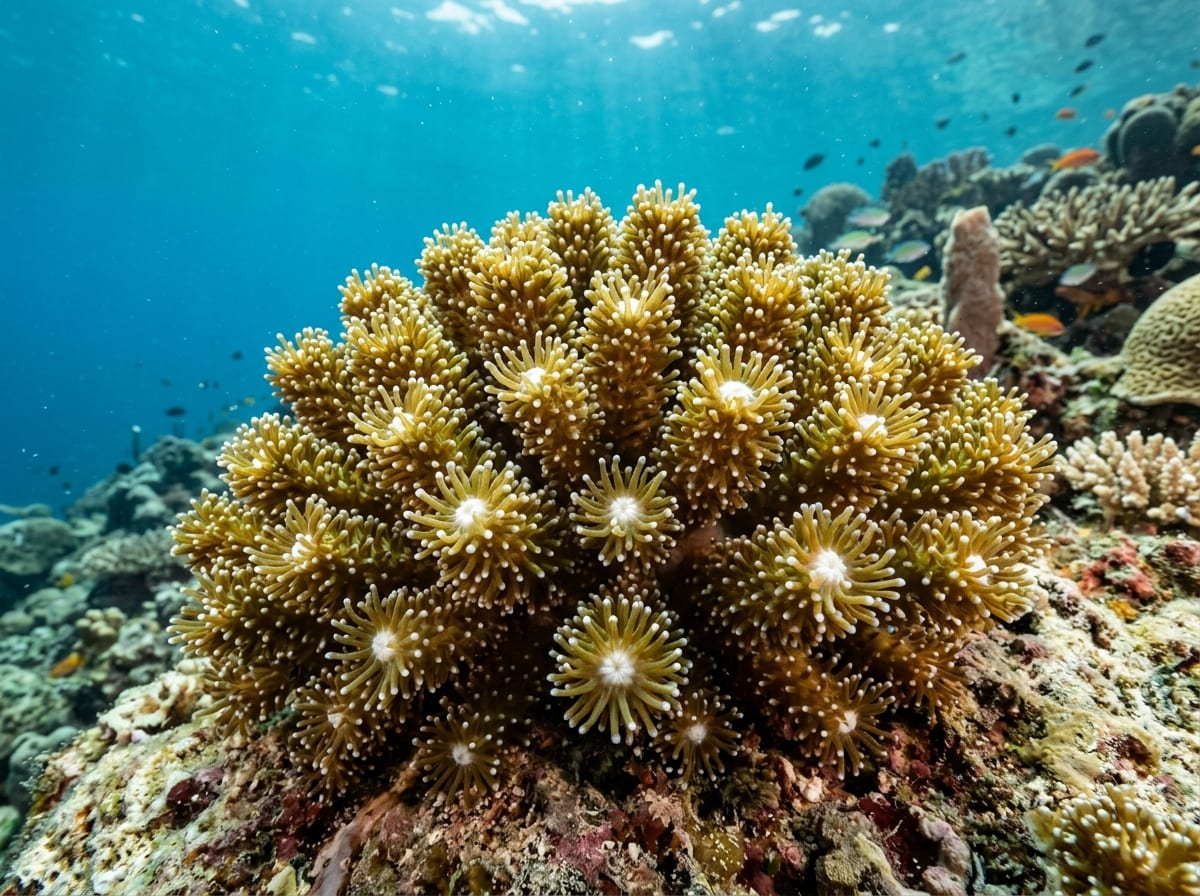
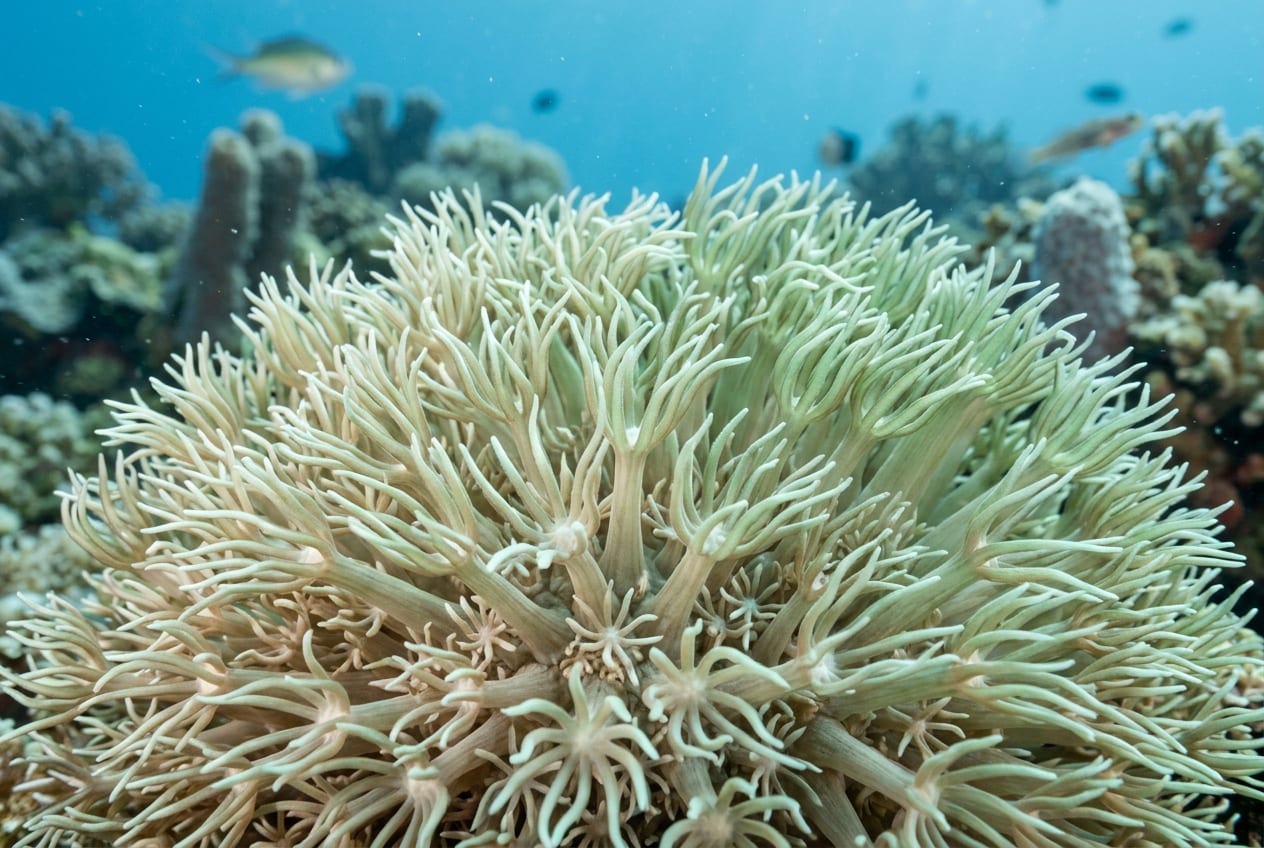
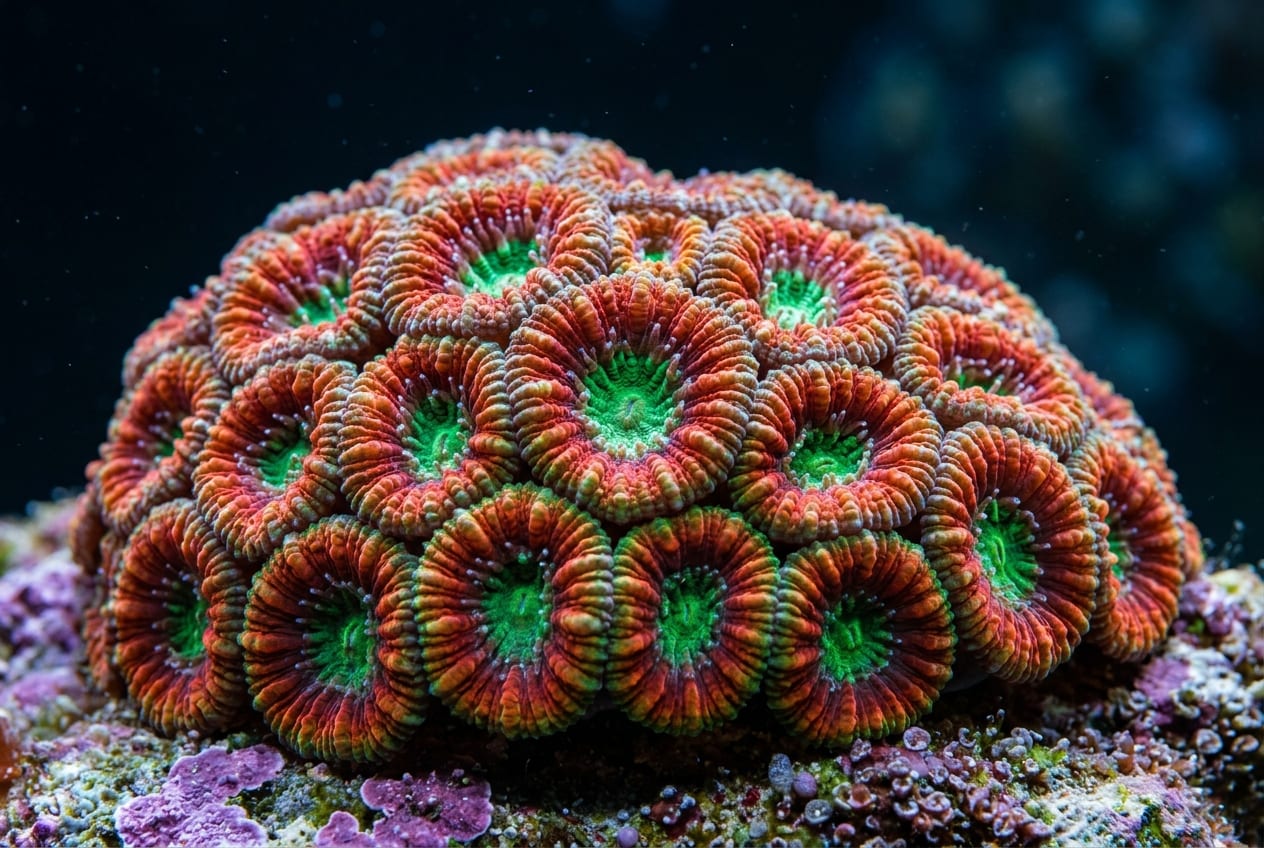
Verrill's Alveopora Listings
Loading latest listingsFind listings for this species
Related Articles
Alveopora & Goniopora (Octopus Coral) Care Guide | Challenges and Solutions for Raising Long-Tentacled Corals
Explains the differences between Alveopora and Goniopora (Octopus Corals), care difficulty, water flow, lighting, feeding, and secrets to long-term maintenance. A complete care guide for intermediate to advanced LPS corals.
Coral Sweeper Tentacles and Aggression Guide | Placement Strategies to Prevent LPS and Soft Coral Territorial Wars
An explanation of physical territorial attacks by coral sweeper tentacles. Includes practical guidance on aggression rankings for LPS, Zoanthids, and soft corals, safe separation distance guidelines, layout design to prevent sweeper tentacle wars, and emergency treatment measures.
Coral Aging Colony Management Guide | Signs of Mature Colonies, Fragging Timing, and Maintenance Methods
Explaining signs of aging in coral colonies. This guide covers how to identify aging through growth stagnation, color fading, and base bleaching, the timing for fragging to promote rejuvenation, and practical strategies for managing the balance between colony size and tank space.
Complete Guide to pH and Carbonic Gas Management in Coral Aquariums | Causes of Daily Fluctuation and Practical Stabilization Methods
Comprehensive explanation of pH management in coral aquariums. Covers the mechanism of natural daily fluctuation, the impact of CO2 concentration on pH, practical methods for stabilizing pH through lighting, ventilation, and lime water addition, and detailed guidance on utilizing digital monitoring tools.