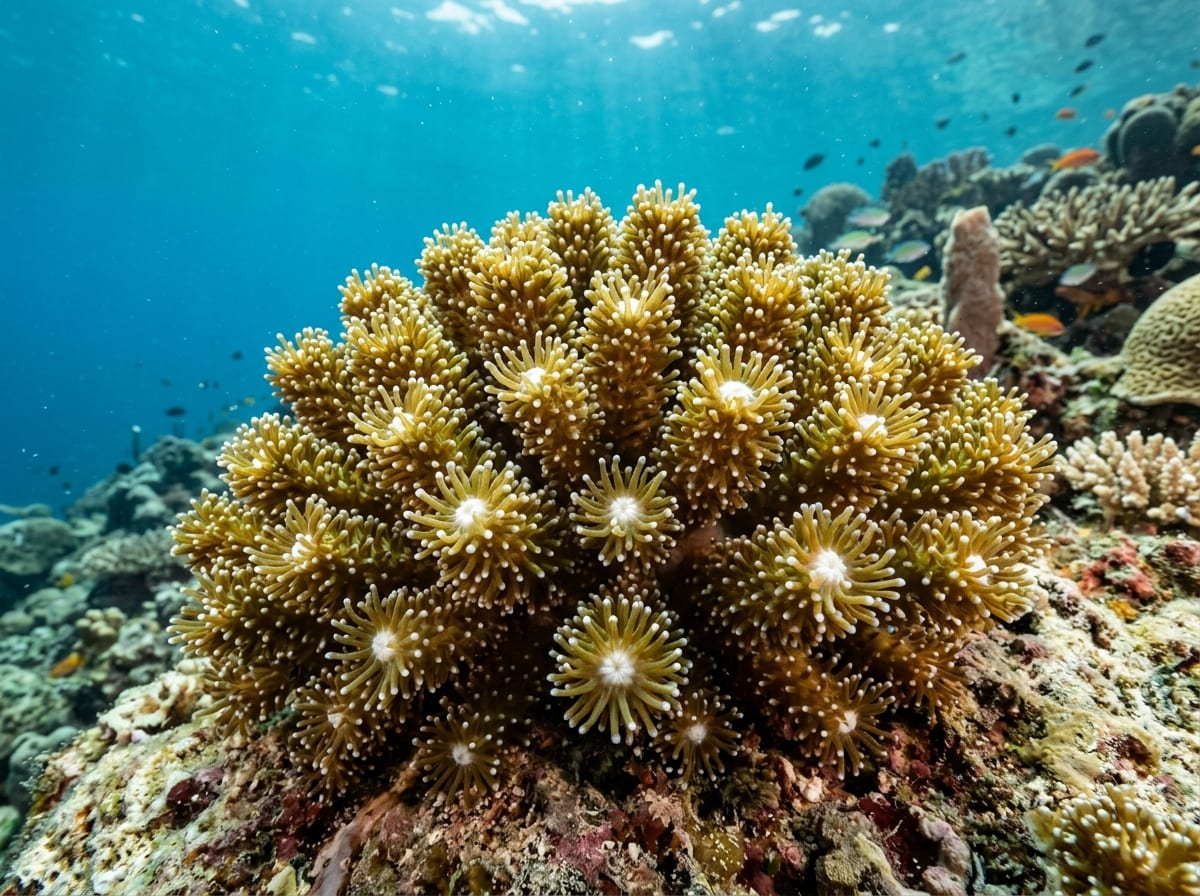
AI-generated image
Branching Alveopora
AdvancedAlveopora allingi
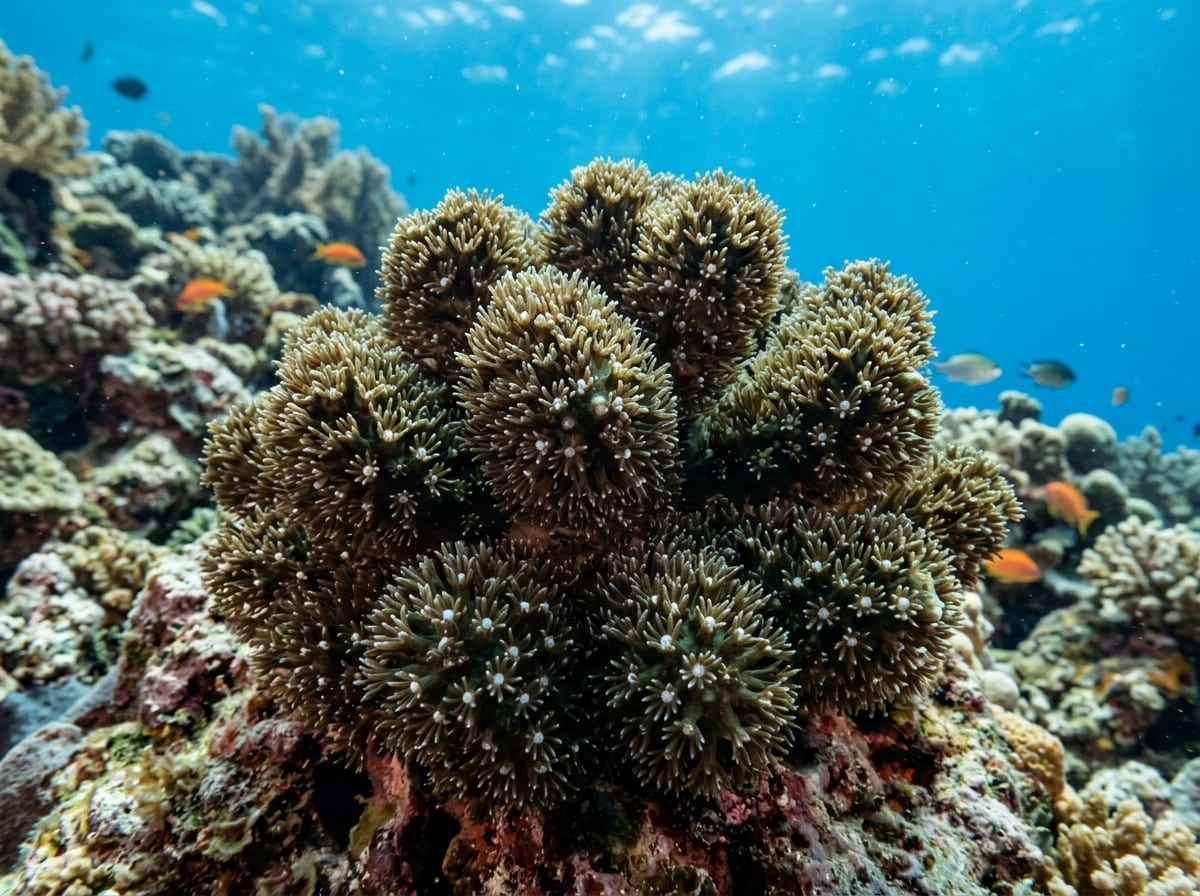
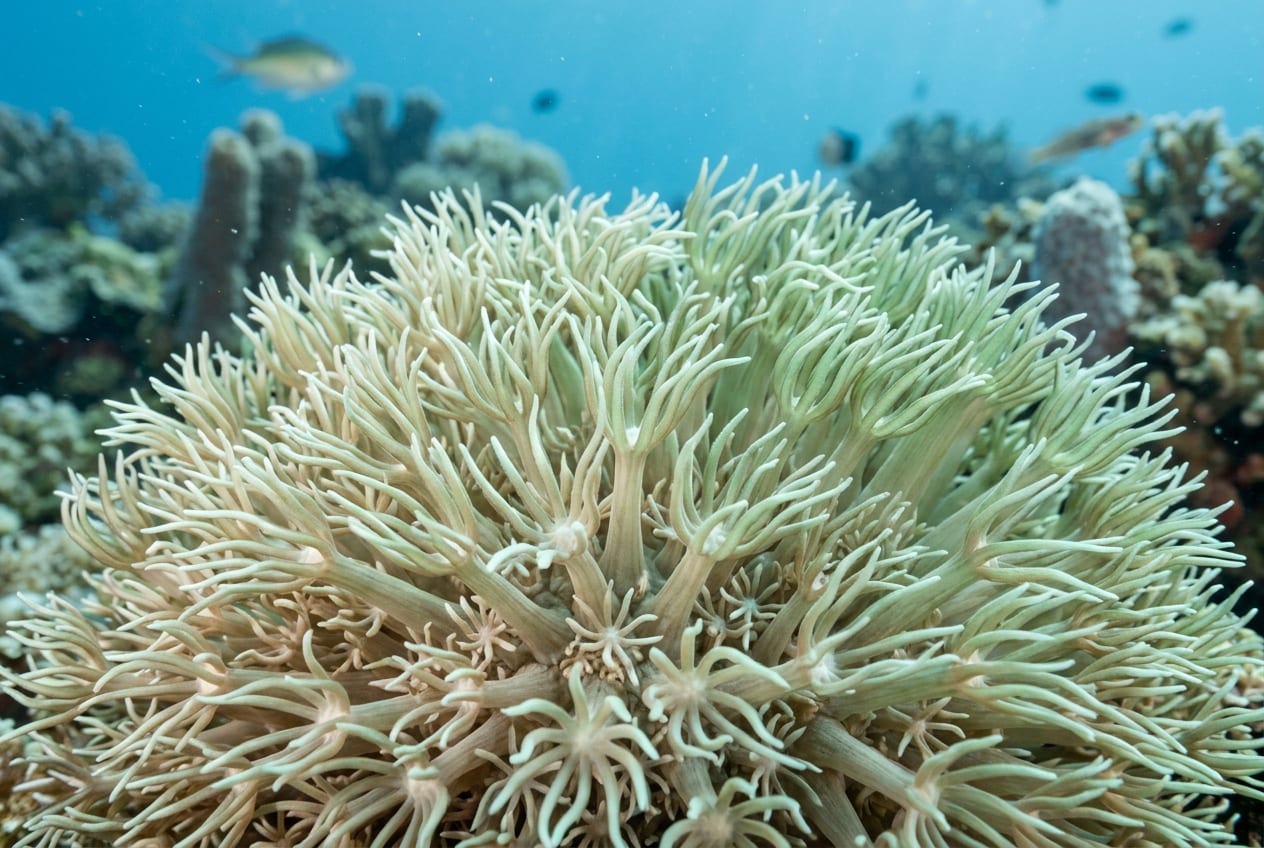
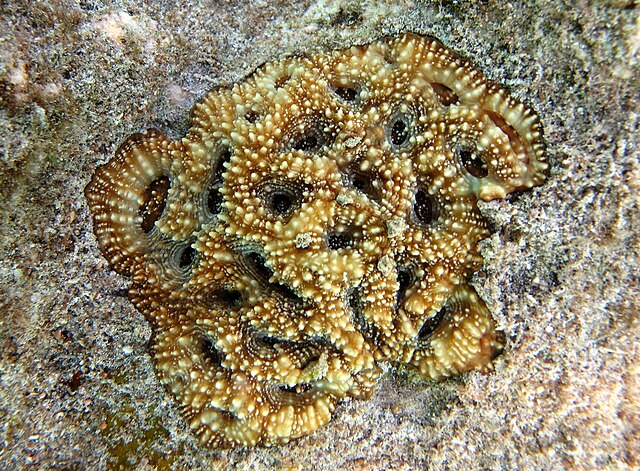
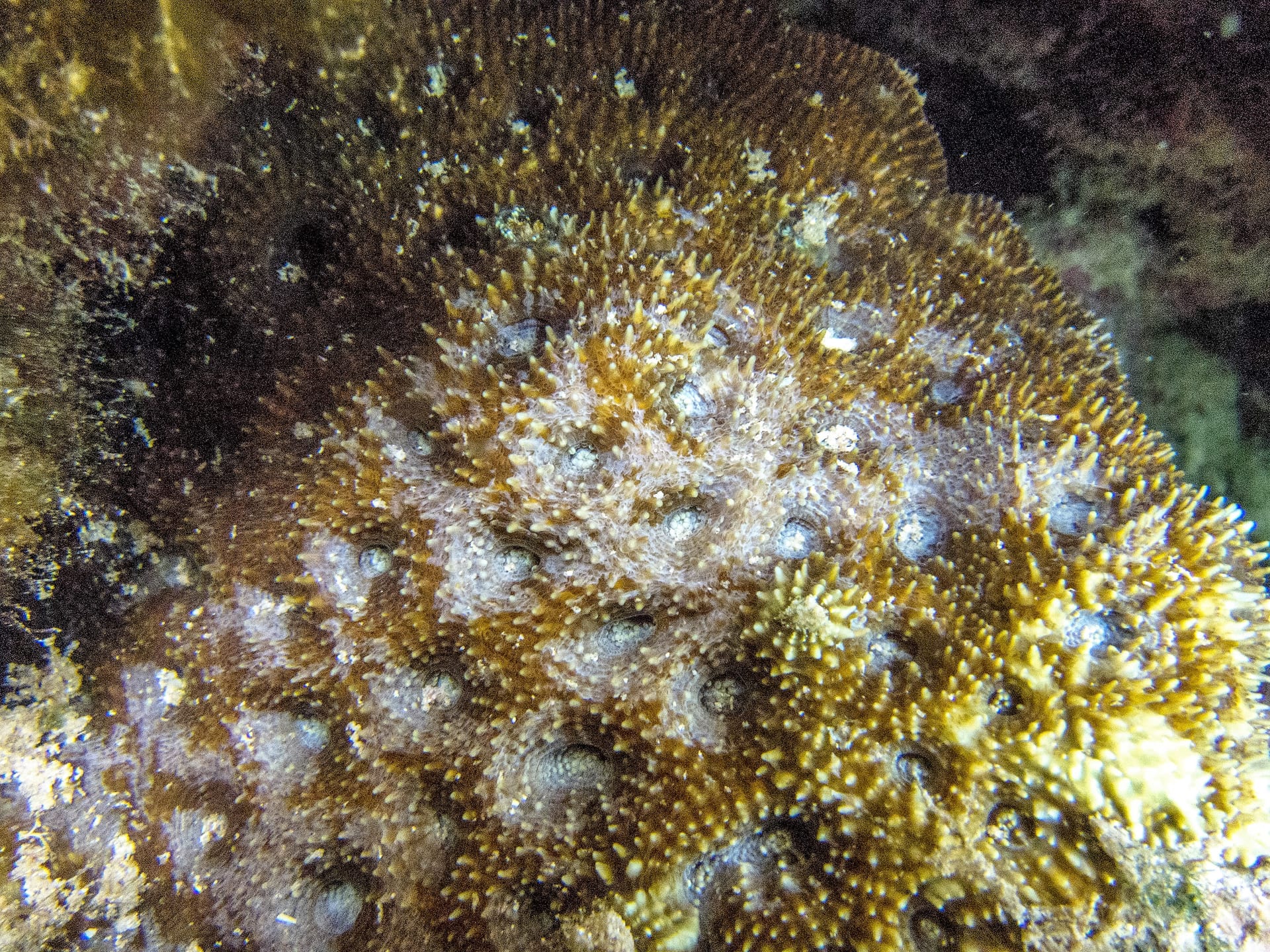
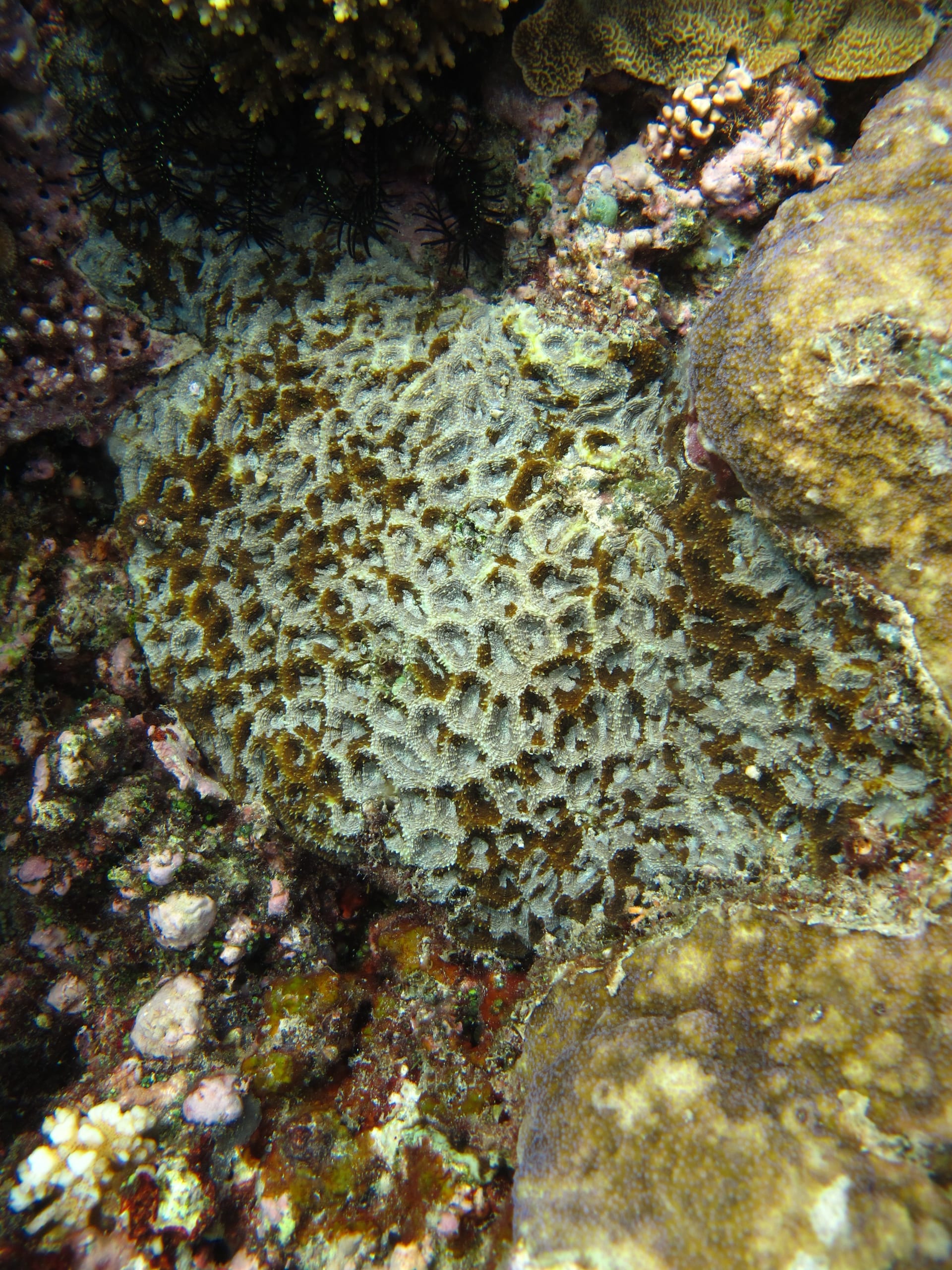
An Alveopora that is encrusting or forms short rounded lobes and columns, covered in tightly packed long polyps with slightly swollen tentacle tips. Yellow, green or brown with white oral cones.
Difficulty
Advanced
Temperature
24〜27℃
Lifespan
Little data available
Size
Up to about 25 cm (Reeflex)
Diet
Photosynthesis (zooxanthellae) plus plankton
About
Alveopora allingi is a stony coral of the family Acroporidae found from the Red Sea and Gulf of Aden through the southwestern and northern Indian Ocean, Southeast Asia, Japan and the East China Sea to the western and central Pacific. Colonies range from encrusting to forms with short, irregular, rounded lobes or columns. Corallite walls are a lattice of interconnected rods and spines with long spine-like septa. Polyps are tightly packed and long, with slightly swollen tentacle tips, usually yellow, green or brown with white oral cones (Corals of the World). It lives in protected reef environments. A. catalai differs in its larger corallites and branching form. On this site, A. verrilliana has irregular knob-like branches and darker colours, and A. japonica forms tiny colonies under 4 cm. It is susceptible to bleaching and listed as Endangered by the IUCN. In Japan it appears only occasionally in specialist shops under its species name.
Source: Wikipedia (CC BY-SA 4.0)
Size of the Branching Alveopora
The Branching Alveopora grows to Up to about 25 cm (Reeflex).
Temperature & humidity for the Branching Alveopora
The ideal temperature for the Branching Alveopora is 24〜27℃.
Basic Info
Origin
Sheltered reefs from the Red Sea through the Indian Ocean, Southeast Asia and Japan to the western and central Pacific
Lifespan
Little data available
Size
Up to about 25 cm (Reeflex)
Care Specifications
- Water Temp.
- 24–27℃
- Specific Gravity
- 1.023–1.025
- Salinity
- 33–35 ppt
- Min. Tank
- 200 L
LPSFlow: Low
Sources: Corals of the World (Alveopora allingi) / Reeflex (Alveopora allingi) / Wikipedia (Alveopora allingi) / AlgaeBarn: Water Parameters 101
References & Sources
Edited & verified by: BreederDirect editorial team
The taxonomic, regulatory, and husbandry data on this page are compiled and verified against the authoritative primary sources below.
Primary sources
- Wikipedia
- Species+ (CITES listing of Alveopora allingi)
- Okinawa Prefecture: Collection of reef-building corals is prohibited
- Tokyo Metropolitan Fisheries Adjustment Regulations (Arts. 37 and 41)
- e-Gov: Natural Parks Act (Art. 22, marine park zones)
- Corals of the World (Alveopora allingi)
- Reeflex (Alveopora allingi)
- AlgaeBarn: Water Parameters 101
Taxonomy & Authority
Accepted name: Alveopora allingi Hoffmeister, 1925
Synonyms: Alveopora mortenseni Crossland, 1952
Authority databases: WoRMS · GBIF · GBIF · WoRMS · Corals of the World
Nomenclature follows global taxonomic authority databases.
Regulations & Conservation Status
CITES Appendix IIIUCN EN · Endangered
Domestic law: Collecting in Japanese waters is governed by each prefecture's fisheries adjustment regulations, which differ by prefecture. Okinawa bans all collection of reef-building corals, including stony corals, and also bans possessing or selling illegally collected corals (cultured corals are exempt, and the prefecture advises buyers to confirm a coral is cultured, on an artificial base or tagged). Tokyo bans collection in the waters off Ogasawara Village. In marine park zones of national and quasi-national parks, taking designated animals and plants requires a permit (Natural Parks Act, Art. 22).
All stony corals (Scleractinia) are listed in CITES Appendix II (checked on Species+). International trade requires export permits, but no registration is needed to sell or transfer specimens within Japan.
Sources: Species+ (CITES listing of Alveopora allingi) / Okinawa Prefecture: Collection of reef-building corals is prohibited / Tokyo Metropolitan Fisheries Adjustment Regulations (Arts. 37 and 41) / e-Gov: Natural Parks Act (Art. 22, marine park zones)
Regulations may change. Always verify the latest information with the relevant authorities.
Branching Alveopora Listings
Loading latest listingsFind listings for this species