Source: Wikimedia Commons
Spotted Eagle-Owl
AdvancedBubo africanus
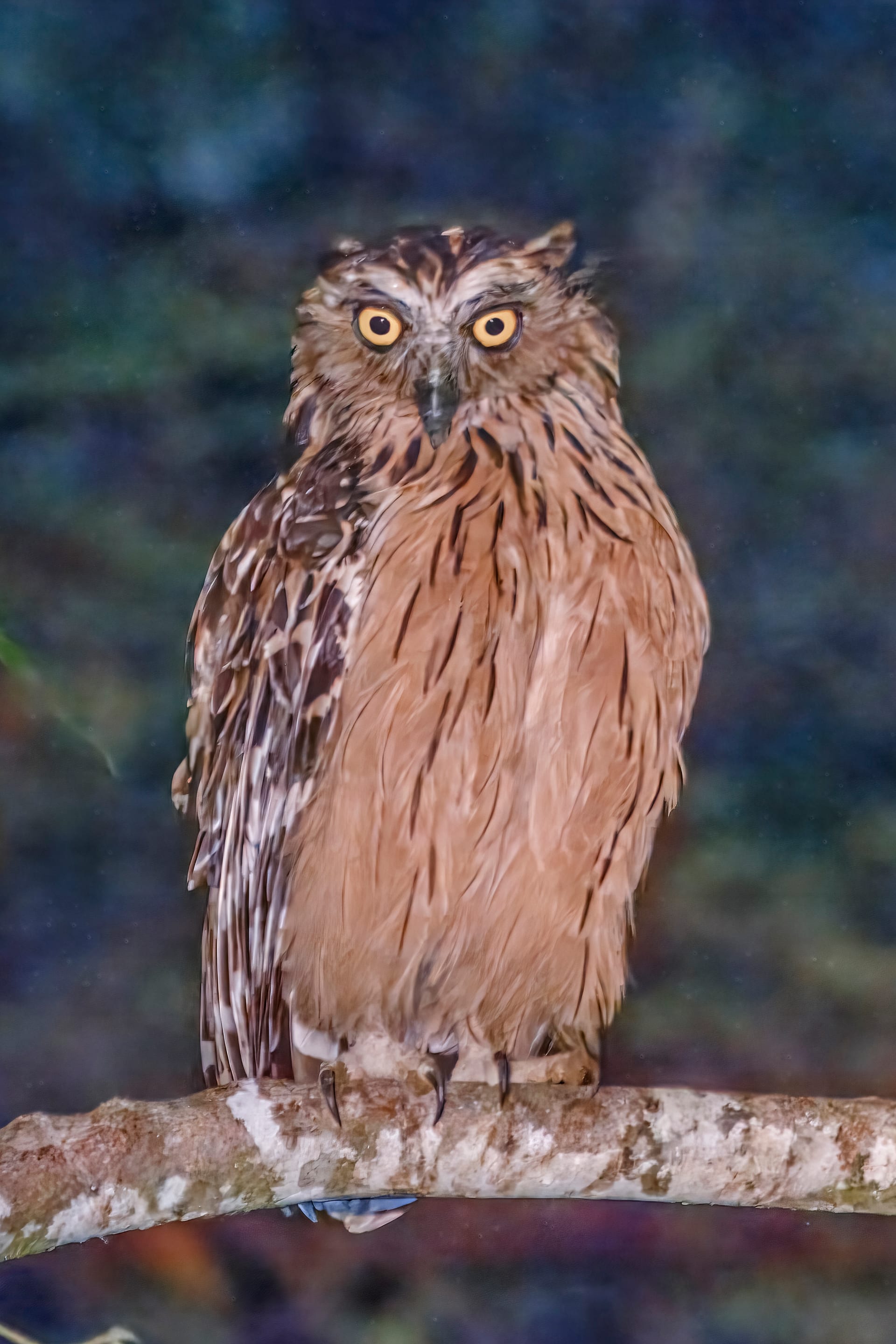
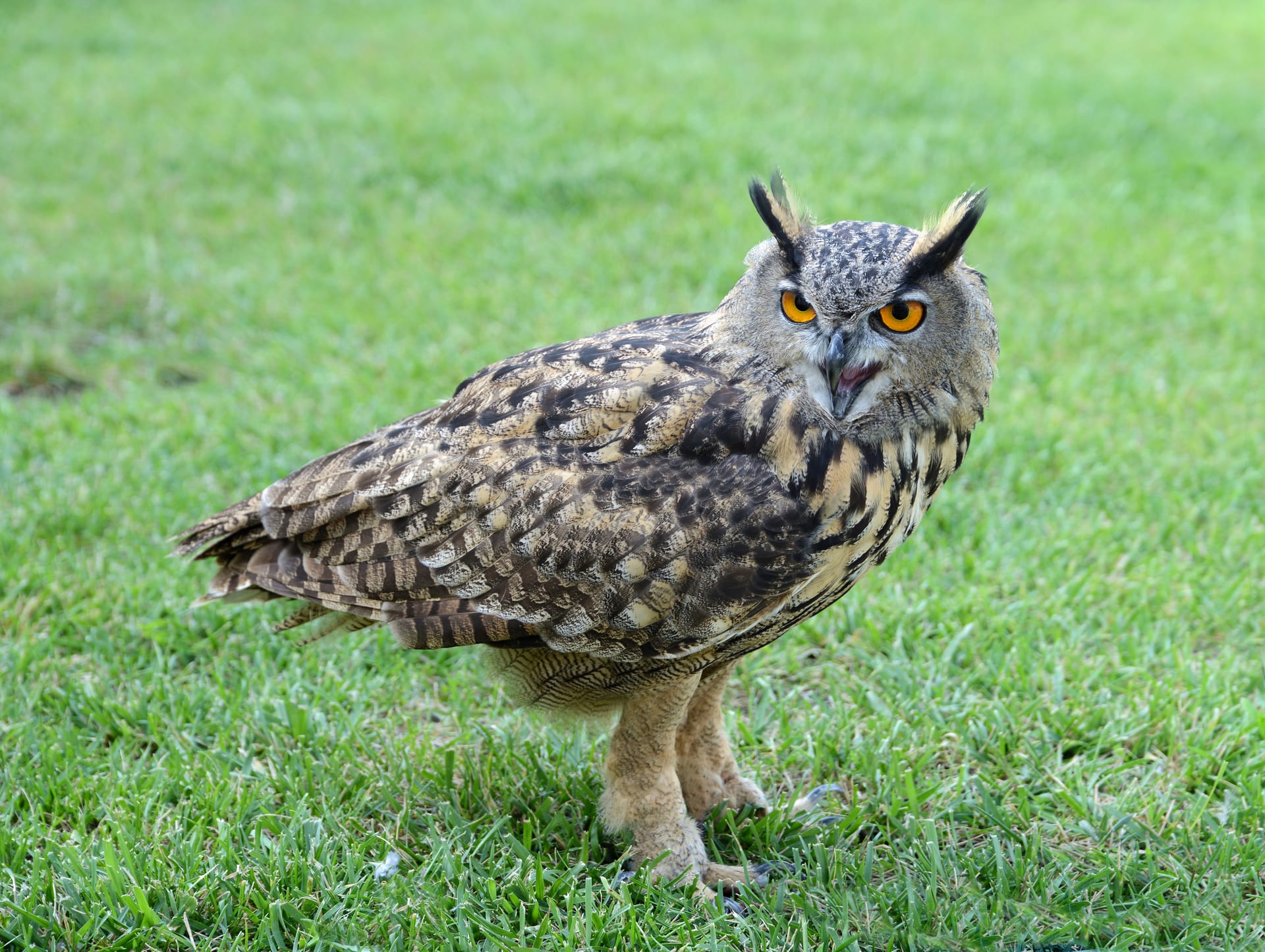
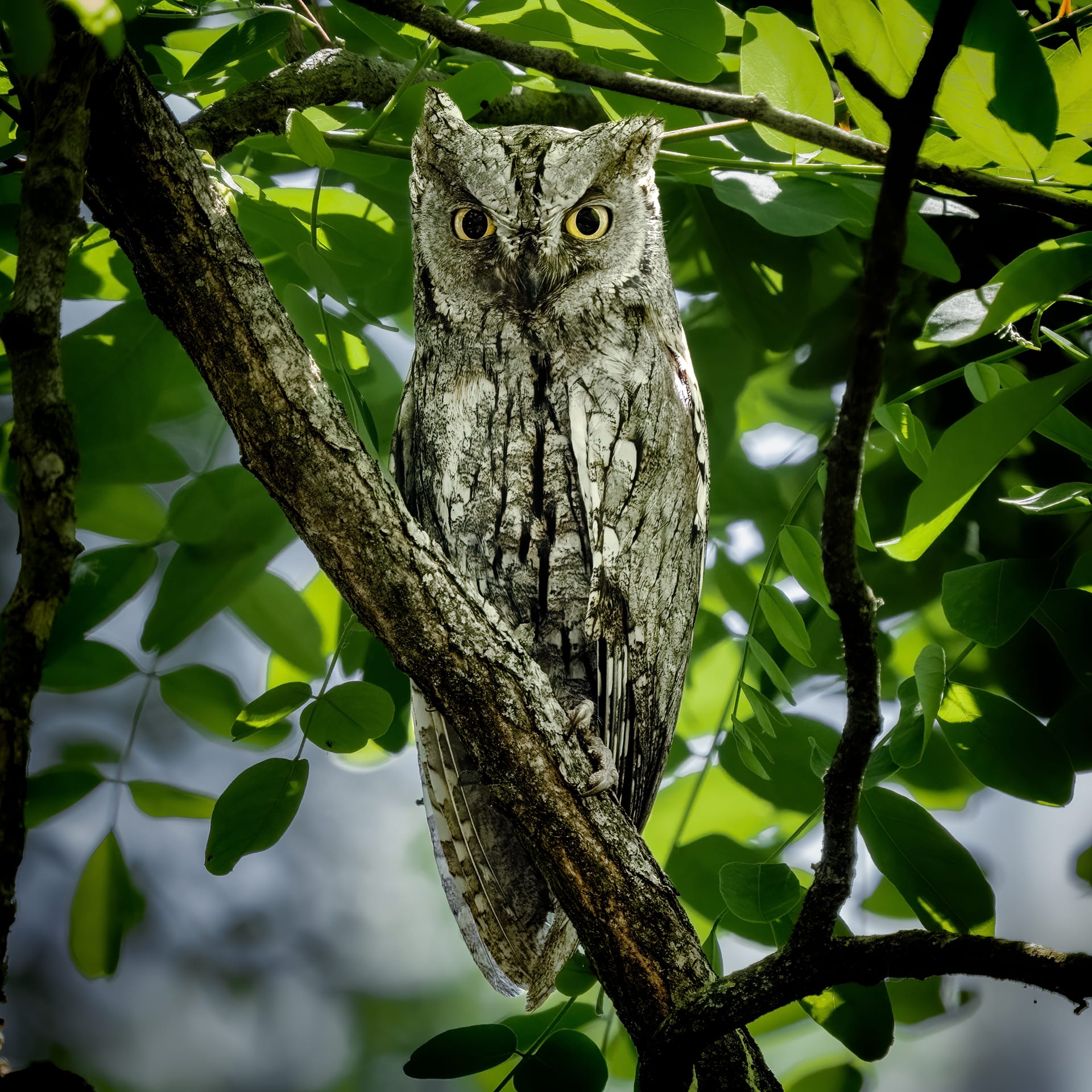
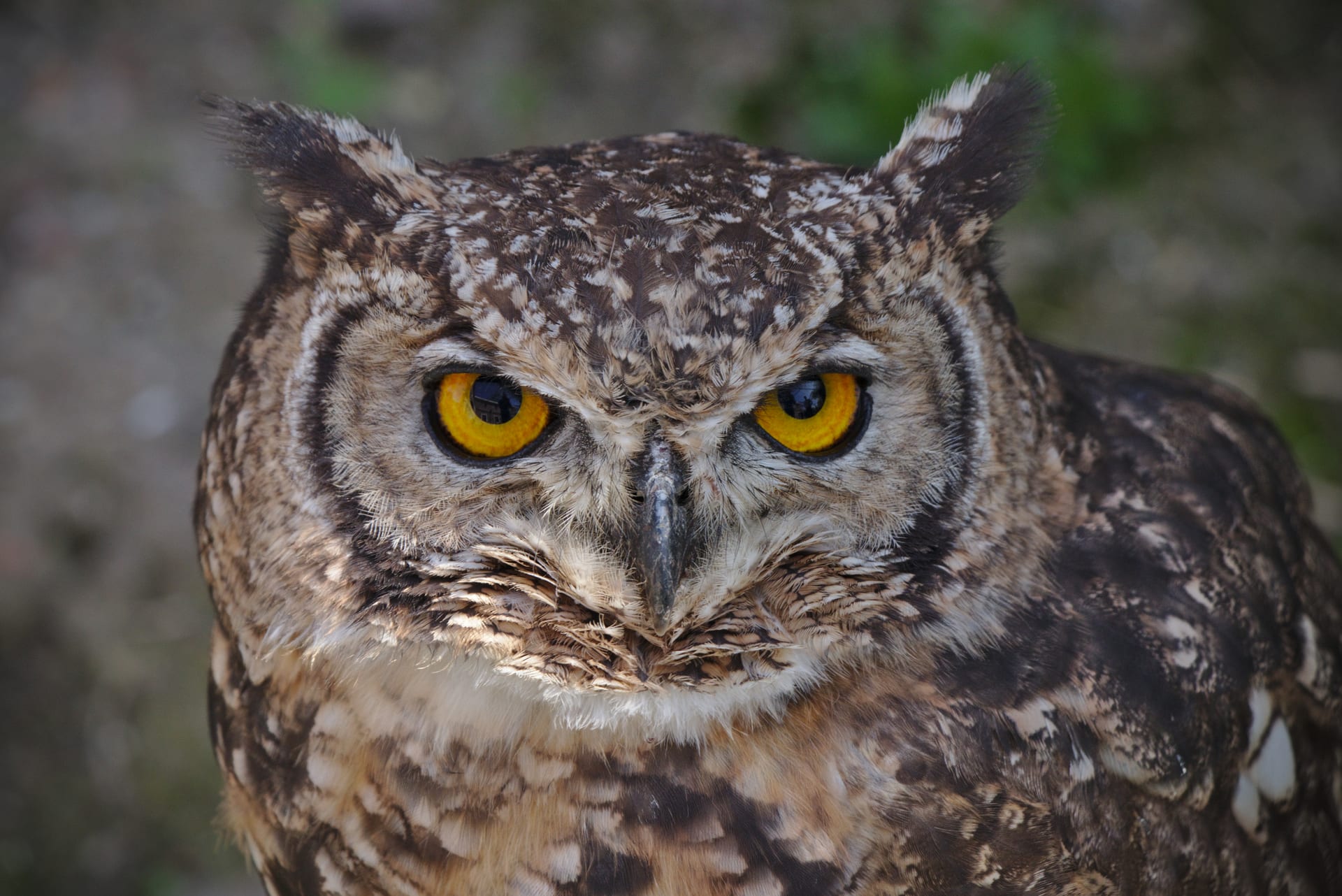
One of the smallest eagle-owls, a medium-sized bird with an off-white to pale ochre facial disc, yellow eyes and prominent ear tufts. It is the commonest owl of southern Africa and lives close to people. It takes more insects than the larger members of its genus.
Difficulty
Advanced
Temperature
15〜30℃
Lifespan
12-18 years
Size
About 45cm (wingspan 100-140cm, 454-907g)
Humidity
40〜60%
Diet
Frozen mice, rats, quail and day-old chicks; in the wild insects, small mammals, birds and reptiles
About
The spotted eagle-owl (Bubo africanus) is a medium-sized owl of sub-Saharan Africa and the Arabian Peninsula and one of the smallest eagle-owls. The facial disc is off-white to pale ochre and the eyes are yellow; the ear tufts are prominent, the upperparts dusky brown and the underparts off-white barred with brown. Until 1999 it was treated as conspecific with the greyish eagle-owl, Bubo cinerascens, but the two are now regarded as separate species. It is the commonest owl in southern Africa, with healthy populations across most of the region, and because it settles readily near houses it is often called an urban owl, occurring in thorn savanna as well as suburban gardens such as those on the edge of Harare in Zimbabwe. Being small for its genus, it takes a higher proportion of insects than the larger eagle-owls.
Source: Wikipedia (CC BY-SA 4.0)
Lifespan of the Spotted Eagle-Owl
The Spotted Eagle-Owl lives 12-18 years.
Size of the Spotted Eagle-Owl
The Spotted Eagle-Owl grows to About 45cm (wingspan 100-140cm, 454-907g).
It is about 45 cm long with a wingspan of 100-140 cm and a weight of 454-907 g.
Basic Info
Origin
Sub-Saharan Africa and the Arabian Peninsula; the commonest owl in southern Africa
Lifespan
12-18 years
Size
About 45cm (wingspan 100-140cm, 454-907g)
Care Specifications
Semi-aggressivePair
Sources: Wikipedia - Spotted eagle-owl / Wikipedia - Strigidae, Japanese edition (Japanese names)
References & Sources
Edited & verified by: BreederDirect editorial team
The taxonomic, regulatory, and husbandry data on this page are compiled and verified against the authoritative primary sources below.
Taxonomy & Authority
Accepted name: Bubo africanus (Temminck, 1821)
Synonyms: Bubo maculosus
Authority databases: GBIF
Nomenclature follows global taxonomic authority databases.
Regulations & Conservation Status
CITES Appendix IIIUCN LC · Least Concern
Bubo africanus. The order Strigiformes is listed in CITES Appendix II except for species placed in Appendix I, so this species is Appendix II and international trade requires an export permit. It is not among Japan's designated dangerous animals.
Sources: CITES Appendices (Appendix II) / IUCN Red List / Cabinet Order under the Act on Welfare and Management of Animals, appended table (designated dangerous animals)
Regulations may change. Always verify the latest information with the relevant authorities.
Spotted Eagle-Owl Listings
Loading latest listingsFind listings for this species