Source: Wikimedia Commons
Red-crested Turaco
AdvancedTauraco erythrolophus
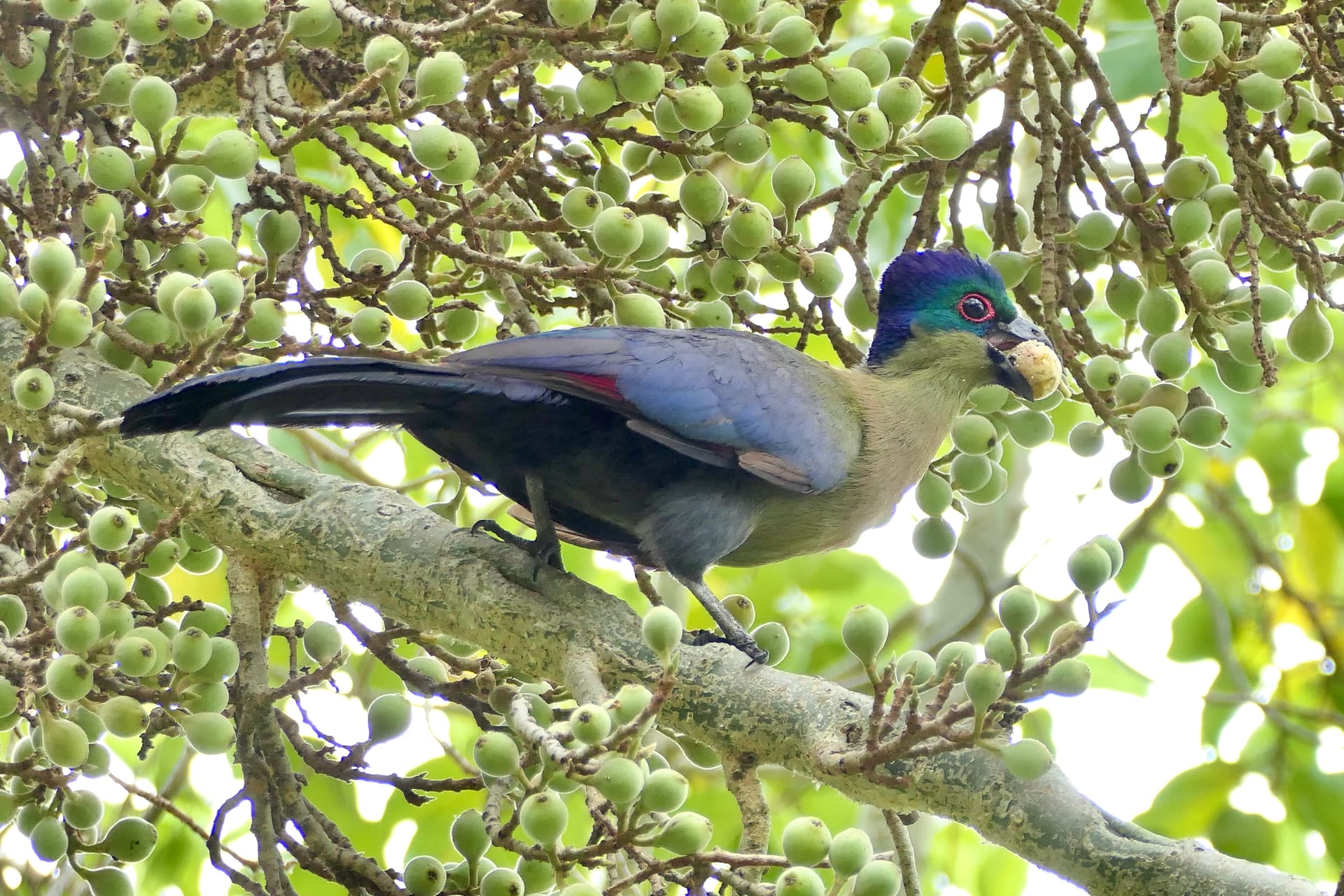
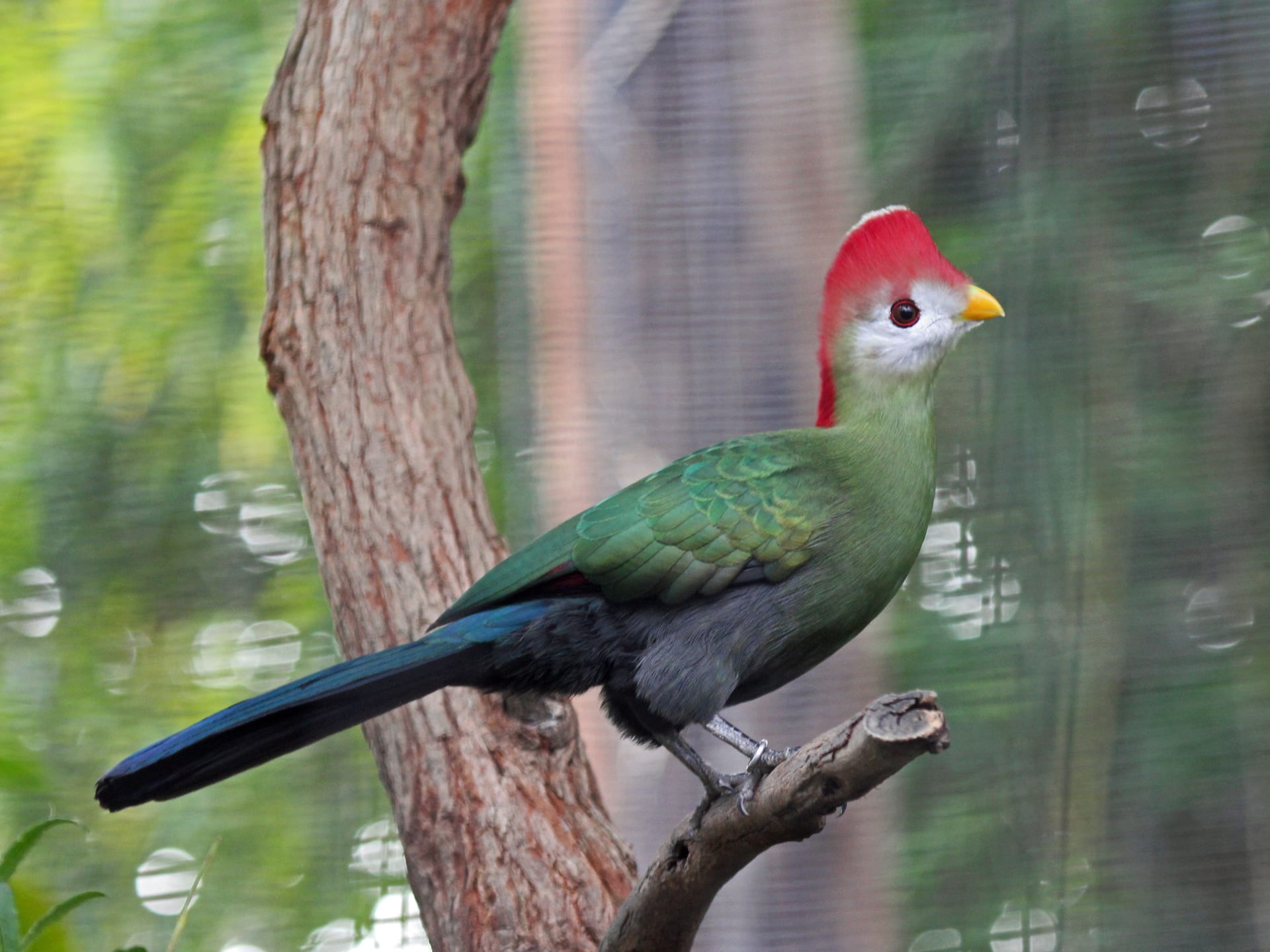
A turaco endemic to western Angola with a green body, a bright red crest and a white face. Red flight feathers flash in flight, and its call is a deep bark. It is Angola's national bird.
Difficulty
Advanced
Temperature
15〜30℃
Lifespan
Little data
Size
45-50 cm
Humidity
40〜60%
Diet
Mainly fruit, with vegetables, softbill or turaco pellets and insects
About
The red-crested turaco (Tauraco erythrolophus) is a turaco endemic to western Angola in south-western Africa and is the country's national bird. The body is green, with a striking erect red crest and white face, and red flight feathers show in flight. The sexes are alike. It resembles Bannerman's turaco but differs in crest and face colour. It is fairly common along the Angolan escarpment and adjacent forest, living in pairs or flocks of up to 30. It stays mostly in trees, coming down only to eat or drink. Fruit is the core of its diet, along with insects, nuts, leaves, flowers, seeds, acacia and figs, and it can eat berries poisonous to humans. Its voice is a deep bark, the female's slightly higher than the male's, and it is especially vocal at dawn. Pairs are monogamous and build a flimsy nest 5-20 m up in dense foliage; both incubate, and the young leave the nest at 4-5 weeks. In captivity it needs a fruit-based diet and a large, tall aviary where it can hop from branch to branch. In Japan it is mainly kept in zoos, and only occasionally offered by specialist dealers.
Source: Wikipedia (CC BY-SA 4.0)
Size of the Red-crested Turaco
The Red-crested Turaco grows to 45-50 cm.
It is 45-50 cm long and weighs 210-325 g.
Basic Info
Origin
The escarpment and adjacent forest of western Angola
Lifespan
Little data
Size
45-50 cm
Temperature
15〜30℃
References & Sources
Edited & verified by: BreederDirect editorial team
The taxonomic, regulatory, and husbandry data on this page are compiled and verified against the authoritative primary sources below.
Taxonomy & Authority
Regulations & Conservation Status
CITES Appendix IIIUCN LC · Least Concern
Tauraco erythrolophus. CITES lists all species of the genus Tauraco in Appendix II (since 1995), including this species. International trade needs an export permit, but no registration under Japan's species conservation law is needed to transfer birds within Japan. Imports are subject to animal import notification under the Infectious Diseases Control Law. The IUCN assesses it as Least Concern.
Sources: Species+ (Tauraco erythrolophus) / IUCN Red List
Regulations may change. Always verify the latest information with the relevant authorities.
Red-crested Turaco Listings
Loading latest listingsFind listings for this species