Differences Between Wild and Captive Birds and Japan's Bird Keeping Regulations | Understanding the Wildlife Protection Management Act Simply
Capturing and keeping wild birds is generally prohibited under the Wildlife Protection Management Act. This article explains in simple terms the fundamental differences between wild and captive birds, an overview of the law, exceptional cases, and what types of birds can be legally kept.
Key Takeaways
Capturing and keeping wild birds is generally prohibited under the Wildlife Protection Management Act. This article explains in simple terms the fundamental differences between wild and captive birds, an overview of the law, exceptional cases, and what types of birds can be legally kept.
Wild and Captive Birds: How They Differ—Essential Knowledge You Should Know
Every time you spot sparrows or crows in a park, you might think, "I wish I could keep one at home." However, in Japan, capturing and keeping wild birds is strictly regulated, and doing so without knowledge of the law can result in penalties. This article explains the fundamental differences between wild and captive birds, an overview of the law, and the exceptional cases where permission can be obtained.
Fundamental Differences Between Wild and Captive Birds
Instincts and Habits Developed in the Wild
Wild birds have evolved to live in wild environments, with instincts for vast home ranges, seasonal migration, foraging for wild food, and evading predators deeply embedded in their biology. When placed in captivity, these instincts go unfulfilled, causing severe stress that often leads to weakness in a short time. Migratory species, in particular, are known to display restless flying behavior when seasons change, and this impulse cannot be completely eliminated in captivity.
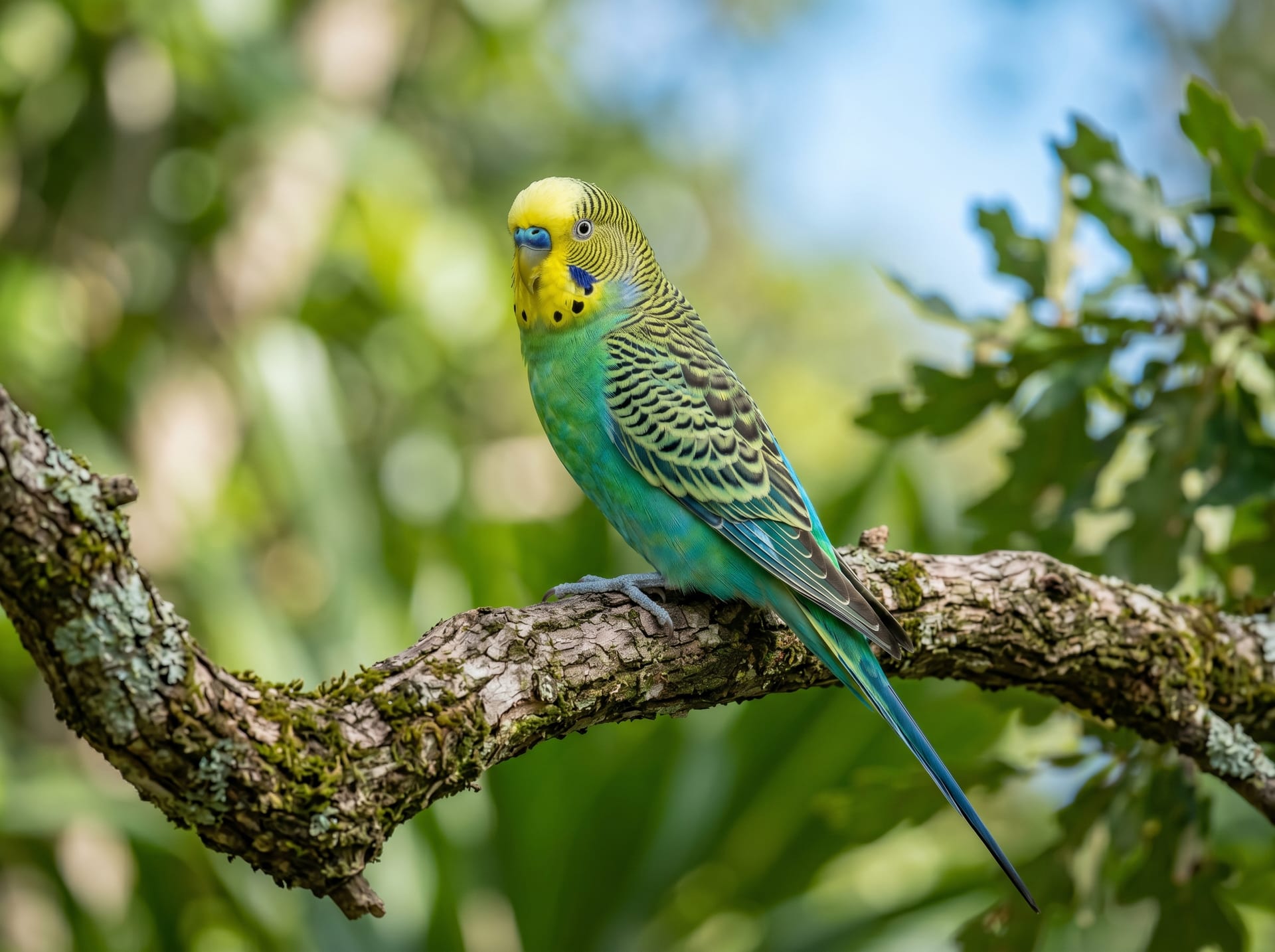
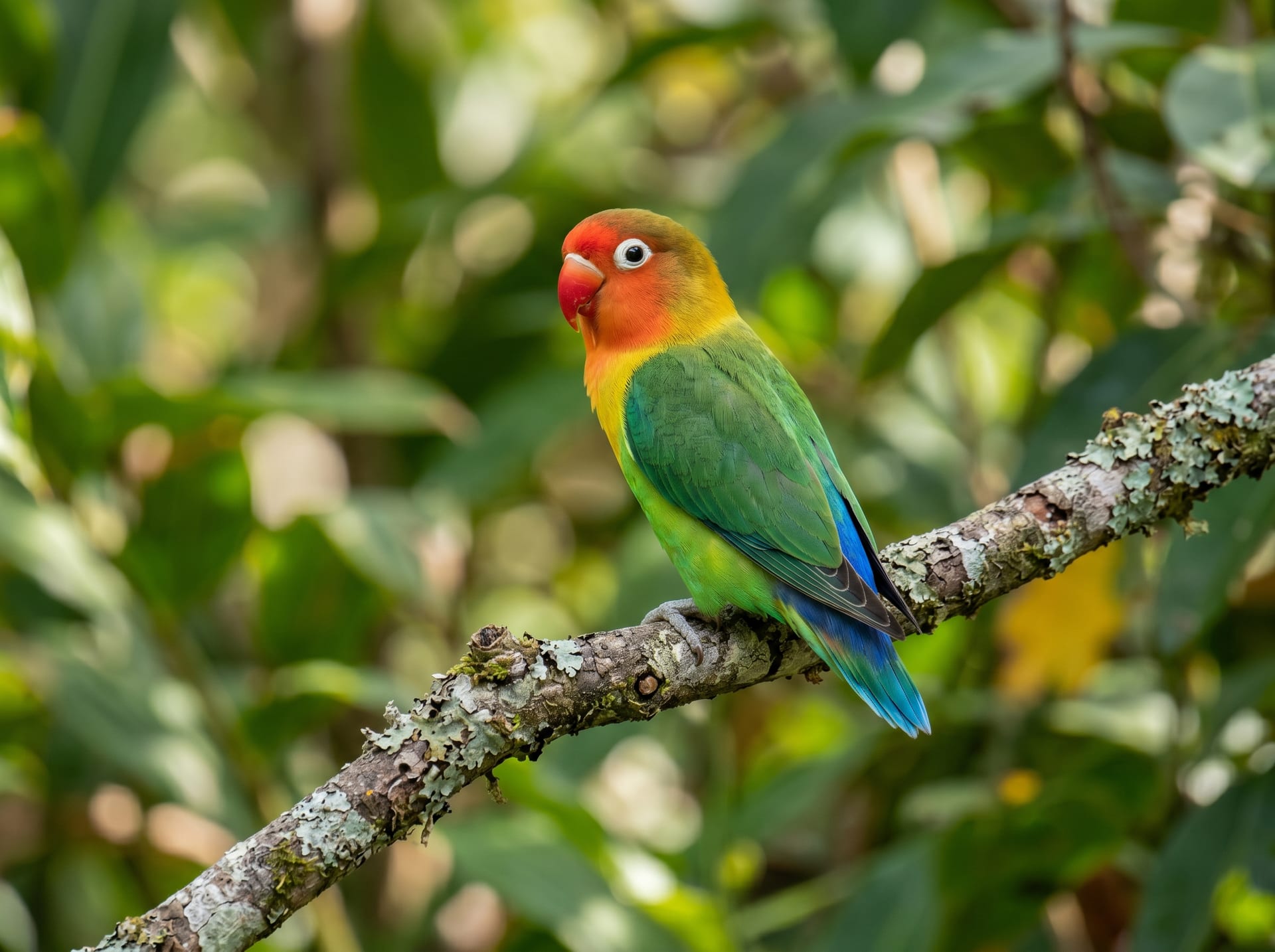
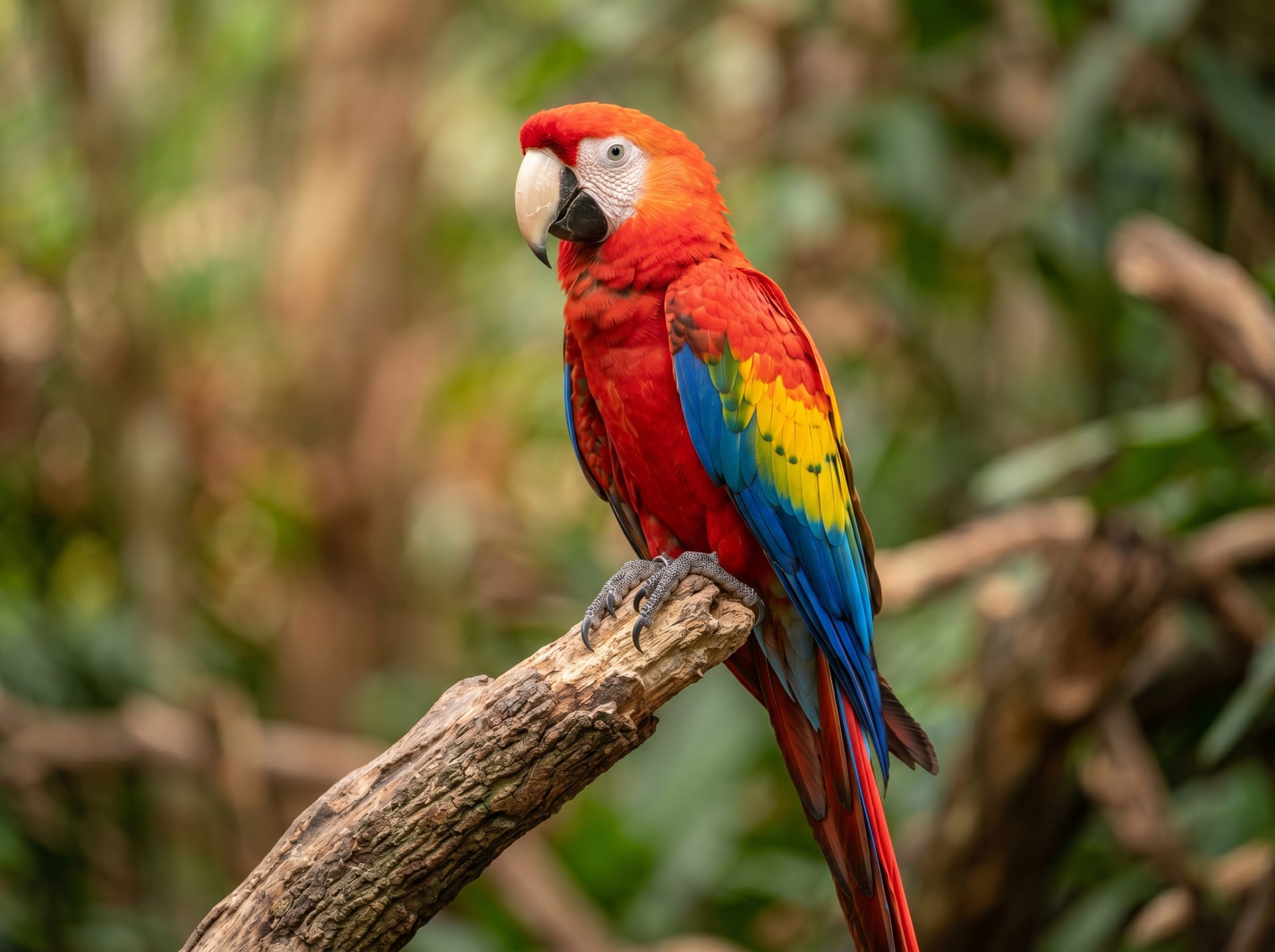
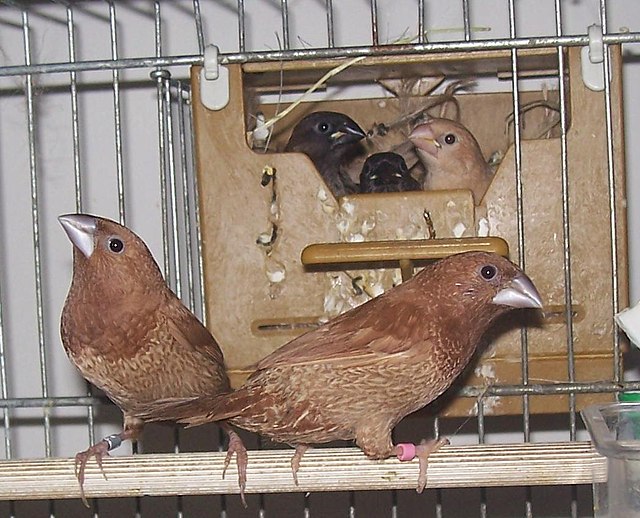
Captive birds (pet birds) have already been bred under human management for many generations and are "domesticated, selectively bred varieties." While budgerigars originate from Australia, the individuals currently sold as pets have behavioral characteristics very different from their wild counterparts and have adapted to coexisting with humans. Similarly, birds like Bengalese finches and Java sparrows, which have been kept in Japan since ancient times, also differ in temperament from their wild-related species.
Dietary Differences
Wild birds have specialized diets, and many species only eat specific insects, seeds, or fish. Properly replicating these diets in captivity is extremely difficult. Conversely, captive birds have had their dietary needs adapted over many years to be met by artificial pellets, seeds, and vegetables. For this reason, attempting to raise a rescued wild bird on homemade food can result in nutritional imbalances and health problems.
Risk of Infectious Diseases
Wild birds may carry zoonotic diseases (avian flu, Newcastle disease, chlamydiosis, etc.). Simply handling a wild bird poses an infection risk, so the principle is not to touch a weakened wild bird with bare hands. If you must handle one, you should thoroughly wash your hands with soap and running water and disinfect any clothing that came in contact with it.