Complete Guide to Tropical Fish Water Temperature Management: Heater Selection and Summer Cooling Measures
A detailed explanation of proper water temperature for tropical fish and water temperature management methods. Covers heater selection, installation, summer high-temperature measures, and how to use coolers and cooling fans.
Key Takeaways
A detailed explanation of proper water temperature for tropical fish and water temperature management methods. Covers heater selection, installation, summer high-temperature measures, and how to use coolers and cooling fans.
Related Species
Ideal Water Temperature for Tropical Fish
One of the most important management factors in keeping tropical fish is water temperature. As their name suggests, tropical fish live in tropical and subtropical regions, and most species prefer water temperatures of 24–28°C. If the temperature falls outside this range, it can lead to weakened immunity, loss of appetite, reproductive problems, and in the worst case, death.
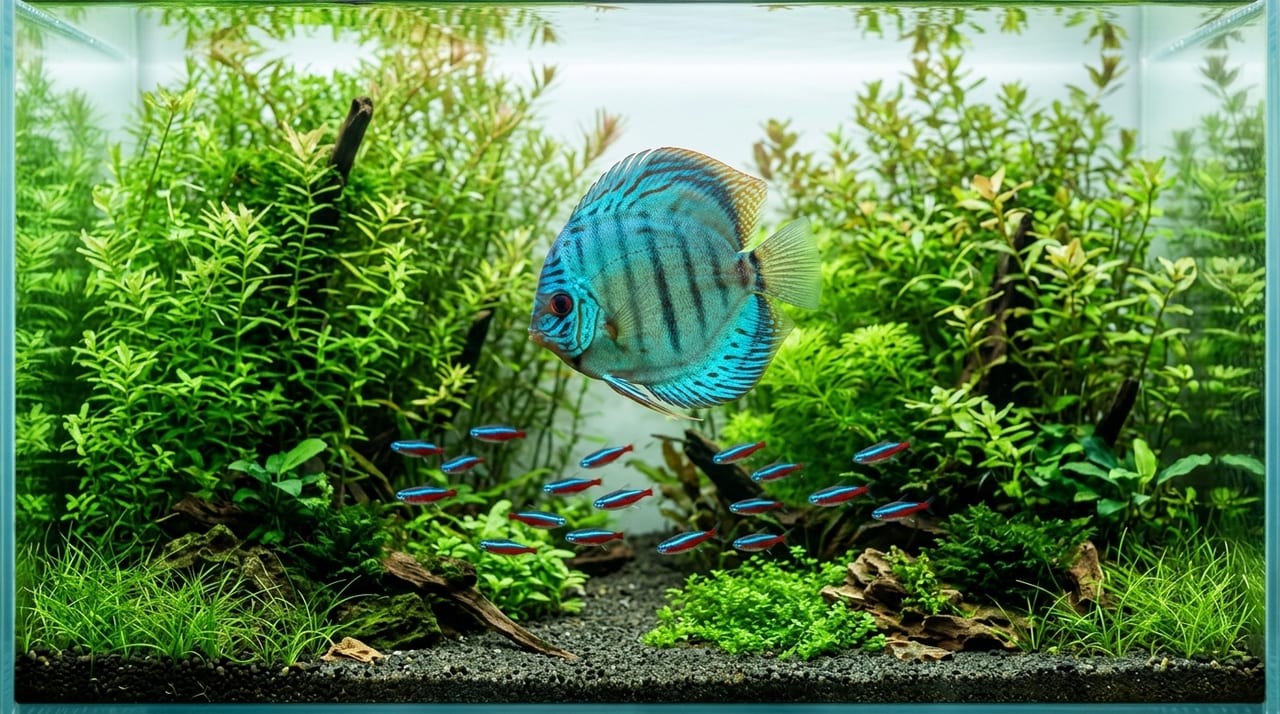
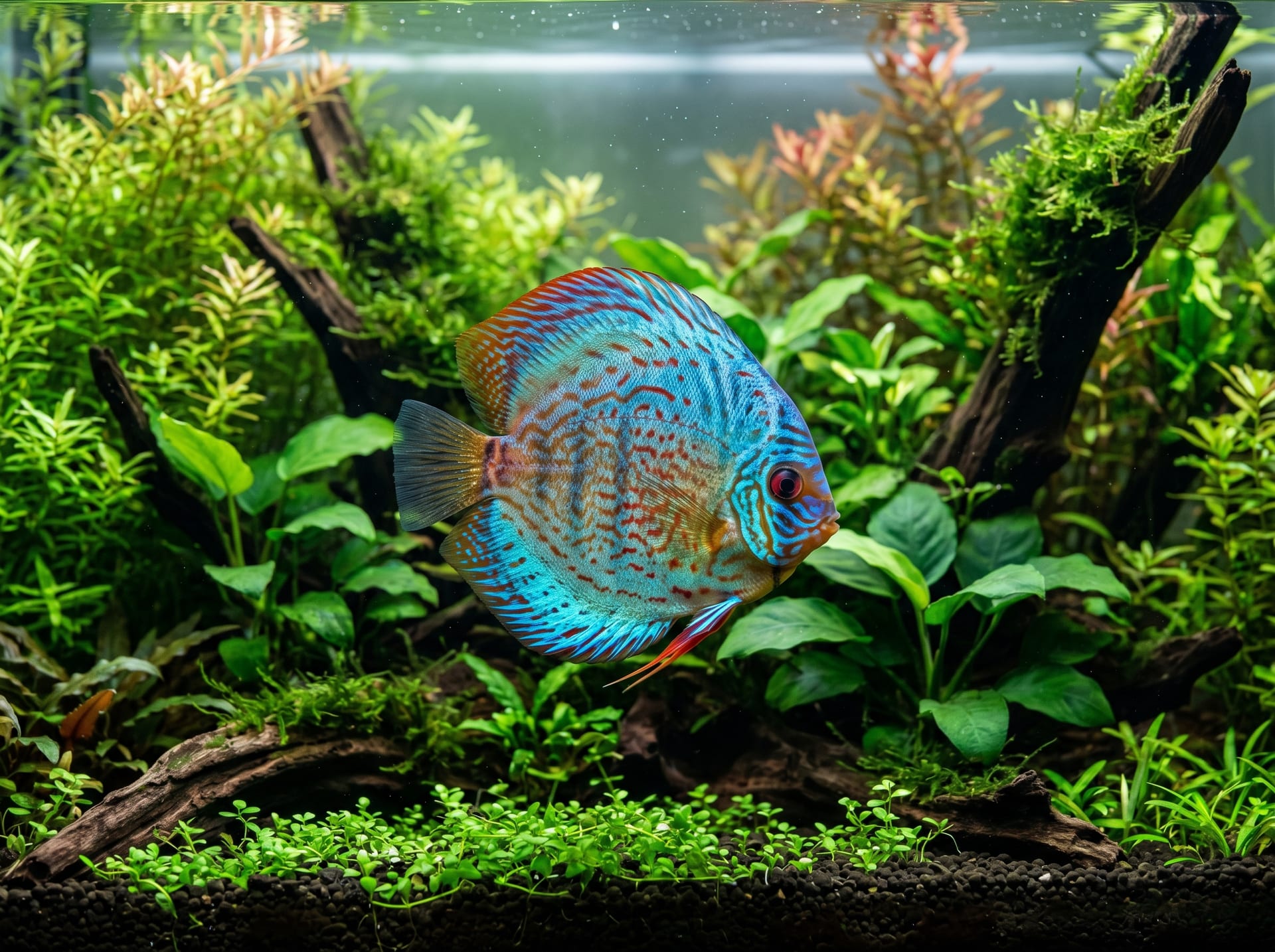
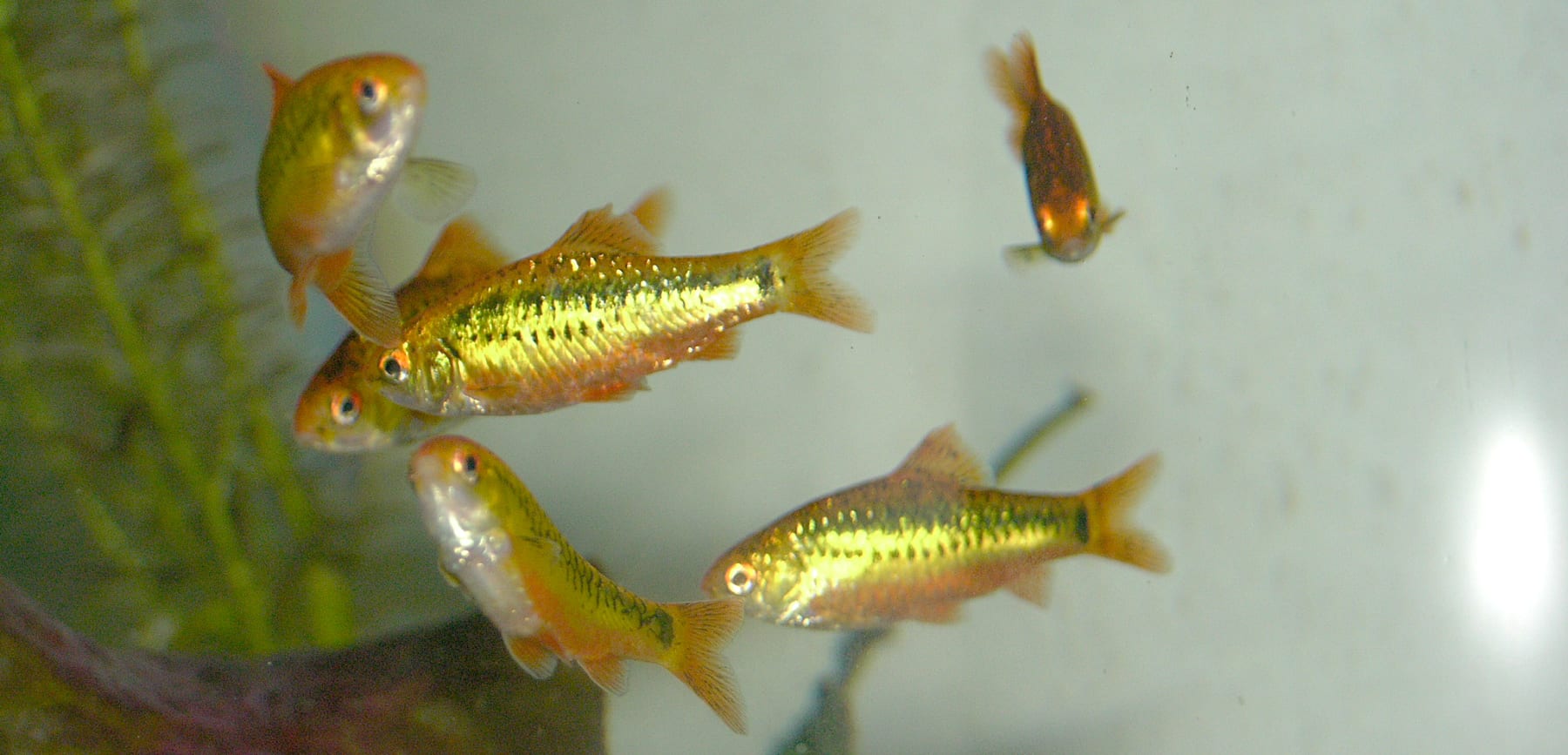
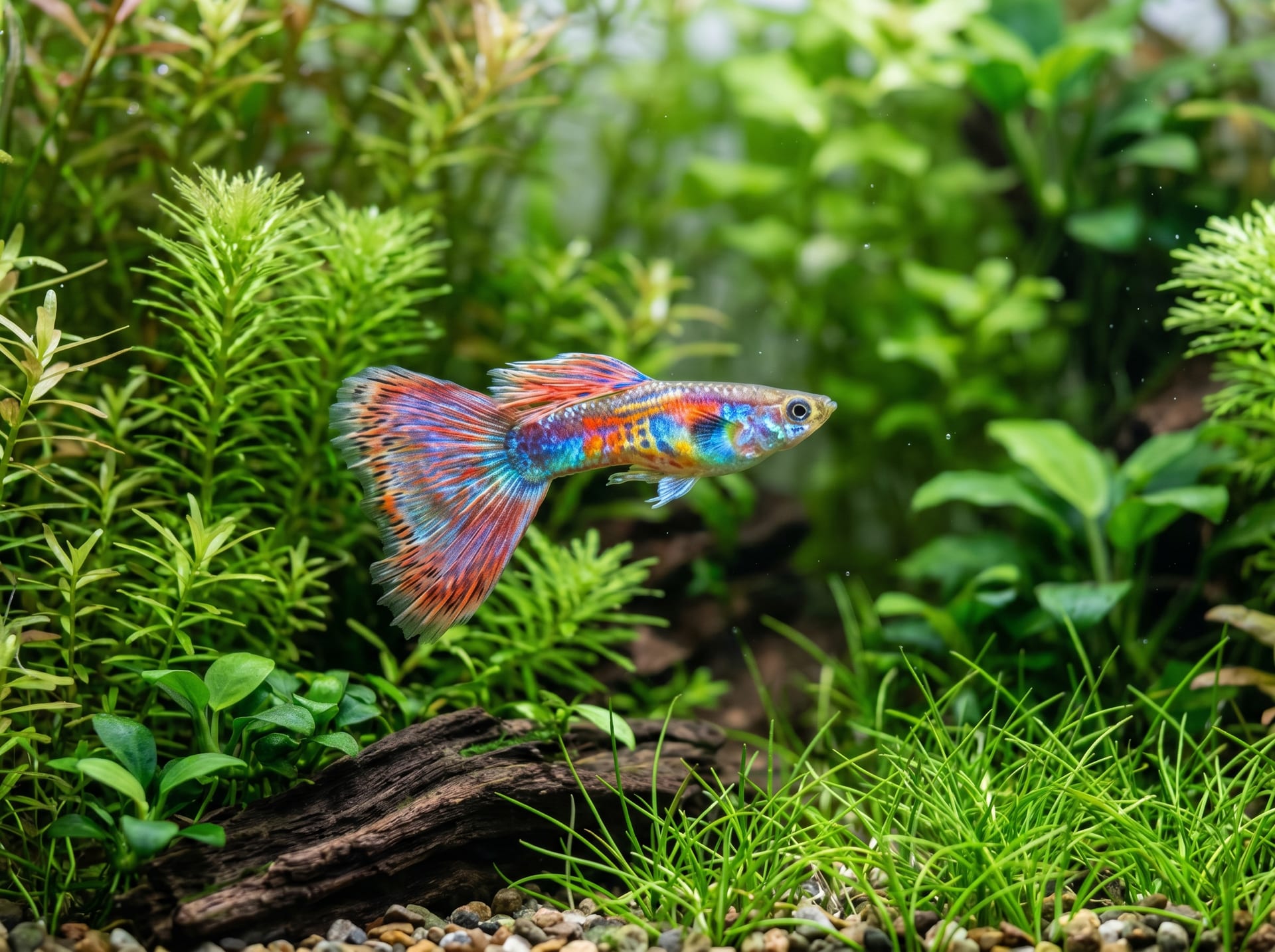
Ideal temperatures vary by species. Neon tetras and guppies prefer 25–26°C, while discus fish prefer the higher end at 28–30°C. On the other hand, species like golden barbs do better at the cooler 20–25°C range. Always research the ideal temperature for your specific fish before keeping them.
In typical Japanese homes, room temperature helps maintain water temperature during spring through autumn, but heating is essential in winter. In recent summers, temperatures exceeding 35°C are not uncommon, and rising water temperatures have caused problems with oxygen depletion and bacterial growth. Year-round temperature management is the key to keeping tropical fish healthy and long-lived.
How to Choose and Install a Heater
Types of Heaters
An aquarium heater is essential for maintaining water temperature during winter. There are primarily the following types:
- Auto-heaters (fixed type): Automatically adjust to a specific temperature, such as 26°C. Beginner-friendly and easy to use.
- Separate thermostat type: The heater and thermostat are separate units, allowing flexible temperature adjustment. Suitable for intermediate to advanced users.
- Integrated thermostat heater: Allows temperature adjustment with high convenience and versatility. Highly recommended.
Wattage Guidelines
Choose heater wattage based on tank size. Guidelines are as follows:
| Tank Size | Recommended Wattage |
|---|---|
| 30cm or smaller | 50–100W |
| 45cm | 100–150W |
| 60cm | 150–200W |
| 90cm | 300W or more |
In cold regions or environments where room temperature drops below 10°C in winter, choosing a higher wattage is recommended for peace of mind.
Installation Precautions
Install the heater where it receives water flow to distribute heat evenly. The area near the filter outlet near the water surface is ideal. Always keep the heater fully submerged in water; running it in air (dry firing) can cause equipment failure and fire, so avoid this at all costs. Always turn off the power before doing water changes—this is a cardinal rule.
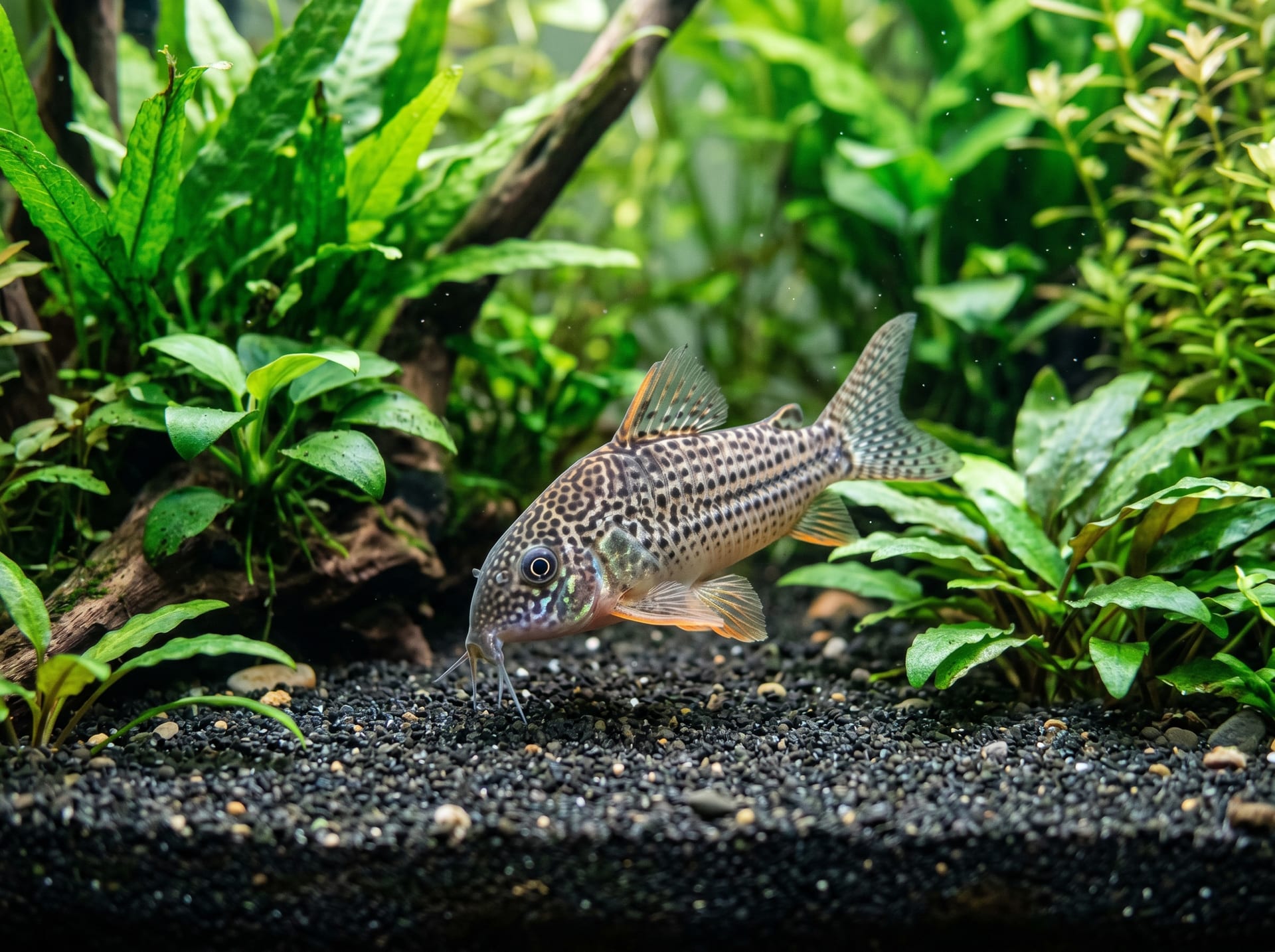
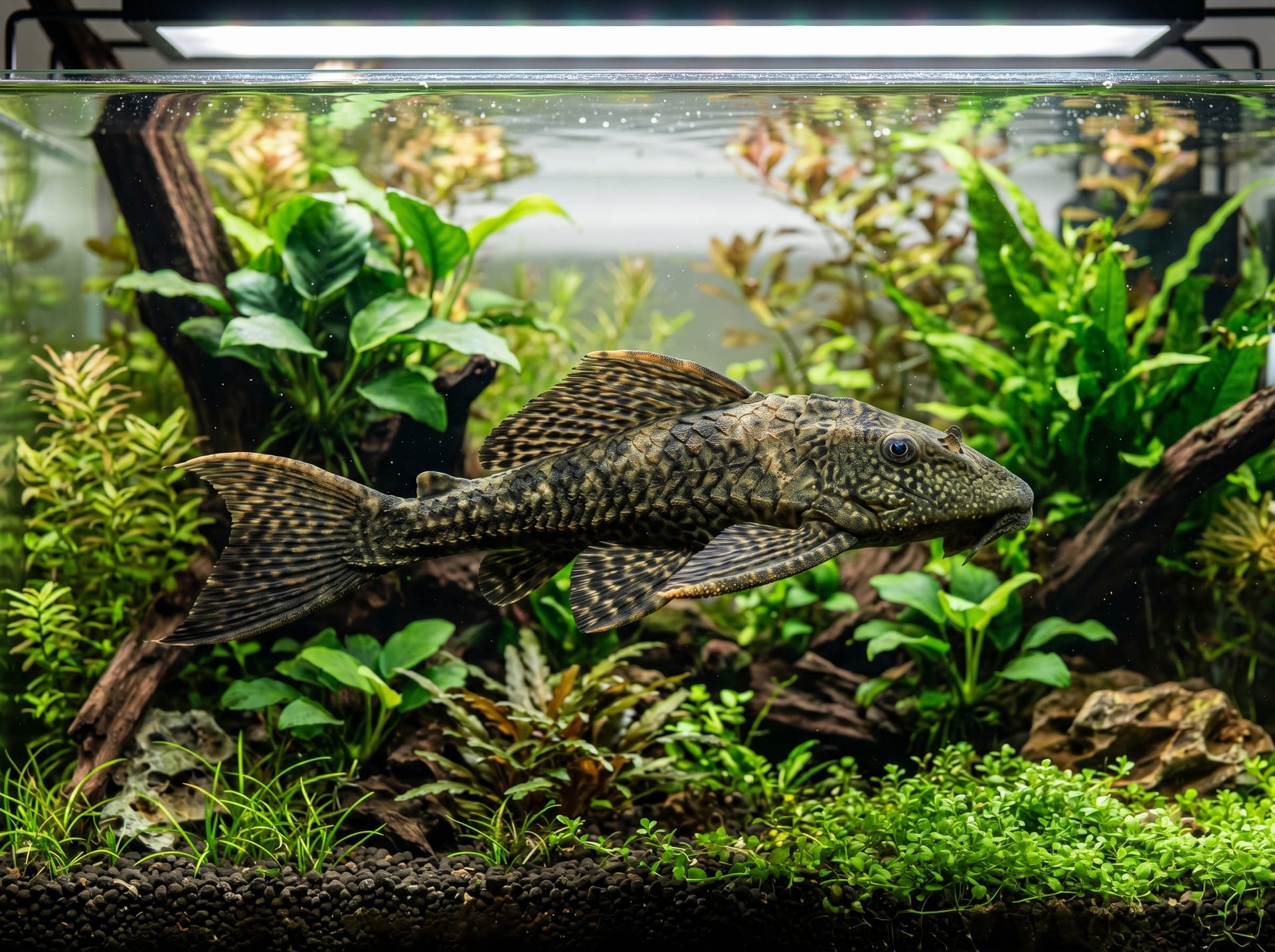
Installing a heater guard prevents fish from touching the heater and getting burned. This is especially important for bottom-dwelling fish like corydoras and plecos.
Regularly Check with a Thermometer
Don't become complacent just because a heater is installed. Heaters can malfunction, and unexpected water temperature changes are not uncommon.
Be sure to have at least one thermometer. Types include:
- Analog thermometer (glass tube type): Inexpensive and reliable. Mount it in an easy-to-read location.
- Digital thermometer: Displays numbers for easy reading. High accuracy.
- LCD adhesive strip: Sticks to the outside of the tank. Convenient but slightly less accurate.
Develop a habit of checking the water temperature at the same time each day. Using a thermometer that records high and low temperatures is convenient for tracking temperature changes even while you sleep. If water temperature deviates by 2°C or more from the ideal range, investigate the cause.
Summer High-Temperature Measures
Why High Water Temperatures Are Dangerous
When water temperature exceeds 30°C, dissolved oxygen levels drop rapidly, making fish prone to oxygen depletion. Additionally, pathogenic bacteria and algae growth accelerate, and water quality deteriorates more easily. In sealed indoor environments, water temperature rises sharply with daytime temperature increases, so special attention is needed.
Using a Cooling Fan
The most convenient summer measure is using a cooling fan (clip fan). By directing air across the water surface, evaporative cooling can lower the water temperature by approximately 2–4°C. At a cost of around 2,000–5,000 yen, it's affordable and suitable for small to medium-sized tanks.
A downside is that water level drops significantly due to evaporation, requiring frequent top-offs. Also, the cooling effect depends on room temperature, so there are limits on extremely hot summer days.
Installing an Aquarium Chiller
For serious cooling, an aquarium chiller is effective. It reliably cools to a set temperature, allowing stable water temperature control even in warm environments.
While expensive at 30,000–100,000 yen, it's worth the investment for species requiring precise temperature control, such as discus or marine fish, or in regions with severe summer temperature fluctuations. The most common type is mounted outside the tank and connected via tubing, and installation itself is straightforward.
Other Tips
- Increase aeration: Add an air pump to supply more oxygen to the water as a countermeasure against oxygen depletion.
- Avoid direct sunlight: If the tank is near a window, use curtains or blinds to block light.
- Relocate the tank: Move it to a cooler location, such as a room on the north side.
- Reduce lighting duration: Even LEDs generate heat, so keep lighting to 6–8 hours during summer.
Beware of Sudden Temperature Changes
A often-overlooked aspect of temperature management is sudden temperature changes. If water temperature changes by 2–3°C or more in an hour, fish cannot tolerate the difference, become stressed, and are prone to diseases such as ich.
Extra caution is needed during water changes. If the new water's temperature differs greatly from the tank's water, it can shock the fish. Let replacement water sit in a bucket for a while and match its temperature to the tank before using. In winter, it's convenient to warm the water using a bucket with a heater.
Similarly, sudden temperature drops from power outages or heater failure are dangerous. It's reassuring to know emergency measures like covering the tank with blankets for insulation or floating heat packs in plastic bags on the surface.
Summary: Water Temperature Management Starts with Daily Habits
Water temperature management for tropical fish requires not just proper equipment, but also the habit of daily observation. By following just three practices—checking temperature daily with a thermometer, using appropriate heating or cooling equipment seasonally, and carefully matching water temperature during changes—you can dramatically reduce disease and sudden death.
It may seem like a chore at first, but once you get used to it, it takes only about a minute each morning. Once you establish stable water temperature, fish develop vibrant colors, better appetite, and higher activity levels. Incorporate water temperature management as a foundation of your aquarium hobby so you can enjoy watching your fish swim healthily and actively.