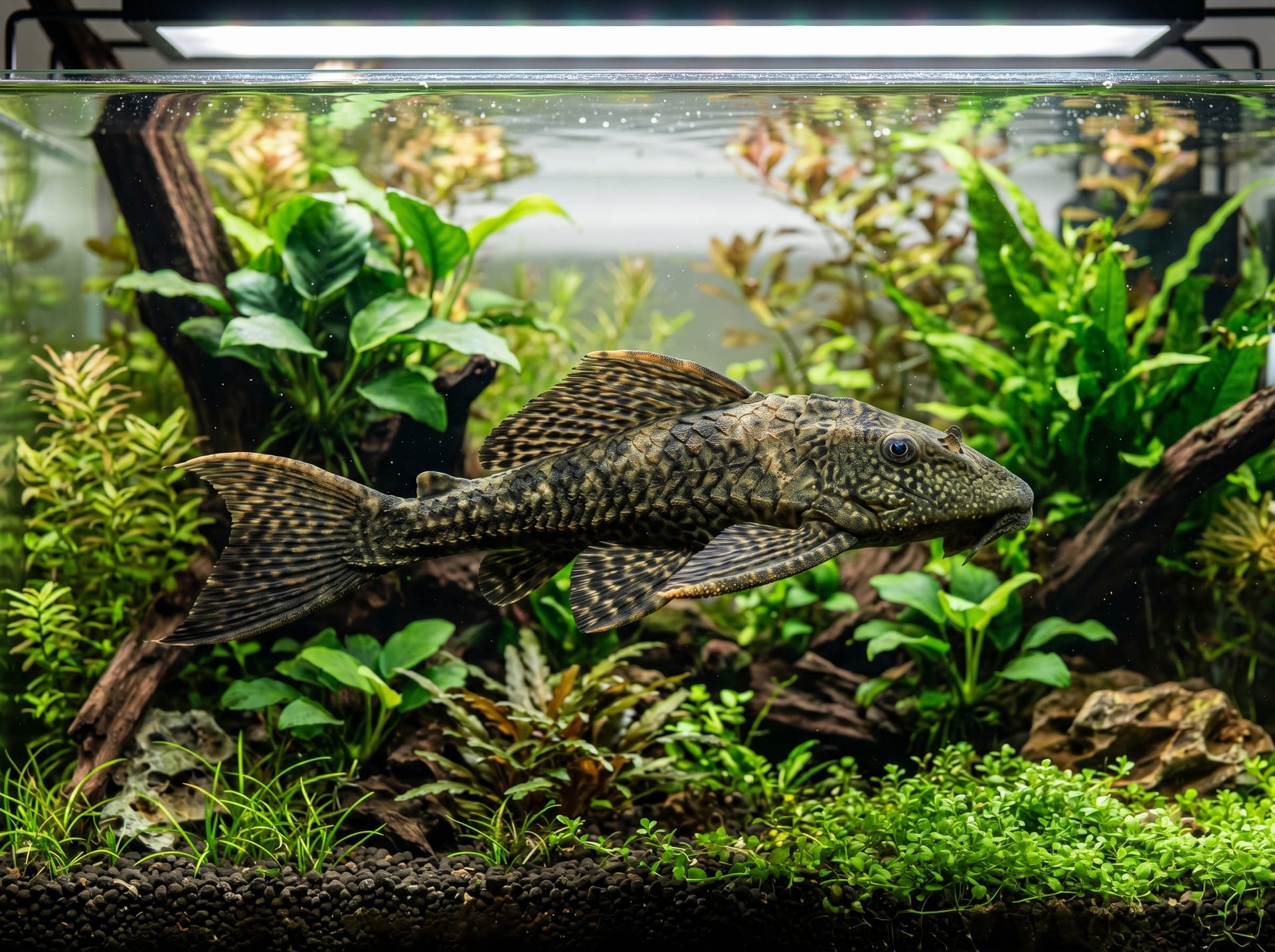
Building a Tropical Fish Planted Tank Without CO2 Injection | Beginner's Guide to Low-Light Aquatic Plant Layouts
This guide explains how to create a planted aquarium that thrives without CO2 injection. It introduces beginners to types of low-light aquatic plants like Anubias and moss, tips for setting up the tank, and how to choose tropical fish compatible with the ecosystem.
Key Takeaways
This guide explains how to create a planted aquarium that thrives without CO2 injection. It introduces beginners to types of low-light aquatic plants like Anubias and moss, tips for setting up the tank, and how to choose tropical fish compatible with the ecosystem.
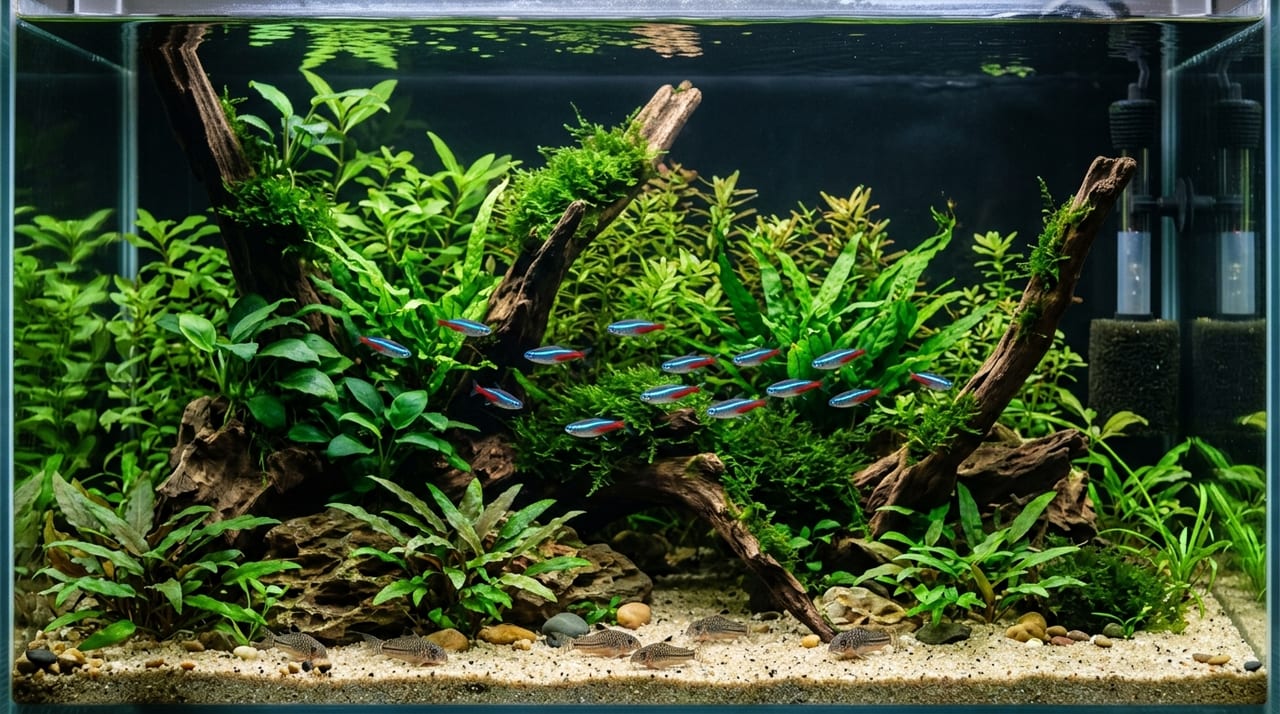
Planted aquariums without CO2 injection remain popular as an introductory aquascaping style, allowing you to enjoy both tropical fish and aquatic plants while keeping specialized equipment to a minimum. The misconception that CO2 injection is essential for aquatic plants is widespread, but many aquatic plants thrive without CO2. This article comprehensively explains how to build and maintain a tank centered around low-light aquatic plants, from setup procedures to selecting tropical fish.
✍️
BreederDirect Editorial
The BreederDirect editorial team specializes in care information for animals, covering veterinary care and breeding to deliver beginner-friendly guides.
Find Tropical Fish on BreederDirect
Buy directly from verified breeders
Browse Related Listings
Find Tropical Fish listings related to this article on BreederDirect. Buy directly from verified breeders.
The greatest advantage of a CO2-free setup is that you can significantly reduce both initial costs and ongoing maintenance expenses. A complete CO2 injection system—comprising a gas cylinder, regulator, and diffuser—requires substantial investment. Without CO2, those funds can be redirected to essential equipment like lighting and substrate.
Additionally, CO2 injection requires careful management to prevent pH from dropping too low, but a CO2-free environment carries minimal pH fluctuation risk and offers greater water stability. Stable water conditions benefit many tropical fish such as corydoras and tetras, making it easier to maintain both plants and fish simultaneously.
Moreover, many "low-light aquatic plants" that grow without CO2 have slow growth rates, which means trimming is needed less frequently, making them manageable even for busy individuals or those new to aquascaping.
Low-Light Aquatic Plants That Thrive Without CO2
Low-light aquatic plants are aquatic plants that grow in low light and low CO2 conditions. Common types are summarized below.
Type
Characteristics
Attachment
Anubias nana
Thick leaves resist algae; ideal for beginners
Yes
Microsorum pteropus
Fern; distinctive leaf shape serves as a layout accent
Yes
Willow moss
Moss plant that provides shelter for shrimp; tie to driftwood or rocks
Yes
Waterweed
Fast growth absorbs excess nutrients; effective for water purification
No (Floating)
Hornwort
Extremely high environmental adaptability; excels in nutrient-rich tanks
No (Floating)
Anubias and Microsorum are ideal for "attachment layouts," where they are secured to driftwood or rocks. Since roots are not buried in the substrate, the bottom remains clean and layout changes are easy. Willow moss creates fine gaps, making it valuable as shelter for small shrimp. Waterweed and hornwort thrive when simply left floating and serve as buffers against excess nutrients.
Three Key Points for Tank Setup
To succeed with a CO2-free planted aquarium, three elements must be properly established: lighting, nutrients, and filtration.
1. Lighting
In a CO2-free environment, lower light intensity is the foundation. Overly bright lighting promotes algae blooms (especially green and blue-green algae), giving algae dominance over plants. For low-light aquatic plants, plan for 8–10 hours of LED lighting daily. Using a timer to maintain consistent lighting hours stabilizes both plant and fish biorhythms.
2. Nutrients
In a CO2-free environment, aquatic plants grow slowly, so liquid fertilizer should be added in small amounts. Begin with an all-purpose liquid fertilizer containing balanced nitrogen, phosphorus, and potassium, dosed once or twice weekly in small amounts, adjusting as you observe results. Large single doses of fertilizer can trigger algae blooms, so caution is necessary. Using aquarium soil in the substrate promotes early stability, but since low-light plants have attachment capability, gravel or lava rock can also work.
3. Filtration
External or top-mounted filters that emphasize biological filtration are most suitable. Adjust water flow so moss and Anubias are not swept away. Once filter bacteria establish themselves, water quality stabilizes, making it far easier to maintain the health of both plants and fish.
Selecting Compatible Tropical Fish
Choosing the right tropical fish for your planted aquarium is extremely important. Herbivorous fish or those with substrate-rooting habits can damage aquatic plants.
Examples of compatible tropical fish and inhabitants are summarized below.
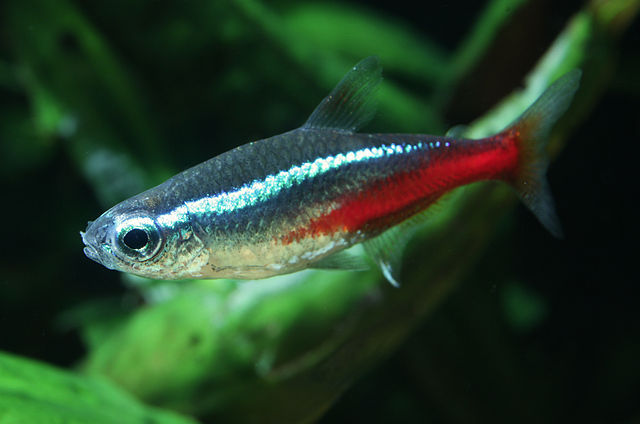
Small tetras and cyprinids like neon tetra, rasbora, and green neon tetra (low plant-eating habits; schooling is beautiful)
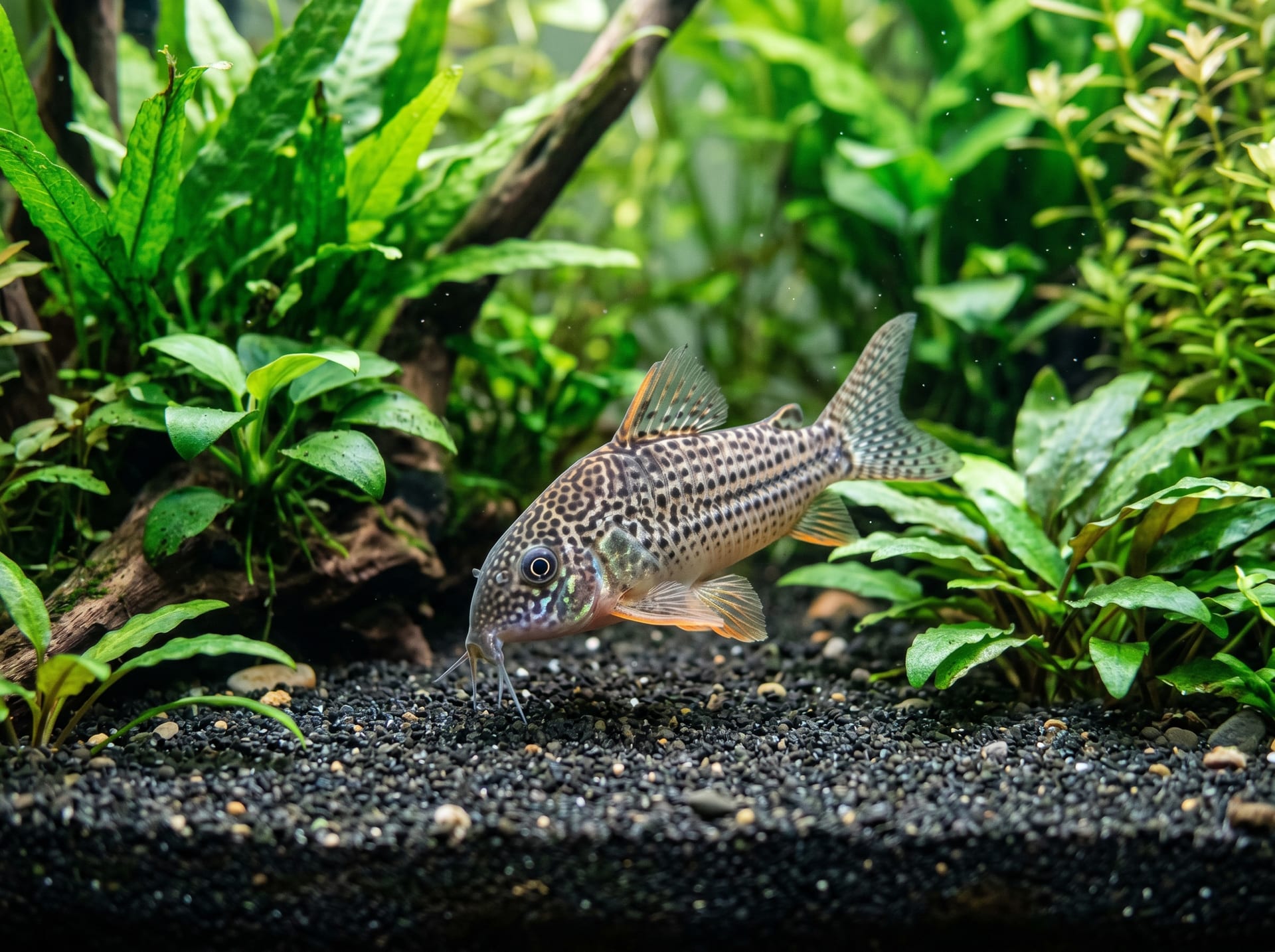
Corydoras species (cleaner fish that consume leftover food; do not interfere with attached plants)
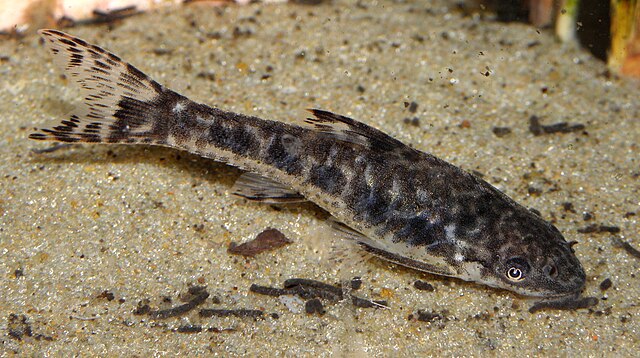
Otocinclus (feed on algae on glass and leaves; peaceful and do not damage plants)
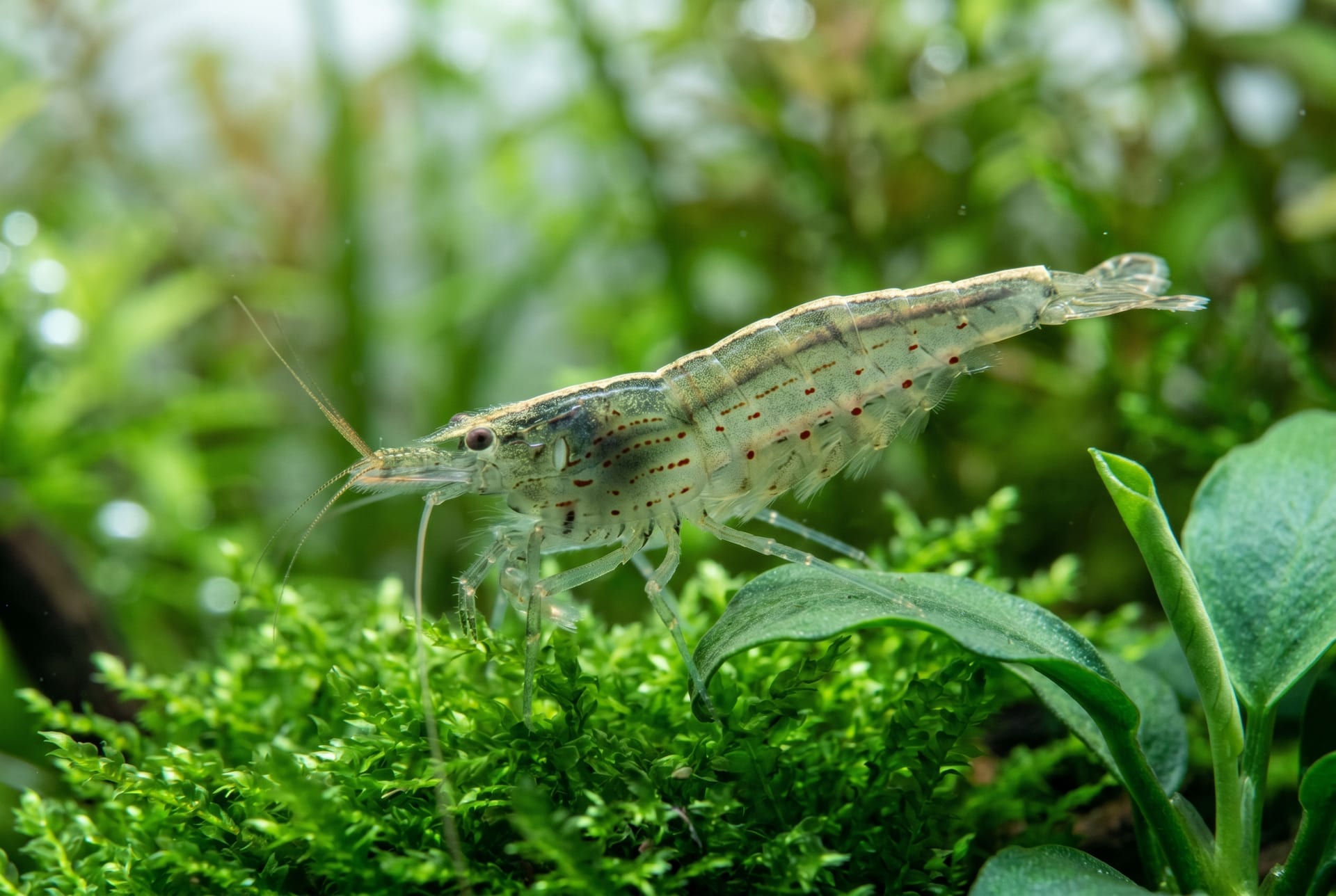
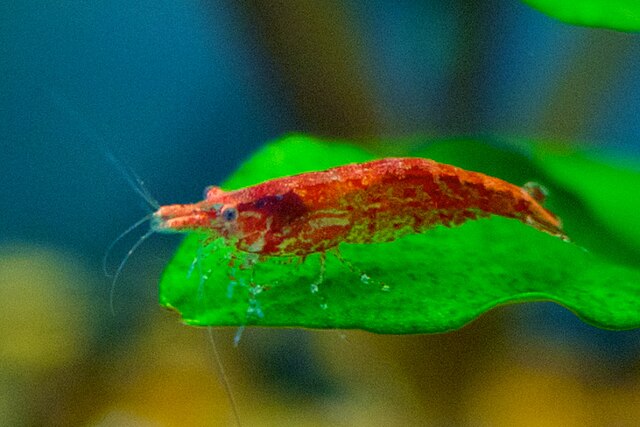
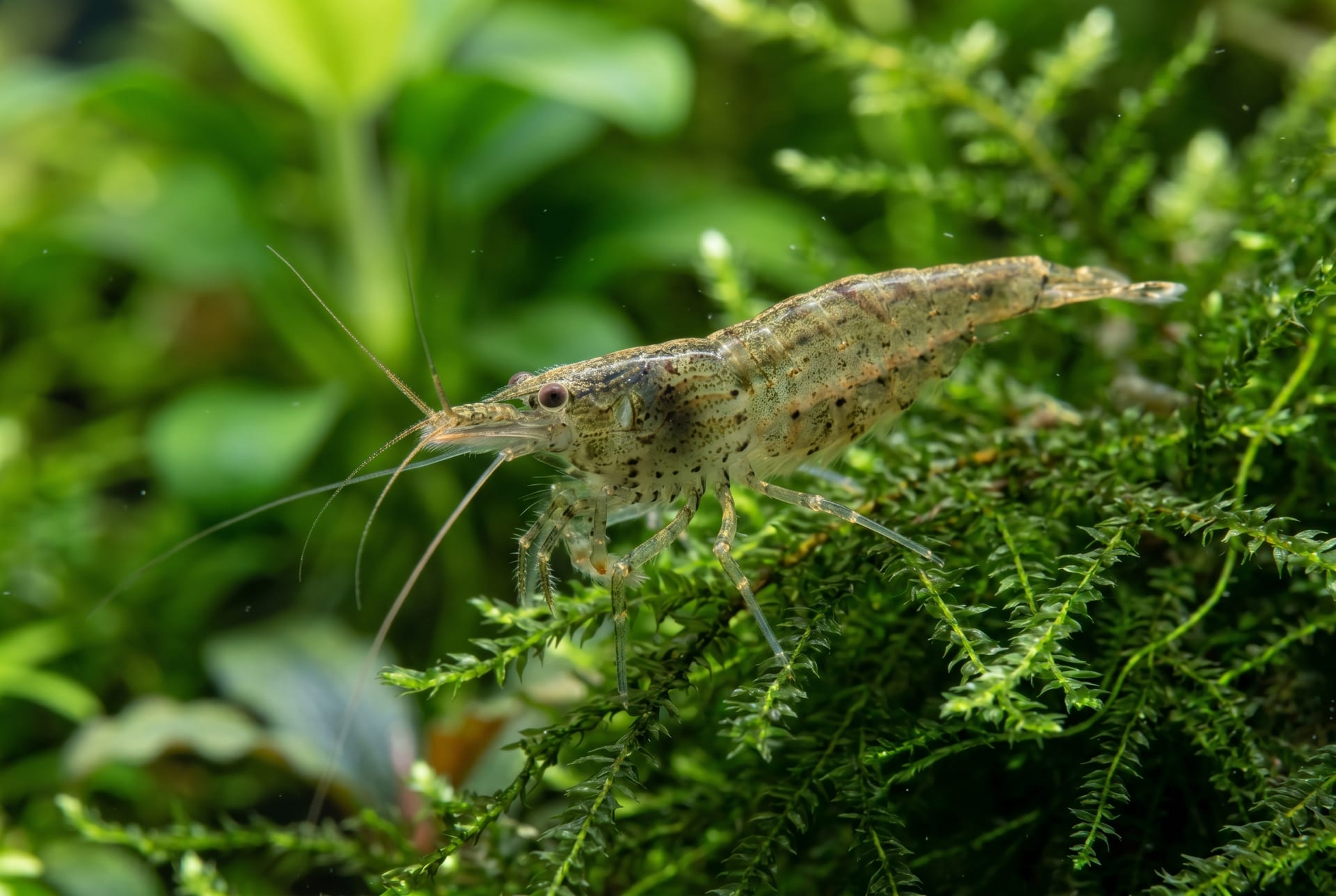
Amano shrimp and cherry shrimp (fun to watch moving through moss; highly effective at controlling algae)
On the other hand, Buenos Aires tetra is known to actively eat and destroy aquatic plants, so it is best to avoid introducing it to planted tanks. Large pleco species may also damage plants. Cichlids are prone to disturbing layouts through territorial disputes rather than directly damaging plants, so limiting selection to small species is reassuring.
Common Problems and Solutions
Massive algae blooms
This often occurs when lighting duration is too long or nutrients are excessive. First, reduce lighting time to 7–8 hours and pause liquid fertilizer dosing to observe results. Introducing algae-eating inhabitants like Amano shrimp or Otocinclus is also an effective measure.
Aquatic plants turn brown and melt
When newly introduced aquatic plants are moved to a new environment, they sometimes shed old leaves to adapt to the new conditions (a phenomenon called "melting"). This is especially common with Anubias, but the correct approach is to wait for new growth rather than removing the plant immediately. Additionally, burying the rhizome of attached plants too deeply in the substrate can cause rot, so the rhizome should be attached with the tip exposed above the substrate.
Aquatic plants drift and fail to attach
If filter water flow is too strong, moss tied to driftwood or temporarily fixed Anubias can become displaced. Temporarily secure with cotton thread or fishing line, and once attachment is confirmed, remove the thread for stability.
A CO2-free planted aquarium can be started with simple equipment while achieving a beautiful aquascape where green aquatic plants and the vibrant colors of tropical fish harmonize. The key to long-term enjoyment is to avoid rushing and gradually adjust the environment while observing how your plants and aquatic life respond. At BreederDirect, you can purchase tropical fish compatible with planted aquariums directly from breeders, so please explore to find the perfect fish for your tank.