Complete Guide to Tropical Fish Aquarium Layout Materials | How to Choose and Combine Rocks, Driftwood, and Substrate
Learn how to select and combine rocks, driftwood, and substrate materials for tropical fish aquarium layouts. This guide covers the impact on water chemistry, basic composition principles for nature-style aquascapes, and maintenance methods for each material to help you create beautiful underwater landscapes.
Key Takeaways
Learn how to select and combine rocks, driftwood, and substrate materials for tropical fish aquarium layouts. This guide covers the impact on water chemistry, basic composition principles for nature-style aquascapes, and maintenance methods for each material to help you create beautiful underwater landscapes.
Related Species
Layout Materials Determine Your Aquarium's Overall Appearance
The layout of a tropical fish aquarium changes dramatically depending on your choice and placement of materials. With the same aquatic plants and fish, different rocks and driftwood can create the impression of either a natural stream gorge or a tropical rainforest floor.
However, materials are not simply decorative elements — they directly affect water chemistry (pH and hardness) and the living environment for aquatic life. Selecting materials that suit your fish species and plants is the key to achieving both visual appeal and healthy livestock. The texture and color compatibility between materials also greatly influences the final result. Rather than aiming for perfection from the start, understanding basic composition and material properties, then experimenting with combinations, is the fastest path to improvement.
Rock Types and Characteristics
Rocks are the star material in layouts, adding hardness and weight to the design. Their impact on water chemistry varies considerably by type, so always check compatibility with your fish species.
- Dragon Stone (volcanic rock type): A porous rock structure riddled with countless bubble holes allows bacteria to easily colonize and supports biological filtration. Its black to gray tones beautifully complement green plants, making it excellent for nature-style aquascapes. It has relatively minimal impact on water chemistry and works well with tropical fish that prefer slightly acidic to neutral conditions.
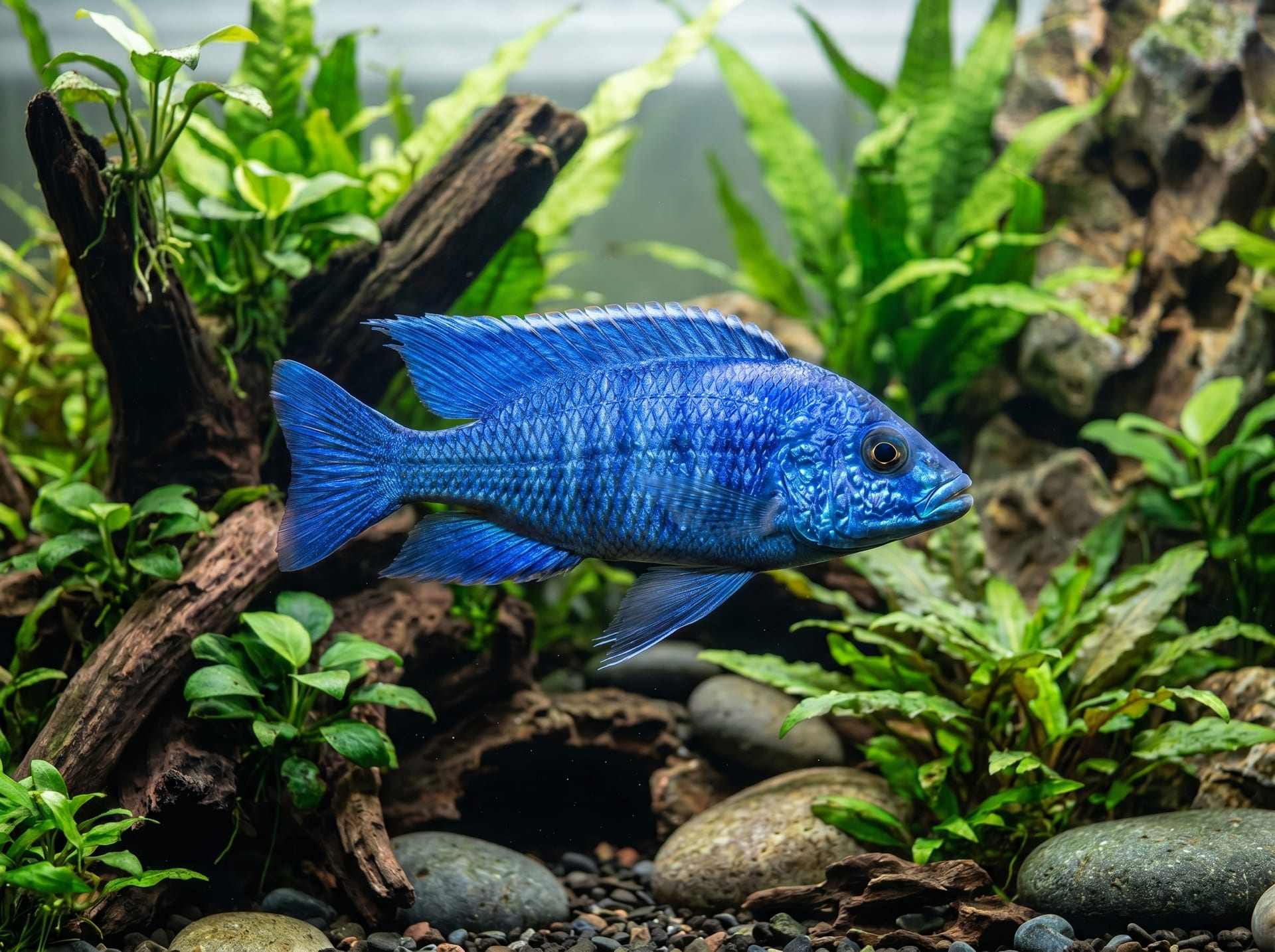
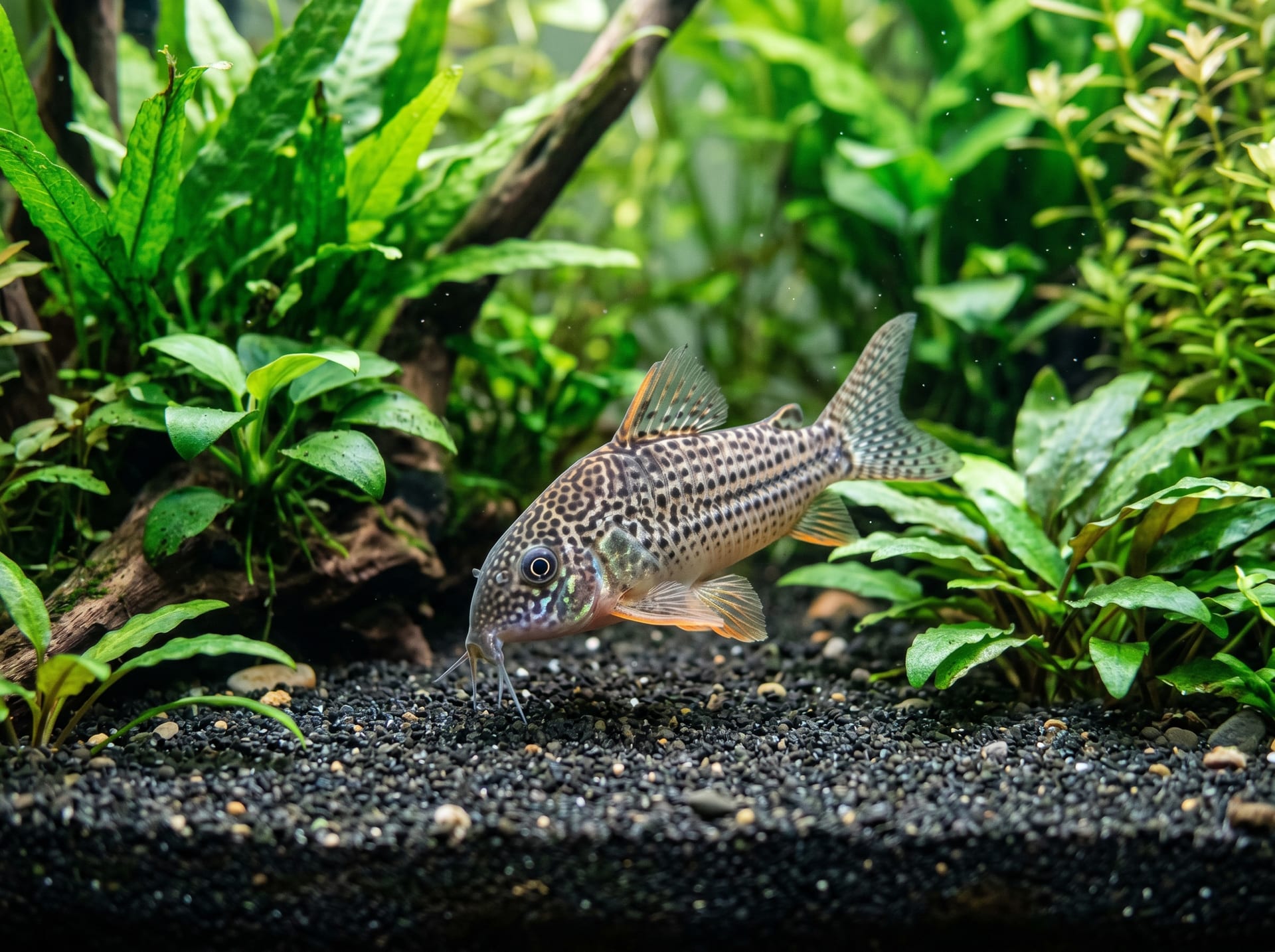
- Blue Limestone (limestone type): Characterized by white to gray linear fracture lines, it is commonly used in layouts with sharp, inorganic aesthetics. However, it leaches calcium, causing pH to rise easily, making it unsuitable for slightly acidic fish species such as tetras and corydoras. It pairs well with African cichlids and invertebrates, and can be actively used for livestock that prefer hard, alkaline water.
- Petrified Wood (silicified wood): Ancient wood replaced by silica and fossilized, it has an appealing warm brown to reddish-brown tone. Its impact on water chemistry is negligible, offering high versatility, and combining it with driftwood increases the natural feel.
- Volcanic Stone: Black to reddish-brown with a rough surface, it is frequently used in slope layouts and mountain-style compositions. Its high bacterial colonization rate makes it advantageous for tank establishment, and it is an easy-to-handle material for beginners.
When combining multiple rocks, choosing different sizes of the same type creates visual unity. Mixing different rock types fragments the material aesthetic, so it is recommended to stick with one type as a general rule.
Driftwood Types and Impact on Water Chemistry
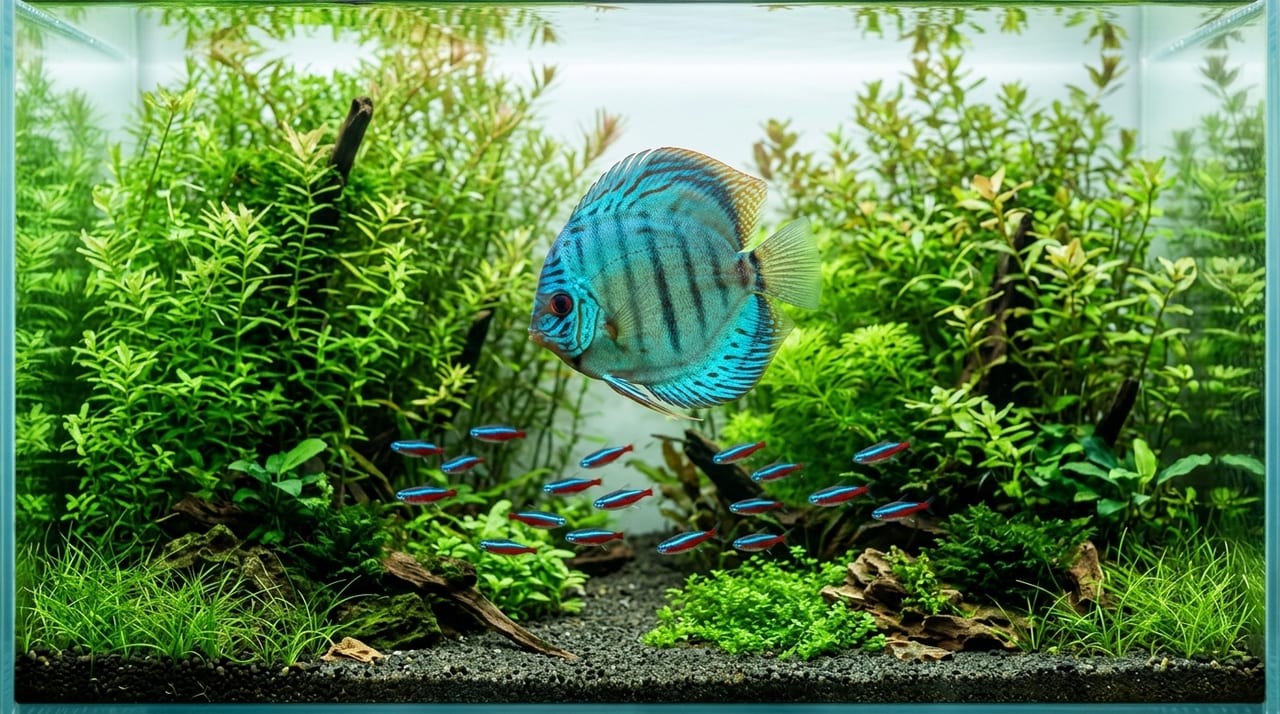
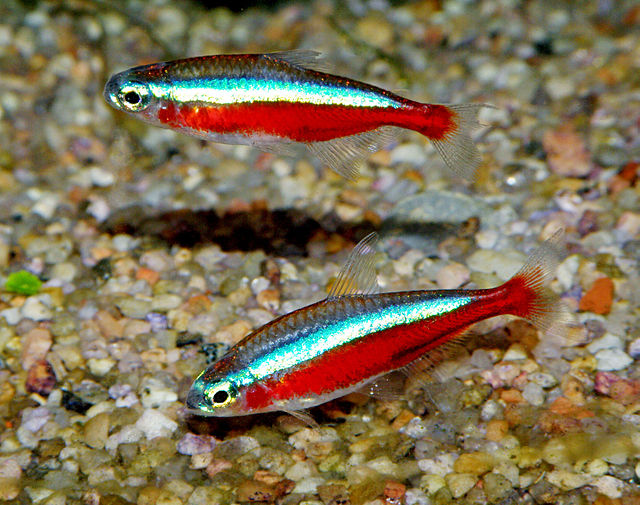
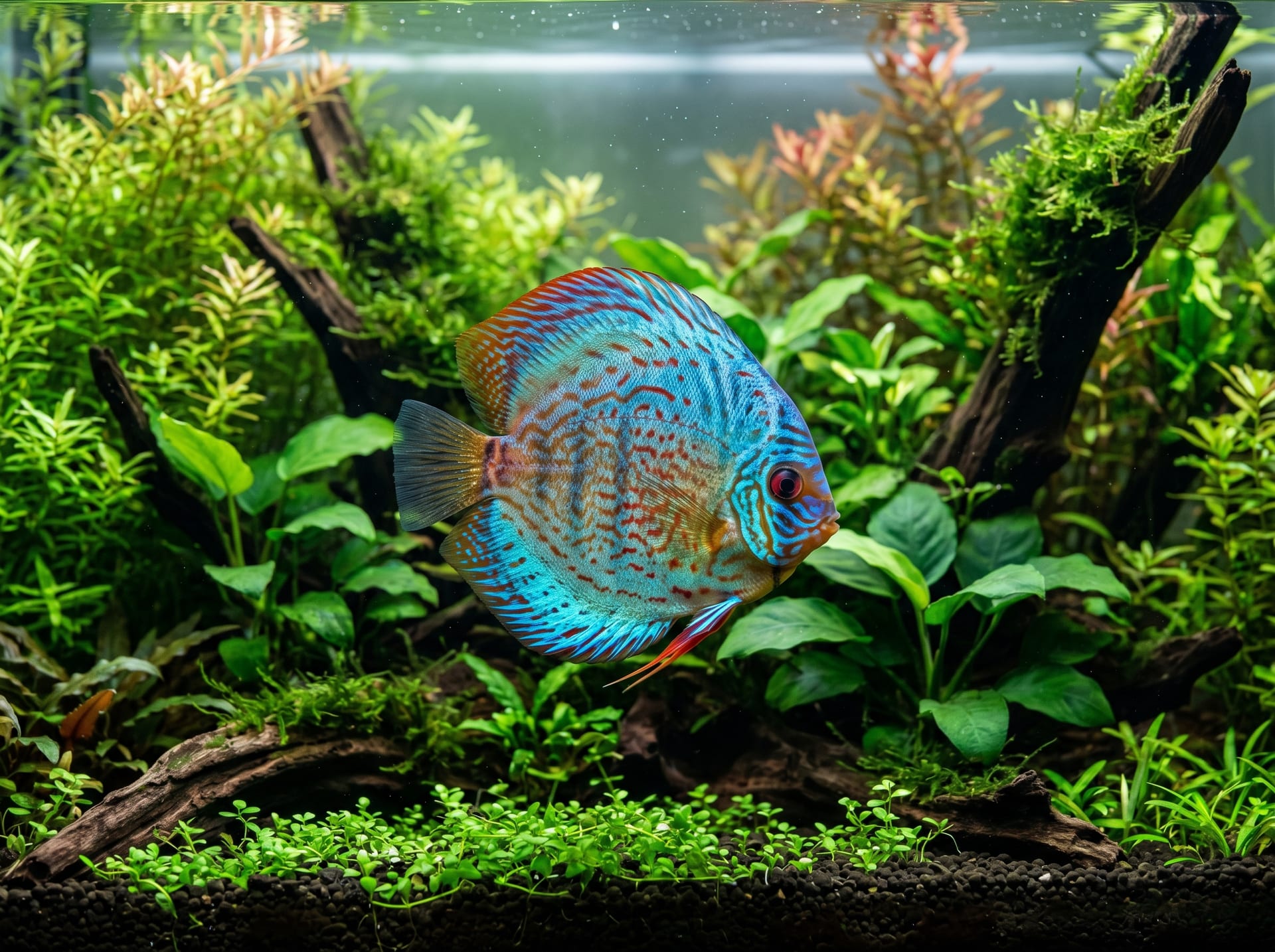
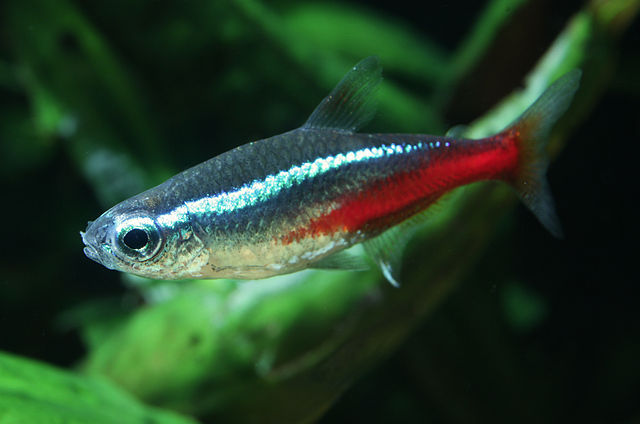
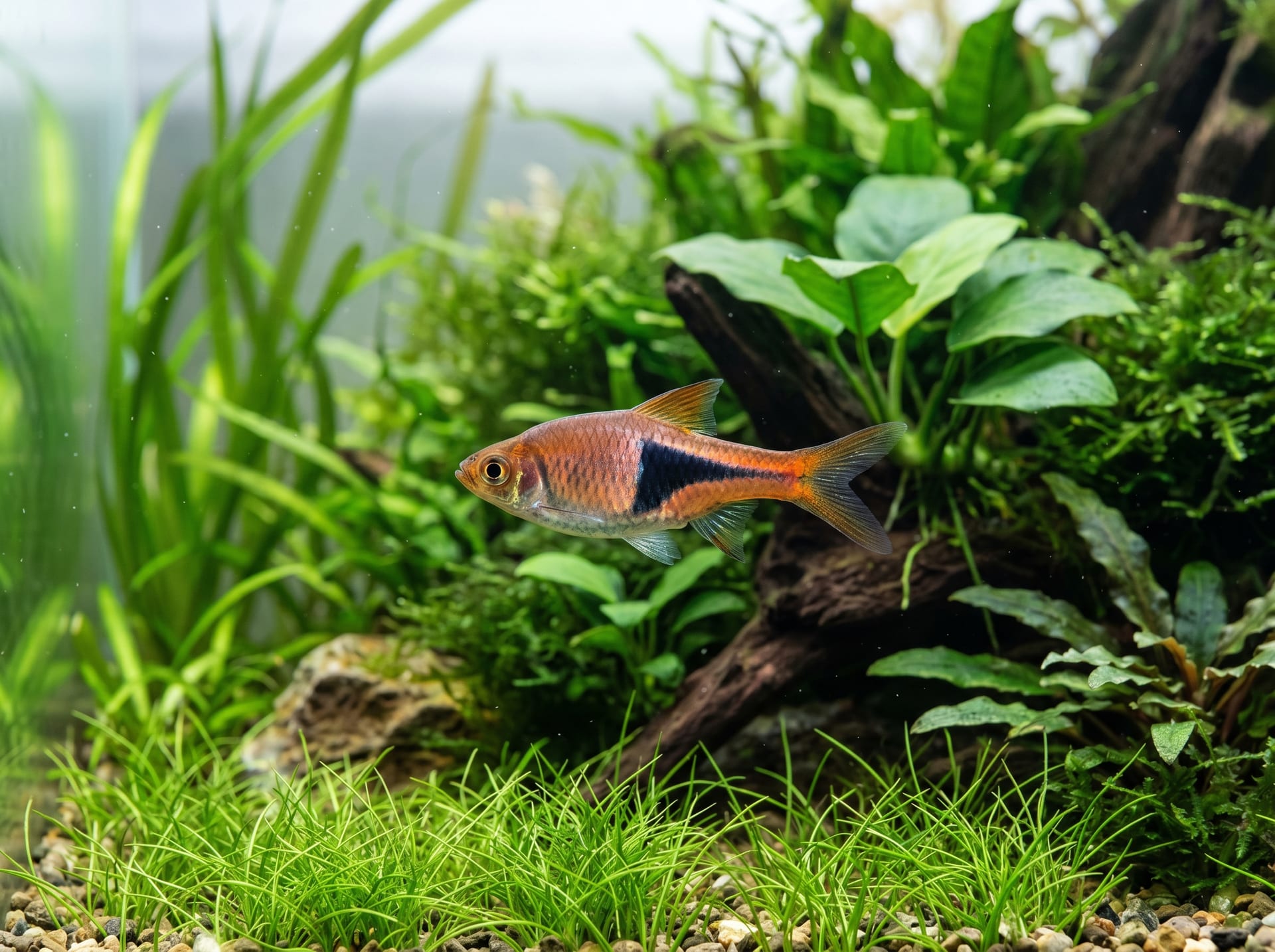
Driftwood is an indispensable aquarium material, dissolving tannins and humic acids into the water to create "blackwater" conditions. This is ideal for fish such as neon tetras, cardinal tetras, rasboras, and discus that prefer slightly acidic conditions, but unsuitable for fish species that favor alkaline water.
- Branch Wood (branched driftwood): With thin branches spreading in multiple directions, it is ideal for delicate, natural layouts with plants wrapped around it. Its light weight and high buoyancy require anchoring to the substrate with weights or fishing line.
- Dutch Wood (root driftwood): The thick root section exerts a commanding presence and becomes a focal point at the center of the tank. It easily complements stone arrangements and is particularly effective in mountain stream-style layouts.
- Sumatra Wood: An affordable, easy-to-handle universal type suitable for beginners to use first. Many commercially available products come pre-treated for tannin removal.
Always perform tannin removal on driftwood before use. Soak it in water for one to two weeks or boil it in a pot for thirty to sixty minutes. Repeat until the brown liquid stops leaching as a guideline. Products marked as pre-treated at purchase can skip this process. If you dislike the blackwater caused by driftwood tannins, you can maintain clarity using activated carbon.
Choosing Substrate Materials
Substrate selection must simultaneously consider aquatic plant growth environment, fish living environment, and water management. It is also important to determine whether your fish species dig or burrow in the substrate.
- Soil (nutrient-rich and adsorption types): The standard substrate for planted tanks. Nutrient-rich types (such as ADA Amazonia and Platinum Soil) promote good plant growth with abundant nutrients, but in early tank establishment, ammonia and excess nutrients often cause algae blooms, requiring daily to several-day water changes. Adsorption types (such as Master Soil) prioritize water stability with less algae formation in exchange for requiring nutrient supplementation. Replacement is typically needed every one to two years. It is unsuitable for fish requiring mud substrates such as corydoras.
- Aragonite Sand: A long-established standard material. While its sand and gravel composition is not ideal for plant growth, it is highly durable and reusable after rinsing. It is compatible with a wide range of fish including cichlids, goldfish, and corydoras. Newly purchased substrate easily raises pH due to shell fragments; acid treatment with hydrochloric acid or prolonged water circulation helps control pH elevation.
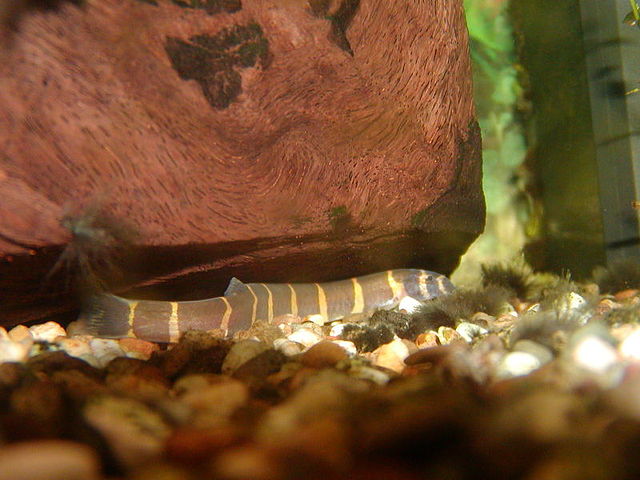
- Bottom Sand / Laterite: Fine-grained sand with a particle size of approximately 0.2 to 0.5 mm, essential for bottom-dwelling fish such as corydoras, kuhli loaches, and weatherfish. Its fine particles reduce whisker damage and allow observation of burrowing behavior. Aquatic plants barely grow in this substrate.
- Pumice Stone / Zeolite: These are sometimes used in combination with undergravel filters. While useful in assisting water purification, they lack the growth-supporting power of soil.
Basic Composition Principles: Triangular, Convex, and Concave Arrangements and Material Placement Rules
Beautiful layouts follow three basic composition types. Deciding on the framework first, then placing materials, keeps the direction consistent.
- Triangular composition: The simplest composition, creating height from one wall diagonally. Concentrating rocks and driftwood on the high side and creating open space on the low side produces depth. It is the easiest for beginners and suits small tanks (45 cm or smaller).
- Convex (mountain) composition: A weighty composition with the center elevated and both ends lowered. Creating height differences between background, midground, and foreground plants increases three-dimensionality. Positioning driftwood at the mountain center with stones on either side is the standard pattern.
- Concave (valley) composition: With both ends elevated and the center open, depth and space are created. Placing sand or small stones in the center and creating open swimming space increases the nature-style aquascape effect. This composition is particularly striking in large tanks of 90 cm or larger.
When combining materials, keep three basic rules in mind: "coordinate with the same color palette," "vary rock sizes with small, medium, and large pieces," and "place stones in odd numbers for a natural appearance." Additionally, placing the largest stone first to establish the overall composition, then balancing with remaining materials, is a fail-safe approach.
Common Mistakes When Selecting Materials and How to Avoid Them
Understanding frequent beginner mistakes dramatically improves the final result.
- Failing to check water chemistry impacts: Using limestone rocks in a tetra tank that raises pH, causing fish stress, is extremely common. An effective preliminary check is soaking a small sample of stone in water for several days to measure pH.
- Neglecting driftwood anchoring: Driftwood that sinks when dry may float as it absorbs water. Pre-soak the wood thoroughly and, if it still floats, secure it with stainless steel screws or dedicated weights.
- Overstuffing materials: The misconception that more materials create a more luxurious appearance leads some to completely fill the tank with rocks and driftwood. Leaving space for fish swimming, water circulation, and maintenance access is key to balancing beauty with functionality.
By accumulating knowledge of material selection, placement, and maintenance, your layout skills will steadily improve. The most reliable approach is starting with "simple triangular composition + one rock type + one driftwood piece," then gradually advancing to more complex arrangements as you gain experience.