Bare Tank Care Guide for Tropical Fish | Benefits of Substrate-Free Tanks, Management Methods, and Suitable Fish Species
A detailed explanation of the characteristics, benefits, and drawbacks of bare tank (bare bottom) aquarium keeping without substrate. Bare tanks excel in easy water quality management and early disease detection, and are particularly effective for large fish, treating sick fish, and breeding tanks.
Key Takeaways
A detailed explanation of the characteristics, benefits, and drawbacks of bare tank (bare bottom) aquarium keeping without substrate. Bare tanks excel in easy water quality management and early disease detection, and are particularly effective for large fish, treating sick fish, and breeding tanks.
In aquariums, it is common to decorate the bottom with beautiful soil or gravel; however, a simple care method called a "bare tank" that does not use substrate is also utilized by many aquarists. In this article, we will provide a detailed explanation of bare tank keeping, from its benefits and drawbacks to management methods and suitable fish species.
✍️
BreederDirect Editorial
The BreederDirect editorial team specializes in care information for animals, covering veterinary care and breeding to deliver beginner-friendly guides.
Find Tropical Fish on BreederDirect
Buy directly from verified breeders
Browse Related Listings
Find Tropical Fish listings related to this article on BreederDirect. Buy directly from verified breeders.
Related Tools
Related Articles
Browse by Category
🪸Coral
🐠Marine Fish
🐟Tropical Fish
🐡Goldfish
🐟Medaka
🦎Reptiles
Share
What is a Bare Tank?
A bare tank (Bare Tank / bare bottom) is a care method in which no substrate materials such as soil, gravel, or sand are placed on the bottom of the aquarium, leaving the glass bottom exposed. The English word "bare" means "exposed" or "plain," representing a simple state with unnecessary elements removed.
While it may appear sparse at first glance, for certain purposes and fish species, it allows for superior management compared to traditional tanks with substrate. It has a long track record of use in breeding tanks and treatment tanks by professional breeders and specialty tropical fish shops, and is widely adopted today as a practical option.
Main Benefits of Bare Tanks
The reasons bare tanks are chosen are primarily summarized in the following points.
Water quality management becomes significantly easier
Without substrate, fish waste and uneaten food fall directly to the glass bottom, making it easier to visually confirm and quickly remove them with a pipette or substrate cleaner head. The greatest advantage is that dirt accumulation is unlikely and a harmful "anaerobic layer" where organic matter decomposes is less likely to form. Water quality becomes more stable and it becomes easier to prevent sharp spikes in ammonia and nitrite.
Helps in early detection of illness and parasites
Parasites such as ich, when they leave the fish's body, attach to substrate and form cysts where they multiply. In a bare tank, bottom debris is easy to remove completely, and fish condition is also easier to observe, making early detection and treatment of abnormalities easier. This is one of the main reasons bare tanks are chosen as dedicated treatment tanks for sick fish.
Ideal for managing large and carnivorous fish
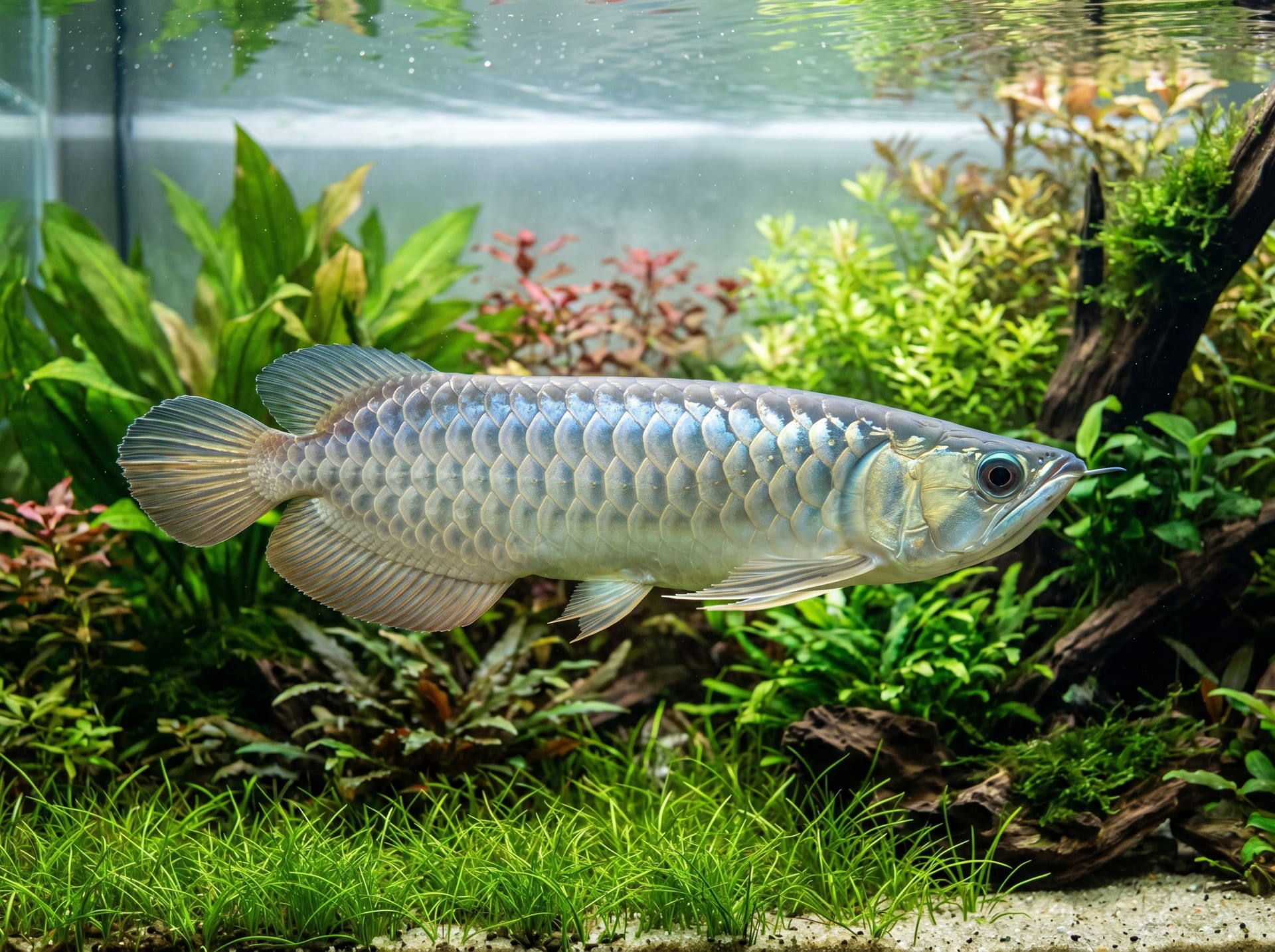
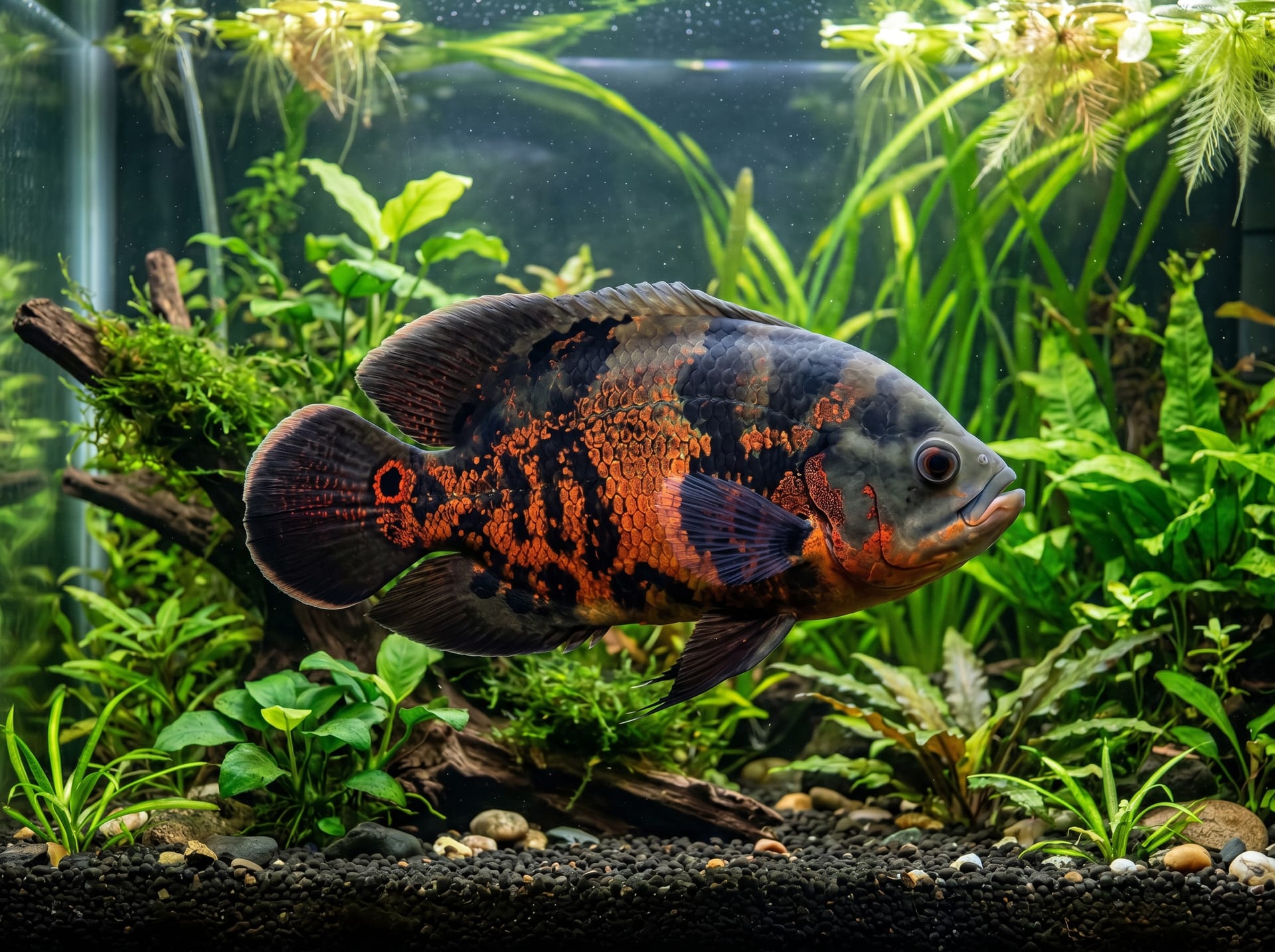
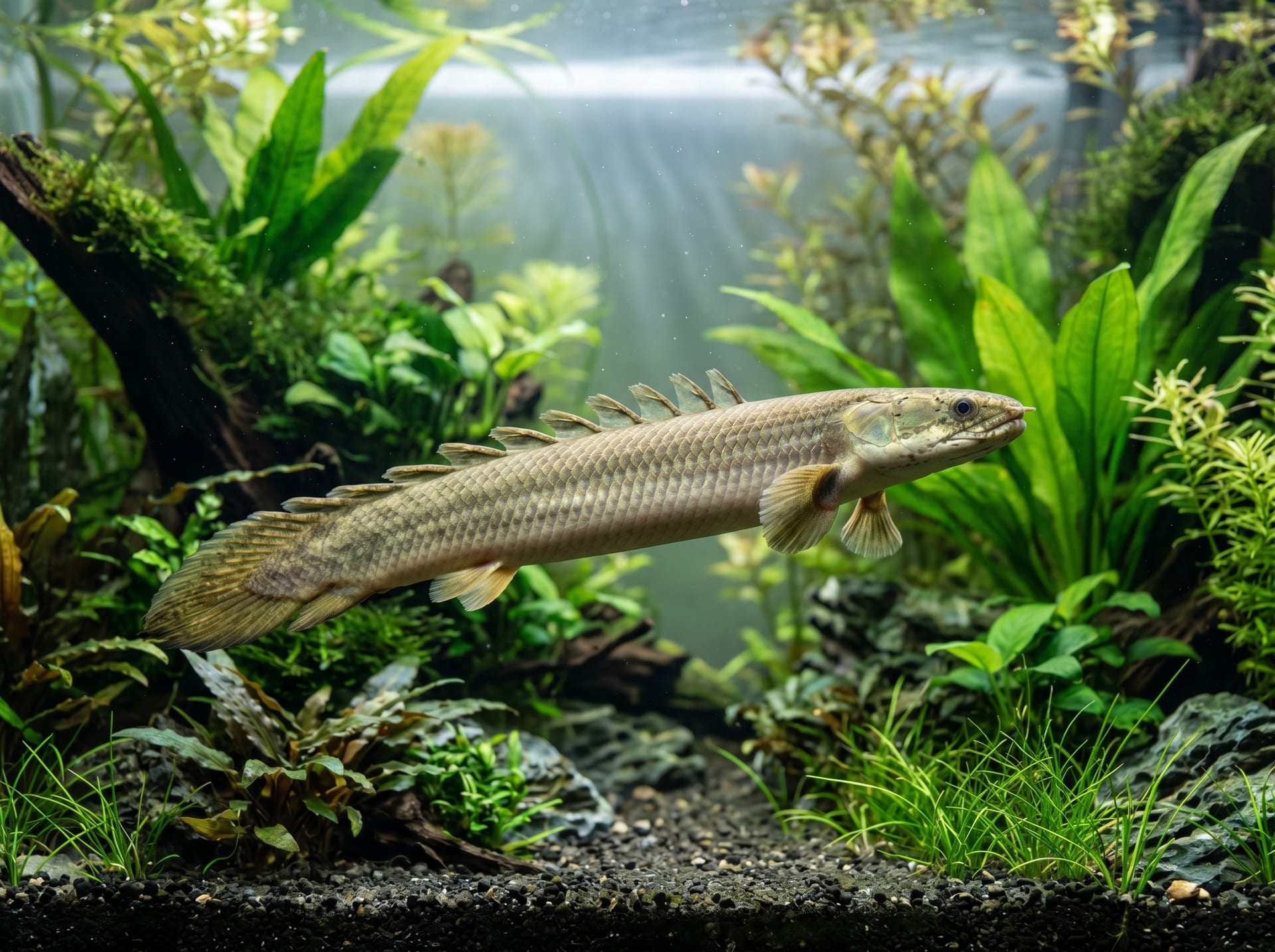
Large carnivorous fish such as arowanas, polypteruses, and oscars produce more uneaten food and waste, and with substrate, contamination progresses more easily. In a bare tank, bottom cleaning is simple, making it easier to maintain good water quality, and is widely adopted by large fish breeders and specialty shops.
Ideal for breeding and fry rearing
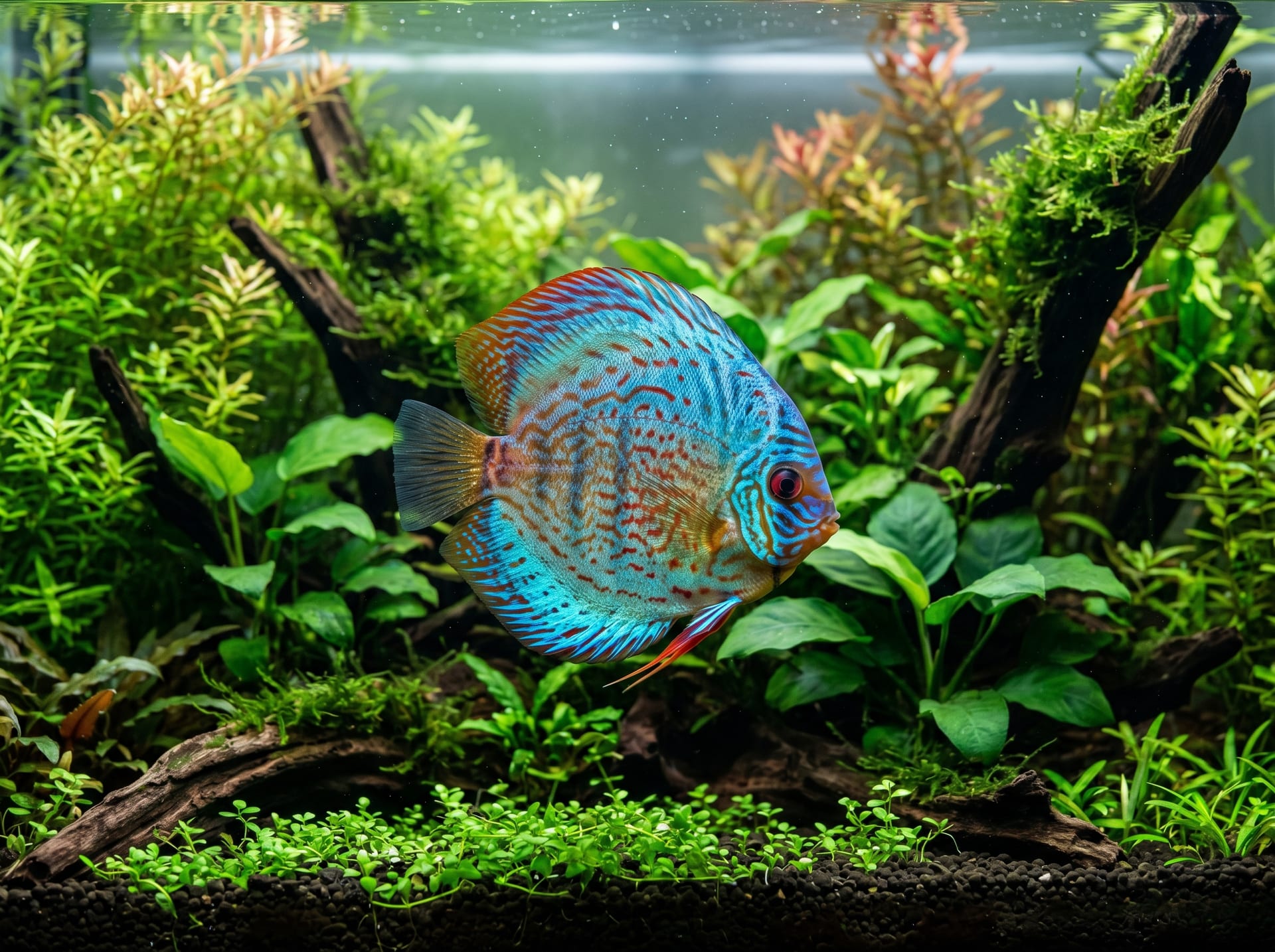
During spawning and fry rearing, there is a risk that fry will hide in fine substrate and become invisible, or that substrate clogging may cause oxygen deficiency. In a bare tank, fry condition can always be monitored, and water changes are also easy. It is widely used as a breeding tank for discus and cichlid species.
Disadvantages and Solutions
Bare tanks also have several considerations. Let's understand each along with its solution.
Disadvantage
Solution
Appearance is too simple
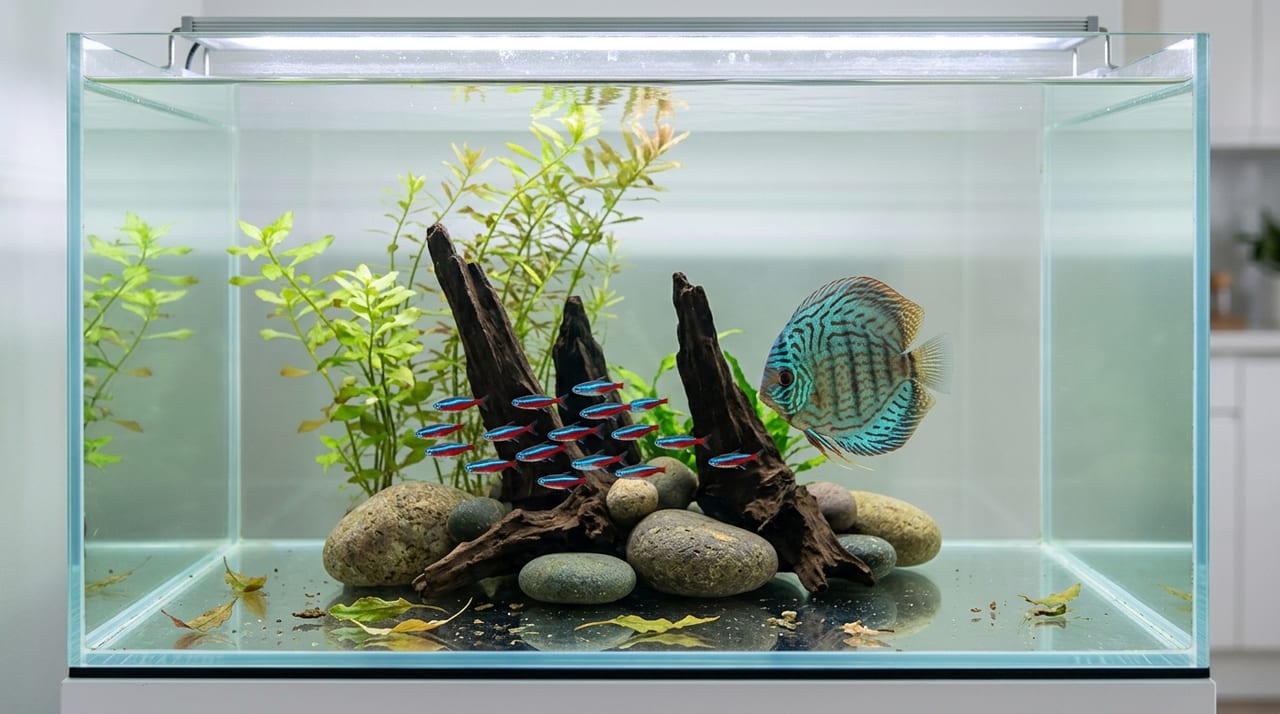
Add visual accents using driftwood, rocks, and background screens
Not suitable for fish that burrow in substrate
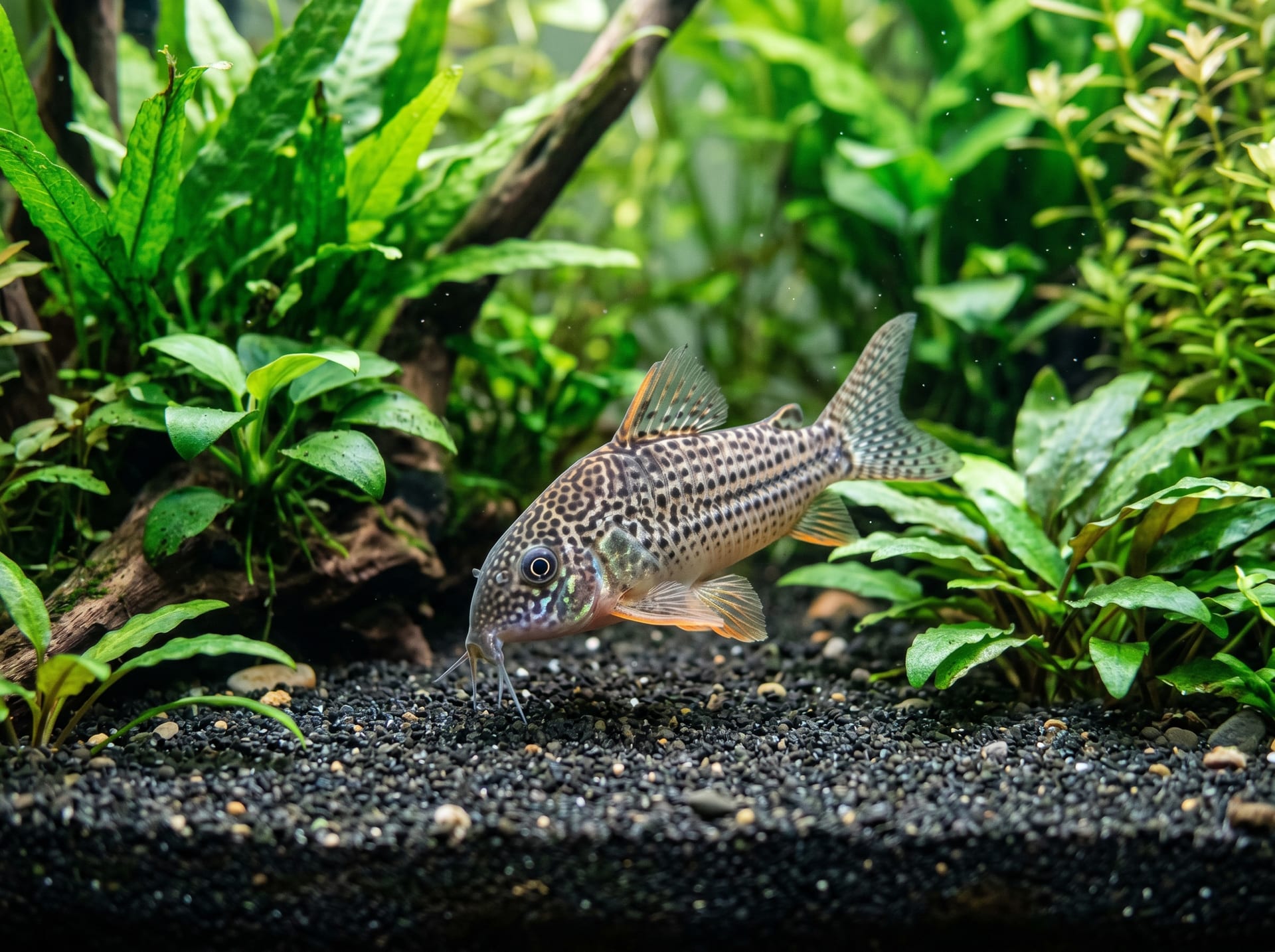
Provide a separate tank with substrate for corydoras and loach species
Reduced bacterial colonization media
Enhance biological filter media in external or top filters
Bottom reflection is bothersome
Place black plastic sheets or aquarium mats on the bottom
Special attention is needed regarding "bacterial reduction." While substrate is an important habitat for nitrifying bacteria, in a bare tank this must be compensated for by biological filter media inside the filter. Selecting filter media with large surface areas, such as ceramic sponges or bio-rings, and ensuring sufficient filter capacity is key to water quality stability.
Suitable Fish Species and Uses
Let's organize the scenarios where bare tanks are particularly effective.
Tanks for rearing large and carnivorous fish: Fish with high waste production such as arowanas, polypteruses, oscars, and snakeheads
Dedicated treatment tanks for illness and medicated bathing: Medications do not adsorb to substrate, allowing for effective medicating
Discus breeding and fry rearing tanks: Condition of parent fish and fry can be constantly monitored
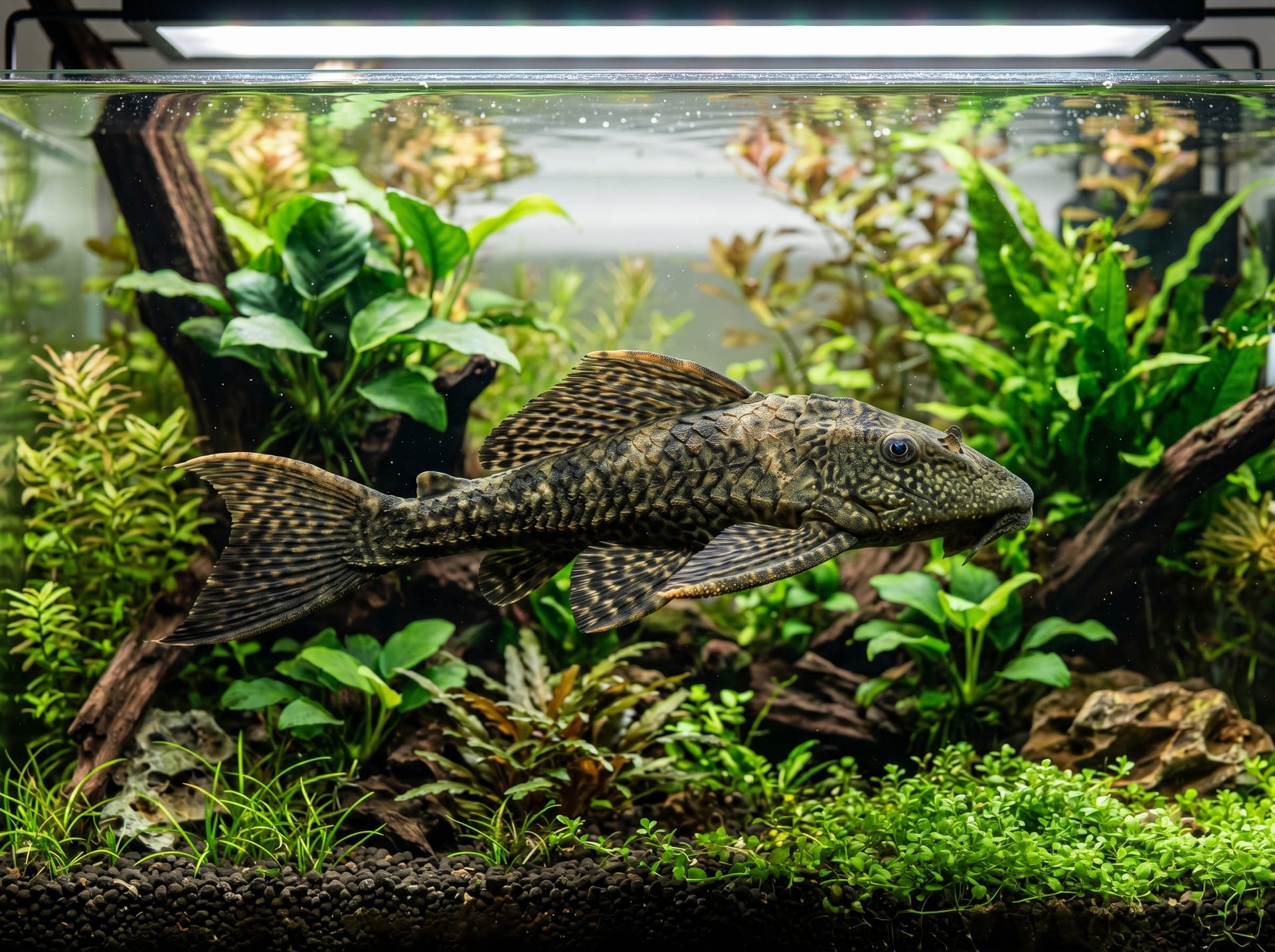
Pleco and catfish breeding setups: Spawning tube placement and cleaning is easy
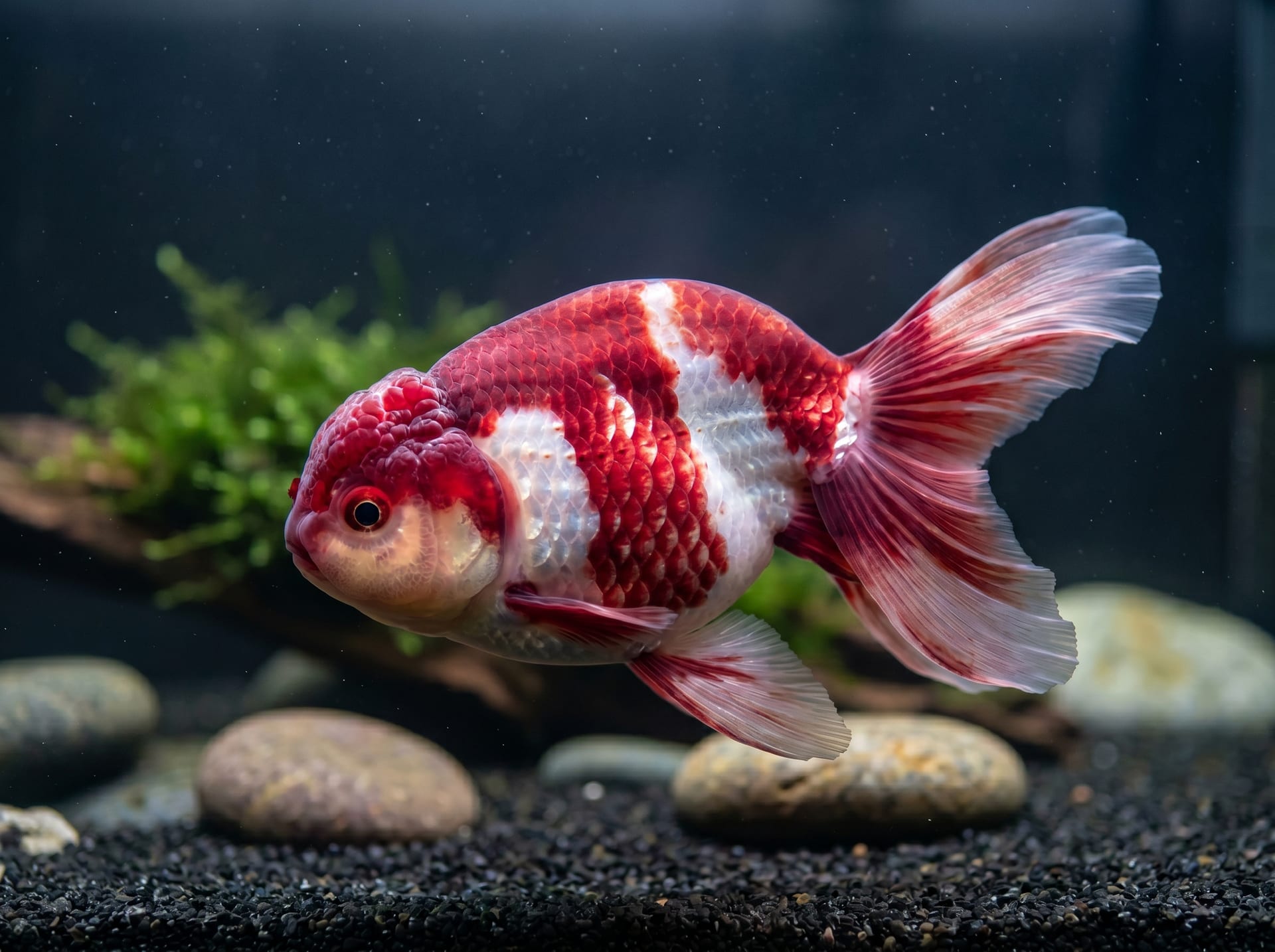
Finish tanks for goldfish and ranchu: Keep the rearing environment simple and focus on body coloration and condition management
On the other hand, for corydoras species, loach species, and character fish with burrowing habits, tanks using substrate are more appropriate. Prioritize creating an environment that brings out the fish's natural behavior.
Basic Management Methods
In bare tank keeping, regular maintenance habits are important. Please refer to the following steps.
Daily bottom inspection: Use a long pipette to remove feces and uneaten food. Since there is no substrate, the task is completed in just a few minutes.
Water changes 1-2 times per week: Change water as a guideline of 20-30% of total tank volume. When changing water, gently wipe the glass bottom with a magnetic cleaner or soft sponge to keep it clean.
Filter maintenance: About once a month, gently rinse the filter media inside the filter with tank water. Be careful not to wash with tap water as it will kill bacteria.
Bottom reflection countermeasure: When setting up a new tank, laying a black plastic sheet on the bottom from the start can reduce fish stress.
External filters or top filters are especially recommended. They have high biological filtration capacity and can sufficiently compensate for bacterial colonization in the absence of substrate. While power filters are convenient, they should serve only as backup and are recommended for use in combination with a main filter.
Summary
Bare tanks are a particularly excellent choice for large fish, disease treatment, and breeding purposes. Without substrate, water quality management and observation are easier, and if used according to your purpose, it is an easy-to-handle care method even for those with little experience.
If you want to enjoy a beautiful tank layout, a tank with substrate is more suitable, but for those who want to "prioritize fish health" or "seriously pursue breeding," we encourage you to seriously consider introducing a bare tank. Because it is simple, the changes you notice can truly bridge the gap between you and your fish.