Complete Guide to Terrarium & Cage Lighting | How to Choose UV, LED, and Fluorescent Lights
A thorough explanation of how to choose lighting for reptiles, amphibians, and plants. The differences between UVB lights, basking lamps, LED, and fluorescent lights, plus installation methods and recommended exposure times.
Key Takeaways
A thorough explanation of how to choose lighting for reptiles, amphibians, and plants. The differences between UVB lights, basking lamps, LED, and fluorescent lights, plus installation methods and recommended exposure times.
Related Species
Lighting as a "Second Sun"—Why Terrarium Lighting Determines Your Pet's Health
In keeping reptiles and amphibians, lighting is not merely a tool that provides "brightness." In the wild, sunlight handles all of thermoregulation, vitamin synthesis, and circadian rhythm regulation. In an enclosure, you must replicate these functions artificially. Incorrect lighting choices can lead to serious problems such as metabolic bone disease, appetite loss, compromised immunity, and breeding failure. Conversely, proper lighting conditions allow animals to regain their natural vigor and vibrant coloration while maintaining long-term health.
This article explains the roles and selection methods for UVB lights, basking lamps, LED, and fluorescent lights, provides species-specific setup guidelines, and covers exposure time management—in language accessible even to first-time reptile keepers.
Understanding the Types of Lighting and Their Roles
Terrarium lighting broadly falls into four categories. Each serves a distinct function, and the necessary combination changes depending on the species you keep.
UVB Light
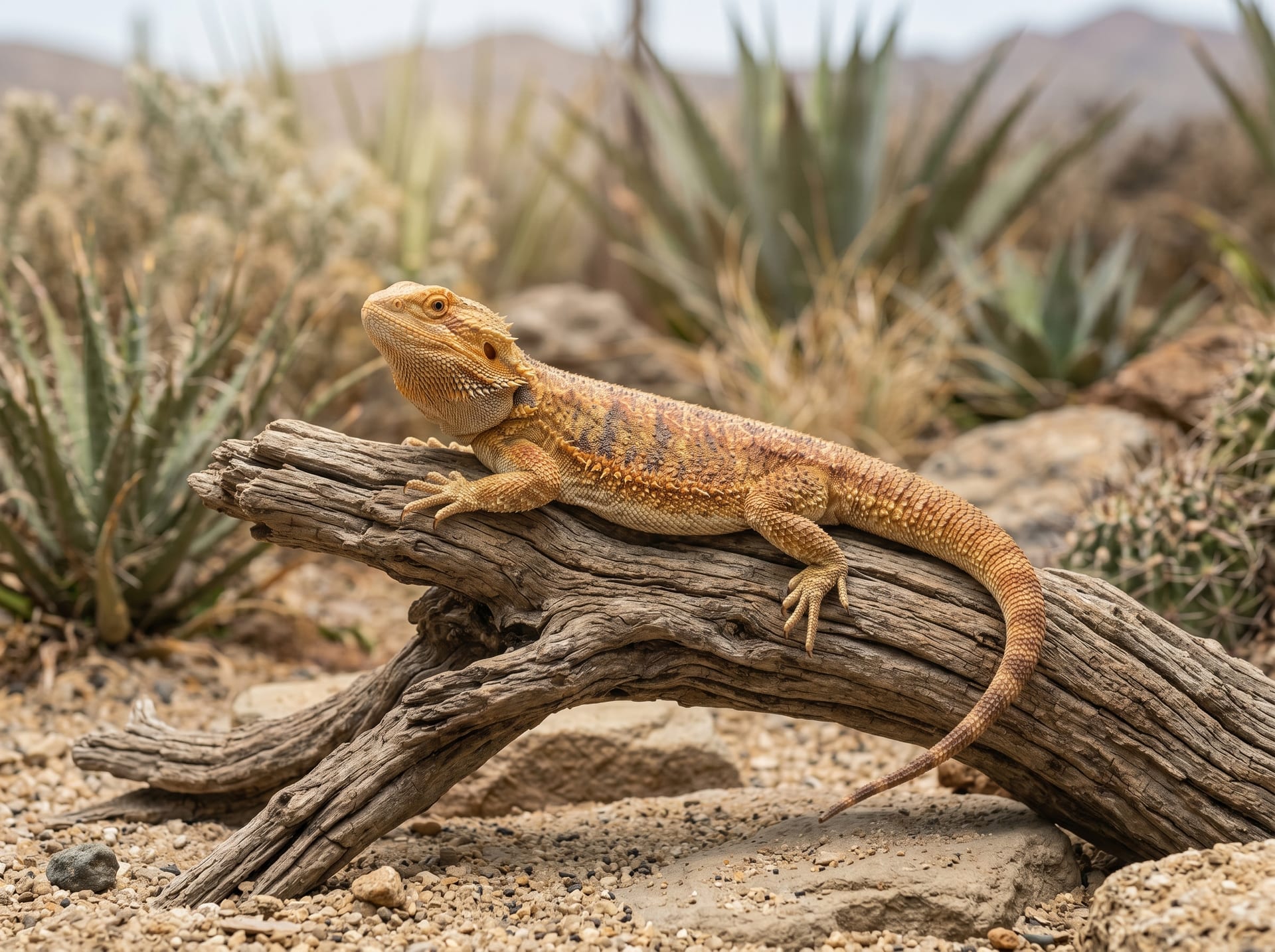
UVB (wavelength 280–315 nm) is ultraviolet radiation that triggers vitamin D3 synthesis in the skin. Vitamin D3 promotes intestinal calcium absorption; a deficiency prevents calcium from depositing in bone, leading to metabolic bone disease with limb deformities and fractures. Essential for diurnal reptiles such as bearded dragons, tortoises, and chameleons.
UVA Light
UVA (wavelength 315–400 nm) acts directly on reptile vision. Many reptiles possess tetrachromatic (four-color) vision and can perceive UVA. Studies show that UVA improves activity levels, appetite, and color vibrancy. Since most UVB lamps also emit UVA simultaneously, separate UVA provision is unnecessary if UVB lighting is in use.
Basking Lamp (Hot Spot Lamp)
Reptiles are ectothermic and depend on external heat sources to regulate body temperature, which enables digestion, immune function, and activity. Basking lamps create a localized hot zone in one area of the enclosure, establishing a "temperature gradient" that allows animals to thermoregulate voluntarily. Incandescent bulbs, halogen lamps, and ceramic heaters are commonly used.
LED & Fluorescent Light (Display & Growth)
Standard LEDs and fluorescent lights that do not emit UVB serve day-night cycle management, display purposes, and plant cultivation within terrariums. Due to low power consumption and minimal cage temperature impact, they suit nocturnal species enclosures and plant-focused vivariums.
Choosing UVB Lights by Species
UVB lights display intensity as output (%) or UVI value. Selecting strength matched to the species' natural habitat is critical.
Diurnal Species from Deserts & Arid Regions (UVB 10–12%)
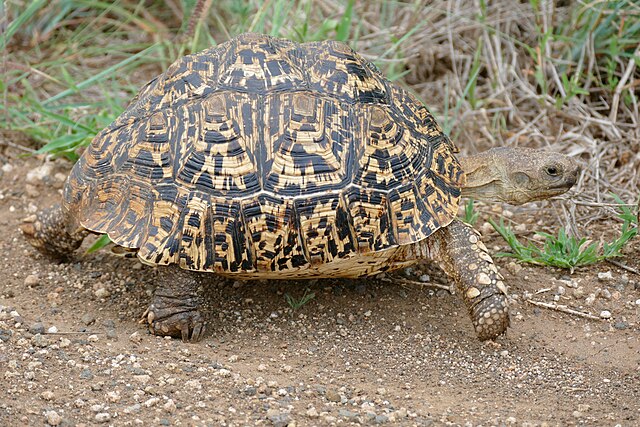
- Bearded dragons, tortoises (Egyptian tortoises, leopard tortoises, etc.)
- Adapted to long periods of intense direct sunlight; high-output UVB is necessary
- Recommend T5 HO fluorescent UVB 10–12% tubes (e.g., ReptiSun 10.0)
- Lamp-to-animal distance should be 25–30 cm or less
Diurnal Species from Forests & Humid Regions (UVB 5–6%)
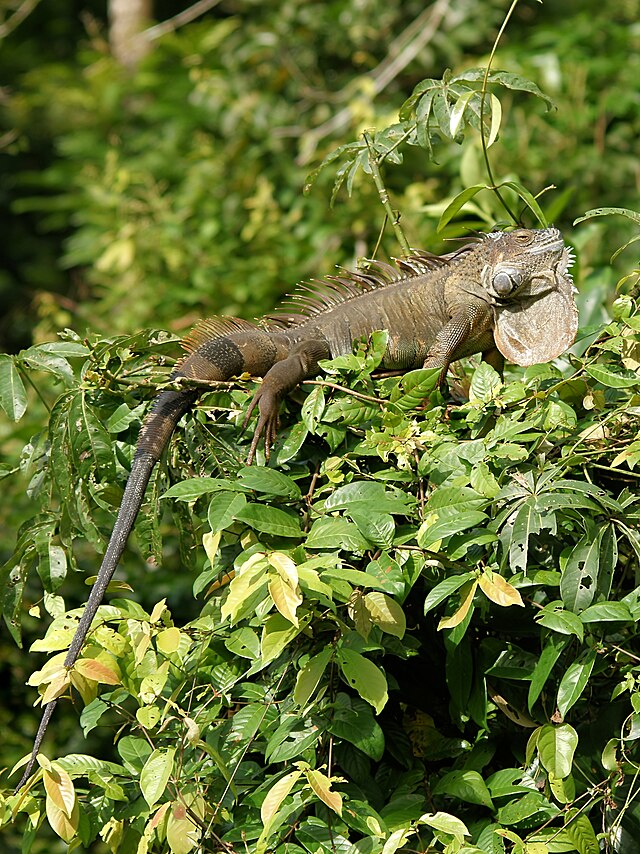
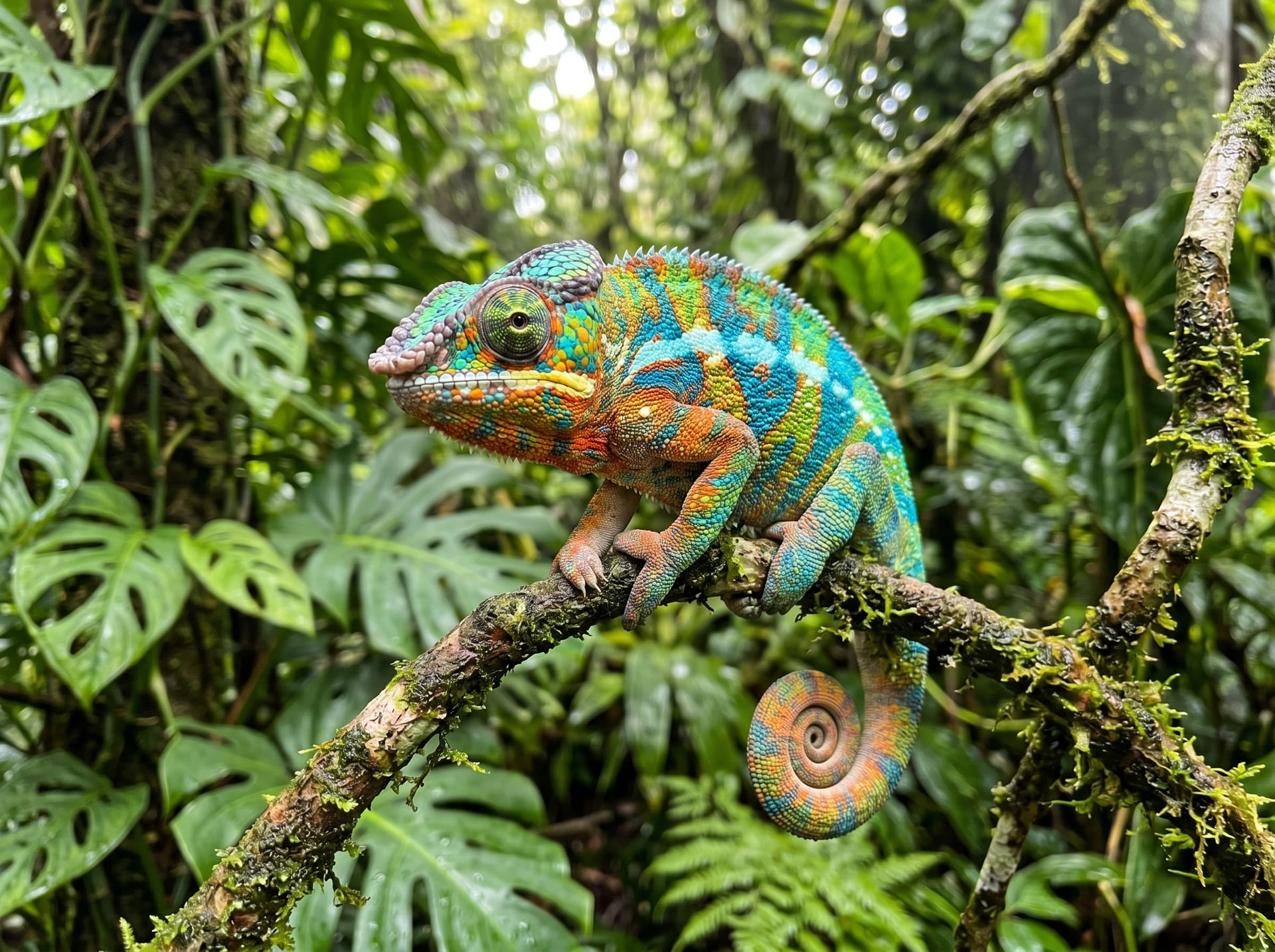
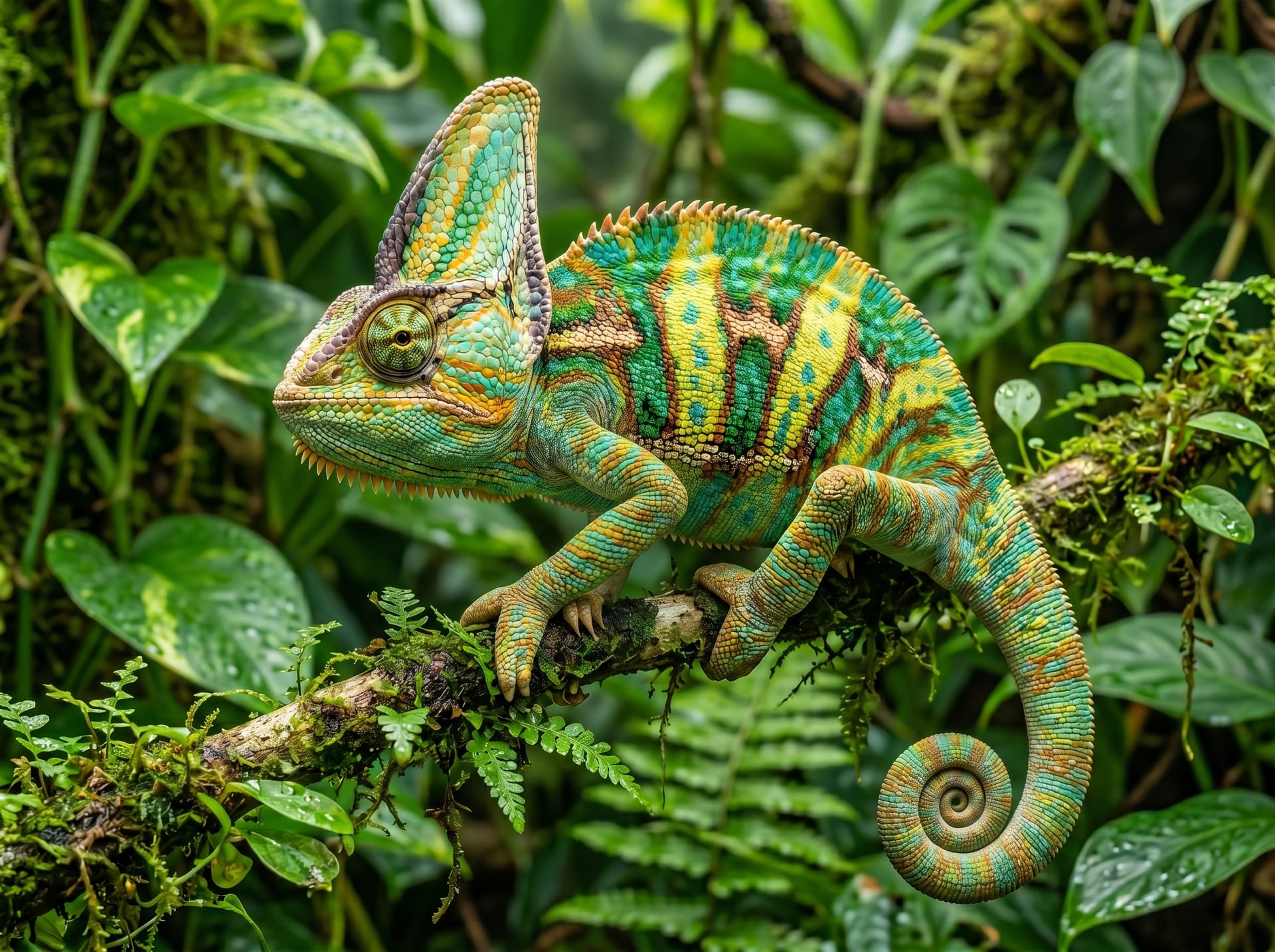
- Chameleons (veiled chameleons, panther chameleons, etc.), green iguanas
- Often shelter under tree shade; medium output is sufficient
- Use T5 or T8 UVB 5–6% with lamp-to-animal distance of 30–40 cm
Crepuscular & Nocturnal Species (UVB 2–5%, optional)
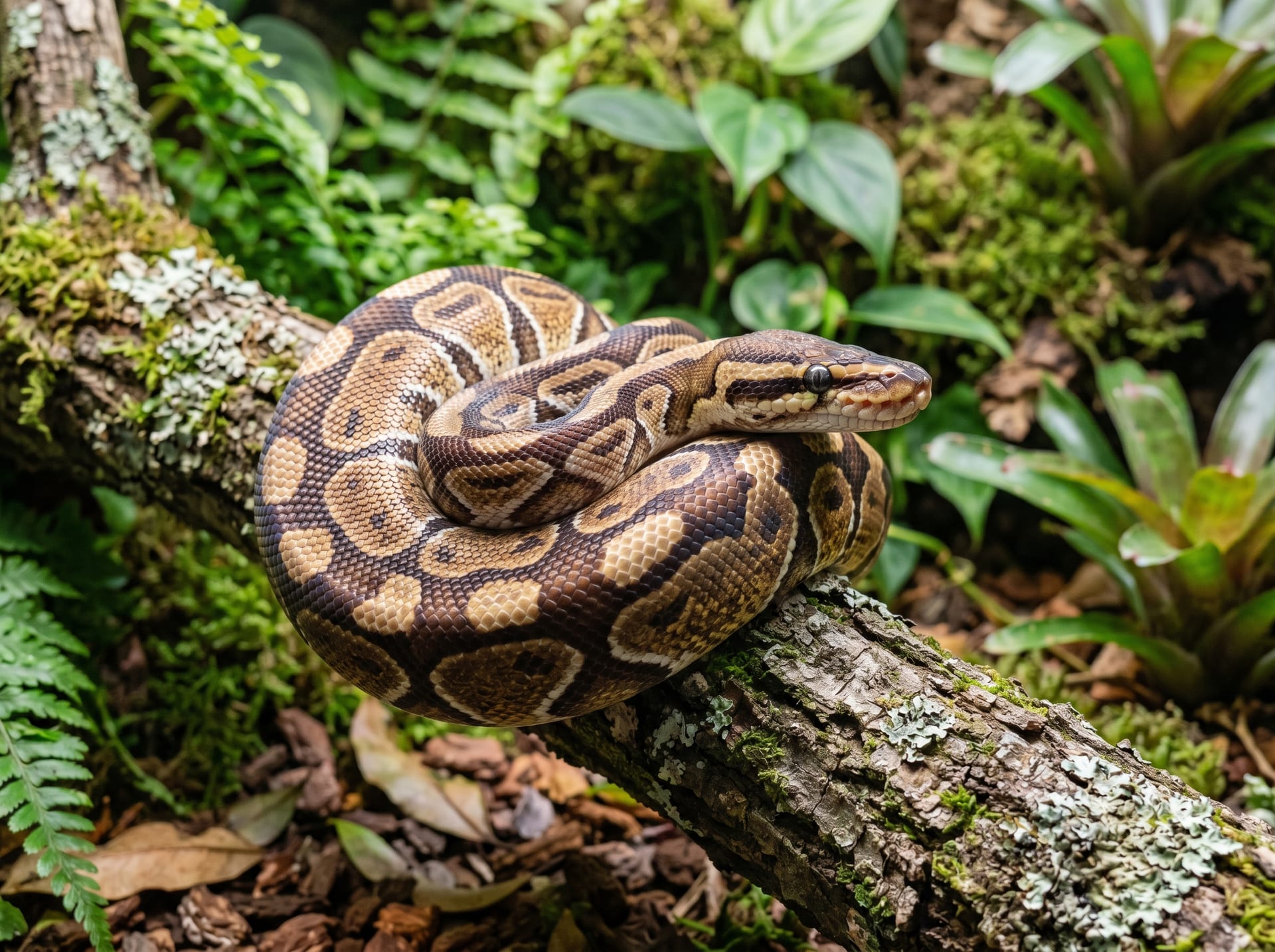
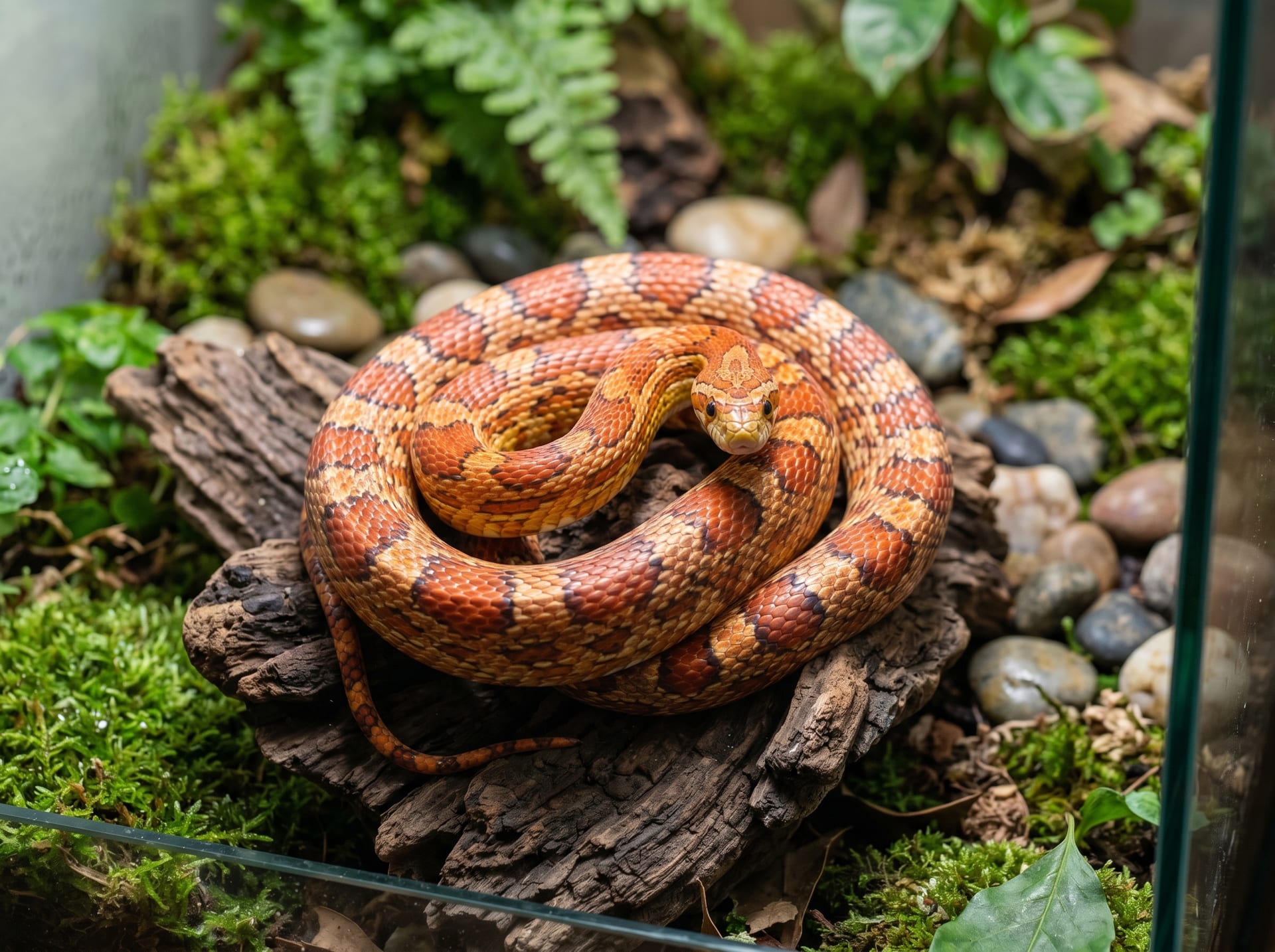
- Leopard geckos, corn snakes, ball pythons
- Not essential, but low-output UVB has been shown to increase activity and appetite
- If provided, use UVB 2–5% with shorter exposure times
Common Precautions
- UVB output is significantly reduced (30–50%) when shining through mesh enclosure lids. Install directly inside the enclosure if possible, or increase output one tier if mesh openings are small
- UVB light cannot penetrate glass or plastic; direct exposure is necessary
- Within 6–12 months of first use, UVB output gradually declines imperceptibly. Despite appearing bright, effectiveness diminishes; replace regularly
Setting Basking Zone Temperatures and Creating Thermal Gradients
To maintain reptile health, an enclosure must provide both a "warm zone (basking spot)" and a "cool zone (cool side)." This is called a thermal gradient. Animals actively move between zones to regulate body temperature; without both zones, thermoregulation fails, causing immune suppression and digestive problems.
| Species | Basking Spot | Cool Side |
|---|---|---|
| Bearded Dragon | 38–42°C | 24–28°C |
| Tortoises (Arid) | 32–35°C | 22–26°C |
| Chameleon | 30–33°C | 22–26°C |
| Leopard Gecko | Under-tank heater 28–32°C | 22–24°C |
| Corn Snake | 28–30°C | 22–25°C |
Basking lamp intensity is adjusted by wattage and distance. Best practice is to place multiple thermometers monitoring both basking and cool zones continuously. Pairing a smart plug with thermostat functionality allows automatic power control, preventing dangerous temperature spikes.
Managing Exposure Time & Smart Timer Strategies
In nature, day length varies seasonally; in captive settings, maintaining a consistent artificial cycle is fundamental to stable husbandry.
- Diurnal reptiles: 10–14 hours on (baseline 12 hours in summer orientation; adjust seasonally for natural variation)
- Nocturnal reptiles: 8–10 hours on (or use infrared/red light for nighttime observation)
- Terrarium plants: 8–12 hours (varies by plant species)
Digital timer outlets (smart plugs) are convenient for managing exposure. They eliminate daily manual switching and allow smartphone control even when away from home. Managing multiple lights on separate timers enables precise schedules—for example, "turn off the basking light first while keeping UVB on slightly longer."
During night hours, white light should be off; if heating is needed, use ceramic heaters or far-infrared heaters, which emit no visible light. This preserves the natural day-night rhythm for your animals.
Summary—Proper Lighting is the Foundation of Long-Term Reptile Care
In reptile and amphibian husbandry, lighting is not something to be vaguely "bright enough." It is a fundamental environmental factor affecting health, behavior, and reproduction. Match UVB intensity to your species' natural habitat, ensure a basking spot and thermal gradient, and use a timer to maintain a stable day-night cycle—these three steps dramatically improve animal condition.
When unsure about lighting, always ask breeders or shops how they lit the animals' original environment. BreederDirect features breeders who openly share detailed husbandry conditions, and you can message them directly before purchase to ask about care methods. For first-time reptile keepers, the confidence of receiving accurate husbandry information alongside your new pet from a trusted breeder becomes a powerful foundation for long-term success.