【Spring 2026】Bird Breeding Season | The Perfect Time to Welcome Chicks
Spring is bird breeding season. We explain budgerigar, cockatiel, and Java sparrow chick information, ideal ages for hand-rearing, hand-feeding methods, and the benefits of welcoming birds from breeders.
Key Takeaways
Spring is bird breeding season. We explain budgerigar, cockatiel, and Java sparrow chick information, ideal ages for hand-rearing, hand-feeding methods, and the benefits of welcoming birds from breeders.
Related Species
Spring is the Perfect Season to Welcome Birds
Most birds enter their breeding season from spring through early summer. From March to June, chicks are born one after another at breeders, and this is the peak period for hand-fed chicks meant for hand-rearing. For those looking to welcome birds in spring 2026, we've compiled species-specific information and key preparation points.
Why Spring is the Breeding Season
The reason birds breed in spring is based on natural processes.
- Increased daylight hours: Longer days alter hormone balance and activate breeding behavior
- Rising temperatures: Warmer conditions increase chick survival rates
- Abundant food sources: In nature, this coincides with increased insects and plant seeds
- Same in captivity: Captive birds also respond to changes in natural light entering through windows and cycle through breeding
Breeders plan pairings around this cycle and typically sell chicks in spring, making March through May the best time to welcome a bird.
Species-Specific Chick Information
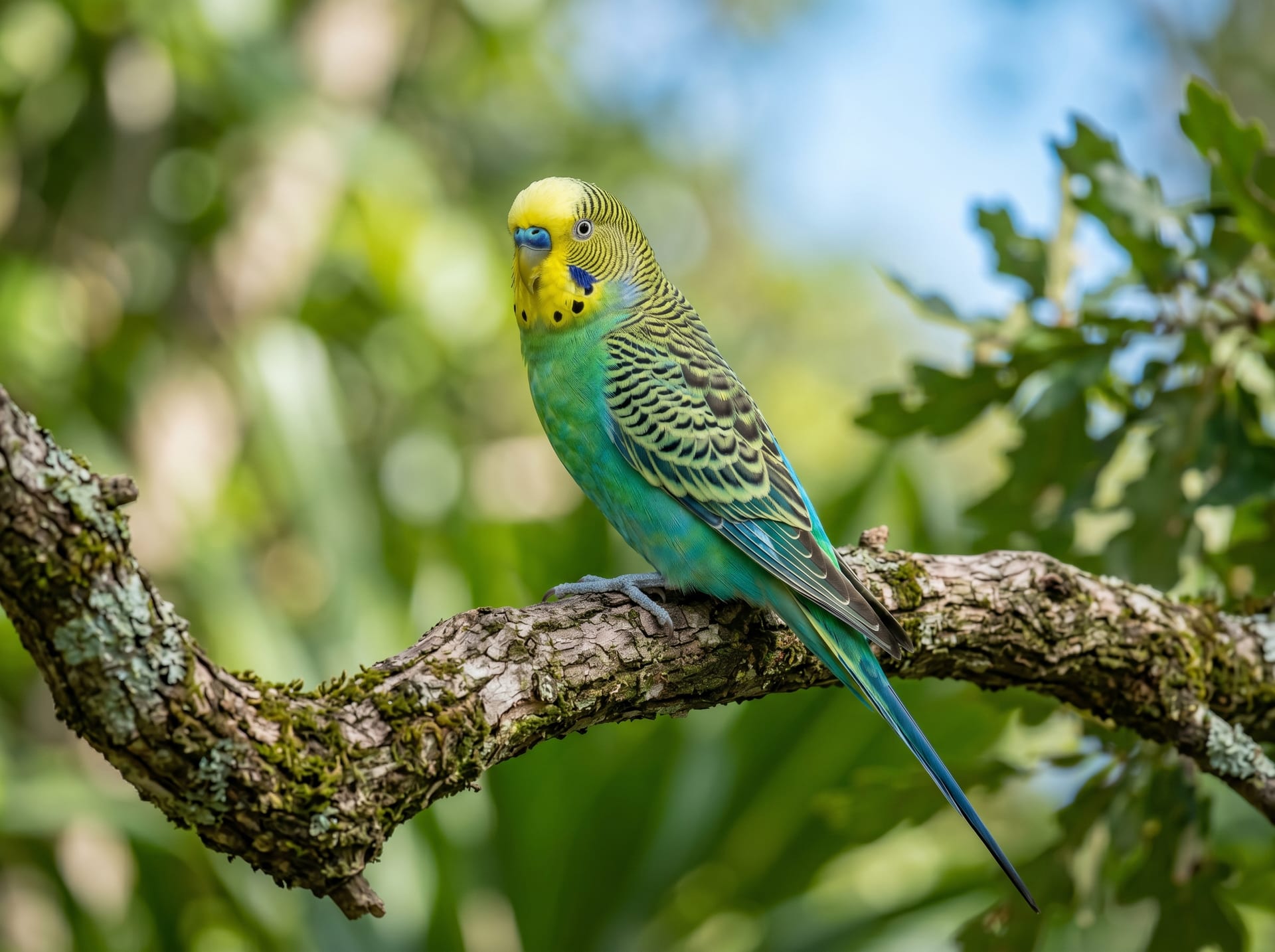
Budgerigar
The most popular companion bird, recommended for beginners.
- Chick prices: Standard colors ¥2,000–¥5,000; rare colors ¥5,000–¥15,000
- Popular colors: Lutino (yellow), Opaline, Spangle, Rainbow
- Hand-feeding period: Start at 2–4 weeks old; transition to self-feeding at 6–8 weeks
- Characteristics: Many are skilled talkers; males tend to learn words more easily
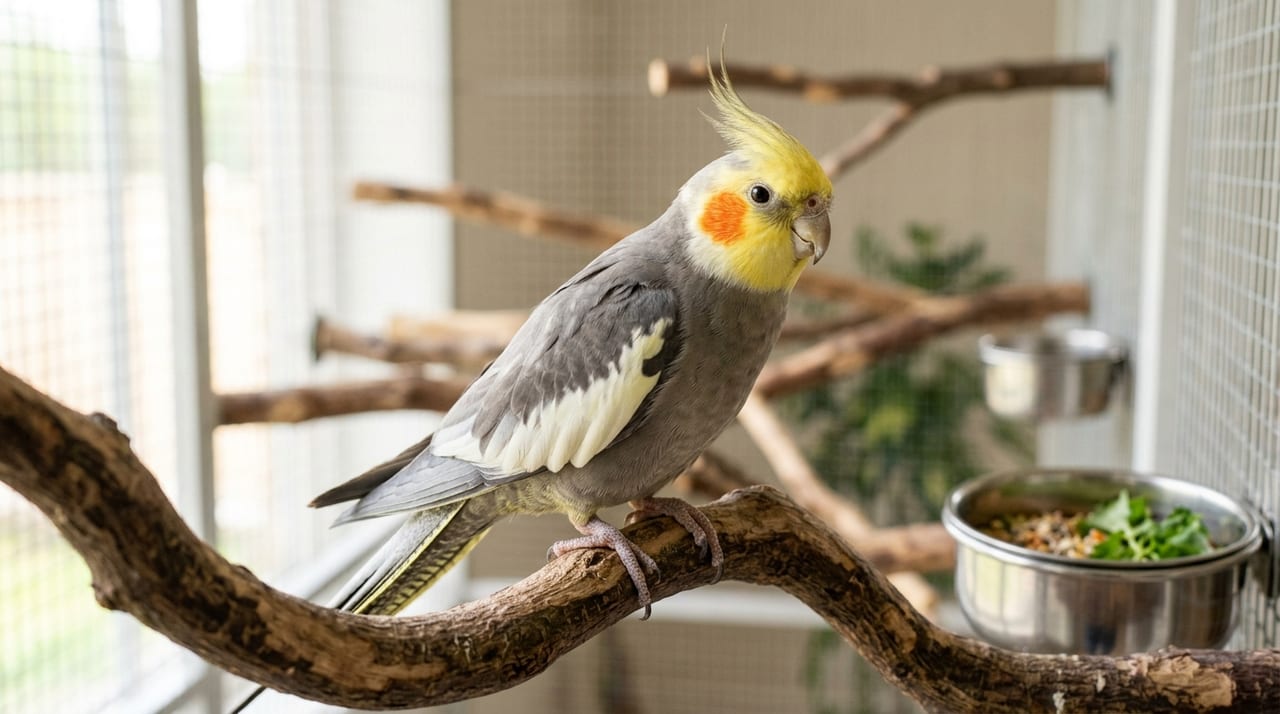
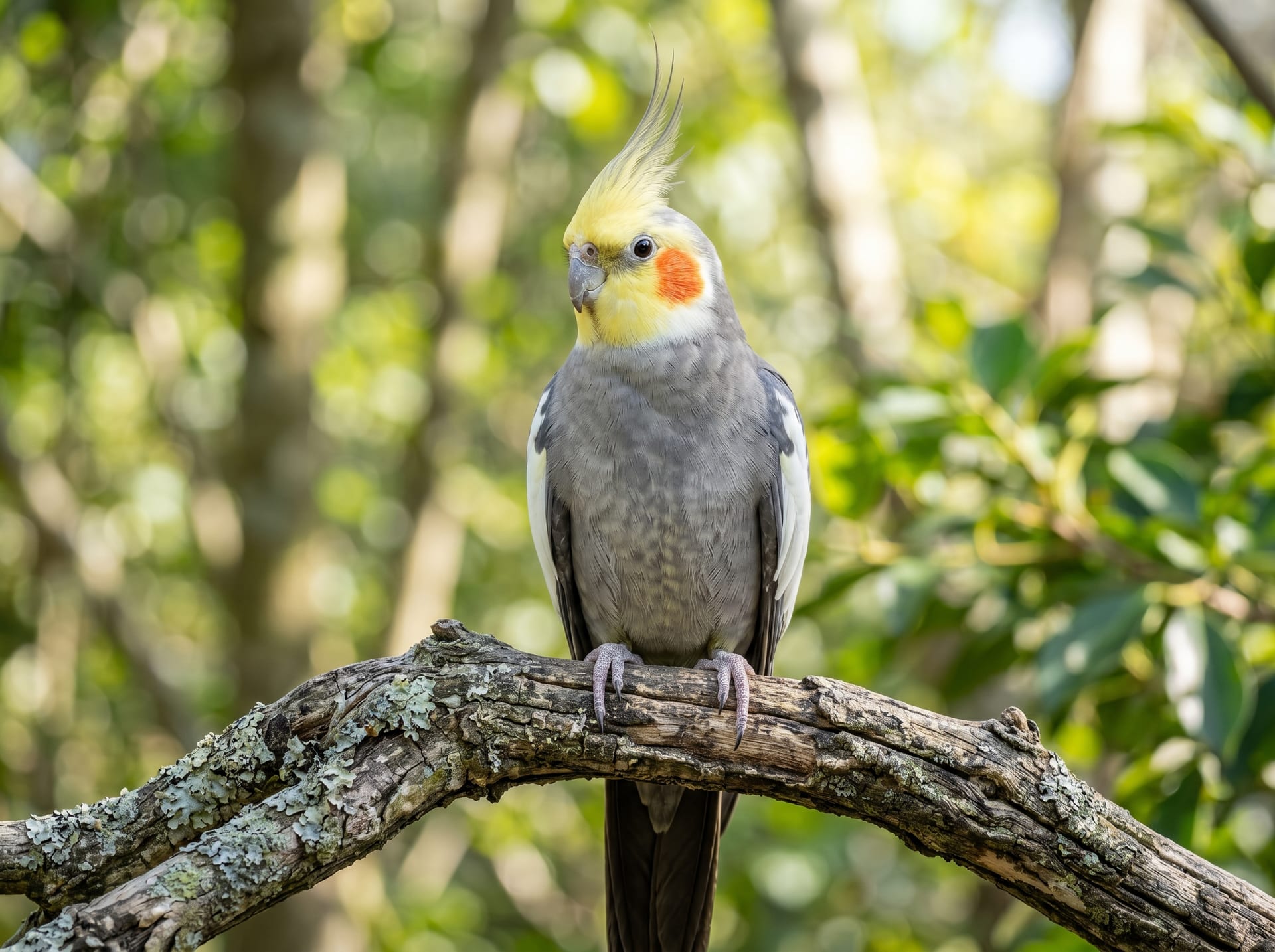
Cockatiel
Characterized by charming cheek patches and a crest, they are representative of medium-sized parrots.
- Chick prices: Standard ¥15,000–¥25,000; Lutino ¥20,000–¥35,000; White-face ¥25,000–¥40,000
- Popular colors: Lutino (white cockatiel), Pied, Cinnamon, White-face
- Hand-feeding period: Start at 2–3 weeks old; transition to self-feeding at 8–10 weeks
- Characteristics: Calm temperament; skilled at learning whistles and melodies. Males are particularly good singers
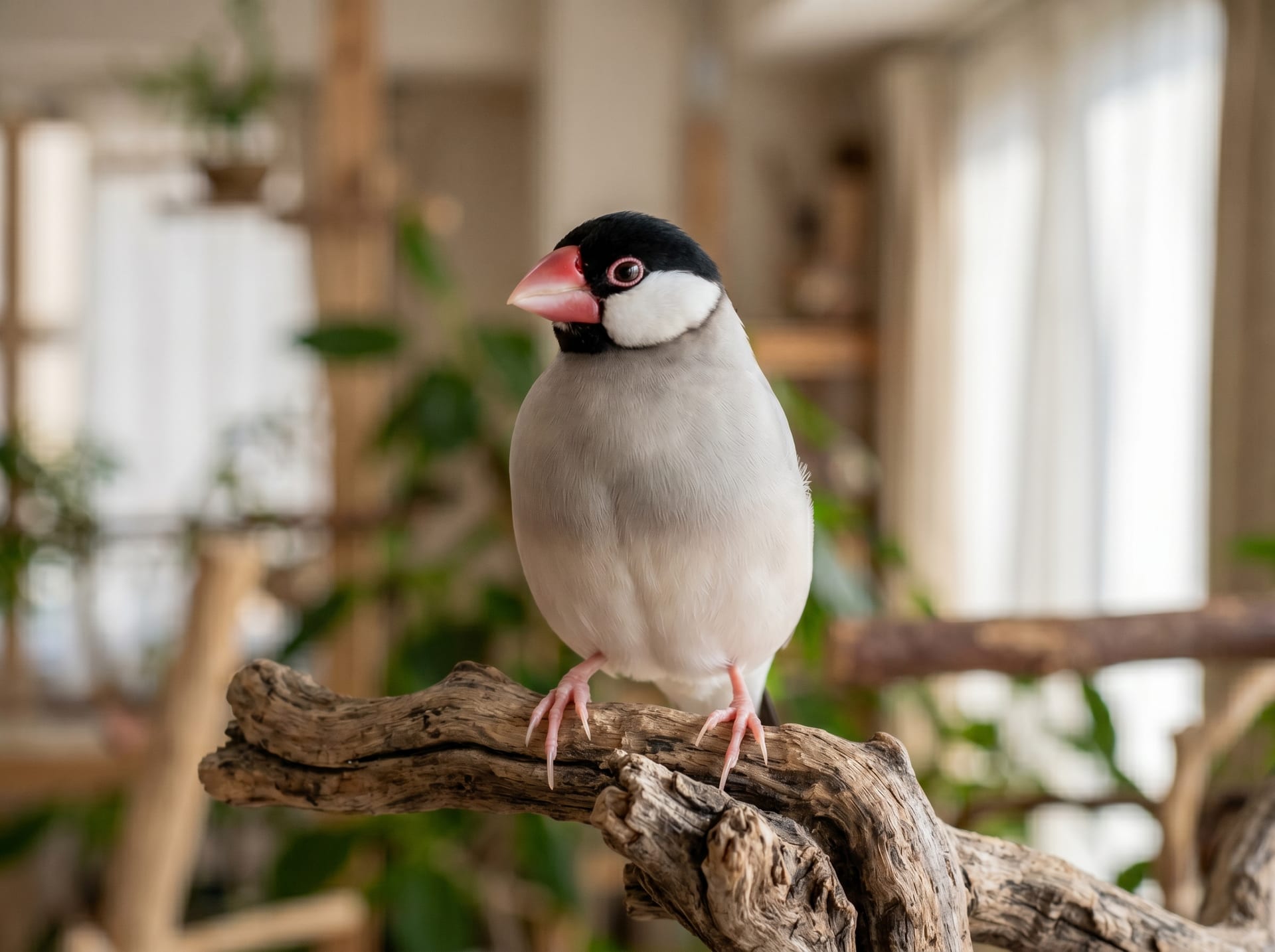
Java Sparrow
A small bird with a charming, affectionate personality that has been beloved in Japan for generations.
- Chick prices: Cherry white-rumped ¥2,000–¥5,000; White ¥3,000–¥6,000; Silver ¥5,000–¥10,000; Cream ¥8,000–¥15,000
- Popular colors: White, Silver, Cream
- Hand-feeding period: Start at 2 weeks old; transition to self-feeding at 5–6 weeks
- Characteristics: Expresses affection abundantly and becomes so tame it will sleep in your hand. Lifespan is typically 7–10 years
Optimal Age for Hand-Rearing
To raise a hand-tamed bird, welcoming it during the hand-feeding period is most reliable.
- Ideal welcome age: 3–4 weeks old (when eyes are open and feathers are beginning to grow)
- Safe age for beginners: 4–5 weeks old; the chick has some strength and hand-feeding is less challenging
- Near self-feeding: 6–8 weeks old; less hand-feeding required, but the degree of tameness may be slightly reduced
Tip: If you lack hand-feeding experience, ask the breeder to teach you carefully. We recommend observing the breeder's demonstration the first few times.
Hand-Feeding Method
Hand-feeding is a critical task affecting the chick's survival. Master the basics.
- Food preparation: Mix powdered food (such as Kaytee or Roudybush) with warm water (38–40°C). Feed using a syringe or spoon
- Temperature control is critical: Keep food at 38–40°C. Too hot and you'll burn the crop; too cold and digestion suffers. Always measure with a thermometer
- Feeding frequency: At 3 weeks old, feed 4–5 times daily; at 4 weeks, 3–4 times; from 5 weeks onward, gradually reduce to 2–3 times
- Crop check: Before feeding, confirm the crop (the pouch at the neck) is empty. If food from the previous feeding remains, wait longer
- Hygiene: Sterilize the syringe or spoon with boiling water each time. Never reuse food; prepare fresh batches for each feeding
- Transition to self-feeding: From 5–6 weeks old, place millet sprays and pellets in the cage to encourage self-feeding practice
For more details on temperature management during hand-feeding and transitioning to self-feeding, see our Gouldian Finch Care Guide and Senegal Parrot Care Guide.
Benefits of Welcoming from a Breeder
There are many benefits to choosing direct breeder sales when welcoming a bird.
- Health verification: You can directly verify the parents' health and breeding environment. Many breeders conduct disease screening like PBFD testing
- Hand-feeding guidance: Breeders will teach you carefully even if it's your first time. They often provide support via phone or messaging
- Personality knowledge: Because breeders care for chicks from hatching, they understand each bird's individual personality
- Fair pricing: Without middleman markups, you can acquire quality birds at reasonable prices
- After-sale support: Peace of mind knowing breeders will help with health concerns or care questions after you bring your bird home
Find Spring Chicks on BreederDirect
On BreederDirect, bird breeders across Japan list spring 2026 chicks. Budgerigars, cockatiels, Java sparrows, and many other species are available. You can verify photos of parent birds and lineage information, and the greatest appeal is the ability to consult directly with breeders about hand-feeding methods and breeding environments. Find your future feathered family member on BreederDirect.