Small Animal Feeding Guide | Diet and Nutrition Management by Species
A comprehensive guide to suitable feed and feeding methods for different small animal species including rabbits, hamsters, and guinea pigs. Covers the proper distribution of pellets, hay, and vegetables, lists foods to avoid, and discusses supplement necessity.
Key Takeaways
A comprehensive guide to suitable feed and feeding methods for different small animal species including rabbits, hamsters, and guinea pigs. Covers the proper distribution of pellets, hay, and vegetables, lists foods to avoid, and discusses supplement necessity.
Related Species
Diet management is one of the most important factors in keeping small animals healthy for the long term. Their small bodies have different metabolic rates and digestive systems compared to dogs and cats, so prolonged incorrect feeding can lead to serious health problems in a short period. Hamsters, rabbits, guinea pigs, and ferrets all have completely different feeding habits and require different nutrients and feeding methods. This article clearly explains the key points to keep in mind for daily feeding management by species.
Hamster Feeding | Balanced Nutrition for Omnivorous Animals
Hamsters are omnivorous animals that eat a diverse diet of grass seeds, insects, and fruits in the wild. In captivity, the basic approach is to make nutritionally-balanced pellets (solid feed) the primary staple food.
Daily Feeding Points
- Primary Food: Feed small animal-specific pellets daily at approximately 5-10% of body weight.
- Supplementary Food: Small amounts of vegetables such as broccoli, cabbage, carrots, and mustard greens (about the size of a fingernail as a guideline).
- Protein Supplementation: Offering a small amount of boiled egg white or sugar-free yogurt several times a week helps achieve better nutritional balance.
- Water: Keep fresh water continuously available in a water bottle.
Foods to Never Feed
Onions, garlic chives, and other allium vegetables, chocolate, avocado, raw potatoes, and spicy foods pose a poisoning risk. Overfeeding high-water-content vegetables (such as lettuce) can cause diarrhea.
Hamsters have a habit of storing food in their cheek pouches, so be sure to remove perishable vegetables and fruits from the cage by the next day to prevent spoilage.
Rabbit Feeding | Hay-Based Diet with Consideration for Digestive Health
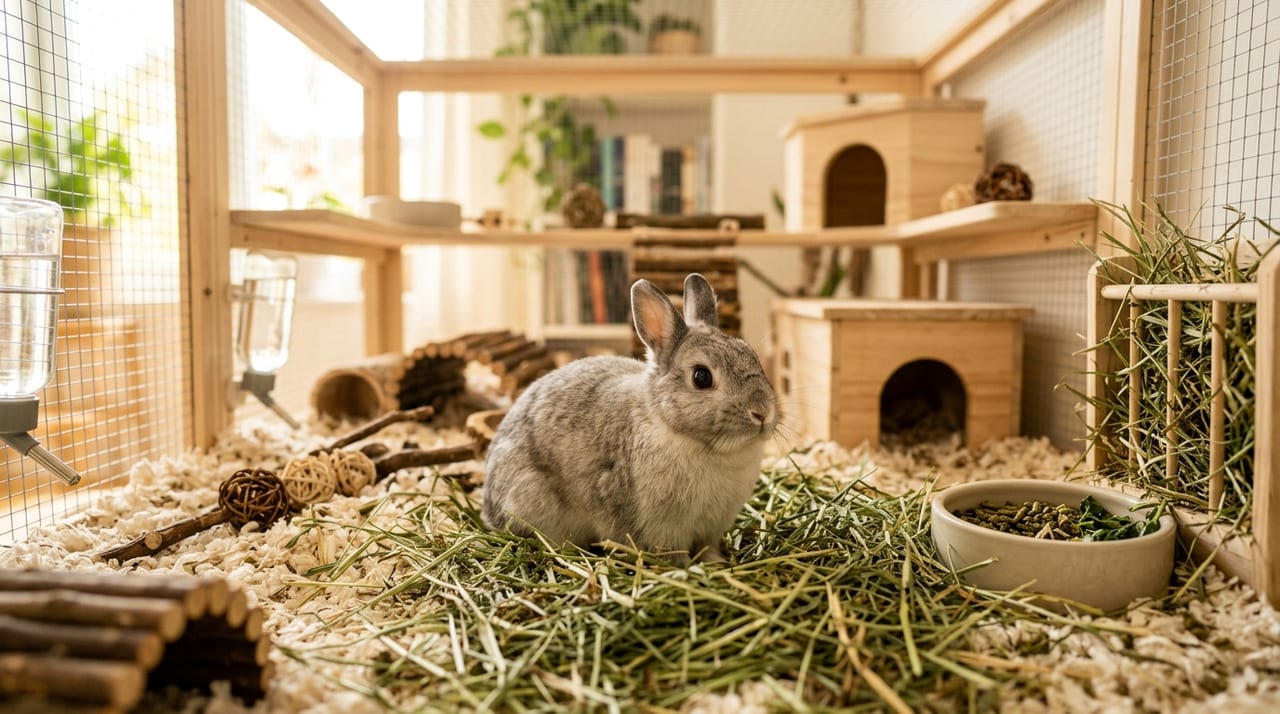
Rabbits are obligate herbivores. Their digestive systems are extremely sensitive, and minor changes in diet can cause indigestion or gastrointestinal stasis (GI stasis). The top priority in rabbit feeding management is to make hay (timothy grass) the foundation of their diet.
Basic Diet Composition
- Primary Food (70-80%): Offer grass hay such as timothy grass freely available at all times. It helps intestinal motility and promotes tooth wear.
- Supplementary Food (approximately 15-20%): Feed rabbit-specific pellets at about 10-20g per kilogram of body weight, divided into 1-2 feedings per day.
- Treats (5% or less): Limit vegetables and fruits to small amounts. Be careful not to overfeed fruit due to its high sugar content.
Foods to Avoid
Onions, garlic chives, and allium vegetables can cause blood disorders. Potato sprouts, avocado, and chocolate are strictly forbidden. Additionally, sudden diet changes cause significant stress to rabbits, so introduce new foods gradually in small amounts over time.
Rabbits have a habit of eating their cecotropes (soft fecal pellets) directly. This is an important behavior for reabsorbing intestinal bacteria and nutrients. This is normal and harmless, so do not interfere with this behavior.
Guinea Pig Feeding | Vitamin C Supplementation is Key to Health
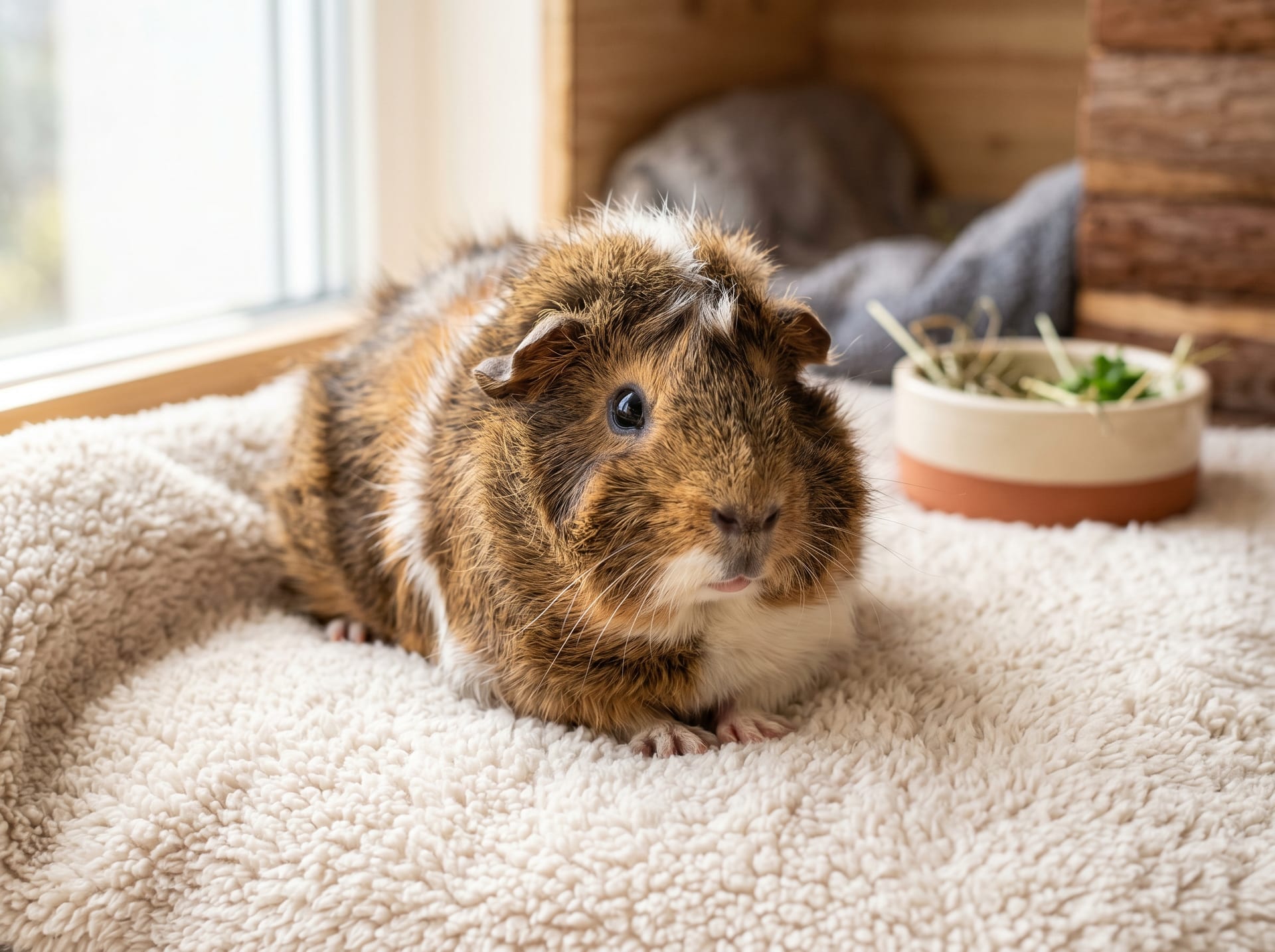
Guinea pigs are herbivores like rabbits, but with one major difference: they cannot synthesize vitamin C in their bodies. Like humans, they must continuously obtain vitamin C from their diet; deficiency leads to scurvy. Symptoms include joint swelling, loss of appetite, and bleeding gums, making daily vegetable feeding essential.
Daily Feeding Points
- Primary Food: Offer timothy grass (hay) freely available at all times. Feed guinea pig-specific pellets supplementally at appropriate amounts twice daily.
- Vitamin C Supplementation: Offer small amounts daily of bell peppers (especially red peppers), broccoli, mustard greens, kale, and similar vegetables.
- Hydration: Keep fresh water available at all times. While vitamin C can be dissolved in water, it oxidizes quickly, so daily water changes are essential.
Precautions
Guinea pigs tend to prefer fruit more than rabbits do, but high-sugar foods can lead to obesity and digestive issues if overfed. If offering fruit as a treat, limit it to small amounts of apple or strawberry 1-2 times per week.
Ferret Feeding | High-Protein, High-Fat Diet for Carnivores
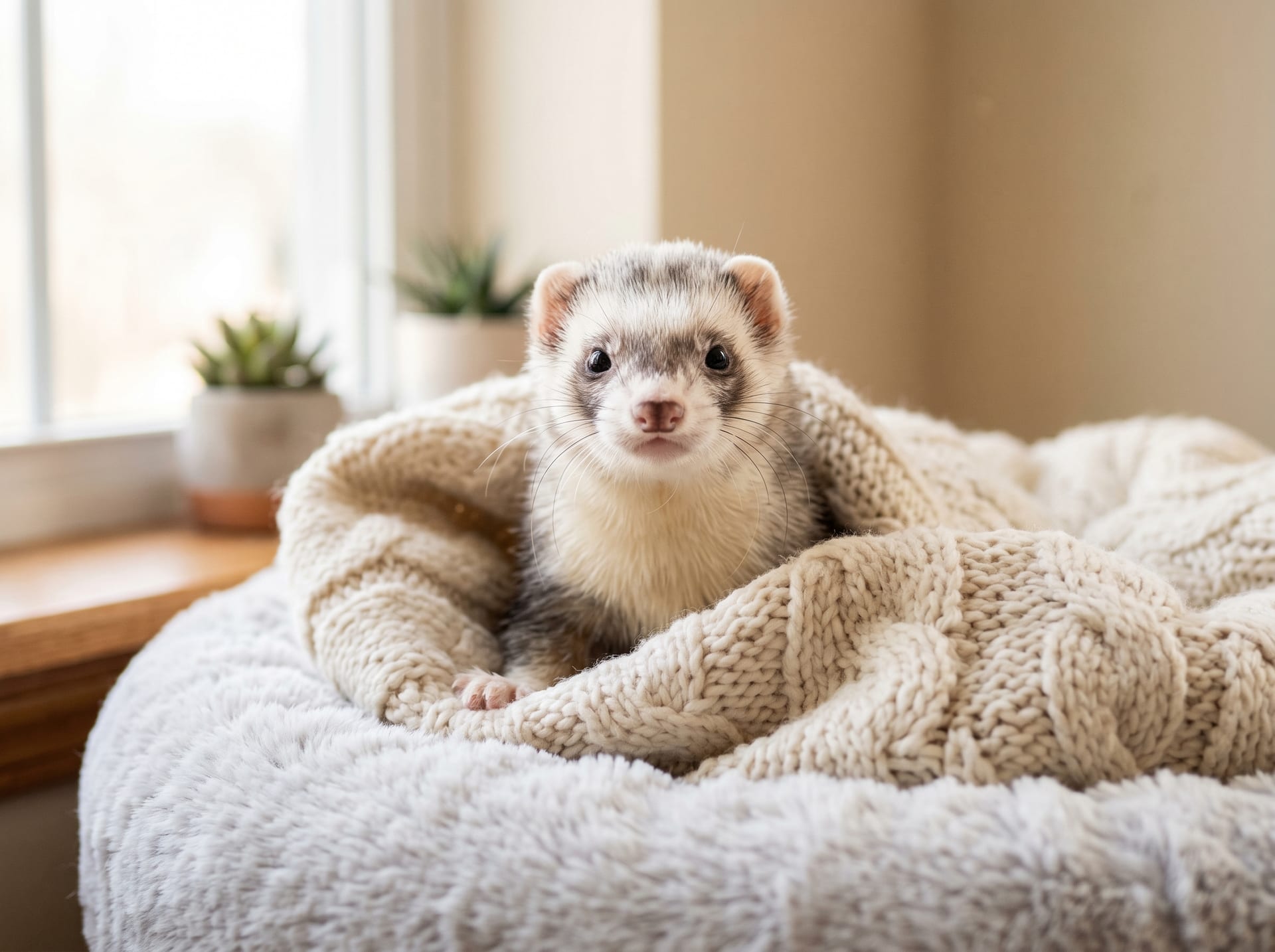
Ferrets are obligate carnivores. Their digestive tracts are short with rapid digestion, and they have minimal ability to digest plant-based fiber or carbohydrates. Incorrect dietary choices increase the risk of pancreatic disease and insulinoma (pancreatic tumor), making diet quality directly linked to lifespan.
Daily Feeding Points
- Primary Food: Offer high-protein, high-fat ferret-specific pellets freely available throughout the day (choose formulas with animal-based proteins as primary ingredients).
- Supplementary Food and Treats: Occasional small amounts of cooked chicken or ferret-specific treats are sufficient.
- Water: Keep fresh water available at all times.
Foods to Strictly Avoid
Grains, fruits, vegetables, and high-sugar foods are strictly forbidden. Fruits high in fructose and sugary treats are particularly noted to increase insulinoma risk. Never feed onions, garlic, or other allium vegetables as they cause anemia.
Ferrets have extremely fast metabolism and cannot eat large amounts at once. It is important to provide an environment where they can eat small amounts multiple times throughout the day.
Summary | Species-Appropriate Diet Management is the Foundation of Health
The most important aspect of small animal feeding management is properly understanding each animal's dietary habits and physical characteristics.
| Animal | Diet Type | Key Priority |
|---|---|---|
| Hamster | Omnivore | Make pellets the primary food, remove perishables promptly |
| Rabbit | Herbivore | Timothy hay 70-80%, sudden diet changes strictly prohibited |
| Guinea Pig | Herbivore | Supply vitamin C daily from vegetables |
| Ferret | Carnivore | High-protein, high-fat pellets, grains and carbohydrates strictly forbidden |
For all animals, the basic approach is to start with small amounts when introducing new foods and observe any changes in health. If you notice continued loss of appetite, abnormal feces, sudden weight changes, or similar issues, consult a veterinarian promptly.
If you're looking to bring a healthy small animal into your home, we encourage you to use BreederDirect. BreederDirect is a platform where you can acquire animals directly from trustworthy breeders. You can view breeder profiles and breeding environments before inquiring, making it easier to understand the animal's health history and prior diet, and allowing you to start caring for your new pet smoothly. Search for your new companion from the Small Animal Category.